Whoodle Evolution
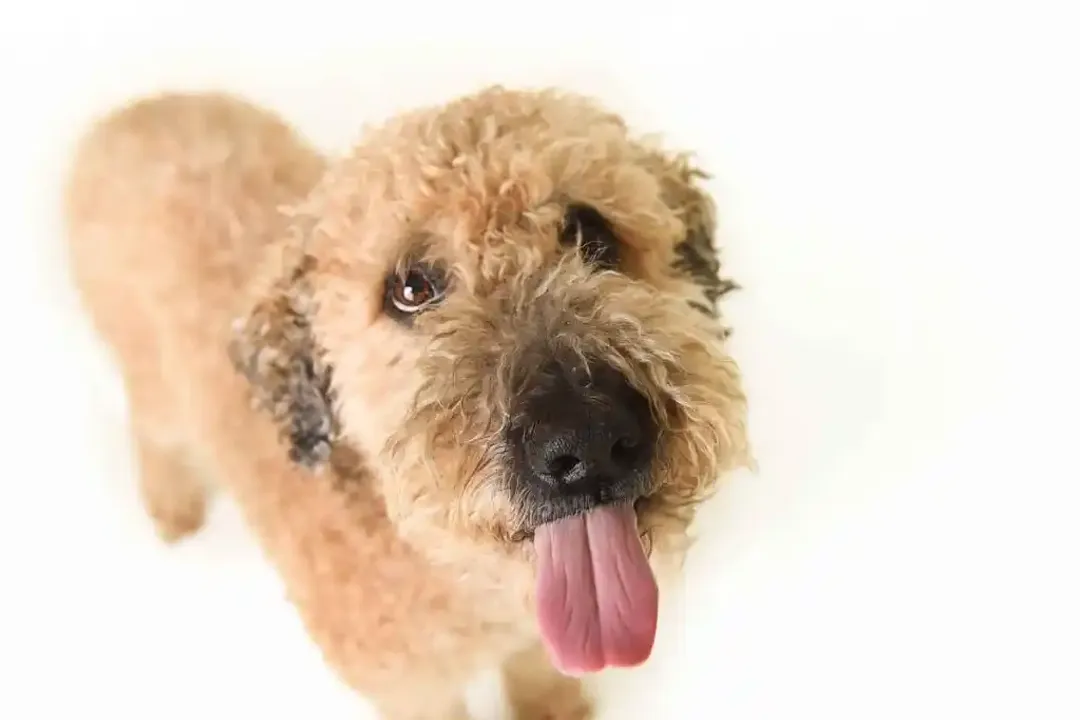
The Whoodle, a recognizable sight in the world of mixed-breed canines, represents a deliberate blending of traits from two distinct purebred lines: the Poodle and the Soft Coated Wheaten Terrier. [2][5][6] The popularity of this crossbreed stems directly from the desire of enthusiasts and early breeders to combine specific, desirable characteristics from each parent, effectively charting a new evolutionary path for companion dogs in recent decades. [1][5]
# Parent Lineage
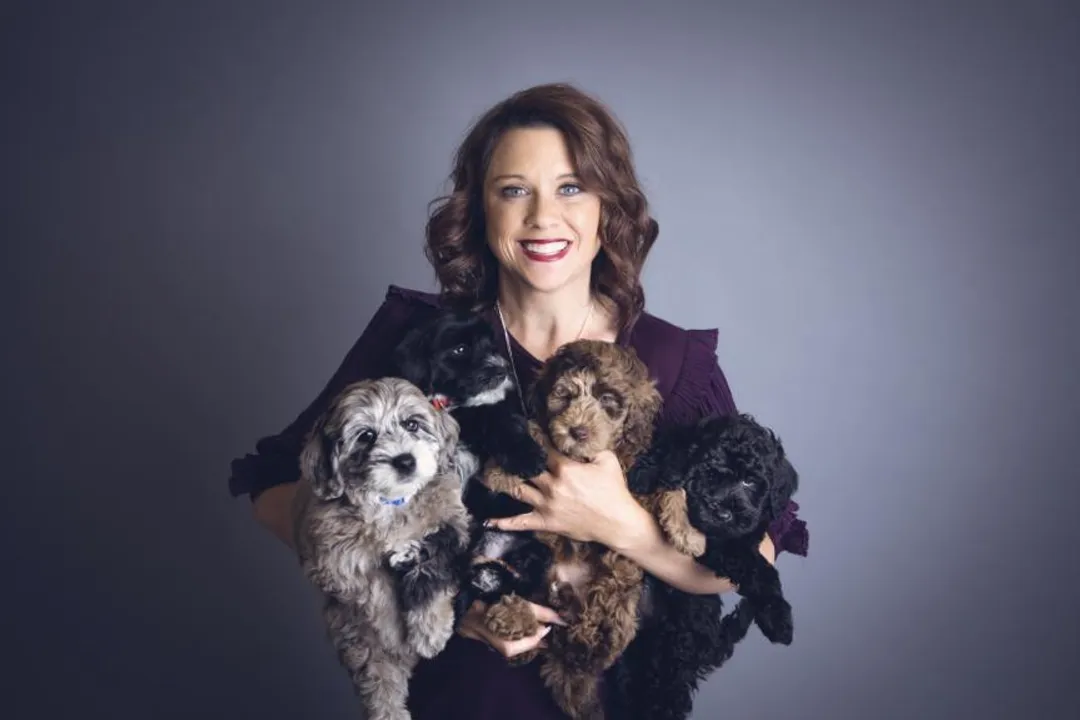
Understanding the Whoodle’s temperament and structure requires acknowledging its foundations. The Poodle brings high intelligence and, crucially for many owners, a reputation for low-shedding coats that appeal to allergy sufferers. [5] Poodles come in three recognized sizes—Toy, Miniature, and Standard—a factor that directly influences the resulting size spectrum of the Whoodle. [6]
The other half of the equation is the Soft Coated Wheaten Terrier. [2] Originating in Ireland, Wheatens are known for their cheerful, playful, and affectionate nature. [2] While Wheatens are often described as having moderate shedding, their distinct, soft single coat provides the desirable texture many hybrid breeders seek to incorporate. [2] This genetic pairing sets up an inherent variation in traits; one parent is often noted for trainability, while the other contributes exuberance and perhaps a touch of terrier stubbornness. [6]
# Designer Context
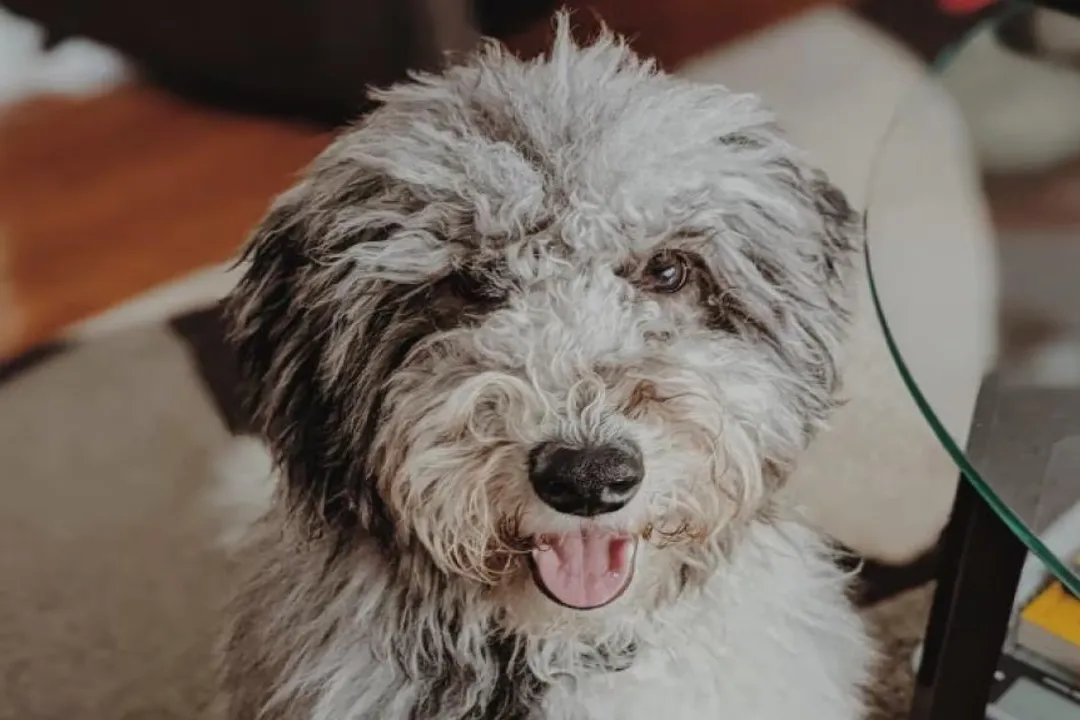
The appearance of the Whoodle fits neatly into the broader phenomenon of designer dogs that gained momentum across the United States in the latter half of the twentieth century. [1] These intentional crosses, unlike accidental mixes, are typically bred with specific goals in mind, often aiming to mitigate the health issues sometimes prevalent in purebred lines or to create a novel combination of talents. [1] Breeders interested in the Whoodle specifically targeted the Poodle’s hypoallergenic coat combined with the Wheaten’s generally friendly demeanor. [2][5] Early intentional breeding efforts in the US established the viability of this pairing, moving it from an occasional accidental litter to a recognized crossbreed type. [1][4]
One perspective on this evolution points to a dedication within breeder communities to refine the desired traits over successive generations. For instance, groups dedicated to the breed often discuss the progression from the initial F1 cross (first generation) to backcrosses (F1b) to lock in certain attributes, such as reduced shedding, signaling an evolution driven by consumer demand for consistency. [4]
# Generational Traits
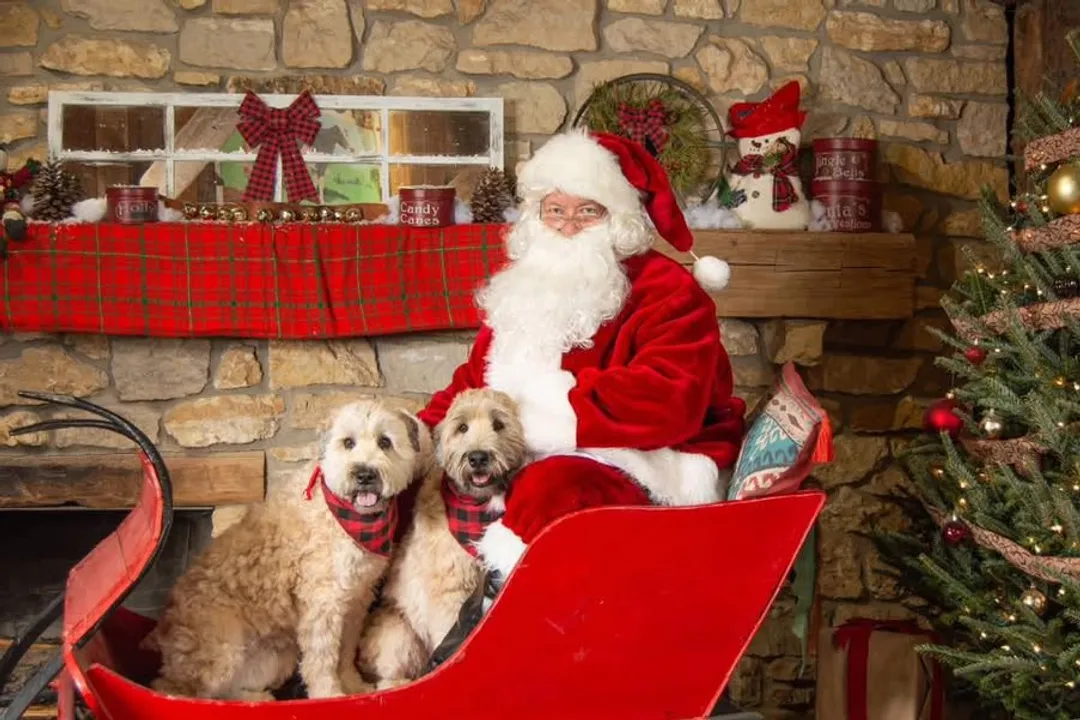
The evolutionary outcome in a Whoodle puppy is rarely guaranteed, which is characteristic of first-generation crosses. Because the parent breeds carry different genetic markers for coat texture and shedding, the resulting offspring can exhibit a wide range of appearances and maintenance needs. [6]
The coat is perhaps the most variable trait. Some Whoodles inherit a shaggier, more profuse coat similar to the Wheaten, while others display the tight curl of the Poodle. [6] This unpredictability is an important reality check for potential owners. For example, an F1 Whoodle has a 50/50 chance of inheriting the dominant low-shedding gene from the Poodle parent. However, breeders aiming for a truly minimal-shedding dog often move to an F1b cross—breeding an F1 Whoodle back to a purebred Poodle. [1]
To illustrate the differences in breeding strategy, consider this:
| Generation | Genetic Makeup (Approx.) | Coat Predictability | Typical Shedding Level |
|---|---|---|---|
| F1 | 50% Poodle / 50% Wheaten | Low | Moderate to Low |
| F1b | 75% Poodle / 25% Wheaten | Higher (toward Poodle) | Very Low |
| F2 | 50% Poodle / 50% Wheaten (F1 x F1) | Medium | Variable |
It is worth noting that while breeders strive for consistency, genetic recombination means even an F1b generation can sometimes throw back to a more prominent Wheaten coat type. This variation is a critical distinction between a planned hybrid and a purebred whose lineage has been strictly managed for uniformity over many decades. The evolution here is less about standardization and more about curating the spectrum of acceptable variation based on owner preference for grooming ease versus coat softness. [6]
# Size and Temperament Shaping
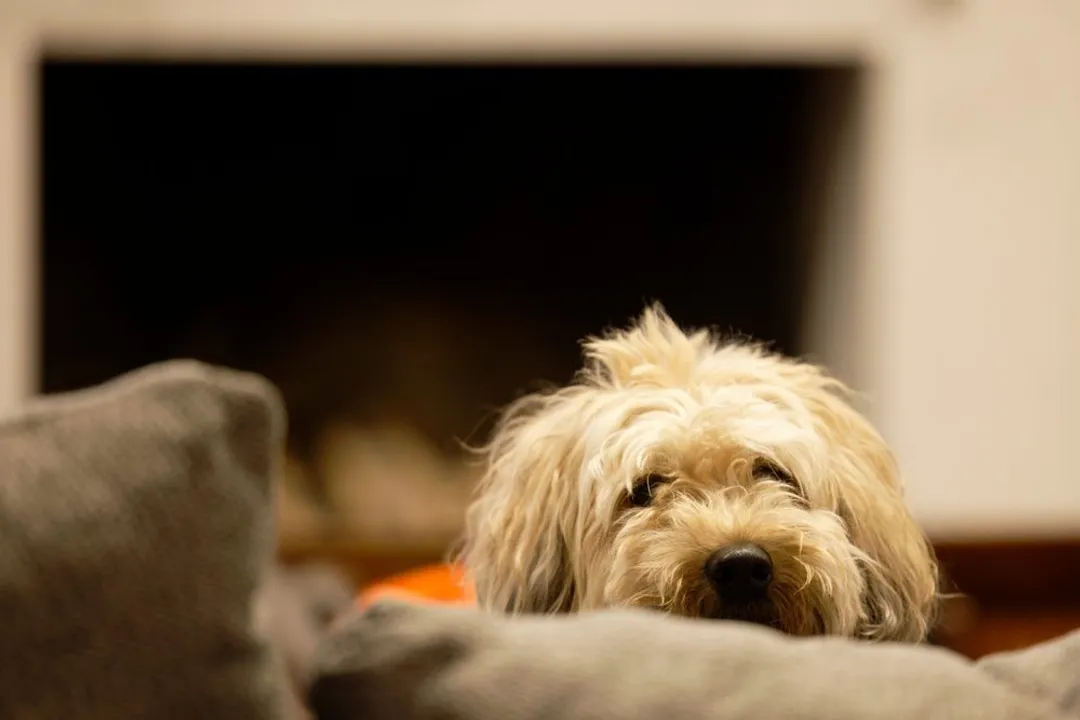
Beyond the coat, the size of the Poodle parent dictates the overall size of the resulting Whoodle, leading to Toy, Miniature, and Standard variations. [6] This allows the cross to fit into a wider variety of living situations, from apartments to larger homes with yards.
Temperamentally, the evolution leans heavily toward a companion dog. The intelligence inherited from the Poodle makes them highly trainable, provided their mental needs are met. However, the terrier side can introduce a playful assertiveness or a degree of independence that requires consistent leadership. A factor often overlooked when viewing just the average temperament description is the pairing of high intelligence with terrier drive; if mental exercise is lacking, this combination can quickly manifest as destructive behavior or excessive barking, a failure scenario common when a dog’s inherent wiring isn't respected. [6] Early, positive exposure to a wide array of sights, sounds, and people becomes paramount in shaping a well-adjusted adult, leaning on the Poodle's inherent adaptability while managing the Wheaten's potential wariness toward strangers if not properly socialized.
# Contemporary Care Influences
As the Whoodle has become more established, its specific care requirements have begun to solidify, reflecting an adaptation to modern pet ownership lifestyles. For instance, nutritional advice now frequently addresses the needs of a highly active, medium-energy mixed breed. While general feeding guides suggest raw feeding can be beneficial for many dogs, owners should be mindful that the Whoodle’s metabolism and activity level—influenced by the Poodle’s energy and the Wheaten’s playful nature—might necessitate careful portion control to prevent obesity, even in the larger Standard variations. [3]
The overall evolution of the Whoodle, from concept to common companion, demonstrates the success of targeted crossbreeding in producing a popular family pet that retains much of the charm of its parents while often offering a more manageable coat for the average household. This trajectory shows an appreciation for utility—the need for a friendly, smart dog that requires less professional grooming than some purebreds while still offering that sought-after low-shedding promise. [5]
Related Questions
#Citations
Rise of Whoodle Breeders: The New Dog Phenomenon
History Of Whoodles - Feathers And Fleece Farm LLC
Whoodle Dog Breed Health, Temperament, Training ... - PetGuide
How it all Started | Heart of America Whoodles
Comparison of Wheaten and Whoodle Breeds as Pets - Facebook
Whoodle Dog Breed Information & Characteristics - DogTime
What's the Best Dog Food for a Whoodle? - ProDog Raw
Whoodle Breed: Your Complete Guide - Dog Academy
Whoodle Dog Breed Health and Care - PetMD