Where do seagulls go at night to sleep?
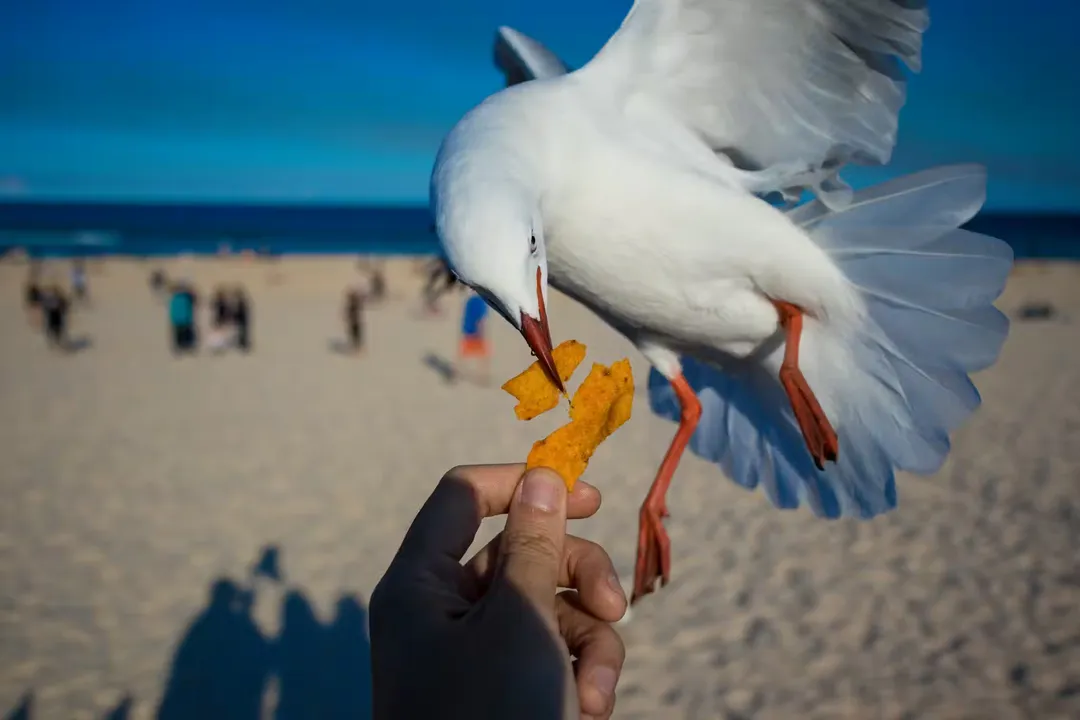
The disappearance of seagulls as the sun sets is a common observation that often sparks curiosity, as these birds dominate our coastal and often urban landscapes throughout the day. [1] They do not simply vanish; instead, they relocate to safer, less exposed areas to rest. [6] While they are diurnal, meaning they are primarily active during daylight hours, they still require periods of inactivity, making the choice of a nocturnal roosting site a critical aspect of their survival strategy. [4] Understanding where they settle involves appreciating their profound adaptability and their constant need to balance immediate safety against easy access to morning feeding grounds. [7]
# Roosting Habitats

The primary location for resting gulls is often dictated by geography and tidal patterns. In natural settings, the preferred sleeping spots are typically open areas close to the water, which allows them a quick escape route should a ground predator approach during the night. [4] Beaches, sandbars, and mudflats are frequently utilized by large congregations of gulls once the daytime activity subsides. [1][6] These coastal features provide a relatively unobstructed view of their surroundings, a key component of security for any ground-dwelling bird. [4]
It is important to note that the environment is a major factor in their decision-making process. A seagull resting on a remote sandbar is operating under a different set of safety parameters than one attempting to sleep near a busy boardwalk or in the middle of a bustling city park. [7]
# Postures Observed
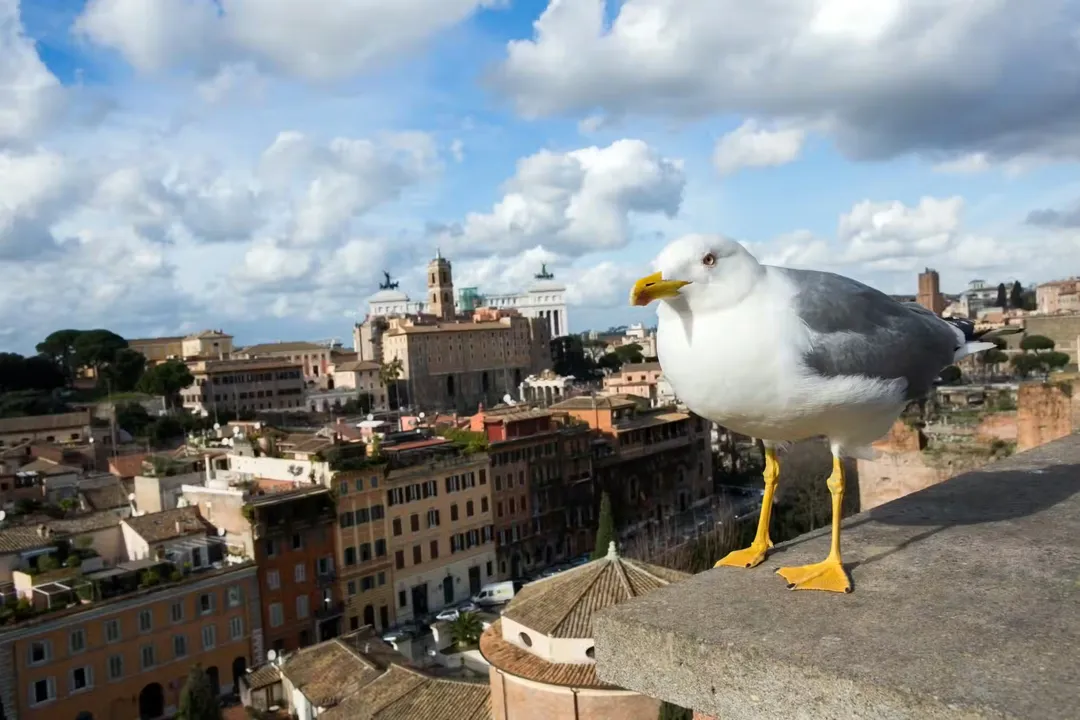
When one manages to view a resting gull flock, either early at dusk or just before dawn, the birds exhibit specific, recognizable sleeping behaviors. [4] Gulls are known to sleep standing up, often resting on just a single leg. [3][4] This common avian behavior helps them regulate body temperature, particularly when resting on cooler surfaces like sand or water, by minimizing the surface area exposed to the cold. [3]
Another distinctive resting posture involves tucking their head back and resting it underneath one of their wings. [3][4] While they may appear to be in deep slumber, it is widely suggested that they do not enter the same deep sleep cycles humans experience. Instead, they may rest or doze intermittently, allowing at least one hemisphere of their brain to remain partially alert to potential threats. [4] This partial alertness is crucial for species that sleep on the ground in open areas where they are more vulnerable to land-based disturbances or nocturnal predators. [4]

# Urban Adaptation

The seagull’s reputation as an opportunistic scavenger is mirrored in its nighttime arrangements. As coastal areas become increasingly developed, these birds have shown a remarkable ability to integrate human structures into their resting routines. [7] In urban and suburban environments, you are just as likely to find large groups roosting on flat rooftops, large parking lots, or even breakwaters, particularly when traditional beach areas are crowded or unavailable. [5]
The transition to city sleeping quarters is not arbitrary. City structures often provide a vantage point that is elevated and clear of many terrestrial predators that patrol ground-level feeding areas. [5] Furthermore, the asphalt or concrete of a parking lot retains heat from the day, offering a slightly warmer surface than damp sand or cold water early in the morning. For a bird that must contend with fluctuating coastal temperatures, this slight thermal advantage can be beneficial when conserving energy is a priority. [7]
# Social Dynamics

Seagulls rarely sleep alone. They congregate in large numbers, forming sizable flocks when they settle down for the night. [1] This flocking behavior is a classic survival tactic across the animal kingdom, known as the "safety in numbers" principle. When hundreds of eyes are potentially monitoring the area, the probability of a predator successfully isolating and attacking an individual decreases significantly. [4]
Observing the density of these congregations can sometimes offer a quiet commentary on the local conditions. If a group settles close together, almost touching, it often signals a higher perceived risk in that specific location or perhaps a sudden disturbance that caused them to settle quickly. Conversely, when conditions are deemed exceptionally safe, the birds might spread out more, maintaining a comfortable buffer zone between individuals while still remaining part of the larger group structure. This subtle shift in spacing offers a real-time, if fleeting, indicator of the local security assessment made by the birds themselves.
# Threat Assessment
The location chosen for the night is a direct calculation of risk versus reward. For a gull whose day is spent scavenging and feeding near fishing docks, harbors, or inland waste sites, moving far away from these food sources just to sleep might cost too much energy in the morning flight back. [7] Therefore, they seek a middle ground: a place safe enough to rest but close enough to resume foraging immediately after sunrise. [6]
For coastal species, tides play a major role in this calculus. A desirable sandbar that is completely dry and secure at low tide might become dangerously submerged or even washed away completely as the tide comes in, forcing the roosting flock to remain vigilant or relocate entirely before the water reaches them. [1] This necessity to monitor the natural environment even while resting underscores why their sleep is often described as light or intermittent.
Considering the sheer number of threats present in both natural and anthropogenic environments—from foxes and coyotes on the beach to large raptors flying overhead or even human disturbances near urban roosts—it is fascinating that these birds manage to rest effectively at all. [4] Their evolutionary success seems tied directly to this hyper-vigilant, adaptable approach to downtime, allowing them to maximize foraging time during the day while minimizing nocturnal risk. [7] Their choice of a sleeping spot is never accidental; it is the nightly conclusion of a day spent weighing immediate survival against future opportunity.
Related Questions
#Citations
Where Do Gulls & Other Birds Sleep at Night
Where do seagulls go at night : r/NoStupidQuestions - Reddit
SIlly question, but where do seagulls sleep lol. I often think of my ...
Do Seagulls Sleep? And Where Do Seagulls Sleep?
Where do sea gulls go at night? - Quora
Where Do Seagulls Sleep? (Location, Habits and Behavior) - Birdfact
4 facts about seagulls that will make you love these relentless chip ...
Where do seagulls disappear to at night? - Factual Questions
How Long Do Seagulls Live? - Little Passports
Where do Seagulls go at night - Main Forum - SurfTalk - StripersOnline