Where do cormorants go at night?
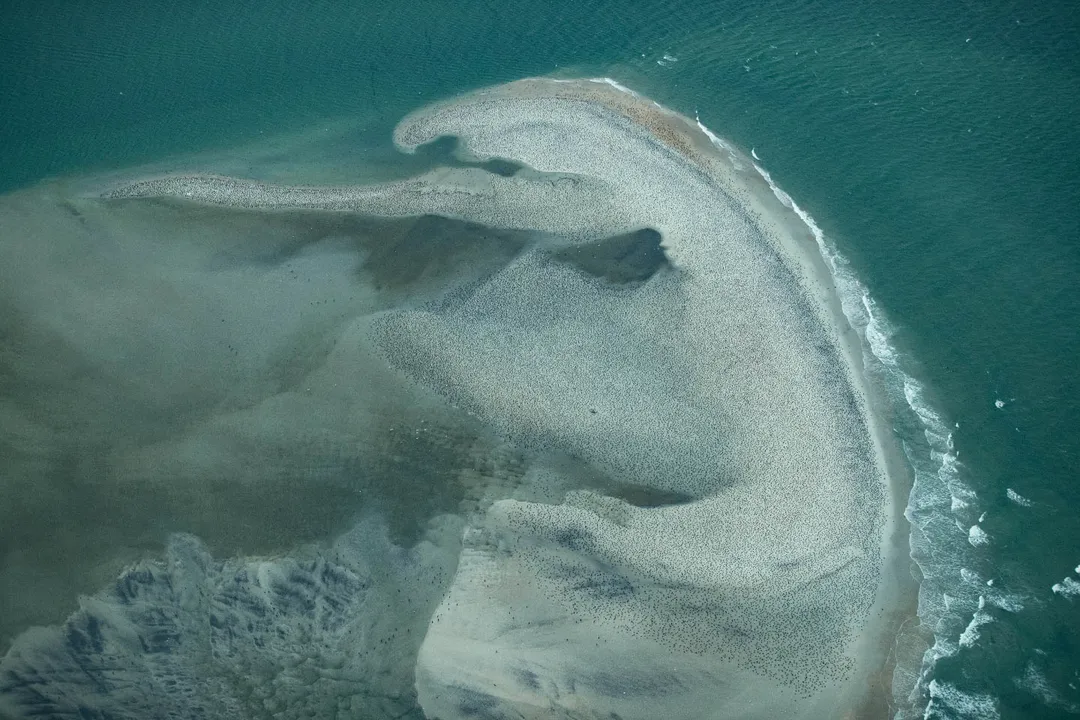
The conclusion of the day for a cormorant is not just about finding a place to sleep; it is a highly specialized resting period crucial for digestion and drying its unique feather structure. For observers wondering where these expert divers disappear when the sun sets, the answer is complex, varying by species, season, and local geography. Cormorants, including the common Double-crested and the Pacific Coast-dwelling Pelagic, tend to aggregate in specific locations—known as roosts—that balance security with proximity to their next day’s foraging spots.
# Resting Needs
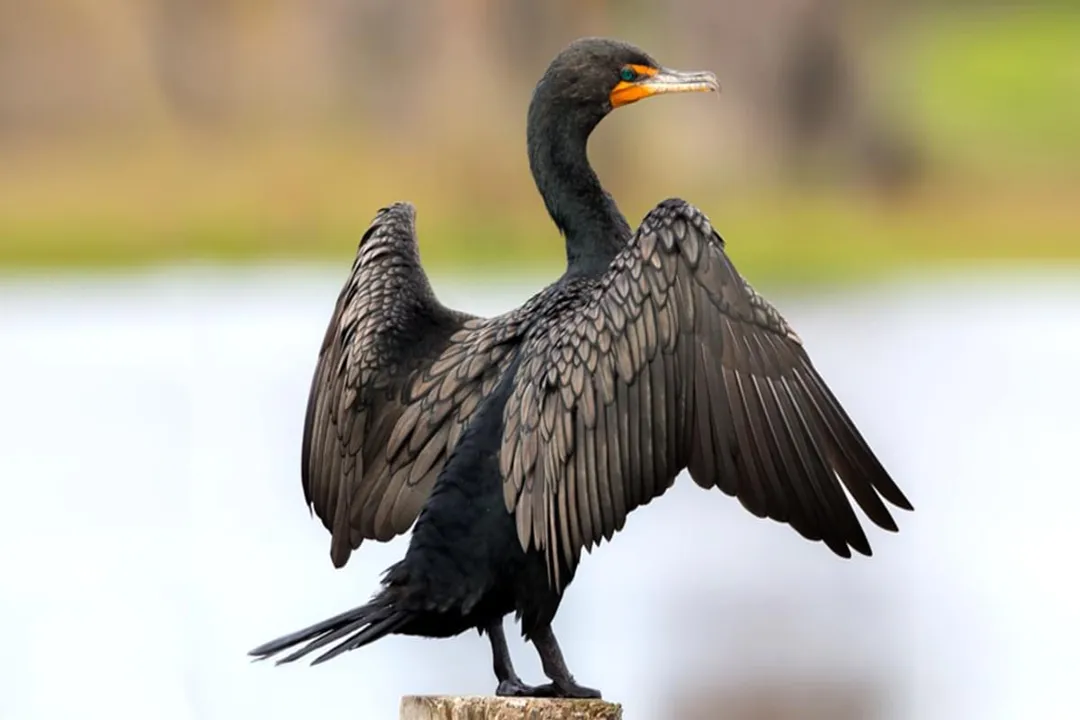
The activity that most dictates where a cormorant spends its resting hours is the necessity of drying its wings. Unlike many other waterbirds, cormorants have feathers that are not fully waterproofed by preen oil. This seemingly unusual trait is actually an adaptation that aids them in diving and staying submerged underwater while hunting, as the waterlogged feathers reduce the natural buoyancy that might otherwise hinder their pursuit of fish. Because their plumage soaks up water, cormorants must spend a considerable amount of time after fishing resting on exposed perches with their wings spread wide open. More than half of a cormorant’s entire day is often devoted to this resting activity, which includes digestion and feather drying, making the selection of the roost site a high-priority daily event.
A cormorant’s nightly location must provide an exposed spot where it can comfortably adopt this signature wing-outstretched posture, often on a windblown rock or a bare branch.
# Communal Night Roosts
While some cormorants may rest singly, they are fundamentally gregarious birds, and night is when this social tendency often becomes most apparent. Many species, particularly the Double-crested Cormorant, establish large, communal night roosts. These roosts are strategic locations near their feeding grounds, serving as a centralized spot for the group to spend the non-foraging hours.
For wintering Double-crested Cormorants in areas like the sounds and near-shore waters of North Carolina, researchers observe and count birds within these dense, communal night roosts, often situated on sandbars within the sounds. The sheer size of these wintering flocks can be impressive, with some observers noting flocks of over a thousand birds gathering in specific areas.
The choice of a physical roost site is surprisingly varied, illustrating the birds’ adaptability. These spots are not limited to natural formations; Double-crested Cormorants utilize a range of elevated, airy perches. Common nighttime locations include:
- Rocky shoals and exposed offshore rocks.
- Sandbars and cliffs.
- Man-made structures such as utility poles, fishing piers, pilings, and wires.
The reliance on exposed perches is critical, especially when temperatures drop. In northern latitudes, when water begins to freeze, cormorants must push south to avoid situations where they cannot take off from solid surfaces, a necessary maneuver for them to escape danger. This migratory push concentrates populations into warmer, ice-free wintering grounds where suitable roosts are available.
# Species Variation in Perching
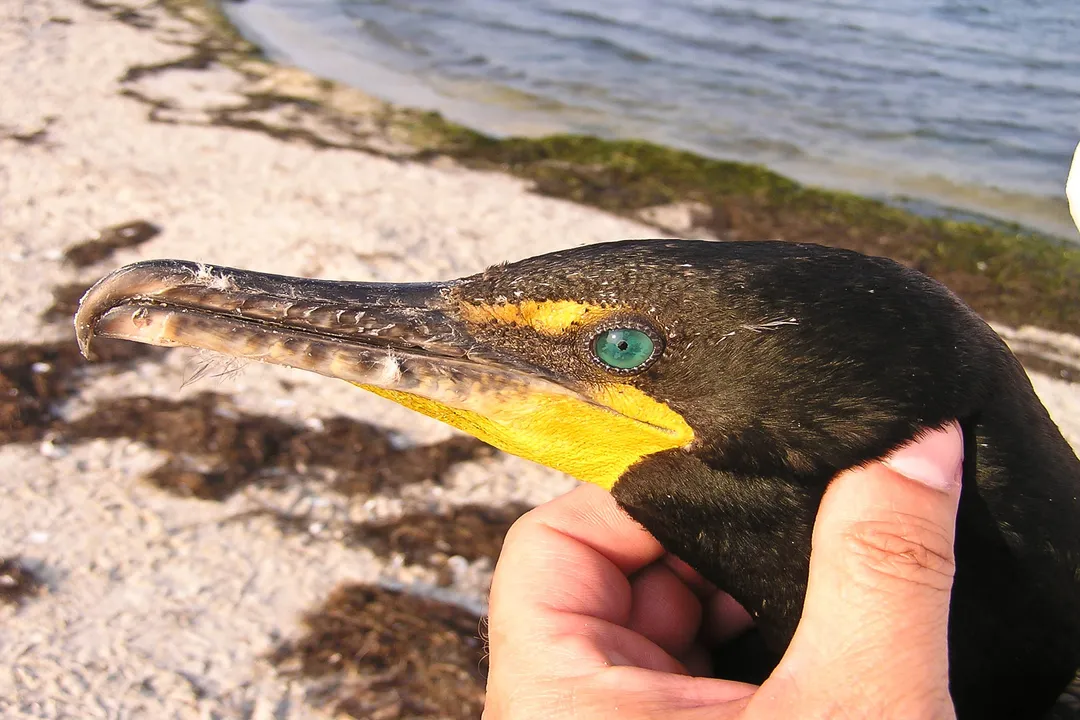
While the general need to dry wings and rest applies to all cormorants, specific habitat preferences distinguish the species. The Double-crested Cormorant is known for its willingness to incorporate human-made structures into its resting routine, using wires and poles alongside natural features like dead trees. This willingness to utilize vertical, exposed structures that mimic necessary natural perches—like high snags or prominent rocks—allows them to roost safely even in areas heavily modified by human activity, provided the perch offers enough space for wing drying.
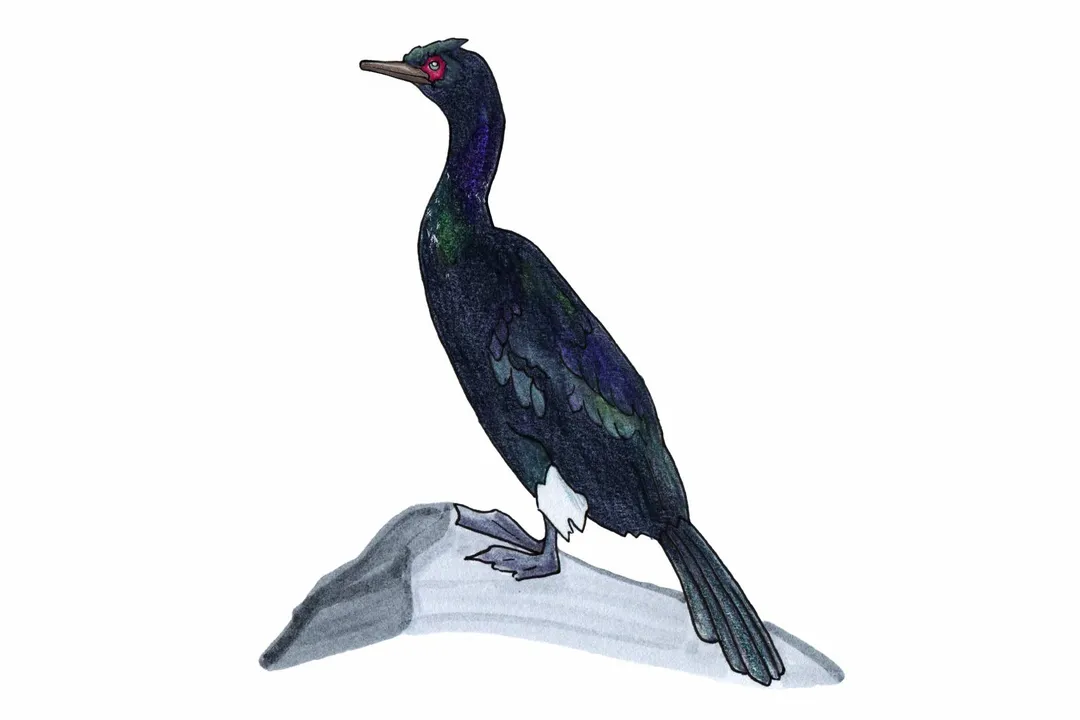
The Pelagic Cormorant, which is smaller and primarily associated with the Pacific Coast, also roosts communally at times, frequently gathering on rocks near the water's edge. However, their nesting sites, which often double as night roosts during the breeding season, are frequently more inaccessible, favoring narrow ledges, steep slopes, and the edges of nesting colonies on islands or coasts. In Alaska’s Chugach Region, both Double-crested and Pelagic cormorants nest on coastal rocks and cliff ledges, and unlike some other seabirds, they generally do not venture far from their colonies, meaning their nighttime location is usually close to where they forage during the day.
# Timing and Local Shifts
The location of a cormorant at night is heavily influenced by the season. For populations like the interior and Atlantic coast Double-crested Cormorants, nightfall means moving to wintering grounds after migrating south from northern breeding areas starting around September. Conversely, spring brings a return north around late March or April. This large-scale movement dictates that the definition of a "roost" changes geographically throughout the year.
For many inland populations, the availability of suitable habitat shifts cyclically. One observation noted that during summer, herons and egrets used an open lake area for overnight roosting, but once the weather cooled, these birds dispersed, and Double-crested Cormorants moved in, suggesting that roost sites are often temporal, aligning with the presence of the birds themselves.
A cormorant's home range can be vast, sometimes spanning thousands of square miles seasonally. This highlights a significant energetic trade-off that dictates where they ultimately settle for the night. An individual or flock must weigh the safety of a prime, predator-protected roost against the energy cost of commuting to a favored feeding area the next morning. If a colony establishes a nest site on an island, the birds may fly significant distances—up to 40 miles—to reach adequate feeding grounds, returning to that specific nesting/roost structure by nightfall. The decision is often governed by the immediate safety and accessibility of the perch versus the local density of fish populations during daytime feeding hours.
# Roost Site Quality and Conflict
The physical attributes of a cormorant roost can have notable local impacts, which sometimes leads to conflicts with human interests. A large congregation of birds depositing acidic guano at a site—be it a few trees or a stretch of shoreline—can kill vegetation, strip foliage for nest material, or foul docks and navigation markers. The strong odor near roosts and the resulting damage to aesthetics can negatively affect tourism and property values in waterfront areas.
Because they are colonial nesters and roost communally, they often compete with other colonial waterbirds like gulls, terns, and herons for desirable nesting or resting islands. For example, on islands where Double-crested Cormorants establish large colonies, the accumulation of guano can kill trees within just a few years, forcing the birds to shift to nesting on the ground or competing fiercely for remaining viable sites. These factors mean that the ideal, safe roosting spot may be continually contested or slowly degraded by the very birds using it. The ability of Double-crested Cormorants to use man-made structures like utility poles offers them an alternative, stable perch that is generally immune to the vegetative damage risks associated with tree roosts.
In summary, cormorants go to roosts that offer exposed, safe platforms for essential wing-drying and digestion after dark. These spots are usually communal, located strategically near rich feeding zones, and range from remote, inaccessible cliffs favored by the Pelagic species, to bustling docks and utility poles commonly used by the more adaptable Double-crested Cormorant populations. Their nighttime destinations are rarely static, instead shifting with the seasons, the freeze-up of northern waters, and the local availability of water and fish.
Related Questions
#Citations
Counting Cormorants - The Center for Conservation Biology
Can anyone shed some light on the behaviors of cormorants? There ...
Double-crested Cormorant Life History - All About Birds
Pelagic Cormorant | Audubon Field Guide
Double-crested and Pelagic Cormorants
What is a double-crested cormorant? - U.S. Fish and Wildlife Service
[PDF] Double-crested Cormorants - usda aphis