How long can a Gila monster go without food?
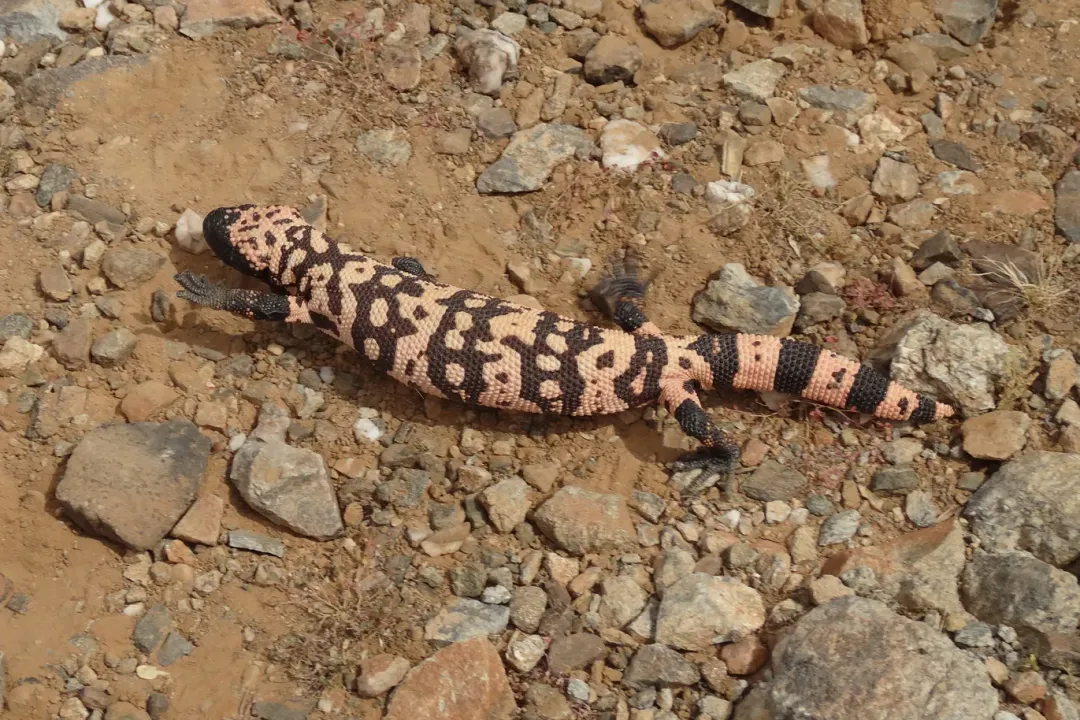
The question of sustenance for the Gila monster, one of North America's few venomous lizards, often brings forth images of relentless hunting. However, the reality of this desert dweller’s life reveals an adaptation for extreme patience, meaning they can endure surprisingly long stretches without a meal. Rather than counting the days, it is more accurate to think in terms of months between significant feedings. This incredible capacity is not due to magical properties but rather highly specialized physiological traits evolved over millennia in arid environments where meals are rare commodities. [1][2][3][7][8]
# Months of Storage
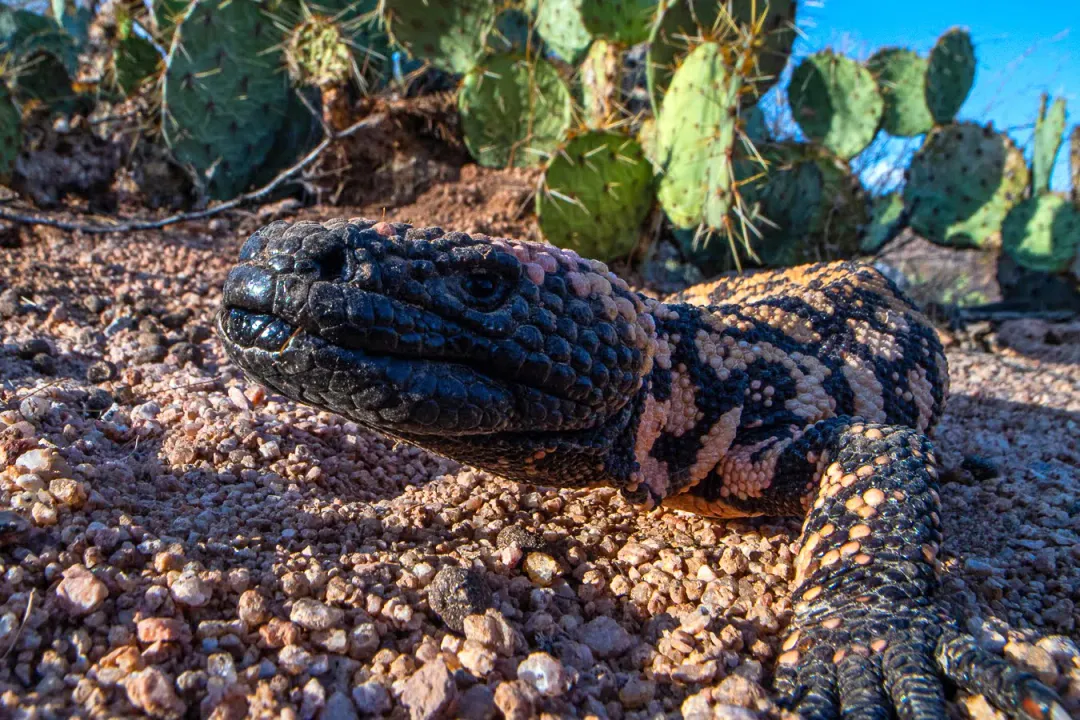
The key to the Gila monster’s prolonged survival when food is absent lies in its impressive ability to capitalize on opportunity when it arises. [1][2] When a Gila monster locates a high-energy meal—such as a nest of eggs or a clutch of young rodents—it consumes what it can, often taking in a very large intake relative to its size. [2][8] This surplus energy is not immediately processed and forgotten; instead, it is meticulously stored for lean times. [1][6][7]
This storage system is visually apparent. The Gila monster dedicates significant portions of its body, particularly its thick tail, to accumulating fat reserves. [3][8] This tail acts as a crucial, mobile pantry, allowing the lizard to carry a substantial amount of energy with it as it moves through its habitat. [2][7] The body tissue surrounding the vital organs also plays a part in this energy banking. [1][6][7] When food scarcity hits—which can be prolonged depending on local conditions—the animal draws upon these accumulated stores, much like a camel uses its hump, providing the necessary fuel to maintain basic bodily functions. [3]
# Metabolic Pace
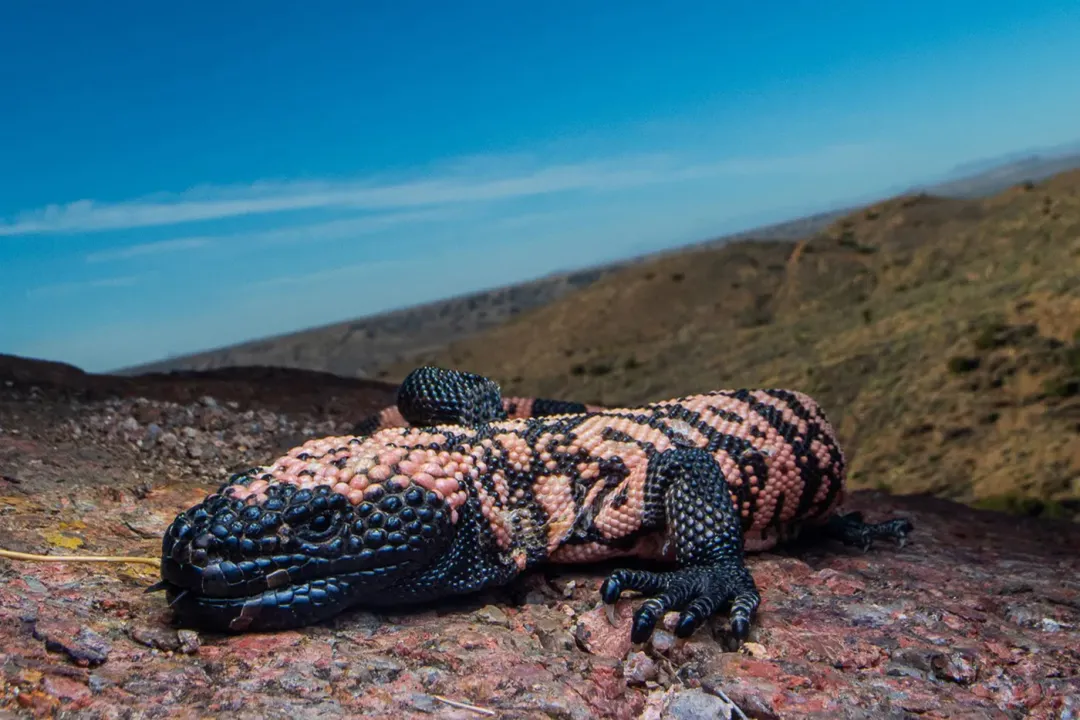
Underpinning this fasting ability is a metabolic rate that is dramatically slower than that of similarly sized warm-blooded animals. [3] Reptiles, being ectothermic, rely on external temperatures to regulate their internal processes, which inherently leads to lower energy demands compared to mammals that must constantly burn fuel to maintain a constant internal temperature. [3] This slow, deliberate pace means the Gila monster burns through its stored fat much more gradually. While a small mammal might need to eat daily to avoid starvation, the Gila monster’s sluggish internal engine allows it to stretch a single large meal across many weeks or even months. [3]
# Meal Infrequency
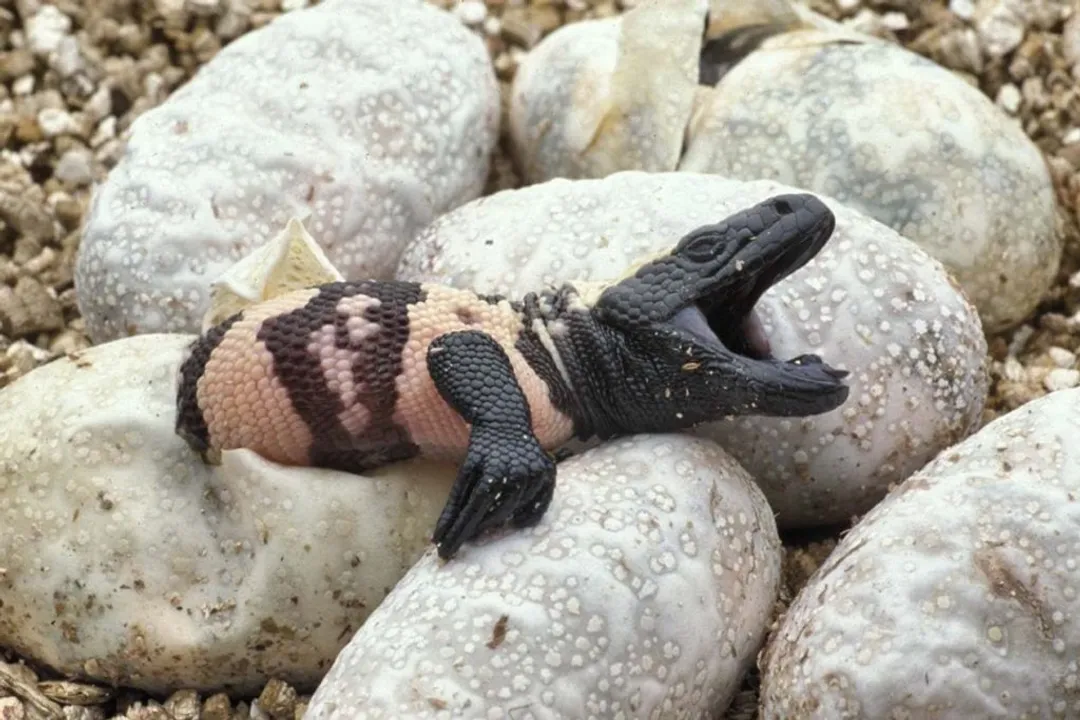
To understand how long they can go without food, we must understand how often they do eat. In the wild, successful foraging is unpredictable, especially in the harsh desert landscapes where these lizards reside. [4] Reports suggest that wild Gila monsters may only consume a significant meal approximately five to six times per year. [1][6][7] Some sources even place this figure slightly higher, suggesting they might feed around ten times annually. [3]
This disparity between feeding frequency and actual survival time highlights a critical point: they are adapted to survive far longer than their average feeding interval might suggest. If an individual has recently fed well, it is completely equipped by its physiology to wait out several months of poor foraging conditions, relying entirely on those fat reserves until the next reliable food source becomes available. [3][8]
For instance, if a Gila monster consumes a large meal in late spring, securing its energy stores just before the peak dry season hits the southwestern US deserts, it might easily go through the hottest, most barren part of the year without needing to actively hunt again. [4] This ties its survival directly to environmental cycles. [4]
A fascinating implication of this delayed feeding schedule becomes clear when we consider energy conservation in context. A terrestrial reptile of this size might only require the caloric equivalent of one or two substantial meals over a half-year period, provided it remains relatively inactive. [3] When comparing this to an active mammal of similar mass, which might require daily caloric intake, the efficiency of the Gila monster’s lifestyle is striking. Imagine taking the entire required energy intake for a human for six months and condensing it into just six large, infrequent eating events—that mirrors the lizard’s strategy. [1][6] The lizard trades high activity and constant foraging for periods of prolonged, energy-saving dormancy or low activity, using its stored energy buffer to bridge the gaps. [3]
# Environmental Link
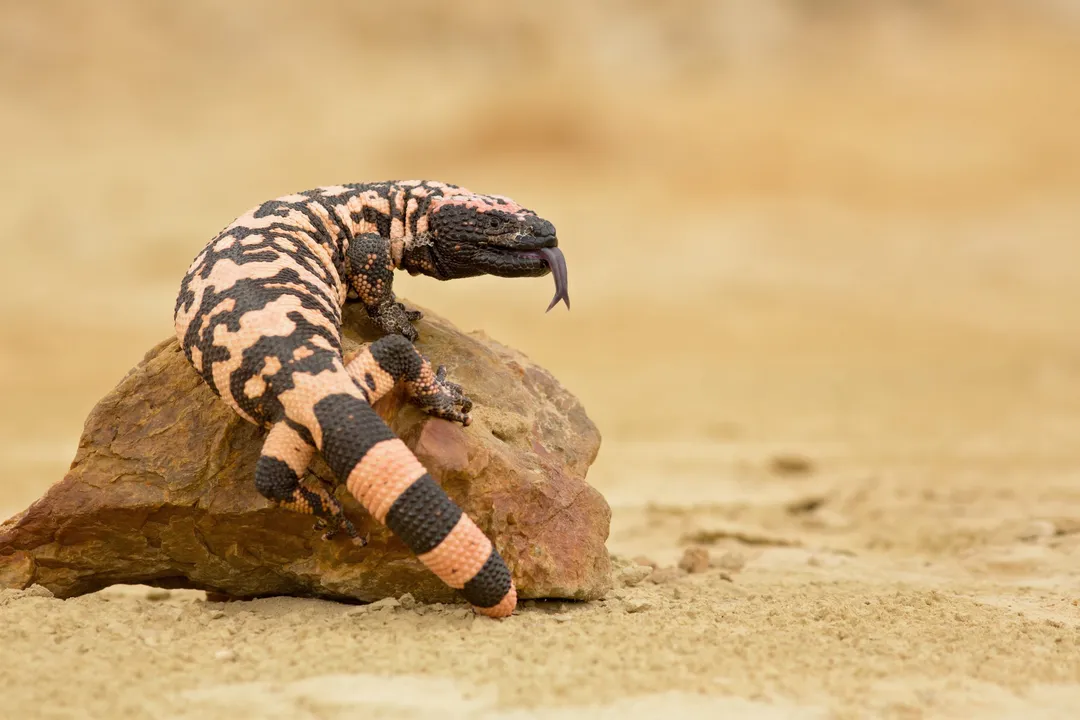
The capability to survive for months without food is directly intertwined with the availability of prey, which is often seasonal. [4] Gila monsters inhabit areas like the Mojave and Sonoran deserts, where food sources such as bird eggs, small mammals, and nestlings are often most accessible during specific times of the year, often coinciding with the nesting season or periods following rainfall. [4][9] A sighting of a Gila monster actively searching for quail eggs suggests it is engaged in one of these critical, infrequent feeding opportunities. [5][9]
When delayed monsoons or prolonged drought impact the ecosystem, the primary food sources for the Gila monster can become scarce sooner or last for a shorter duration. [4] In such scenarios, the lizard’s inherent ability to fast for months is tested to its absolute limit. If environmental stress reduces the number of successful feeding opportunities below that crucial 5-to-10 meals-per-year average, even the fat reserves may eventually deplete. [3]
To truly appreciate this adaptation, consider the difference in risk assessment. A small mammal might spend the majority of its active hours searching for minute food items, constantly exposing itself to predators or extreme heat in the process, just to meet its high daily metabolic needs. Conversely, the Gila monster can afford to remain hidden and conserve energy for weeks or months, emerging only when the energetic payoff of a meal is almost guaranteed. This patient, low-energy approach minimizes its overall risk exposure while maximizing the impact of each successful hunt. [3]

# Survival Examples
When assessing the long-term survival capacity, one must look at the tail's condition. A Gila monster with a noticeably plump, full tail is metabolically prepared for a long wait. If an observer encounters a Gila monster with a very thin, almost skeletal-looking tail, it suggests the animal is already deep into a fast or perhaps has had a difficult year finding prey. [3][8]
If we were to create a simplified model of energy use, a healthy, active mammal might need to consume 1% to 3% of its body weight daily to sustain itself. In contrast, a Gila monster might only need to consume that much energy over a two-week period during a fasting state, utilizing stored fat which is more energy-dense than lean tissue for long-term storage. [1] This means that if a lizard weighs 1 kilogram and needs 30 kilocalories a day to survive (a rough placeholder), it needs 5,400 kilocalories for a 180-day fast. If it can store that entire amount in its body fat from a few large meals, it has months of life insurance built in. [3] The actual scientific data supports this survival mode, not through a single maximum recorded time, but through the biological mechanism that allows survival for many months between its infrequent meals. [3][7]
The Gila monster’s reliance on fat storage rather than constant intake showcases an expert-level adaptation for desert life. It is a masterclass in energy management, sacrificing speed and constant activity for longevity when resources vanish. [1][3] This strategy ensures that one good season can power the creature through multiple lean ones, securing its place as an iconic and enduring reptile of the American Southwest. [2][4]
Related Questions
#Citations
What Do Gila Monsters Eat? - Ask A Biologist
Gila Monster - Los Angeles Zoo and Botanical Gardens
Gila monster - Wikipedia
Gila monsters at risk: Delayed monsoons and shrinking habitat ...
Fun facts about Gila monsters in the US Southwest - Facebook
Gila monster | Smithsonian's National Zoo and Conservation Biology ...
Gila Monster - Nevada Department of Wildlife
Gila Monster - Oakland Zoo