Can a Keeshond live in an apartment?
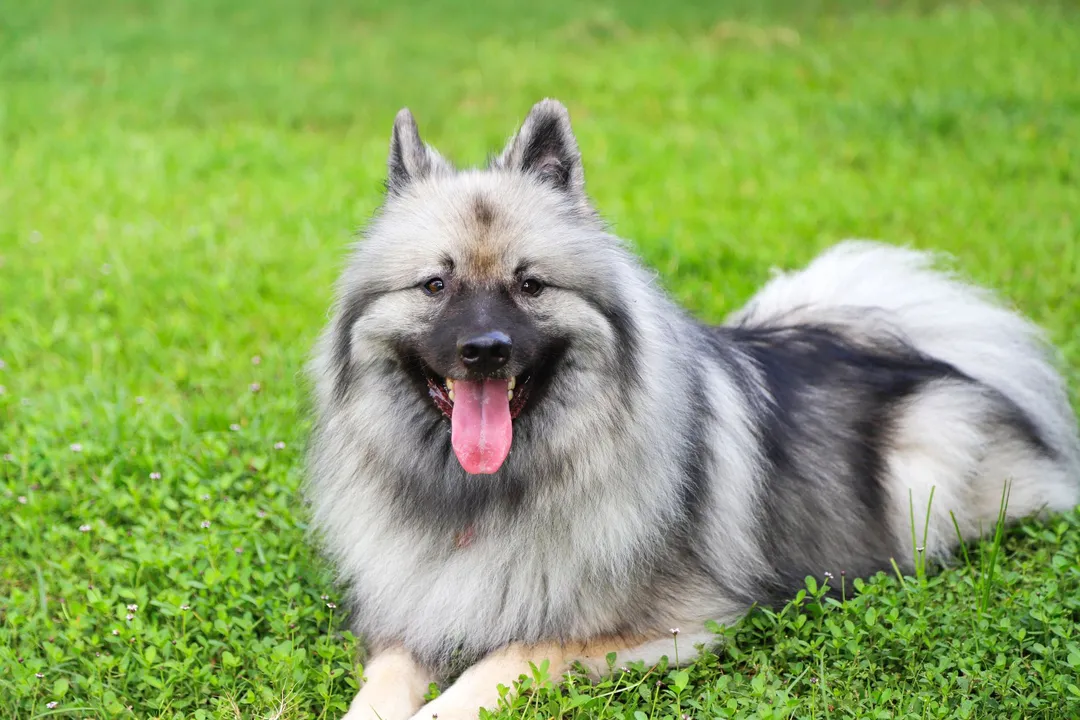
The decision to welcome a Keeshond into an apartment setting is one many potential owners face, given this breed's unique history and famously alert nature. While they possess a moderate energy level, their intelligence and need for connection mean that where they live is less important than how they are managed within that space. Keeshonds were historically bred as alert watchdogs aboard Dutch barges and on Dutch farms, meaning they are inherently wired to be aware of their surroundings and announce any perceived changes. [2][3][7] This inherent trait needs careful consideration when moving them into shared, close-quarters living situations typical of apartment complexes. [1]
# Temperament Profile
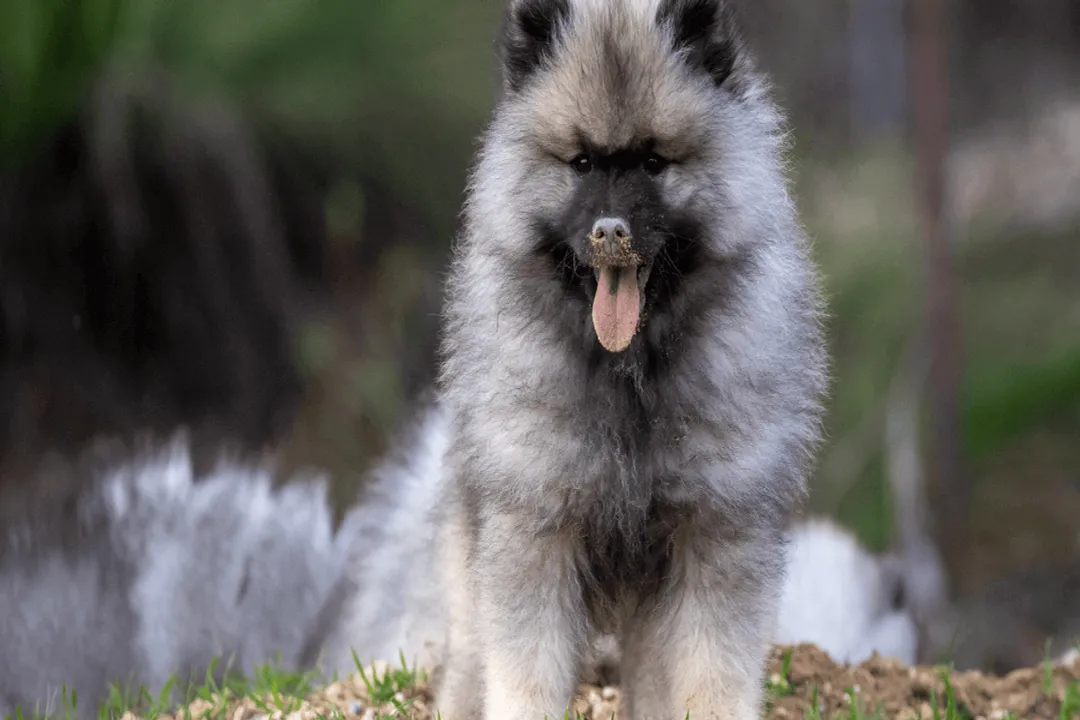
Understanding the Keeshond's core personality is the first step toward determining apartment suitability. These dogs are celebrated for being affectionate, lively, and playful companions. [2][7] They generally form strong bonds with their families and thrive on being included in daily activities. [3] Their intelligence is a significant advantage; they are known to be eager to please, which makes them receptive to training when positive methods are employed. [2][7] They often do quite well with children, which is a positive trait for many households. [2]
However, that watchdog heritage must not be overlooked. Their instinct is to notify you of everything—the mail carrier, a neighbor walking past the door, or a sound from the floor above. [3][7] This natural attentiveness, while charming when managed, can quickly become a source of conflict with close neighbors if not addressed early on. [1] Furthermore, because they crave companionship, Keeshonds are prone to developing separation anxiety if left alone for long periods, which can manifest as destructive behavior or excessive vocalization—a double-edged sword in an apartment setting. [3]
# Space Needs

When people picture a dog needing space, they often think of sprawling backyards. For the Keeshond, the key issue isn't the square footage of the apartment itself, but whether the owner is prepared to compensate for the lack of personal outdoor space. [1][8] A Keeshond is a medium-sized dog, typically weighing between 14 and 18 pounds and standing around 17 to 18 inches tall at the shoulder. [2] While this size is certainly manageable indoors, their dense double coat requires appropriate temperature regulation, meaning they may overheat easily during strenuous summer exercise. [2][9]
The sources suggest that apartment living is entirely doable, provided the owner recognizes the trade-off. [1][8] A small apartment for a Keeshond is fine if the dog is treated as an indoor family member who spends significant structured time outside the unit for exercise and mental engagement. [1] If an owner relies on a small balcony or just indoor play to meet their needs, the dog is very likely to become unhappy and potentially destructive. [1]

# Noise Control
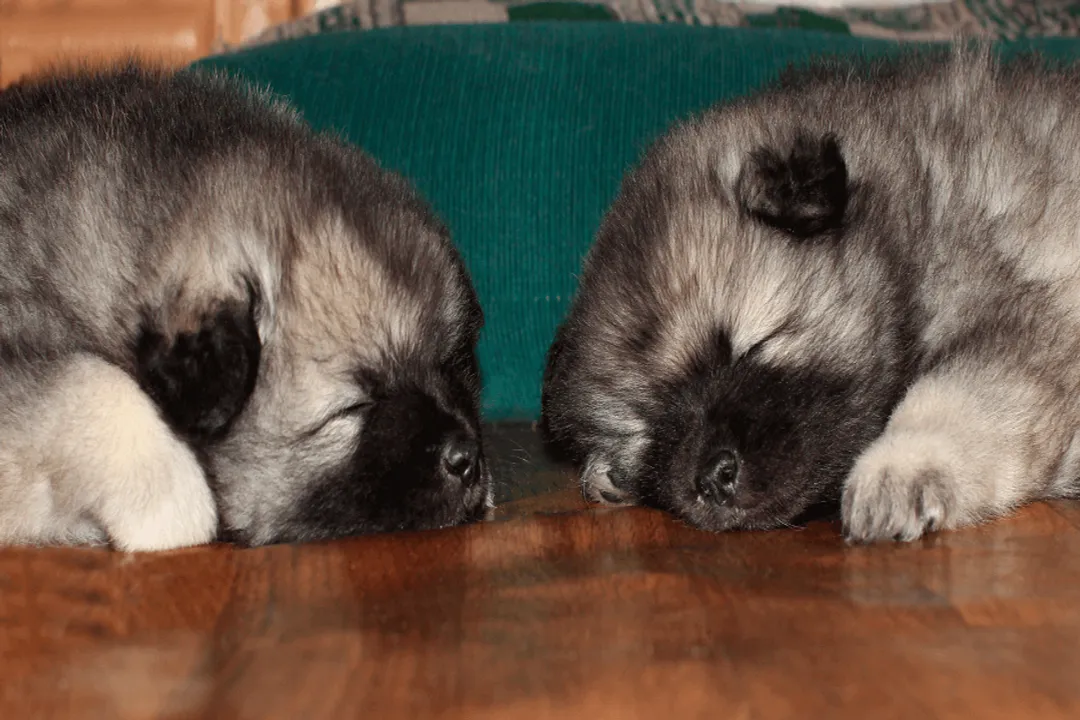
Perhaps the most immediate challenge for apartment living with any watchdog breed is noise management. The Keeshond's propensity to bark is often cited as the main hurdle for residents in multi-unit buildings. [1][3] They bark to alert, and they may bark out of boredom or anxiety if under-stimulated. [7][9]
This means that successful apartment residency hinges on dedicated bark training starting from puppyhood. [1] Owners must teach the dog an "enough" or "quiet" command reliably. [1] If the dog barks only when necessary (a quick alert) and stops when commanded, they are likely acceptable neighbors. If they bark persistently at every passing shadow, they present a significant issue for close neighbors. [1][3] Owners need to be proactive about managing environmental triggers, such as covering windows that allow views of hallway traffic or using white noise machines to mask external sounds that might set the dog off. [1]
# Daily Activity
Keeshonds are generally described as having moderate energy levels, meaning they are not the hyperactive breeds that require hours of running every day, but they certainly need more than a quick lap around the building. [2][9] Consistent daily activity is non-negotiable for this breed's mental and physical well-being. [3][9]
They excel in structured activities that utilize their sharp minds. Breed enthusiasts often find success enrolling them in dog sports like agility, obedience trials, or flyball. [2] Even if formal classes aren't pursued, incorporating puzzle toys, scent work games within the apartment, and dedicated training sessions several times a week addresses their intellectual needs alongside their physical ones. [7] A couple of good, brisk walks daily, combined with some focused playtime, usually satisfies the physical requirement, but the mental exercise must be consistently provided. [3][9]
For instance, a good routine might involve a 30-minute brisk walk in the morning, 15 minutes of dedicated puzzle toy time during the midday lull, and an evening session that includes either fetch in a dog park or a training refresher. [3] If you plan your day around the dog's need for engagement, the physical space becomes less of a limitation. [1]
Here is a sample weekly activity structure where the owner compensates for no yard access:
| Activity Type | Duration/Frequency | Focus Area | Notes |
|---|---|---|---|
| Brisk Walking/Leash Time | 45-60 min daily (split) | Physical Endurance | Must be mentally engaging (e.g., varying routes). |
| Indoor Mental Games | 15-20 min, twice daily | Mental Stimulation | Use food puzzles, snuffle mats, or hide-and-seek games. |
| Structured Training | 10 min, three times daily | Obedience/Recall | Reinforce "quiet" command frequently. |
| Social Interaction | Constant | Bonding/Anxiety Prevention | Keep the dog involved in household activities. |
This approach shows that the time investment is high, even if the space requirement is relatively low. [1]

# Owner Commitment
The success of apartment living with a Keeshond truly boils down to the commitment level of the resident owner. This breed is not well-suited for the person who leaves the dog crated or confined all day while they are at work, expecting the dog to simply "be fine". [3] Their sensitivity means they bore easily, and boredom quickly morphs into problematic behaviors like incessant barking, chewing, or digging. [7]
The commitment required is centered on consistency and interaction. A critical element, which often goes unstated in general breed guides but becomes vital in apartments, is maintaining a predictable schedule. A Keeshond thrives when it knows when its walk is coming, when it will get its focused attention, and when it's quiet time. This predictability reduces anxiety, which in turn reduces nuisance barking. Without this structure, the dog fills the void with self-assigned, often noisy, jobs. [1]
Furthermore, owners must be prepared to advocate for their dog's needs within the apartment community. This includes ensuring neighbors are not unintentionally triggering barking behavior and promptly addressing any issues raised by building management regarding noise levels. [5]
# Coat Care
While not directly related to the living space, the Keeshond’s prominent coat is a constant factor in apartment life. They possess a thick, luxurious double coat that sheds moderately year-round and heavily during seasonal blows. [2][9] Living in a smaller space means that loose hair is more noticeable and more likely to accumulate on furniture and flooring. [2] Regular brushing—ideally several times a week—is necessary to manage shedding and prevent matting, which is a year-round grooming requirement regardless of whether you have a yard or not. [2][9] This regular maintenance is an important part of the commitment to keeping a tidy apartment with a long-coated dog.

# Final Verdict
Ultimately, placing a Keeshond in an apartment is entirely feasible for the right person. They are not natural couch potatoes, but their exercise needs can be met through daily structured outings rather than relying on self-directed yard time. [2][9] The true requirement is not square footage, but owner availability and behavior management. [1][8]
Apartment living with this breed means accepting a trade-off: you save on the upkeep of a large yard, but you must invest that saved time into intensive mental stimulation and proactive noise management. [1] If you are someone who enjoys daily walks, can dedicate time to training sessions, and is prepared to address their watchdog instincts head-on, the devoted and spirited Keeshond can certainly become a wonderful, well-adjusted apartment companion. [3][7] If, however, your schedule involves very long hours away from home with no recourse for mid-day relief or stimulation, this sensitive, alert breed might fare better with more dedicated space and immediate yard access. [3]
Related Questions
#Citations
Apartment living doable? : r/Keeshond - Reddit
Keeshond - Dog Breeds - Embrace Pet Insurance
Keeshond: Dog Breed Characteristics & Care - The Spruce Pets
About Keeshonds - Montana Mountain Elkhound
Keeshond owners, do you have any words of advice for potential ...
The Ultimate Guide to Keeshond - EachPaw
Understanding Keeshond Temperament: What Makes This Breed ...
Are Keeshonden good apartment dogs? - Adopt a Pet
Keeshond | Dog Breed Facts and Information - Wag! Dog Walking