Where do cormorants live in the world?
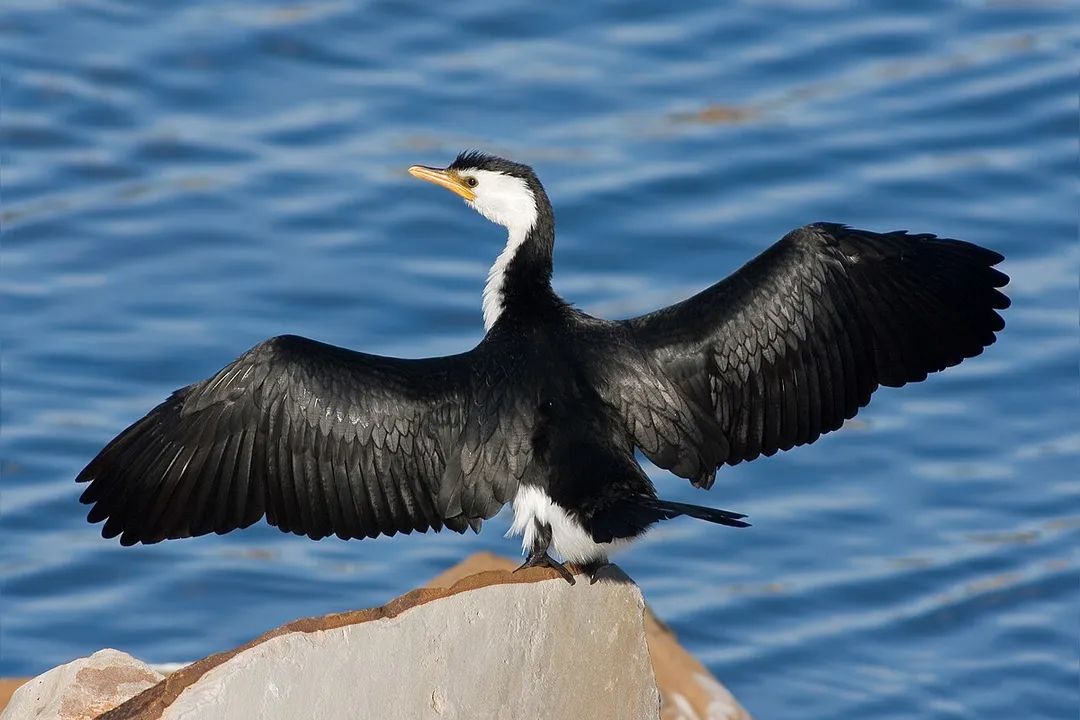
The cormorant family, which encompasses roughly 40 species also known in some contexts as shags, represents a group of medium-to-large aquatic birds found across diverse environments globally. These birds are recognizable by their slender, long necks, hooked bills, and a unique relationship with water that demands regular sun-drying time. Although they are renowned for their diving prowess—some species reaching depths of 150 feet or more—their distribution is vast, covering coastal areas in nearly every country around the world. The sole region largely excluded from their global range appears to be the central Pacific islands. The very name "cormorant" is thought to be a contraction of the Latin term for "sea raven" ().
# Worldwide Presence
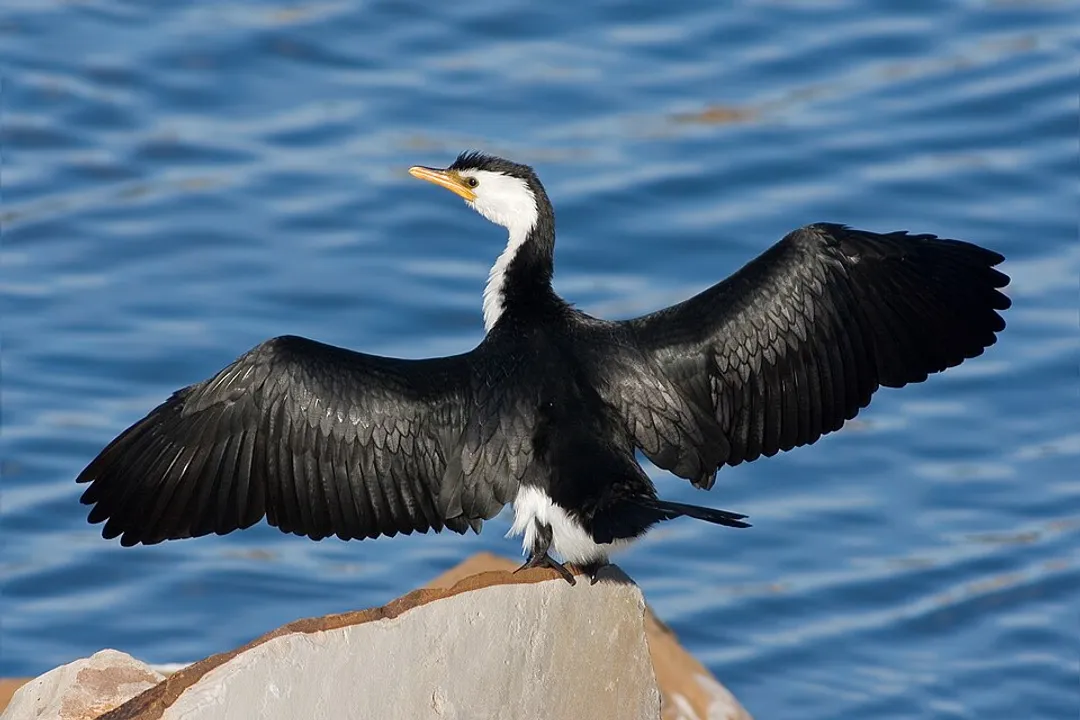
The vast distribution of cormorants suggests a long and successful evolutionary history, with some evidence suggesting the original ancestor might have been a freshwater bird originating in South Asia before spreading across the Eurasian landmass and beyond. Today, this family () is divided into seven genera, illustrating how different lineages have adapted to various ecological niches, from strictly maritime environments to those dominated by inland waters.
While the family covers the globe, specific species dominate particular latitudes. For instance, in the temperate waters of the Northern Hemisphere, the plumage is often predominantly dark. Contrast this with many Southern Hemisphere species, which frequently sport striking black-and-white patterning. A key finding in understanding their distribution is that while they are commonly associated with the sea, many species successfully colonize inland waters, such as lakes, rivers, and reservoirs.
# Habitat Needs
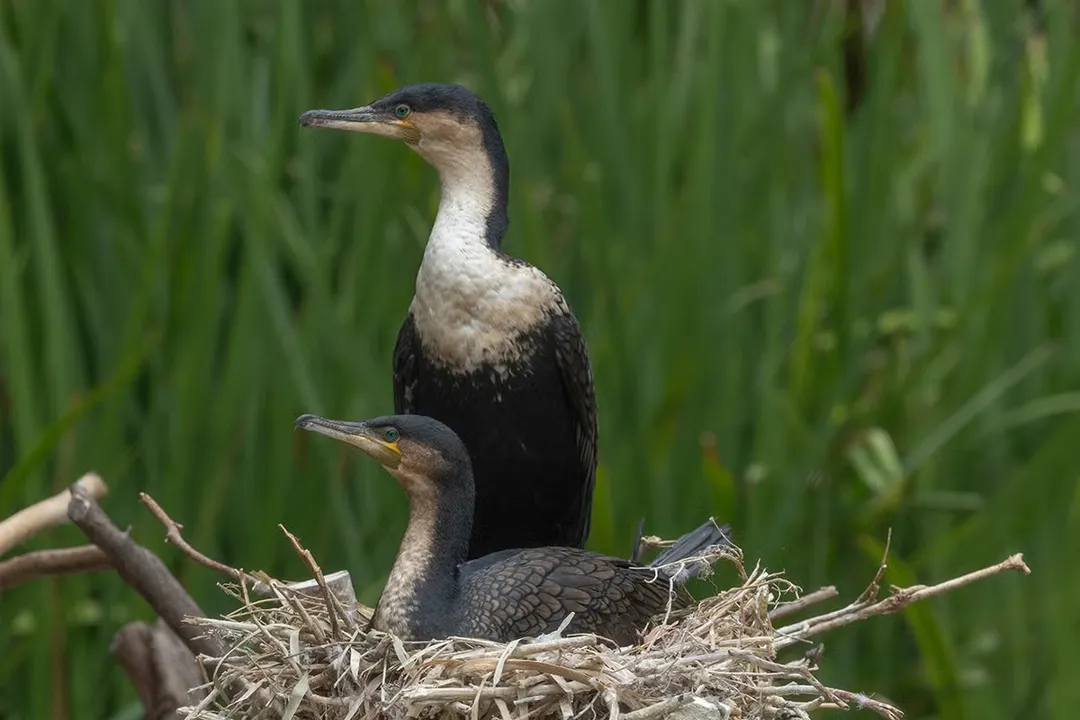
Regardless of the specific latitude or species, the environmental requirements for cormorants boil down to two non-negotiable elements: access to suitable aquatic foraging grounds and appropriate structures for resting and drying. As fish eaters, they must live near waters rich enough to sustain them, whether that is the open ocean, coastal estuaries, or large freshwater lakes.
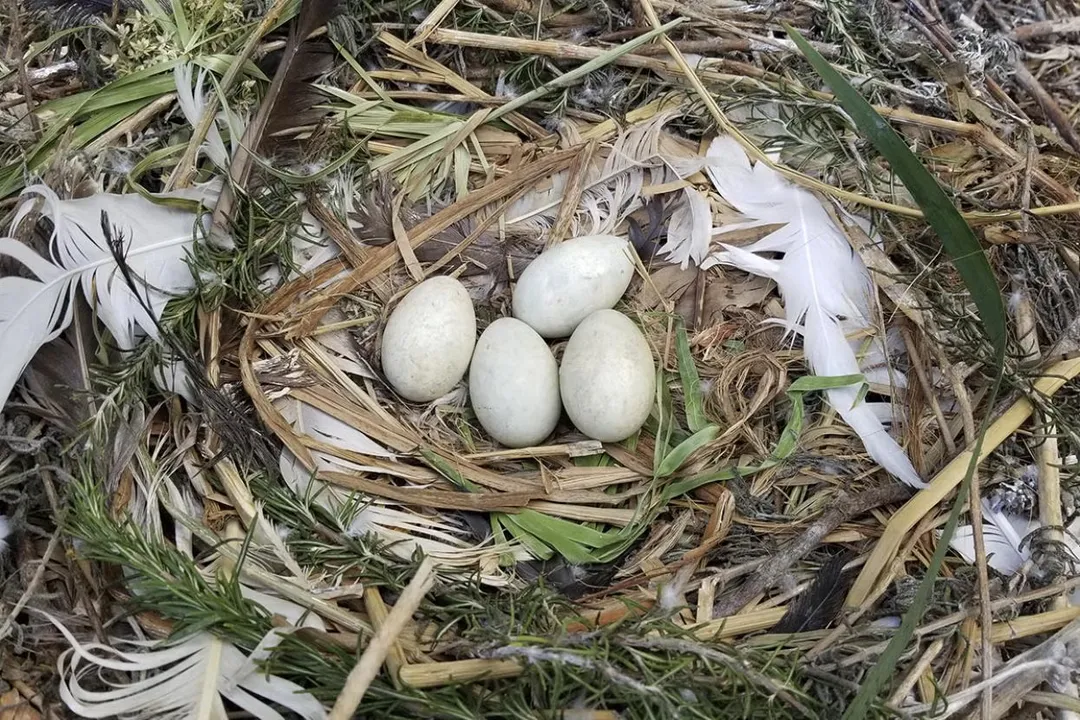
Once they leave the water after diving to secure their meal, they must come ashore to manage their feathers. Cormorants have unique preen gland secretions, and their plumage is adapted in a way that may absorb water, helping them become less buoyant for better underwater agility. This adaptation necessitates frequent wing-spreading in the sun to dry out—a signature pose readily observed on piers, rocks, or dead tree branches. Nesting sites are just as specific, favoring colonies situated on cliffs, rocky islets, or in trees and shrubs, often located near their feeding areas.
# North American Center
The Double-crested Cormorant () stands out as the most widely distributed and common cormorant species within North America, illustrating a remarkable adaptability to inland systems. Its range extends broadly across the continent, spanning from Alaska down through Mexico, and covering the entire lower 48 United States.
While some populations remain resident along the Pacific Coast, in Florida, or in coastal Mexico, many others engage in migration. Inland populations, particularly those in the northern Atlantic Coast and continental interior, often migrate south to the warmer U.S. states for the winter. The core of their abundance in North America is concentrated around the Great Lakes and the numerous lakes found in the Canadian prairie provinces. This ability to thrive far from the ocean, utilizing large freshwater bodies, is a defining characteristic of this particular species. The significant rebound of the Double-crested Cormorant population since the 1960s and 70s, following restrictions on pollutants like DDT, has made them a prolific colonial nester in many harbors and waterways, including New York City. The presence of huge flocks congregating at fish hatcheries highlights their strong dependence on easily accessible fish stocks, whether wild or stocked.
It is fascinating to note the difference in lifestyle this suggests across the family; while the Double-crested Cormorant has successfully colonized the vast freshwater reservoirs of the interior, other lineages appear to stick closer to marine environments. For example, the Leucocarbo genus, which contains many of the shags, seems heavily concentrated in subantarctic and oceanic islands. This inland adaptability observed in the DCC’s success story across the Great Lakes and prairies suggests that the availability of stable, large freshwater systems, rather than just coastlines, is a key factor for cormorant population expansion in certain continents.
# Polar Coasts
When moving to the extreme south, the distribution narrows considerably. In the Antarctic region, only one cormorant species is known to reside: the Antarctic shag (). This bird is generally black and is specifically identified by a characteristic patch of yellow skin on its forehead, which develops with maturity. Its habitat is anchored to the Antarctic Peninsula, Elephant Island, and the South Shetland Islands. Because this species is non-migratory, its colonies generally only shift to locate unfrozen waters for feeding, making their location highly dependent on local ice conditions.
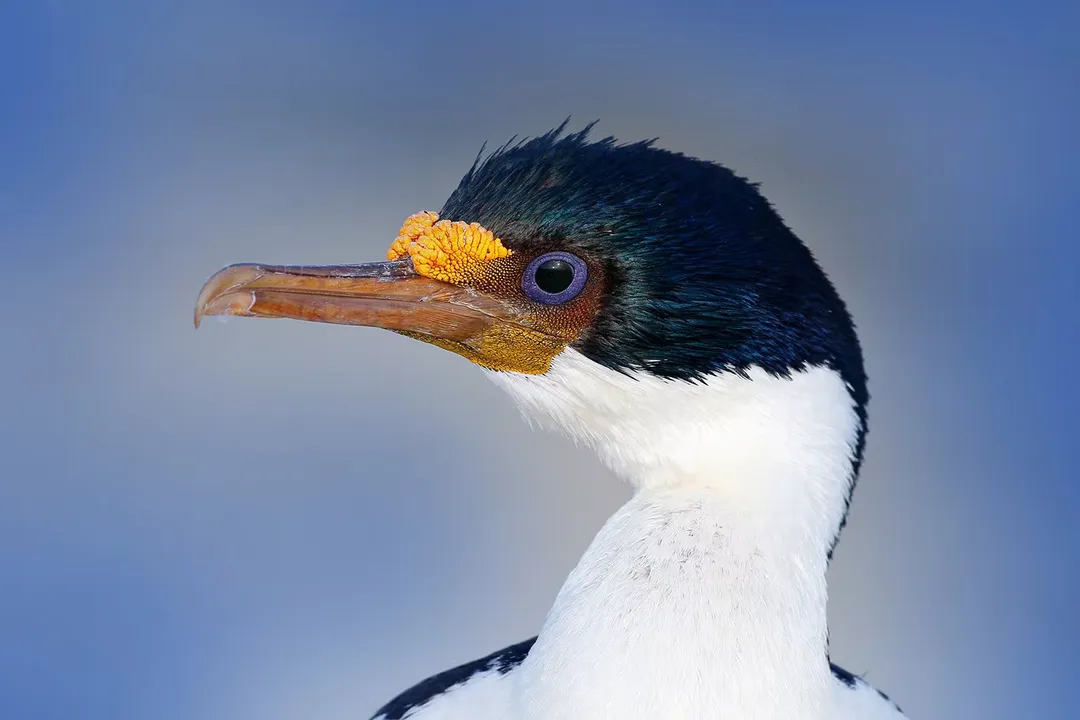
Further north along the South American continent, one can encounter the Imperial shag, also sometimes called the blue-eyed shag (), which favors the rocky coasts. This bird is visually distinctive due to a ring of bright blue skin around its eyes. Other species are present in these southern latitudes as well, such as the Red-legged cormorant (), which occupies subtropical to subantarctic zones along the Pacific coast of South America and extends slightly into the southwestern Atlantic.
# Eurasian and African Outposts
The global picture is rounded out by mentions of species in the Old World, often linked to historical human activities. The Great Cormorant () is significant across Eurasia and extends into Atlantic North America. It is one of the two species most commonly found in Great Britain and Ireland. This species, or related forms, has been traditionally employed by fishermen in China, suggesting a history of association with large river systems there. Similarly, the Japanese cormorant () is the specific species used in the ukai fishing traditions of Japan.
In Southern Africa, the White-breasted Cormorant ( complex, depending on classification) resides along the coasts of South Africa and Namibia. These birds demonstrate how habitat niches can be shared even by different bird types; while African penguins hunt pelagically in the open ocean, these cormorants tend to focus their feeding closer to the shore or bottom. In Europe, the European shag () breeds in the Arctic regions and winters further south in Europe and North Africa.
The diverse geographical spread, from the frigid Antarctic Peninsula to the inland waters of North America and the coasts of East Asia, underscores that the cormorants’ shared morphology—the diving adaptation and specialized plumage—allows them to exploit aquatic food resources across almost every major terrestrial environment. The fact that historical traditions like cormorant fishing in China and Japan were tied to specific species ( and ) indicates a long, deep connection between certain bird populations and the productive riverine ecologies where they were conveniently located for human interaction.
# Diversity by Genus
The current scientific consensus recognizes seven genera within the family, which helps organize this massive global spread by evolutionary grouping and habitat preference.
| Genus | Representative Habitat / Scope | Key Feature |
|---|---|---|
| Around Indian Ocean, extending into Central Asia/Europe; mostly freshwater | Small size, generally nondescript dark coloration | |
| Subtropical to subantarctic Pacific South America | Mid-sized, grey with contrasting neck marks | |
| Northern Pacific | Generally black with metallic sheen; bright facial skin in breeding plumage | |
| Indian Ocean, Eurasia, Atlantic North America | Highly variable size; often has yellow bare skin at bill base | |
| European Arctic to North Africa | Glossy black with a forehead crest | |
| Throughout the Americas | Mostly freshwater; includes the Double-crested Cormorant | |
| Generally Subantarctic, island endemics | Typically black above and white below; often has blue or red facial skin |
This taxonomic structure reveals that while the genus dominates the Americas, often favoring fresh water, the group specializes in the colder, often island-heavy regions of the Southern Ocean. The successful range expansion into varied habitats, from icy Antarctic coasts to interior North American reservoirs, highlights the high ecological plasticity of the family, provided the basic requirement of fish and a good drying perch is met.
Related Questions
#Citations
Cormorant
What is a double-crested cormorant?
Wildlife Guide: Cormorant Facts
Double-crested Cormorant Range Map
The Double-crested Cormorant
By Air and Sea
Meet the Double-crested Cormorant