Where did the Harris Hawk come from?
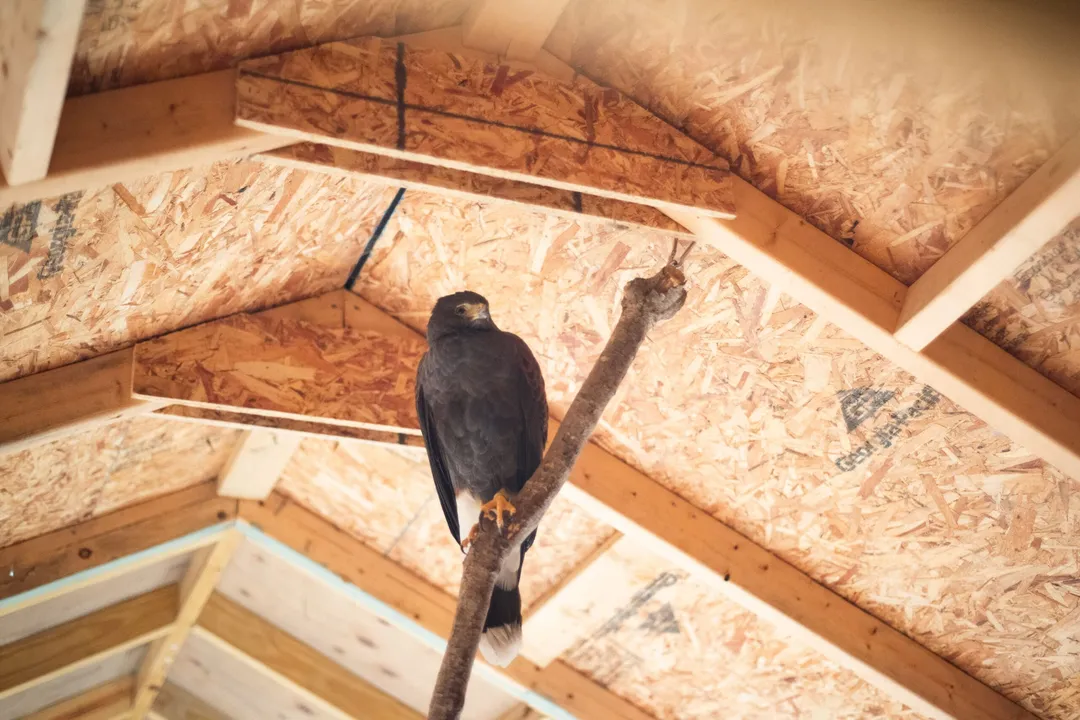
The Harris's Hawk presents a fascinating case study in raptor distribution, occupying a wide swath of the Americas that stretches from the deserts of the United States down into the savannas of South America. Understanding where this bird "came from" involves mapping its established range across two continents and recognizing the specific, often arid, environments it favors. It is not a species confined to a single small region but rather one that has successfully colonized a vast territory defined by its ecological needs.
# Continental Spread
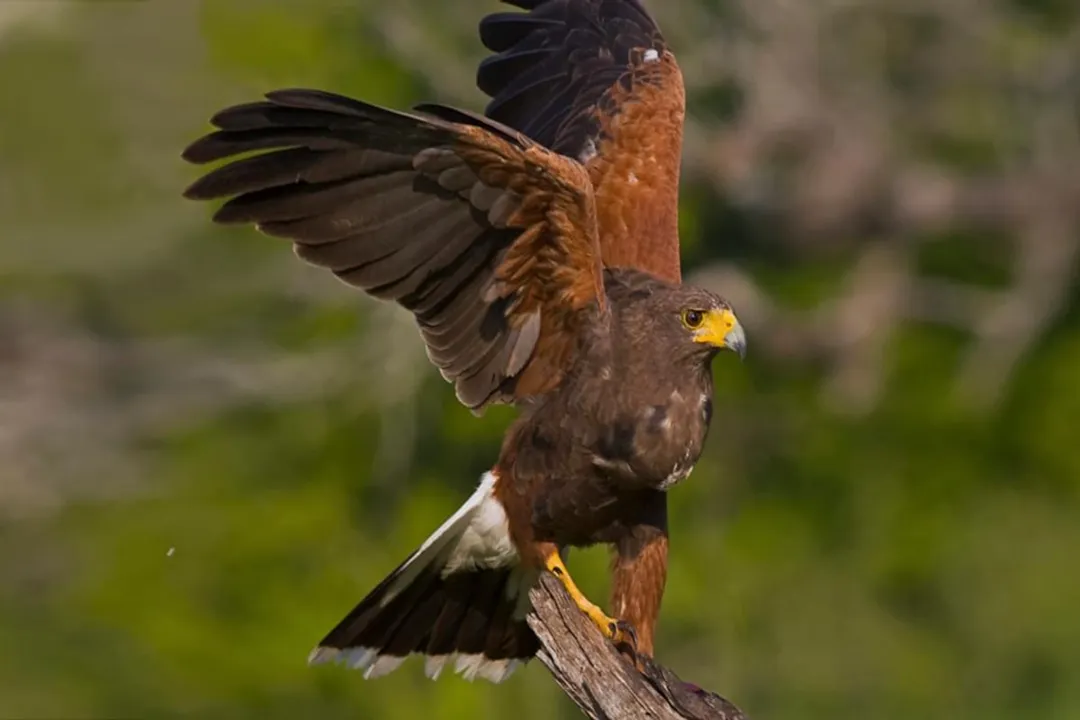
The northernmost boundaries of the Harris's Hawk territory are rooted firmly in the southwestern United States. Specifically, populations are established in states like Arizona, New Mexico, and Texas, setting the stage for its southward migration across North America. From there, the hawk’s range extends continuously through Mexico and onward into Central America.
Comparing the geographic descriptions across different ornithological guides reveals a high degree of agreement regarding this expansive spread. All sources concur that the range encompasses the southwestern US, Mexico, and Central America. The southern terminus, however, is described with slightly varying precision. Some accounts place the edge of its distribution in northern South America, specifically noting Venezuela and northern Colombia as the southern limits. Other observations consolidate this further, simply noting its presence in northern South America or the broader area of northwestern South America. This consistency in tracing the hawk from the high deserts north to the tropical-adjacent zones south confirms its status as a truly pan-American raptor.
# Arid Habitats
The unifying factor across this vast geographic separation is the type of landscape the Harris's Hawk selects for its home. It is strongly associated with dry, open, or semi-open country. This preference steers them toward arid and semi-arid regions.
Specific habitats frequently mentioned include deserts, scrublands, and grasslands. They thrive where the vegetation is scattered enough to allow for long sightlines and easy access to the ground for hunting, often favoring environments characterized by brushy desert or savanna settings. This habitat specificity suggests that while the climate varies from desert heat to the more temperate zones of Central America, the structural component—openness with low cover—remains non-negotiable for their life history. The reliance on these scrub and desert environments strongly influences their survival strategy. The openness of these terrains is not incidental; it is a prerequisite for their unique hunting structure. A hawk relying on cooperative strategies, where multiple birds work together to flush and corner prey, requires open sightlines to coordinate maneuvers effectively across a landscape. If the scrub were too dense, these complex social tactics, which are key to their success in these drier regions, would be impossible to execute.
# US Presence
When focusing solely on the United States, the Harris's Hawk is intrinsically linked to the American Southwest. Its presence here signifies a species adapted to harsh, dry conditions characterized by sparse vegetation and high temperatures. While raptors like the Red-tailed Hawk are widespread across the continent, the Harris's Hawk maintains a much more restricted, southwestern signature within the US border. This northern outpost represents the edge of its geographical capacity, successfully utilizing the unique ecological niches provided by that region’s deserts and dry grasslands.
# Social Hunting
While not strictly an origin location, the behavior that defines the species is inseparable from its success in reaching and maintaining its wide distribution. The Harris's Hawk is perhaps most famous for its cooperative hunting. Unlike many birds of prey that hunt solitarily, Harris's Hawks often hunt in small family groups, sometimes involving parents and offspring still living together. This coordinated effort involves one or more hawks flushing prey—such as lizards, insects, or small mammals—while others wait nearby to intercept the fleeing animals. This ability to organize complex group behaviors likely contributes significantly to their foraging efficiency, especially in environments where prey might be sparse or hidden. This sociality is a key component of their biological niche, distinguishing them from many of their North American raptor relatives.
# Raptor Training
An interesting dimension to the Harris's Hawk's presence in human consciousness, though separate from its wild origin, is its history in falconry. Due to their intelligence and the fact that they can be trained to hunt cooperatively with humans—mirroring their natural social structure—they have become highly valued in the practice of raptor training. This popularity means that while their native range is geographically specific, the bird is now commonly bred, housed, and flown by licensed individuals across North America and elsewhere, increasing its visibility far beyond the arid landscapes where it naturally occurs.
If you are observing a Harris's Hawk outside the American Southwest, Mexico, or Central/South America, it is highly probable you are seeing a bird associated with falconry or captive breeding programs. This distinction between native range and human-mediated distribution is important for accurate identification and conservation understanding. Because these birds are so successful in cooperative settings, even adapting their natural social structure to a human partner, their genetic fitness and behavioral flexibility suggest a high degree of environmental adaptability overall. This adaptability within a controlled setting hints that localized threats, such as habitat fragmentation in their native scrublands, might be countered somewhat by their inherent capacity to adjust to new prey bases or social arrangements, provided key resources like water are available. However, this captive success should not obscure the fact that their wild origins are strictly tied to those specific arid and semi-arid ecosystems.
Related Questions
#Citations
Harris's hawk - Wikipedia
Harris's Hawk Life History, All About Birds, Cornell Lab of Ornithology
Harris's Hawk at the Arizona-Sonora Desert Museum
Harris's Hawk | Audubon Field Guide
Harris's Hawk | Bird Gallery - Houston Audubon Society
Harris Hawk - Canadian Raptor Conservancy
Background on Harris' hawks
Hawkmoth - Zoo Atlanta
Harris Hawk | Virginia Living Museum