Are there tree frogs in MO?
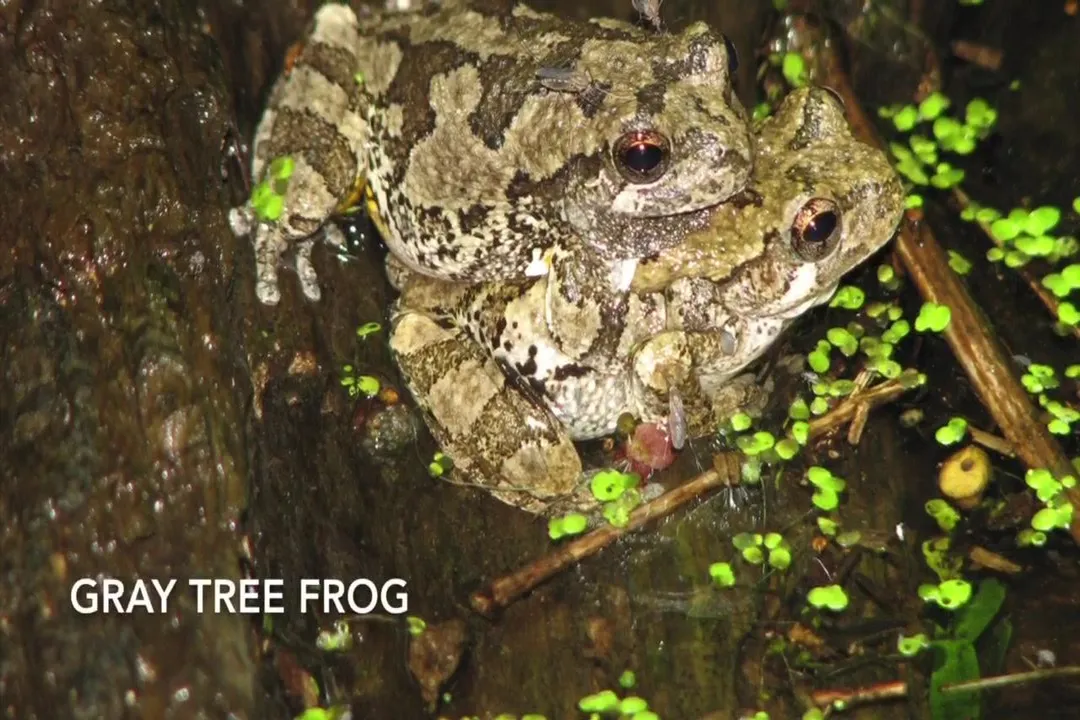
Missouri is certainly a place where you can find tree frogs hopping about, and you might be surprised by the variety residing in the Show-Me State. While many people imagine a single, bright green frog clinging to a leaf, the reality involves several distinct species, each with its own unique characteristics, sounds, and camouflage skills. If you are out near a pond, marsh, or even just in your backyard after a good rain, you might cross paths with some of these talented amphibians.
# State Frog Diversity
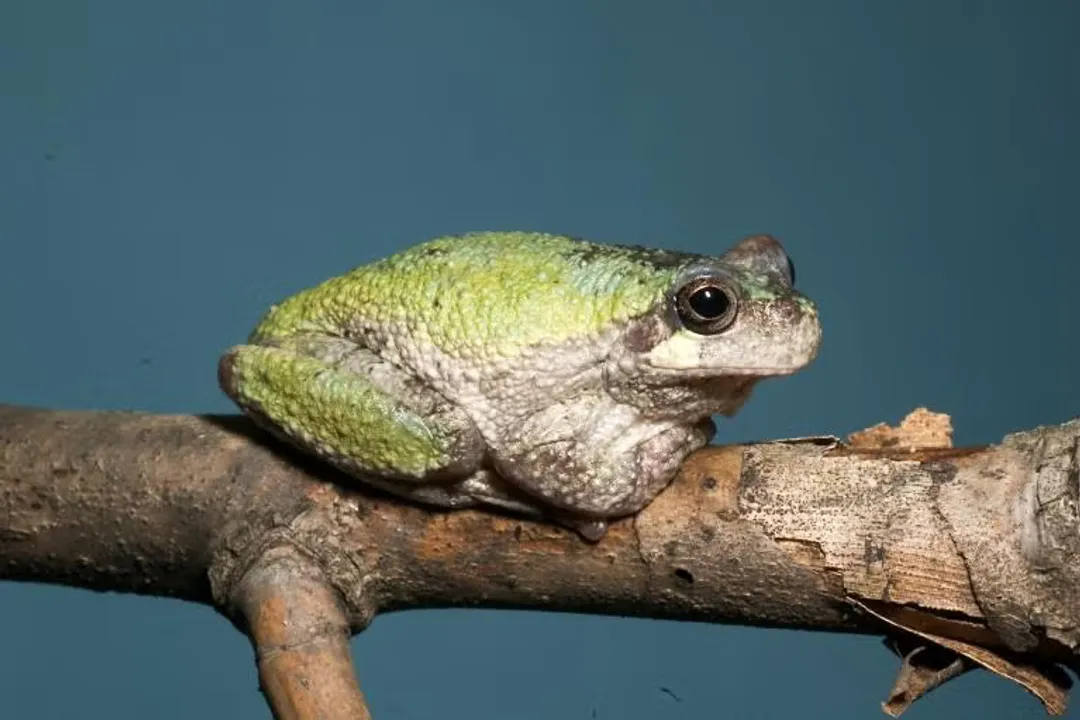
It is an established fact that Missouri hosts a decent selection of frogs, making it an interesting location for enthusiasts and casual observers alike. Among the recognized residents are species that truly embody the name "tree frog," meaning they possess adaptations allowing them to climb vertical surfaces, such as sticky toe pads. While many people know of the Green Treefrog, another very common and often confused resident is the Gray Treefrog complex, which requires a closer look to distinguish.
# Gray Treefrog Identity

When discussing tree frogs in Missouri, one must pay close attention to the Hyla versicolor complex, often represented by Cope's Gray Treefrog (Hyla chrysoscelis) in the state. These frogs are masters of disguise, capable of changing their skin color rapidly to blend in with their surroundings, shifting between shades of gray, brown, or green. This camouflage is not just for show; it is a vital survival mechanism against predators. An observer might find one looking dusty gray against tree bark one moment, and the next, it might appear slightly greenish against a damp, mossy patch. They are relatively large for a tree frog, usually measuring between and $2$ inches in length. A key physical feature, shared by many tree frogs, includes those specialized sticky toe pads which give them their climbing prowess, letting them scale walls or high branches.
It is important to note the subtle, yet significant, distinction within the gray treefrog group. While one source focuses on Cope's Gray Treefrog (Hyla chrysoscelis) as the resident species, herpetological texts often discuss it alongside the nearly identical Hyla versicolor (the Eastern Gray Treefrog). The primary differentiator between Cope's and the Eastern species is vocal—a difference in call frequency—rather than visual, which makes field identification based on sight alone challenging for the untrained eye.
# Green Treefrog Traits
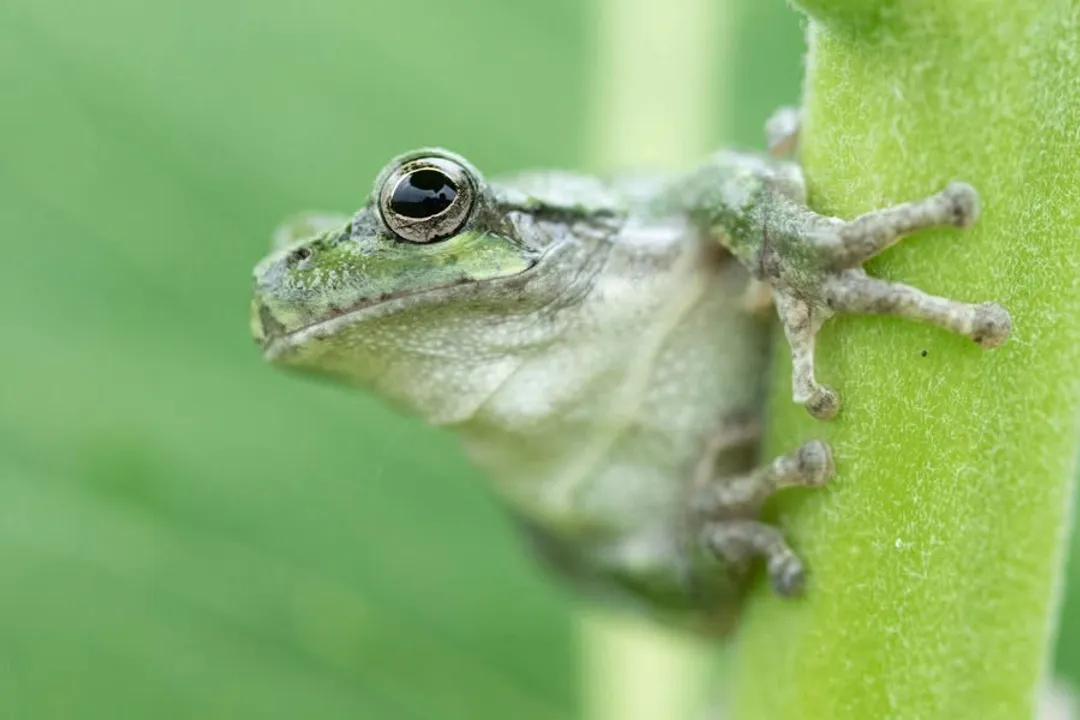
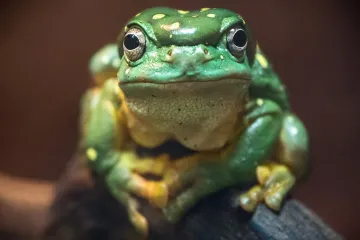
The other major contender for the "tree frog" title in Missouri is the Green Treefrog (Hyla cinerea). Unlike their gray cousins, Green Treefrogs are less flexible in their coloring. While they can sometimes appear dull or slightly darker, their dominant colors are typically bright green or olive green. They usually sport a distinct pale or white line that runs along their sides, stretching from their upper jaw down to their groin, a useful field mark when trying to separate them from a greenish-hued Gray Treefrog.
These frogs are generally smaller than the Gray Treefrogs, typically measuring between and $2$ inches, though the maximum size is similar to the Gray species, their body shape tends to be more slender. Like the Gray Treefrog, the Green Treefrog also possesses those characteristic adhesive toe pads necessary for navigating vegetation.
# Spotting Differences
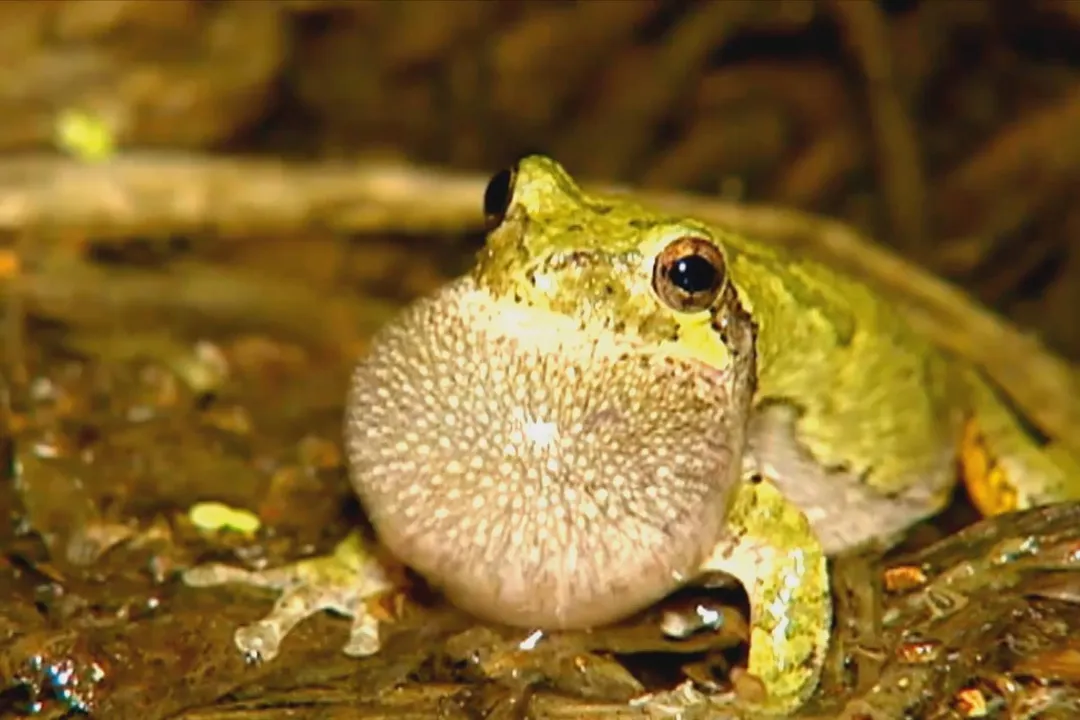
Telling these amphibians apart when they are both present requires careful observation, particularly focusing on where you find them and what sounds they are making. If you see a frog that is perfectly matched to rough bark or lichen, it is very likely one of the Gray Treefrogs. If the frog is conspicuously bright green and has that distinct pale stripe running down its side, you have almost certainly found a Green Treefrog.
A practical tip for backyard observers involves timing: Green Treefrogs are often found in the low vegetation near water, whereas Gray Treefrogs are more likely to be discovered on tree trunks, siding, or even window screens, especially on humid nights when they move away from the immediate water's edge to hunt.
Here is a quick side-by-side comparison based on the primary field guide information:
| Feature | Cope's Gray Treefrog (Hyla chrysoscelis) | Green Treefrog (Hyla cinerea) |
|---|---|---|
| Dominant Color | Highly variable (Gray, Brown, Green) | Typically Bright Green or Olive |
| Side Stripe | Absent or indistinct | Distinct pale/white stripe from jaw to groin |
| Size | to 2 inches | to 2 inches |
| Color Change | Excellent, rapid change | Limited change; tends to stay green/olive |
| Vocalization | Rapid, harsh, insect-like trill (The true distinguishing factor for identification) | Slow, deliberate, nasal reee-eep calls |
The crucial insight here for any citizen scientist is that hearing them is often more reliable than seeing them, especially for the Gray Treefrog complex. Because Cope's Gray Treefrog and the Eastern Gray Treefrog look almost identical, separating them in the field relies entirely on the pitch of their calls—Cope's has a higher frequency call. If you hear a series of loud, raspy trills coming from a tree, you are likely hearing Hyla chrysoscelis singing its song in Missouri.
# Where They Live
Tree frogs, as their name implies, favor environments that offer vertical structure. In Missouri, you can expect to find them near permanent water sources such as ponds, marshes, swamps, and ditches, as this is where they breed.
However, their time is split between the aquatic breeding grounds and terrestrial, arboreal habitats. Gray Treefrogs are commonly found on the trunks of trees or even clinging to vertical surfaces like garage doors or siding near lights that attract insects. Green Treefrogs also climb, but they tend to stick closer to low, dense vegetation surrounding water bodies. If you are searching for them, look in areas with plenty of tall grass, shrubs, or woody cover near water during the warmer months.
This habitat overlap means that a well-established backyard pond surrounded by native shrubs or trees could easily host both species simultaneously, offering a great opportunity to compare their camouflage skills after sunset. Remember, these tiny acrobats need moisture to keep their skin healthy, so they are most active on humid nights or after rainfall.
#Videos
Gray Treefrog - YouTube
Gray Treefrogs - AskMDC - YouTube
Related Questions
#Citations
Gray Treefrog and Cope's Gray Treefrog | Missouri Department of ...
GRAY TREEFROGS – “Sticky” toe pads allow these frogs to climb ...
Gray Treefrog - YouTube
Gray treefrog - Wikipedia
I am pretty sure it's a tree frog (Missouri) But I had to share this picture