Where are black aphids found?
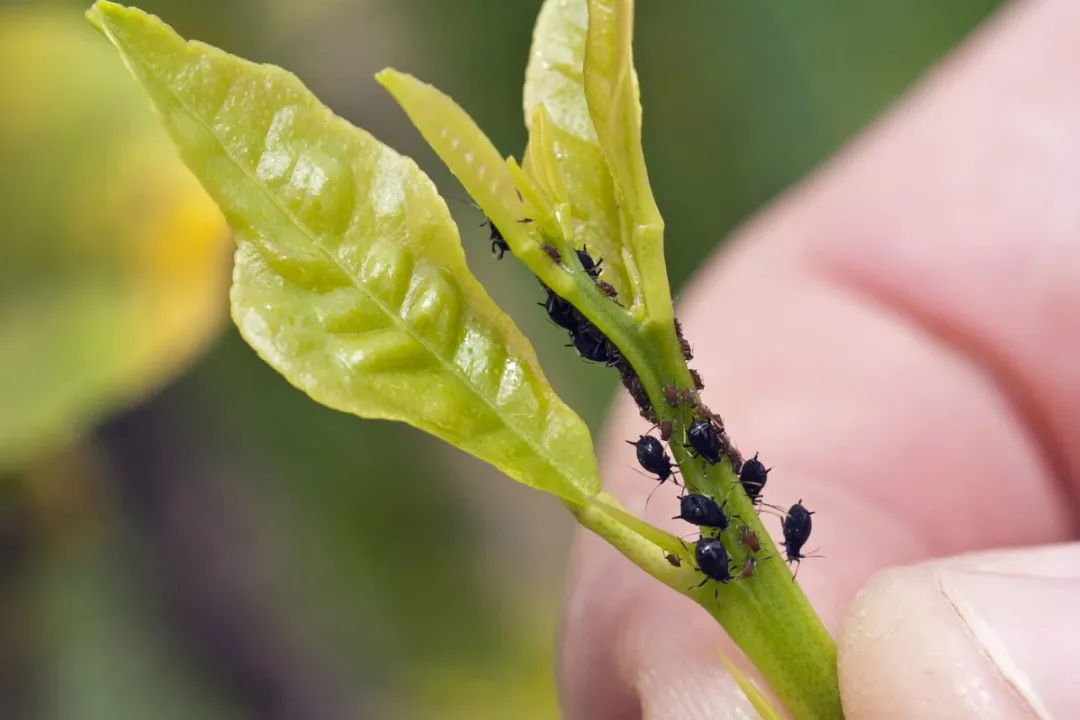
Black aphids, often identified specifically as the black bean aphid (Aphis fabae), are among the most frequently encountered pests in gardens and agricultural settings worldwide. Their presence is not limited to a single location or plant type; rather, their "where" depends entirely on the time of year and their current stage in a fascinating, often two-part life cycle. To understand where you find them, you must first understand their seasonal migration habits.
# Winter Nests
During the colder months, black aphids are typically not present as active, feeding insects in most temperate climates. Instead, their survival hinges on small, overwintering eggs laid on specific primary host plants. These woody shrubs act as the foundational location for the next season’s population explosion.
The key primary hosts identified for Aphis fabae include species from the Viburnum genus, making Viburnum bean aphids another common name for this pest. Additionally, plants like Spiraea and Lonicera (honeysuckle) serve as these critical overwintering sites. The eggs, which are resistant to frost, are strategically deposited on the bark or twigs of these woody plants. Therefore, if you are trying to determine where a large infestation originates in the spring, checking these specific shrubs for tiny, dark eggs just as the buds begin to swell offers an excellent clue to the next season’s hot spots.
It is worth noting that while the species is called the black bean aphid, its survival through winter is tied to these non-food (from a human harvesting perspective) woody plants, which often escape the intense scrutiny applied to edible crops. A gardener focused only on their beans in autumn might miss the threat developing unseen on the Viburnum hedge nearby. This reliance on specific woody plants for sexual reproduction and egg-laying is a crucial distinction between the aphid's year-round residence and its summer feeding grounds.
# Summer Feeding
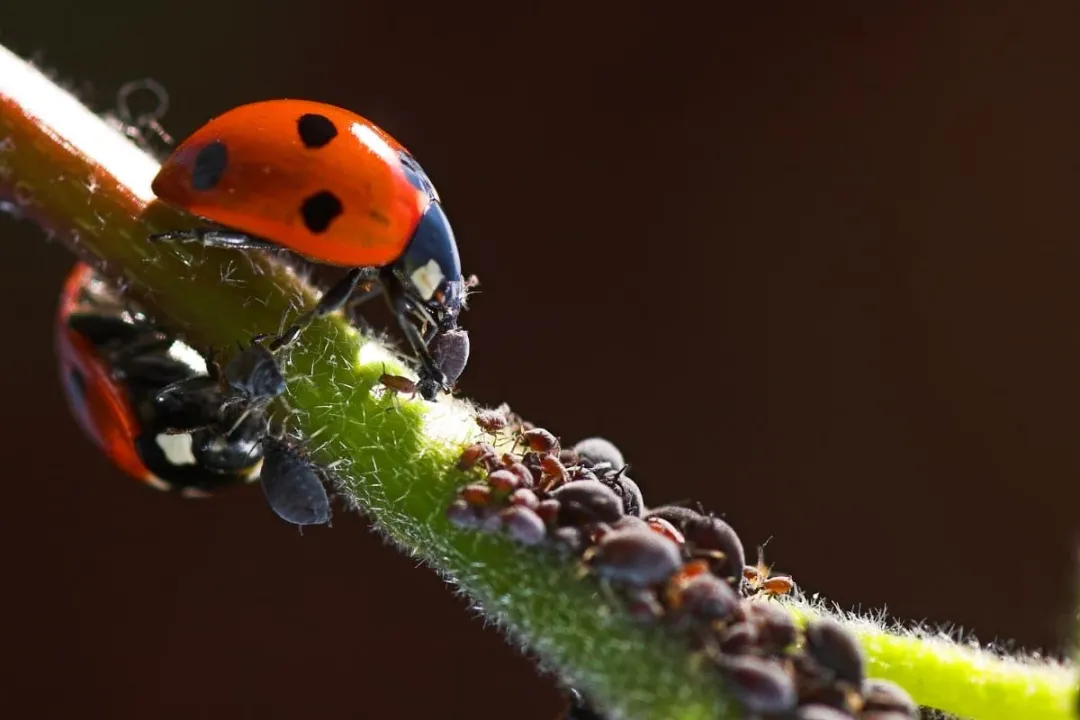
Once spring warms up and the eggs hatch, the newly emerged aphids, which are often wingless females, begin to feed on the primary host. Soon after, this first generation produces live young asexually, a process called parthenogenesis, leading to rapid population growth. When crowding occurs or resources become scarce on the initial woody plant, a winged generation develops. These winged forms are the primary agents of dispersal, migrating to a wide variety of secondary host plants to feed and reproduce asexually throughout the summer months.
This shift results in black aphids being found across an astonishingly broad landscape of vegetation. The black bean aphid is known to infest more than 200 different species of plants. This generalist feeding habit means they can turn up virtually anywhere soft, green tissue is available.
The locations generally fall into a few major categories:
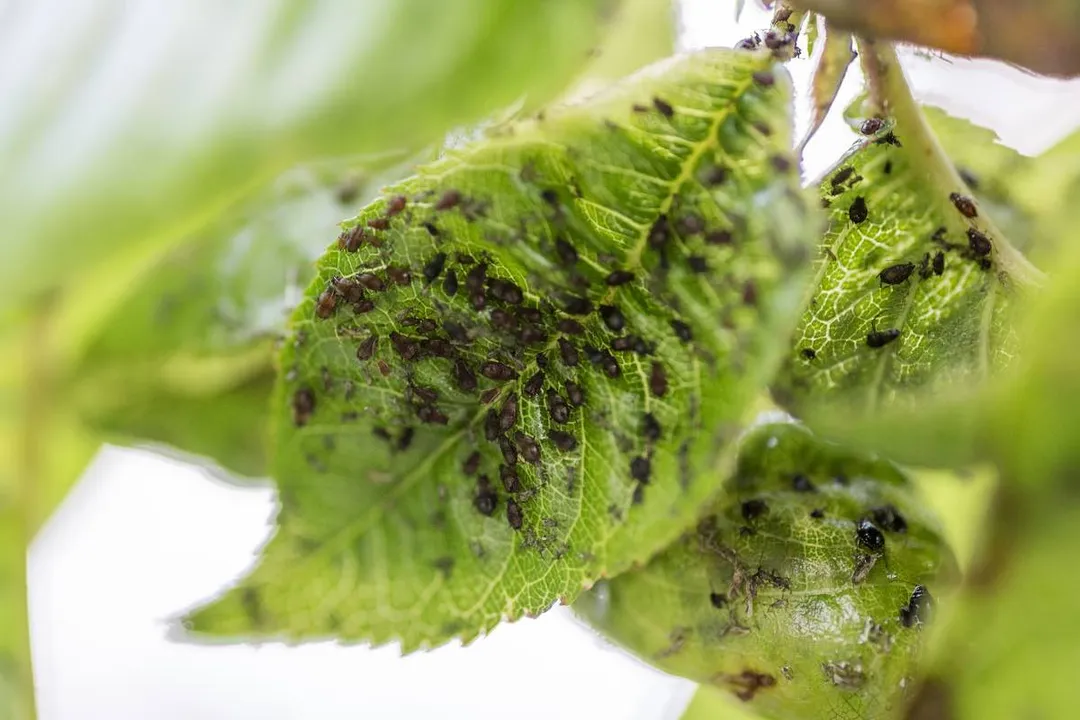
- Vegetables: This is where their common name originates. They are frequently found on broad beans, runner beans, peas, potatoes, and celery. If you are growing these crops, the underside of leaves and the growing tips are prime spots for finding clusters of black aphids.
- Ornamentals and Flowers: Many popular garden flowers are susceptible. You can commonly locate them clustered on roses, dahlias, and cosmos. They often congregate in sheltered areas, such as beneath leaves or tucked deep within flower heads.
- Weeds: Even unwanted plants are not safe from their appetite. Black aphids will happily feed on various weeds, which can serve as important reservoirs for the pest population throughout the summer, allowing them to re-infest garden crops nearby.
If you are gardening in an area like the Pacific Northwest, for instance, you might see heavy infestations popping up simultaneously on summer squash and established rose bushes in mid-June, reflecting the successful spring migration from their overwintering sites. The sheer variety means that if you see a dense, dark cluster of sap-sucking insects on a succulent new shoot, checking for the characteristic black color is often the first step in identification.
# Migration Patterns
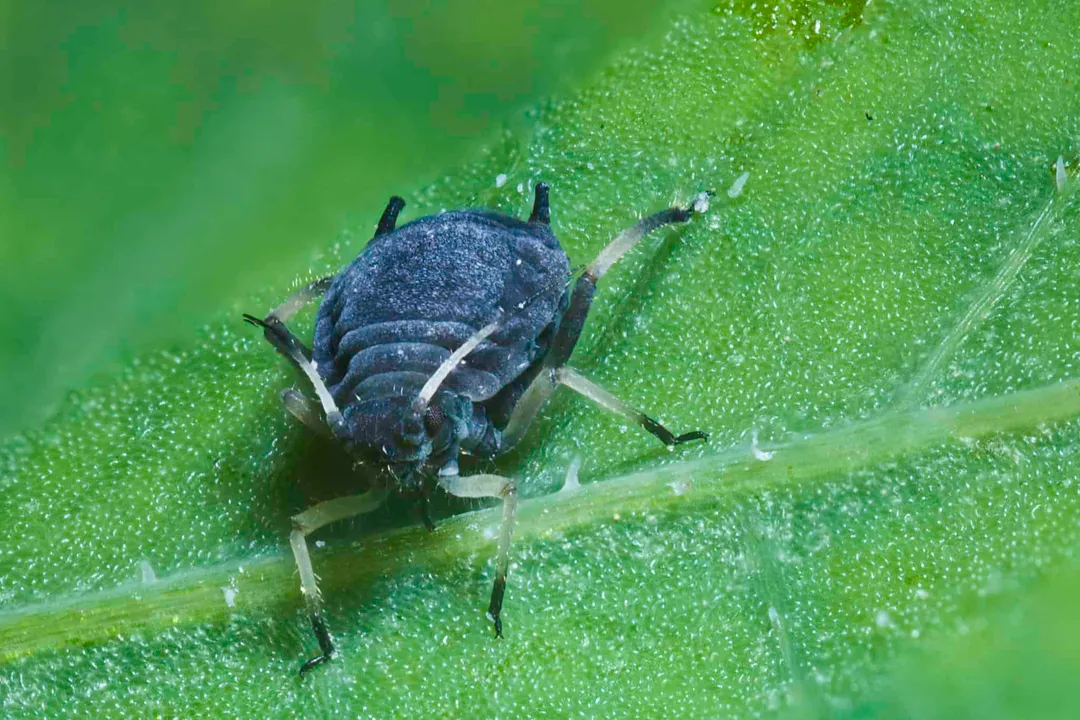
The location of the black aphid is fundamentally linked to the availability of suitable host tissue, dictated by the migration cycle. Understanding this cycle helps explain why they might suddenly appear or disappear from a specific location.
In early spring, the highest concentration will be on the primary woody hosts (Viburnum, Lonicera). By late spring and early summer, the infestation shifts; the numbers on the woody hosts may decrease as the winged migrants depart, while populations begin to swell dramatically on the secondary, often herbaceous, hosts like beans and flowers.
By late summer or early autumn, conditions change again. Depending on local climate and the need to reproduce sexually, the aphids may produce a generation that includes true males and sexual females. These sexual forms often return to the original primary woody hosts to mate, and the females lay the overwintering eggs. This means that by late fall, the main density of the aphid population might shift back towards the Viburnum or Spiraea bushes, even if the vegetable patch appears clear.
To put this into practical context, a gardener might find heavy infestations on their sugar beets in July, but if they never treat or examine their nearby ornamental shrubs in February or March, they are ignoring the population's birthplace. The aphid's location is therefore dynamic, moving from the shelter of woody stems to the bounty of soft green foliage across the growing season.
# Host Specificity Comparison
While the summer host range is remarkably broad, the winter host range is quite narrow, which is a powerful tool for management. Here is a brief look at this dual habitat requirement:
| Life Stage Location | Primary Plant Type | Examples Cited | Key Function |
|---|---|---|---|
| Overwintering Site | Woody Shrubs | Viburnum, Spiraea, Lonicera (Honeysuckle) | Egg survival and sexual reproduction |
| Summer Feeding Site | Herbaceous/Annuals/Vegetables | Beans, Celery, Potatoes, Roses, Cosmos | Rapid asexual multiplication and dispersal |
Observing this pattern suggests that effective, long-term suppression requires a dual approach. Treating the inevitable summer outbreaks on the vegetable rows addresses the immediate damage. However, understanding that the Viburnum or honeysuckle hedge is the source allows for preventative measures before the spring migration even begins—perhaps using dormant oil treatments or careful monitoring of those specific woody plants as soon as sap begins to run. Ignoring the primary host simply means you are always reacting to the secondary infestation year after year.
# Detection Tips
Knowing where to look means knowing what to look for. Black aphids are usually easy to spot due to their dark, often shiny bodies. They tend to congregate in dense colonies, feeding on the plant sap. They are most commonly found where new growth is occurring:
- On the undersides of tender young leaves.
- Tucked tightly into new shoot tips or growing points.
- Clustered at the base of flower buds before they open.
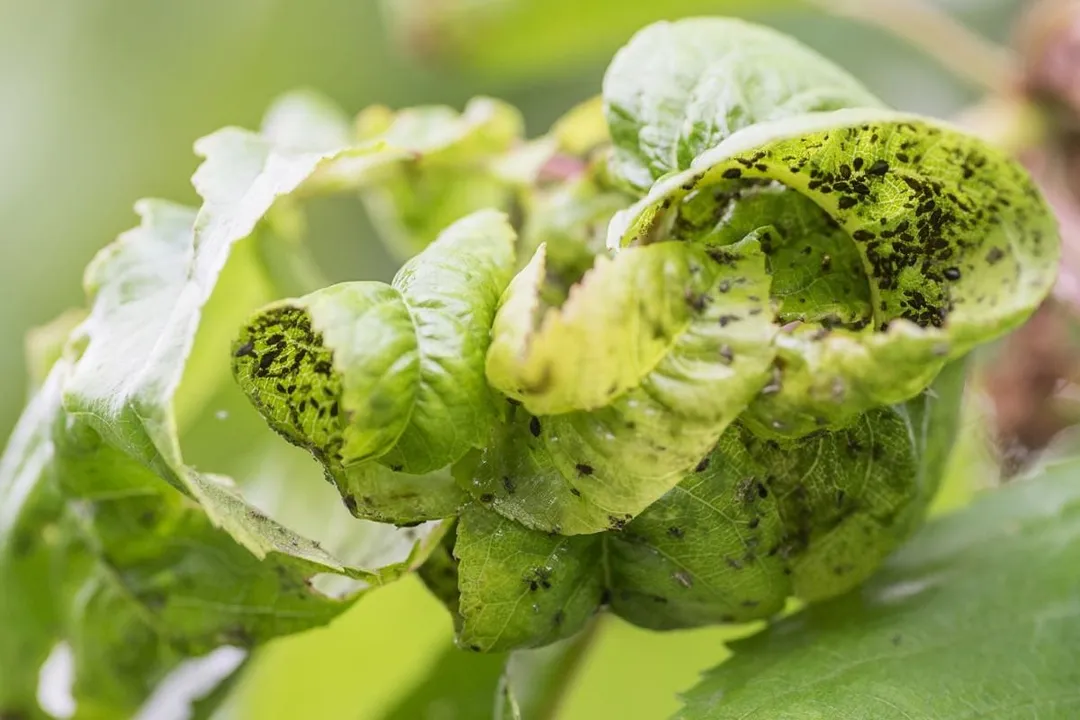
A secondary indicator of their presence, even before you see the insects themselves, is the sticky residue they excrete called honeydew. This sweet substance can make leaves look shiny or even lead to the growth of sooty mold, a black fungus that grows on the honeydew. Finding sticky, black-tinged leaves on a plant that is otherwise vigorous is a strong sign that a black aphid colony is nearby, likely hidden on the underside of a higher leaf or stem.
In summary, black aphids are found wherever there is a susceptible plant providing sap, but their life cycle dictates that their most critical and most vulnerable locations are the woody shrubs that shelter their overwintering eggs.
#Videos
How to Identify and Get Rid of Black Bean Aphids - YouTube
Related Questions
#Citations
Black Aphids - What Are They and How to Kill Them - With Pictures
Where Do Black Aphids Come From? Top 7 Control Tips - Farmonaut
Black Aphids! : r/portlandgardeners - Reddit
Blackfly on Beans: How to Manage Infestations | RHS Advice
Black Bean Aphid / Celery / Agriculture - UC IPM
Viburnum: Bean aphids | Hortsense - Washington State University
How to Identify and Get Rid of Black Bean Aphids - YouTube
Black Bean Aphid - Aphis fabae - NatureSpot
Black Aphids Insect Facts - A-Z Animals