Are Mountain Feists recognized by the AKC?

The simple answer to whether the Mountain Feist is recognized by the American Kennel Club (AKC) is no. This fact often surprises those who encounter these spirited dogs, as the Feist family has a long, established history in the American South. While the AKC maintains a strict list of foundation breeds they recognize, the Mountain Feist is acknowledged and registered by other organizations dedicated to performance and working dogs, such as the United Kennel Club (UKC) and the Continental Kennel Club (CKC). This distinction highlights a difference in philosophy: registries like the AKC often prioritize a fixed, uniform appearance developed over time in the show ring, whereas registries that embrace the Feist tend to value the dog’s unwavering ability to perform its traditional hunting duties above aesthetic conformity.
# Southern Roots

The origins of the Feist dogs are deeply interwoven with the early settlers of the Southeastern United States. These small, tenacious dogs descended from various hunting hounds and terriers brought over by German and Irish immigrants centuries ago. Initially, they were invaluable utility dogs for farmers and ranchers. Their primary jobs were threefold: hunting small game like squirrel and rabbit, eradicating disease-carrying pests around the homestead, and serving as companions. The name "feist" itself is thought to derive from the German word fice or fyst, meaning "to stink" or "a foul smell," possibly referring to an early name like "fisting or fysting curres," meaning "stinking dog".
These adaptable dogs moved westward with settlers, establishing themselves particularly in the Ozarks and the Southern Appalachian Mountains. While larger hounds and curs handled bigger quarry like wild hogs, the smaller Feists specialized in treeing small game. The very term "treeing" refers to their hunting style: running game until it escapes up a tree and then indicating the specific tree to the hunter. In fact, Feists were so effective that they were instrumental in developing other recognized breeds, including the Rat Terrier and the Teddy Roosevelt Terrier.
# Registry Separation

The history of the Mountain Feist in modern times involves breed preservation efforts. As these dogs became increasingly rare in the 20th century, devotees rallied in the early 1980s to prevent their extinction. This led to the formation of several dedicated clubs, like the Mountain Feist Association and the American Treeing Feist Association.
A key point of confusion, and perhaps a factor in the lack of AKC recognition, is the distinction between the various Feist types. The United Kennel Club (UKC) recognizes the Treeing Feist and, separately, the Mountain Feist. The UKC officially recognized the Treeing Feist in 1998 and then established the Mountain Feist as a distinct breed in 2015. The Continental Kennel Club (CKC) also recognizes the Mountain Feist breed.
This split acknowledges subtle differences in development, though both types share core hunting instincts and a small, active build. The very fact that a dog's heritage is maintained through performance-based breeding, rather than strict adherence to a conformation standard that has seen little change for generations, often means a breed is welcomed by performance-oriented clubs but remains outside the American Kennel Club's umbrella.
# Physical Traits
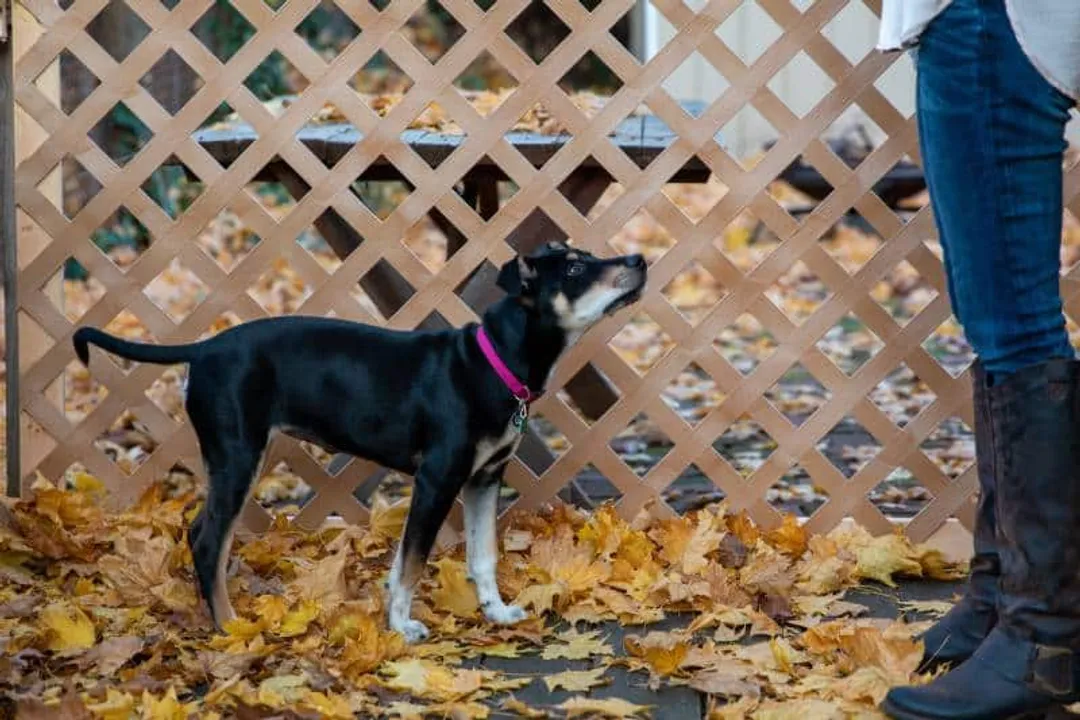
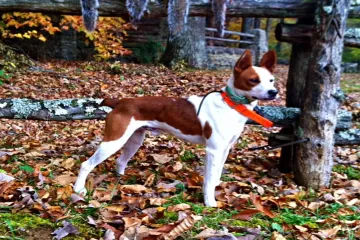
The Mountain Feist is characterized as an agile, active, small tree dog, generally standing between 12 and 18 inches at the withers and weighing between 12 and 30 pounds. The UKC standard emphasizes that the legs must be long enough to allow for quick movement over rough terrain. They possess a blocky head with a broad skull, a strong muzzle, and a moderate stop.
Coat-wise, the Mountain Feist is typically short, smooth, and dense, though the CKC standard notes smooth, rough, and broken coat varieties are acceptable within their recognition. Color is not a limiting factor; Mountain Feists can be any color or combination of colors, with the only color disqualification being Albinism. A distinct trait noted in the UKC standard is that the ears must be erect, though the CKC standard allows for a wider variation including erect, semi-erect, drop, or rose ears. This variation in ear set is important for owners to understand, as a dog appearing in a competition governed by one standard might be disqualified under another.
# Working Nature
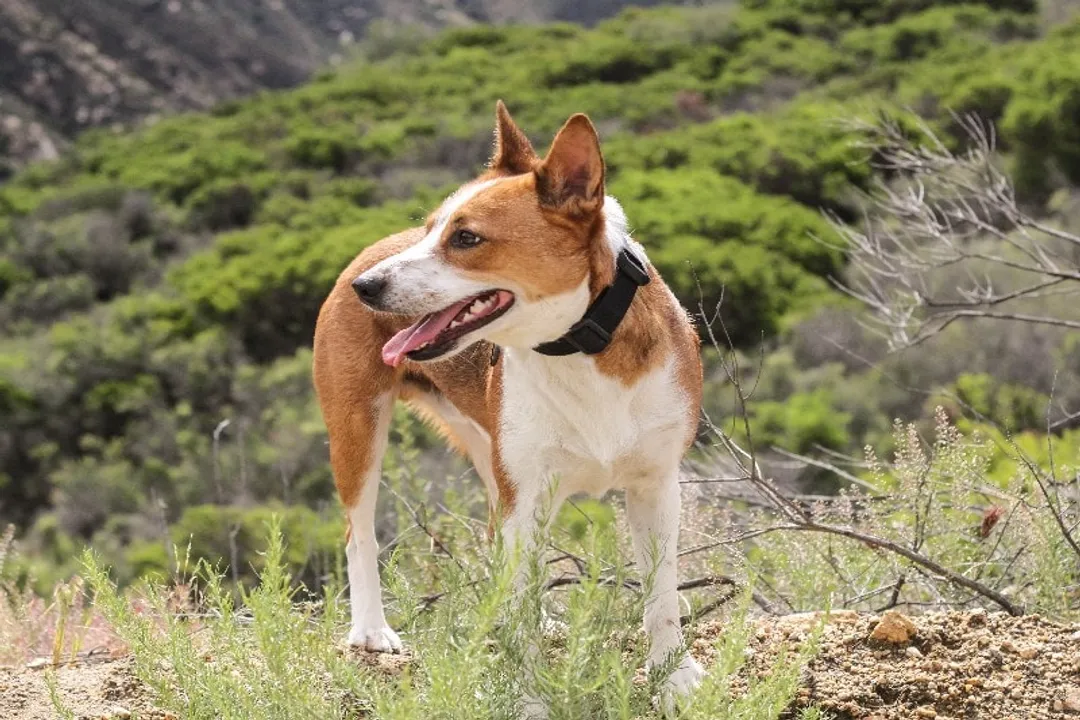
The true essence of the Mountain Feist is captured in its working drive. They are described as notoriously silent on a track, relying on sight, sound, and scent to locate quarry—most often squirrel. Their intelligence, curiosity, and high energy mean they require significant mental and physical stimulation to prevent destructive behaviors from developing. Owners looking for a couch companion may find themselves continually surprised by the need for activity; around 60 minutes of activity daily is recommended for companion-only dogs, though this often involves chasing and problem-solving rather than just a simple walk.
Their bond with their family is strong, often making them devoted companions. However, this high prey drive means caution is essential around smaller pets like cats or pocket pets, as they were bred specifically to hunt things smaller than themselves. While they generally do well with dogs they are raised with, new dogs may face quarreling, and unprovoked aggression toward people is considered incorrect for the breed.
# Owner Insight
For potential owners, the lack of AKC status carries a practical implication for sourcing a puppy. As one source notes, breeds not recognized by the AKC can sometimes be susceptible to the influence of disreputable backyard breeders. If you are set on the Mountain Feist, it is imperative to seek out breeders who are actively involved with the UKC, CKC, or established Feist performance clubs, rather than simply looking for a popular or easily accessible puppy. The focus must remain on performance pedigree—the lines that consistently produce sound, hard-working dogs—over looks alone.
Another key consideration for those involved in performance events relates to the differences between the registry standards. For example, if your dog has a drop ear or rose ear, it might thrive in a hunting situation or in a show ring governed by the CKC standard, which allows for more variation. However, if you bring that same dog to a UKC conformation event, the rule stating "Ears not erect" is an eliminating fault, meaning the dog cannot be placed. This disparity emphasizes that the Mountain Feist is truly a working dog; faults are penalized primarily based on how much they interfere with the dog's ability to perform its traditional work, which is a different benchmark than is often found in "look-alike" breeds recognized by the AKC. This focus on function over rigid form is what keeps the Feist spirit alive, but it requires the owner to be diligent about which specific breed standard they are adhering to.
Related Questions
#Citations
Breed Standards : Mountain Feist | United Kennel Club (UKC)
Treeing Feist - Wikipedia
Mountain Feist | Dog Breed Facts and Information - Wag! Dog Walking
Mountain Feist Dog Breed Information - Continental Kennel Club
Feist Dog Breed Info: Pictures, Facts, Traits & More - Dogster