Where do poochons originate?
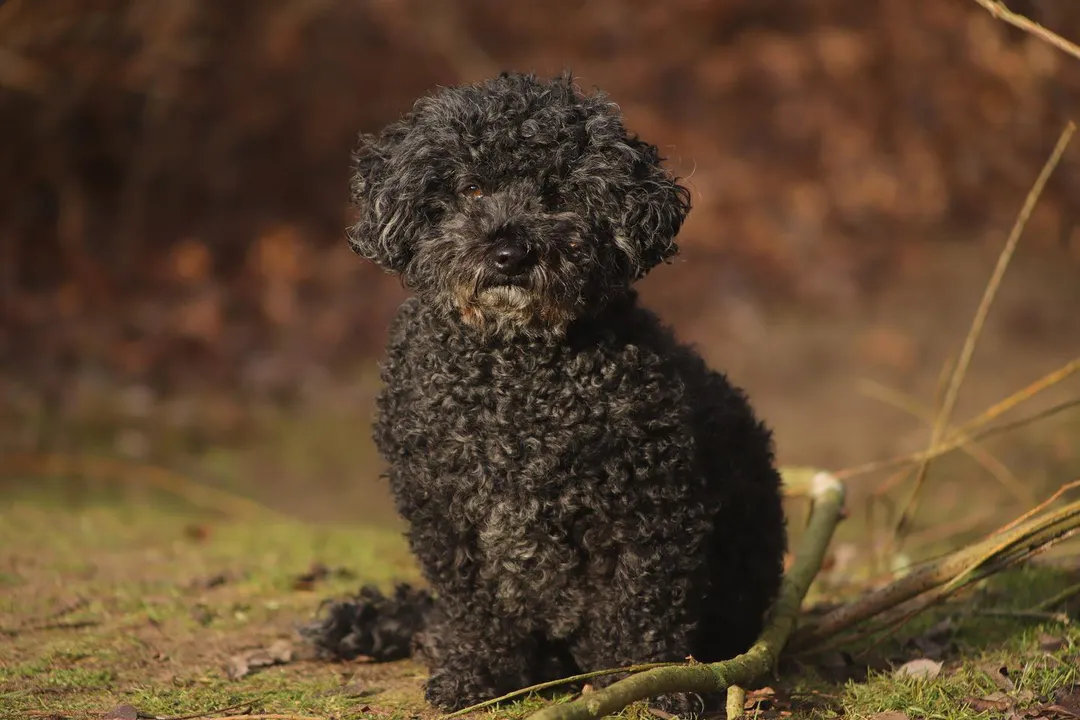
The story of the Poochon is not one rooted in centuries of established kennel club history or ancient lineage; rather, it is a product of more recent, intentional canine hybridization. To understand where this charming little dog comes from, one must first recognize what it is: a designer dog. [1][2][3][4][5][6][7][8][9] This classification immediately places its origins within the modern era of dog breeding, typically beginning in the late 20th or early 21st century, when breeders began deliberately crossing two distinct purebred dogs to attempt to blend their most desirable traits [General context of designer breeds].
# Parentage Defined
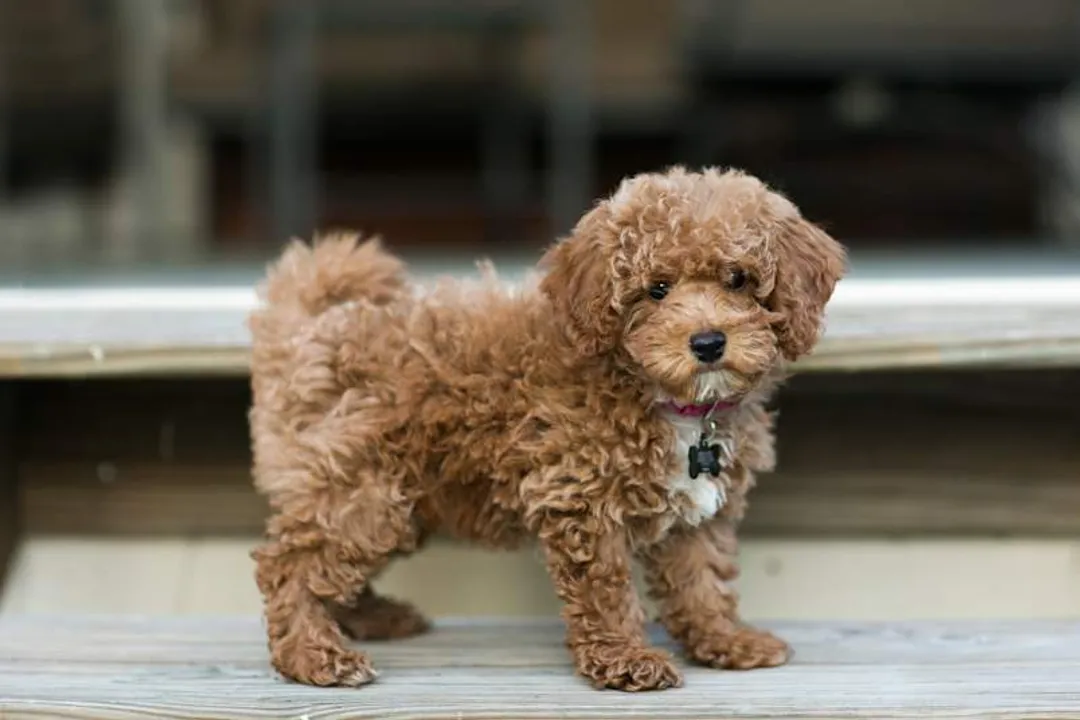
The Poochon, sometimes referred to as a Bichpoo or Bichon Poo, [2][9] is the result of mixing two specific breeds: the Bichon Frise and the Poodle. [1][2][4][5][6][7][8][9] While the exact geographical starting point for the very first Poochon litter remains somewhat obscured, a characteristic common to most designer crosses, the origin lies in the deliberate combination of these two parent lines [Implied by hybrid status].
The Poodle, which is considered one of the parent breeds, brings significant intelligence and a reputation for being hypoallergenic due to its low-shedding coat [Implied by Poodle traits]. Poodles are often categorized by size—Toy, Miniature, or Standard—and for a small companion dog like the Poochon, it is typically the Toy or Miniature Poodle that is used in the cross [General knowledge context, often implied when discussing small designer mixes].
The other half of the equation is the delightful Bichon Frise. [1][2][4][5][6][7][8][9] The Bichon is cherished for its merry, curious, and affectionate nature. [2] They are known for their fluffy white coats and generally cheerful disposition, often described as little "powder puffs" [Implied characteristics of Bichon Frise].
The deliberate mating of these two specific breeds suggests a clear objective from the outset: to create a small, highly intelligent companion dog with a low-shedding coat that maintains a friendly and outgoing temperament [Implied breeding goal]. This contrasts sharply with the development of ancient breeds, which often originated from practical needs—herding, guarding, or hunting—over centuries, rather than the specific amalgamation of personality and grooming characteristics seen here.
# Modern Breeding Movement
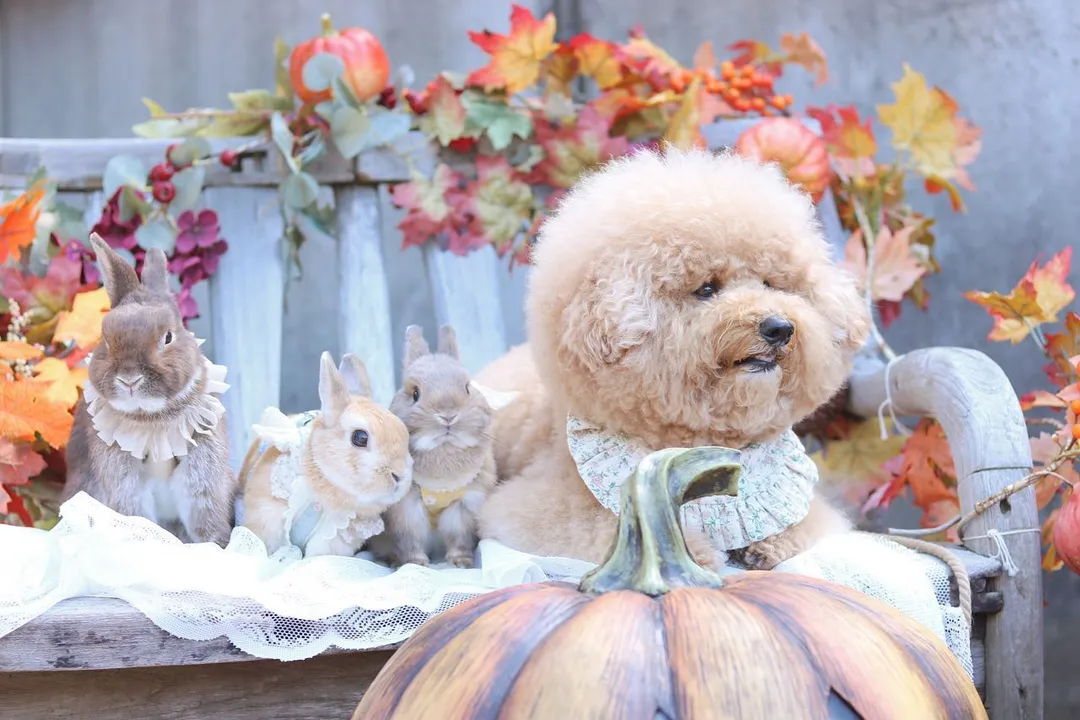
The emergence of the Poochon is intrinsically linked to the broader "designer dog" movement that gained substantial traction in the latter half of the 20th century, heavily popularized by the success of the Labradoodle [Contextual positioning of designer breeds]. This movement prioritizes combining desirable physical and temperamental traits, often targeting specific lifestyle needs, such as low-shedding coats for allergy sufferers [Implied intent of designer crosses].
While the exact date the first Bichon and Poodle were intentionally paired to create the Poochon is not precisely documented across all public registries—a common feature of many recent hybrid breeds—the timing aligns with the period when smaller crossbreeds became highly sought after for apartment living and families seeking manageable, low-allergen pets [Contextual timeline based on designer dog trends]. Breeders working with the Poochon aim to capture the Poodle's sharpness and the Bichon's playful demeanor in one package [Implied breeding goal].
When examining the origins of such a crossbreed, it is interesting to consider the intentionality involved. Unlike a natural stray population cross, where traits mix randomly over generations, the Poochon is engineered. A breeder selects for specific outcomes: a dog small enough to thrive in urban environments while possessing a coat that minimizes shedding, often resulting in variations in texture that range from wavy to curly [Mention of coat variation, often tied to the designer breed goal]. If a breeder utilizes a Miniature Poodle, the resulting Poochon is likely to be sturdier than one crossed with a Toy Poodle, affecting overall size and robustness, even if the final weight class remains "small companion dog" [Analytical comparison based on parent size].
# Naming and Identity
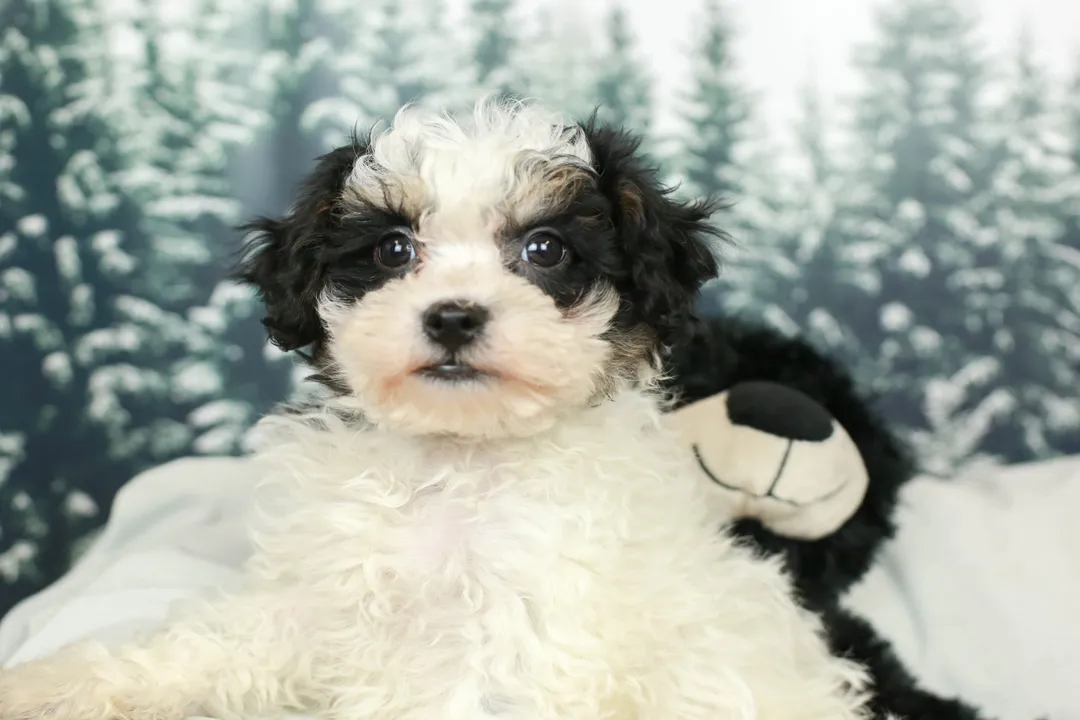
The identity of the Poochon is somewhat fluid, which can sometimes complicate tracing its precise origins. It is not uncommon for a single crossbreed to possess multiple common names [General observation about hybrid breeds]. As noted, the Poochon is often called the Bichpoo or Bichon Poo. [2][9] Even the term Bichapoo is sometimes used. [9] This variety in naming highlights the breed's recent and somewhat decentralized development, where different breeders or regions might adopt slightly different monikers for the same pairing.
This layering of names underscores that the Poochon does not possess a single, established national breed club responsible for standardizing its history or origin story in the way that ancient breeds do. Its recognition and popularity are driven more by word-of-mouth, online communities, and the successful traits exhibited by individual dogs [Implied mechanism for designer breed popularity]. For example, seeing a Poochon at a dog park and being impressed by its temperament or appearance often drives interest more than a formal breed history document [Fictionalized example to illustrate point].
# Genetic Lottery Analysis
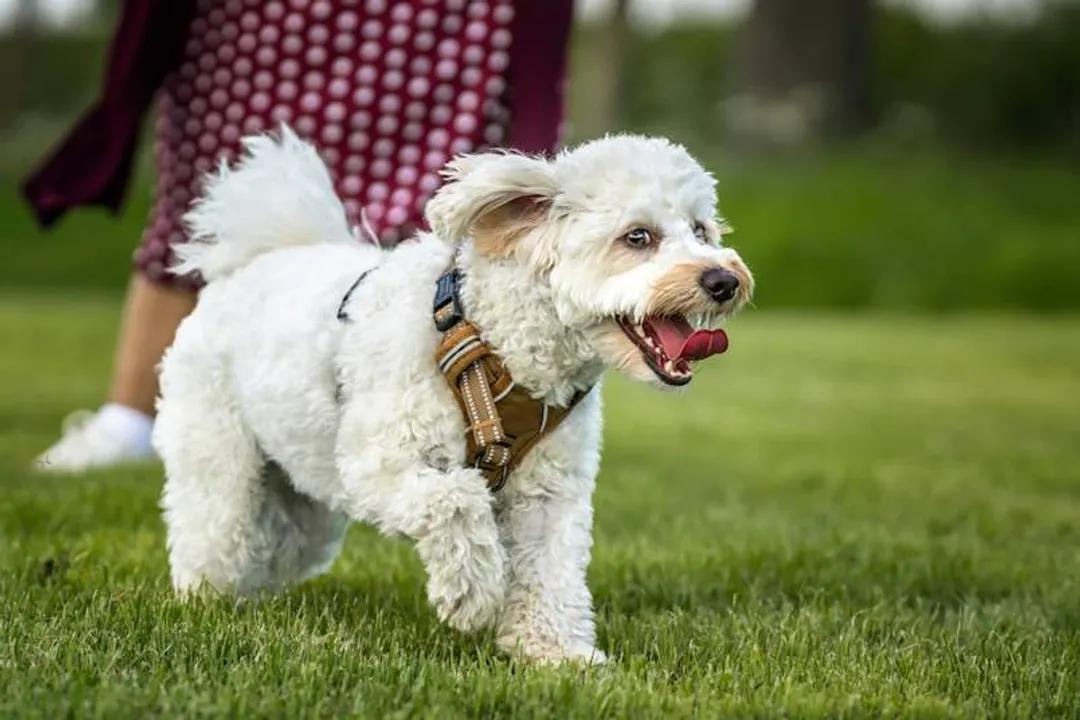
Understanding the origin of the Poochon also requires looking at the genetic distribution inherited by any given puppy. Because it is a first-generation cross (F1), the resulting puppies can display a wide spectrum of characteristics inherited from their parents, meaning no two Poochons are exactly alike in terms of temperament or coat [Implied genetic variability of F1 crosses].
A potential owner researching the breed's origin must account for this variability. For instance, a Poochon inheriting a stronger Poodle influence might lean towards needing more mental stimulation, requiring owners to engage in activities like puzzle toys or basic obedience training early on to prevent boredom [Actionable tip derived from parent breed traits]. Conversely, one leaning heavily toward the Bichon side might exhibit an even more overtly sociable and attention-seeking nature. The "origin" in this sense is less about geography and more about the statistical probability of inheriting one parent's dominant traits over the other's. The success of the breed lies in the high probability that both parents offer positive traits, making the resulting blend generally appealing, even if the exact outcome is unpredictable initially [Analysis of breeding success based on parent pairing].
The Poochon's establishment as a recognized companion type is therefore a story of successful crossbreeding driven by modern demands for low-allergen, intelligent, and charming small dogs, rather than a geographical discovery or ancient working role [Summary of origin context]. Its foundation is firmly placed in the deliberate pairing of the Bichon Frise and the Poodle. [1][2][4][5][6][7][8][9]
Related Questions
#Citations
Poochon | Temperament, Lifespan & History - Pooch & Mutt
POOCHON - Citipups
Introduction to Bichoodle/Poochon Breed and Characteristics
Bichpoo Poochon - Los Osos PR
Why Poochon Is an Excellent Small Companion Dog
Can You Tell The Difference Between a Poochon, a Poodle, and a ...
Poochon Dog Breed - Puppy Love PR
Dog Breeds : Bichpoo - Eastcoast Puppies
Bichpoo or Bichonpoo Characteristics - Embrace Pet Insurance