What is the origin of nutria?
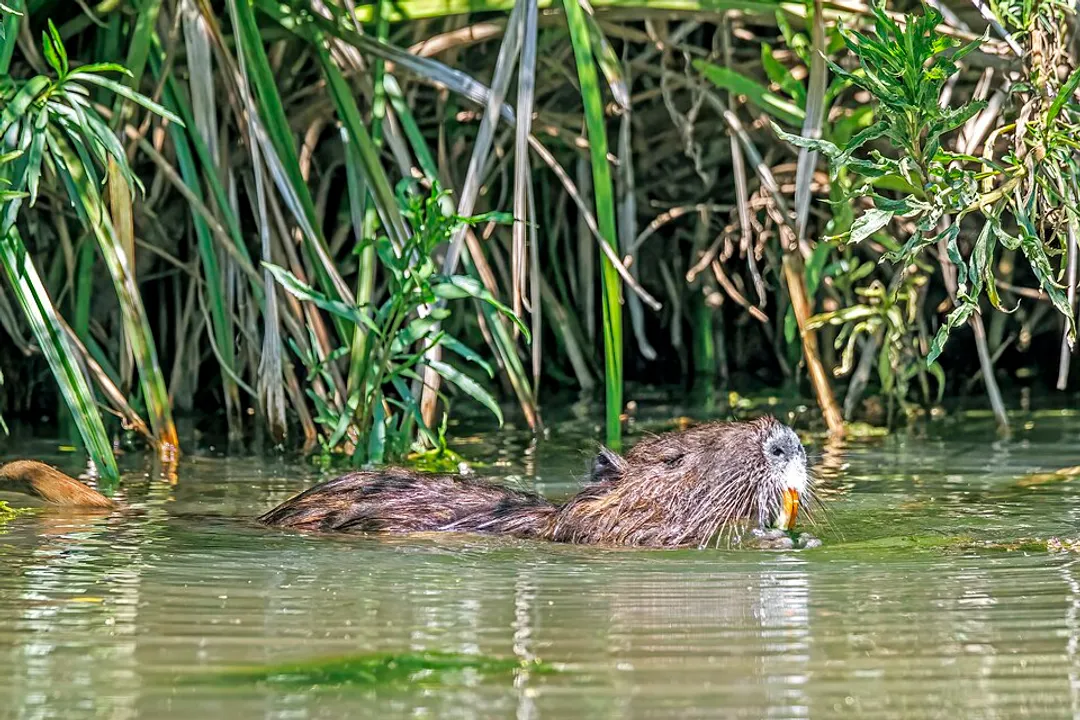
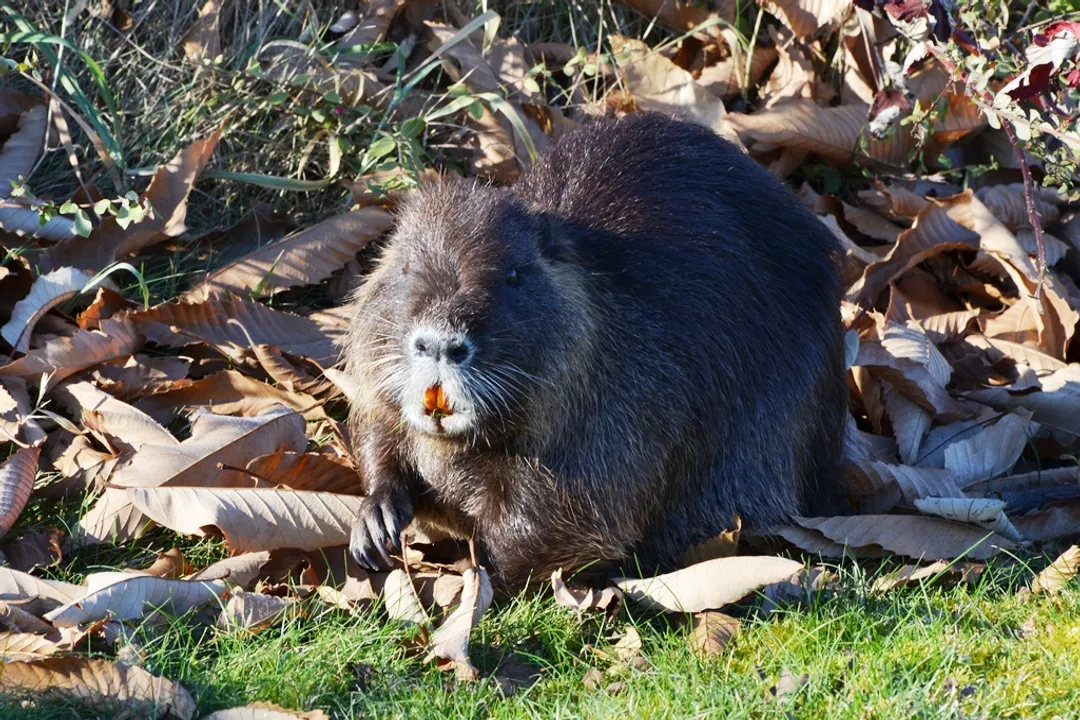
The nutria, scientifically known as Myocastor coypus, is a large, herbivorous, semiaquatic rodent whose presence across much of the globe today is a direct consequence of commercial ambition meeting ecological vulnerability. This creature, which can easily be mistaken for a small beaver or a large muskrat due to its size and habitat, carries a historical narrative deeply tied to the fashion cycles and economic downturns of the twentieth century. To truly grasp the extent of its impact in places like Louisiana or Maryland, one must trace its lineage back to the southern continents and follow the path carved by the fur trade.
# Native South America
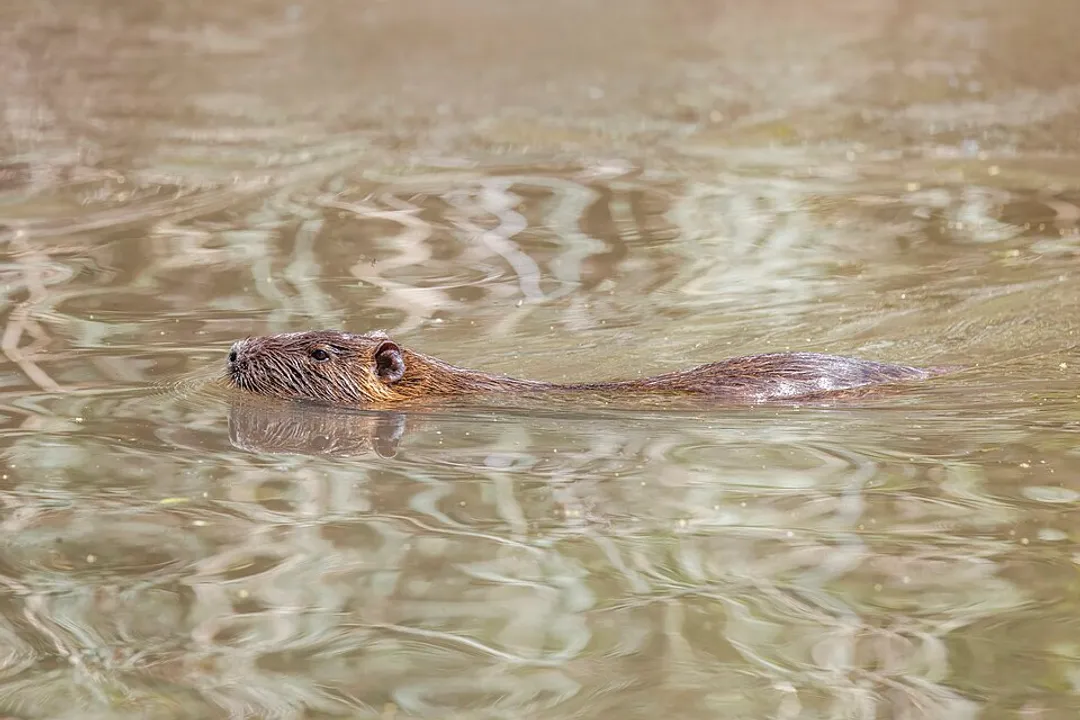
The animal’s true home lies in the subtropical and temperate zones of South America. Its native range encompasses regions such as Chile, Argentina, Uruguay, Paraguay, and the southern portions of Brazil and Bolivia. In its ancestral environment, the nutria is a natural part of the ecosystem, living in burrows alongside water sources and feeding on river plant stems.
While the species classification has seen some movement over time, moving from its own family, Myocastoridae, to being included within Echimyidae, the family of spiny rats, its geographic origin remains fixed in the Southern Hemisphere. Interestingly, taxonomy provides insight into its common names; Myocastor combines the Ancient Greek words for "mouse" (mûs) and "beaver" (kástōr), literally translating to "mouse-beaver," a description that hints at its appearance and ecological role. The subspecies believed to be most frequently introduced outside of South America is M. c. bonariensis, originating from the more subtropical northern parts of its native range. This lineage detail suggests that the animals best suited for successful colonization in new climates were those already acclimated to conditions slightly less severe than those found further south in Patagonia.
# Fur Trade Driver
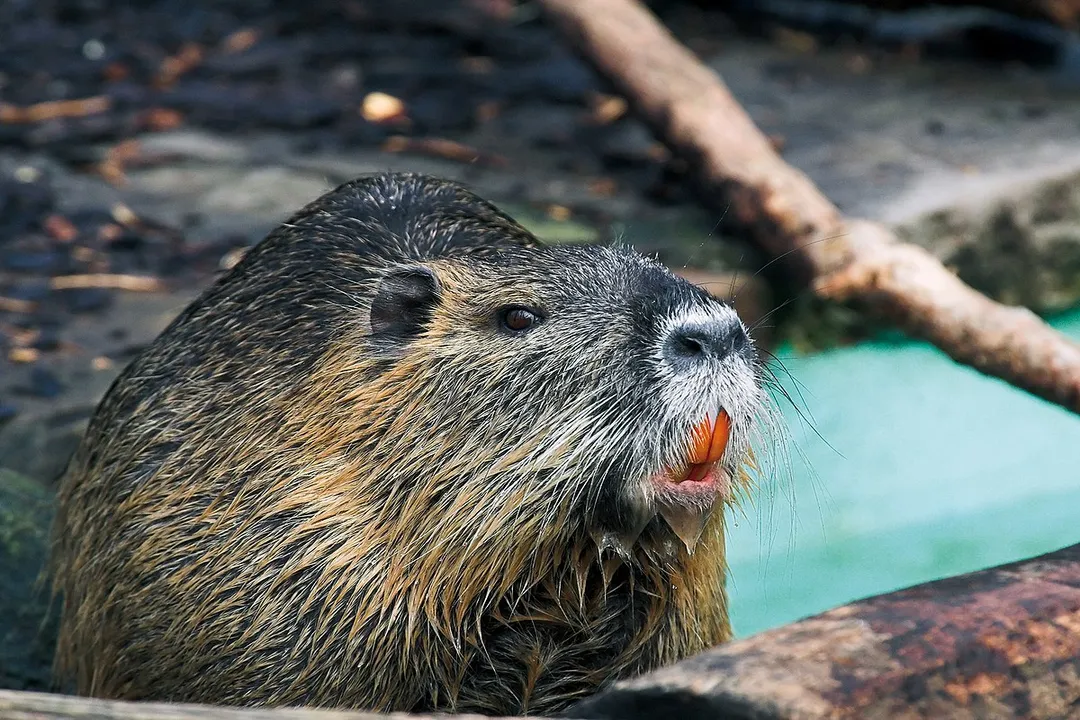
The reason this South American native now dots the landscape across continents like North America, Europe, and Asia is overwhelmingly linked to the demand for its pelt. The fur trade was the primary engine that propelled Myocastor coypus out of its native wetlands.
In fact, local extinctions due to overharvesting in its native range actually spurred the creation of organized commercial endeavors. The late nineteenth and early twentieth centuries saw the rise of the nutria fur farm. The first attempts at this venture began in France in the early 1880s, though they were not immediately successful. However, by the 1920s, efficient and extensive nutria farming operations were flourishing in South America, particularly Argentina, which subsequently fueled the establishment of similar ranches elsewhere.
The economic incentive was powerful. Nutria fur, characterized by dense grayish underfur and long, glossy guard hairs, was highly valued. It was often sheared for a sporty, lightweight feel and was popular for linings and trims, sometimes dyed various colors. This commercial drive led to the initial transplantation of the species to new territories for the explicit purpose of developing these "nutria ranches".
# First U.S. Farms
The introduction of the nutria to the United States followed this commercial trajectory. The very first recorded introduction into the U.S. occurred in California in 1899, initiated by William Franklin Frakes, specifically for the fur trade. However, this initial foray into California failed to establish a breeding population.
True establishment in the U.S. began later, with the earliest successful farm introductions occurring in the 1930s. Fur ranchers imported nutria to several states, including Louisiana, California, Washington, Oregon, Michigan, New Mexico, Ohio, and Utah between 1899 and 1940.
Louisiana, a state with a deep history tied to the North American fur trade, imported the rodents in the 1930s specifically for this industry. While the animals were initially contained within these farm enclosures, the stage was set for the transformation of a valuable commodity into a pervasive pest.
An interesting pivot occurred alongside the fur farming effort: some parties introduced nutria with the secondary, albeit misguided, goal of controlling aquatic vegetation. Entrepreneurs and agencies promoted and released them to serve as weed cutters across the Southeast, adding another pathway for escape and proliferation besides the planned ranching operations. It is worth noting the irony that an animal whose commercial value was based on its fur—a commodity often produced in a specific, high-density environment—was simultaneously being marketed for its destructive appetite for the very vegetation that defines wetland ecosystems. This duality—asset one moment, ecological threat the next—highlights a critical failure in risk assessment regarding introduced species.
# Market Collapse
The defining moment that authored the nutria’s invasive origin story was the subsequent collapse of the international fur market in the early 1940s. As the demand for nutria pelts waned, ranching operations became unprofitable. Faced with the financial impossibility of feeding and housing thousands of animals they could no longer sell, ranchers chose to release them into the wild or simply allowed them to escape.
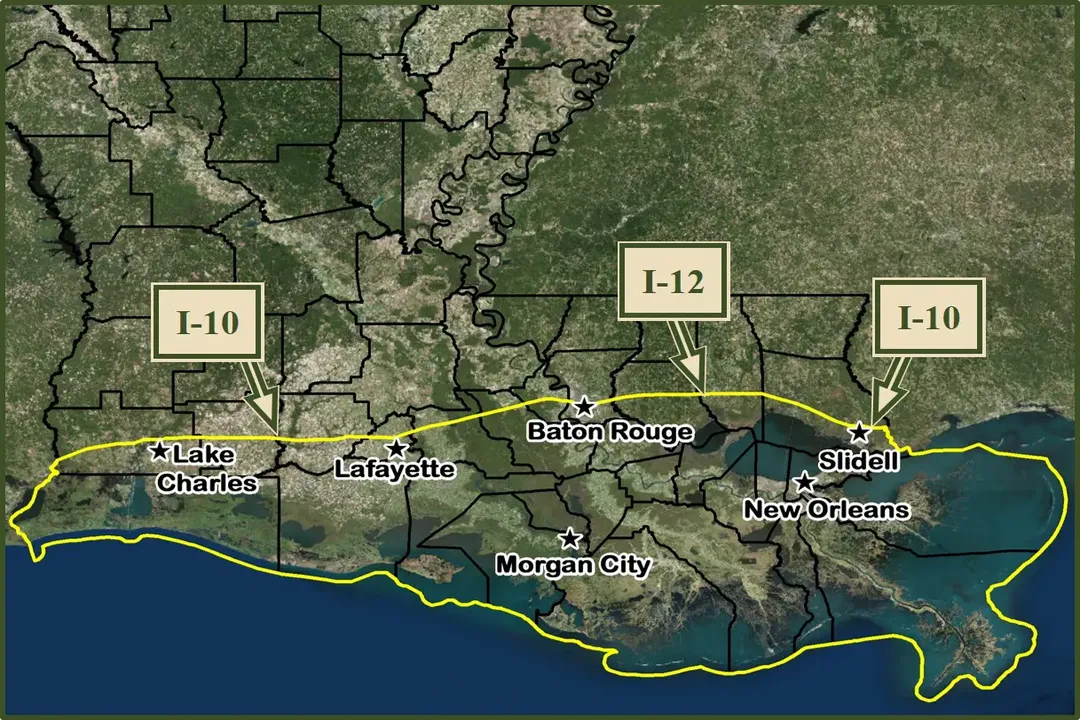
In the U.S., this led to thousands of nutria escaping or being deliberately freed into the wild as businesses folded. The timing coincided disastrously with natural events. In Louisiana, for example, the early 1940s saw a hurricane strike the coast, destroying enclosures and scattering large numbers of the released animals into the extensive coastal marshes. Nutrias transplanted near Port Arthur, Texas, in 1941 also spread widely after a hurricane that same year scattered them across coastal southwest Louisiana and southeast Texas. These events provided the scattered populations the perfect catalyst to move from confined farms to vast, receptive wetland ecosystems.
This market shift not only doomed the farming industry but also rapidly changed the animal’s status in the eyes of the public and government, moving from a source of income to a source of ecological damage severe enough to warrant legislative attention by the 1950s in places like Louisiana.

# Global Spread Dynamics
The movement of the nutria was not confined to the United States; it was a global phenomenon driven by the same economic forces.
In Europe, the nutria was imported to countries like Great Britain in 1929 and Italy in 1928 for farming. Similar to the U.S. experience, when the fur trade faltered, escapes and deliberate releases followed, establishing feral populations. In Great Britain, early escapes in the 1930s led to damage reports and subsequent eradication efforts. In Italy, the species took hold, particularly in the central regions and Po Valley. The European Union has since recognized the problem, listing the nutria as an Invasive Alien Species of Union concern, meaning it cannot be intentionally released or commercialized across member states.
Japan also became a site of introduction in 1939, where they were imported from France, partly to combat post-war food shortages alongside the fur trade objectives. When many were released en masse after the war in 1950, they quickly became one of Japan’s most problematic invasive species.
The enduring nature of the invasion in many new locations, despite eradication attempts, speaks to the species’ high reproductive capacity—reaching sexual maturity as early as four to six months, breeding year-round, and potentially producing multiple litters annually. It's noteworthy that the initial economic driver—fur—created populations so successful they now require multi-million dollar, multi-decade efforts to control them, as seen in Maryland and Louisiana.
The historical trajectory reveals a pattern: introduce a highly reproductive, non-native herbivore for profit, allow the economic base to collapse, and the resulting mass release creates an immediate, widespread ecological crisis fueled by favorable local environmental conditions. For instance, the fact that the subspecies M. c. bonariensis is cited as the primary strain introduced globally suggests a greater environmental plasticity or adaptability in that specific population group to non-native temperate and subtropical zones, which is a subtle but important factor in understanding why they established themselves so thoroughly in places like the Gulf Coast. Furthermore, the sheer contrast between the initial goal—to harvest a valuable pelt—and the modern-day reality—spending millions to pay bounties to remove tails to save wetlands—serves as a stark reminder of the long-term costs of non-native commercial introductions. The early promotion of nutria as a cheap solution to weed problems was merely an accelerated prologue to the far more damaging, large-scale destruction caused by unchecked post-market populations.
Related Questions
#Citations
Nutria, An Invasive Rodent
Nutria
Nutria | National Invasive Species Information Center
California's Invaders: Nutria
Nutria | Louisiana Department of Wildlife and Fisheries
Nutria
Nutria
Nutria
Nutria