What is the origin of Tatra Shepherds?
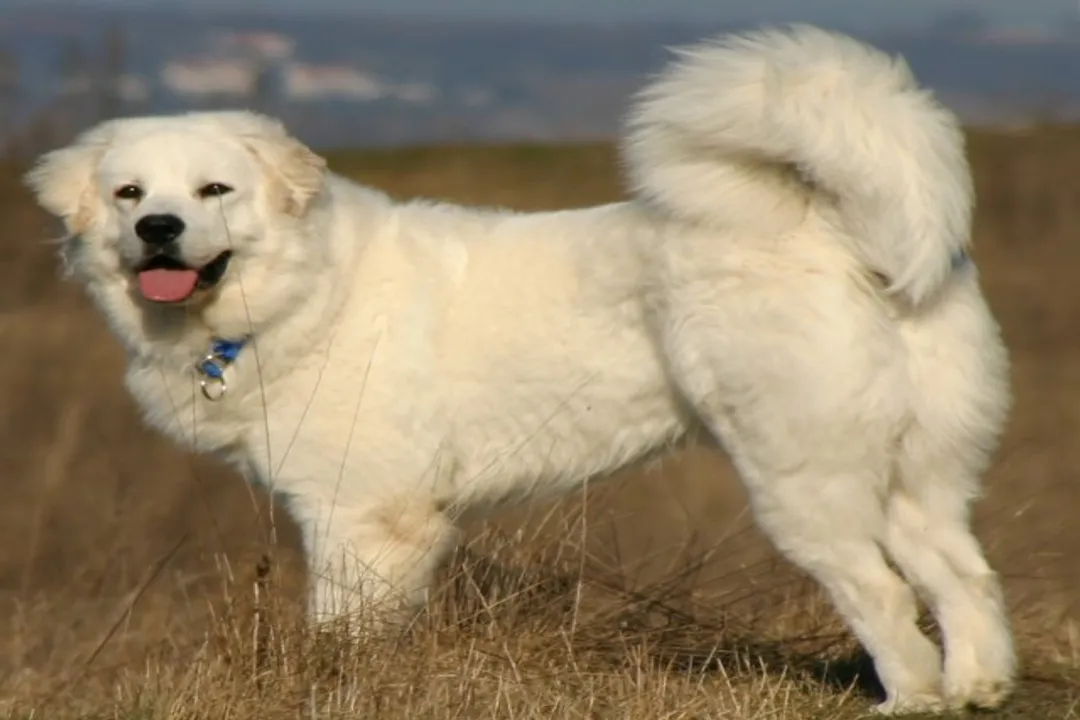
The Tatra Shepherd Dog, known in its homeland as the Owczarek Tatrzański, is a distinct Polish breed whose history is deeply rooted in the rugged landscape of the Tatra Mountains. [1][2][3] These large, majestic flock guardians developed their distinct characteristics through centuries of practical necessity, serving as the primary defense for sheep against formidable mountain predators. [1][5] The very nomenclature of the breed points directly to its cradle; "Tatra" refers to the mountain range forming a natural barrier between Poland and Slovakia. [1]
# Mountain Roots
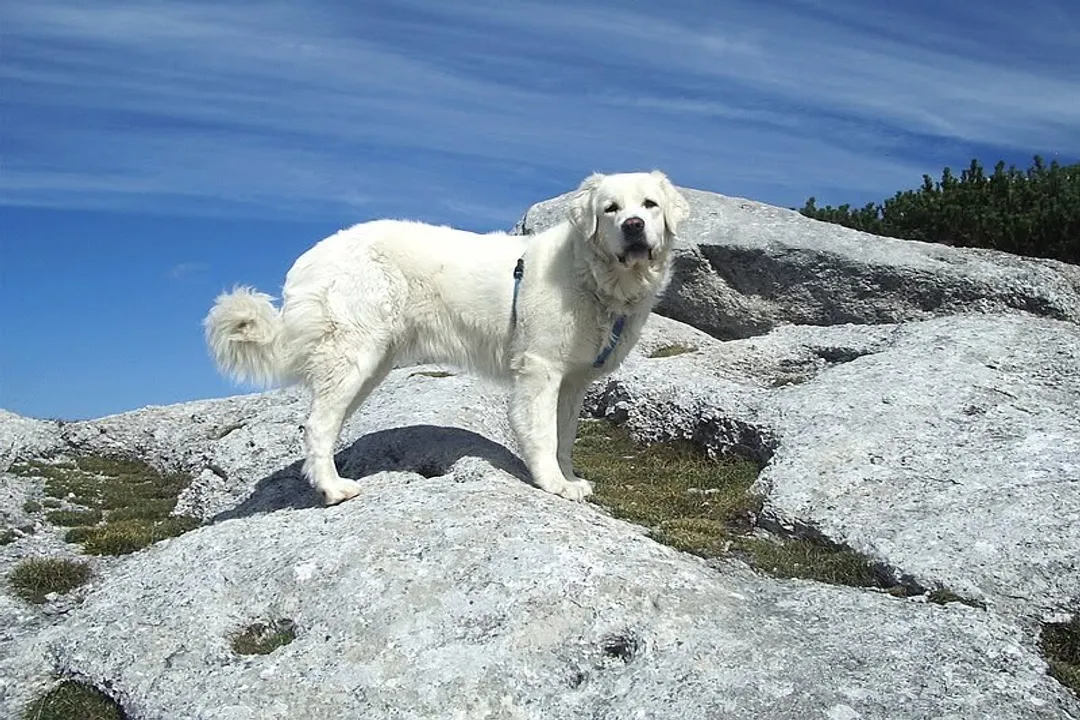
The deep ancestry of the Tatra Shepherd Dog links it to a broader group of ancient pastoral dogs found across the Carpathian Mountains. [1] While specific written records from the earliest periods are scarce, the breed's function suggests it descended from dogs accompanying nomadic shepherds migrating into the region long ago. [1] These dogs were selected rigorously by generations of shepherds for traits essential to survival and their working life: courage, independence, and significant physical presence. [1]
It is common to observe genetic or historical connections drawn between the Tatra Shepherd and other large white guardian breeds from the area, such as the Hungarian Kuvasz or the Slovak Chuvach. [1] However, while sharing a similar heritage as mountain-dwelling livestock guardians, the Polish Tatra Shepherd developed its own unique characteristics shaped by the specific environmental and husbandry needs of the Polish highlands. [1][2] They are fundamentally a landrace breed, meaning their characteristics were established naturally over a long period based on utility in their specific environment before formalized registry processes began. [3]
# Guarding Duty
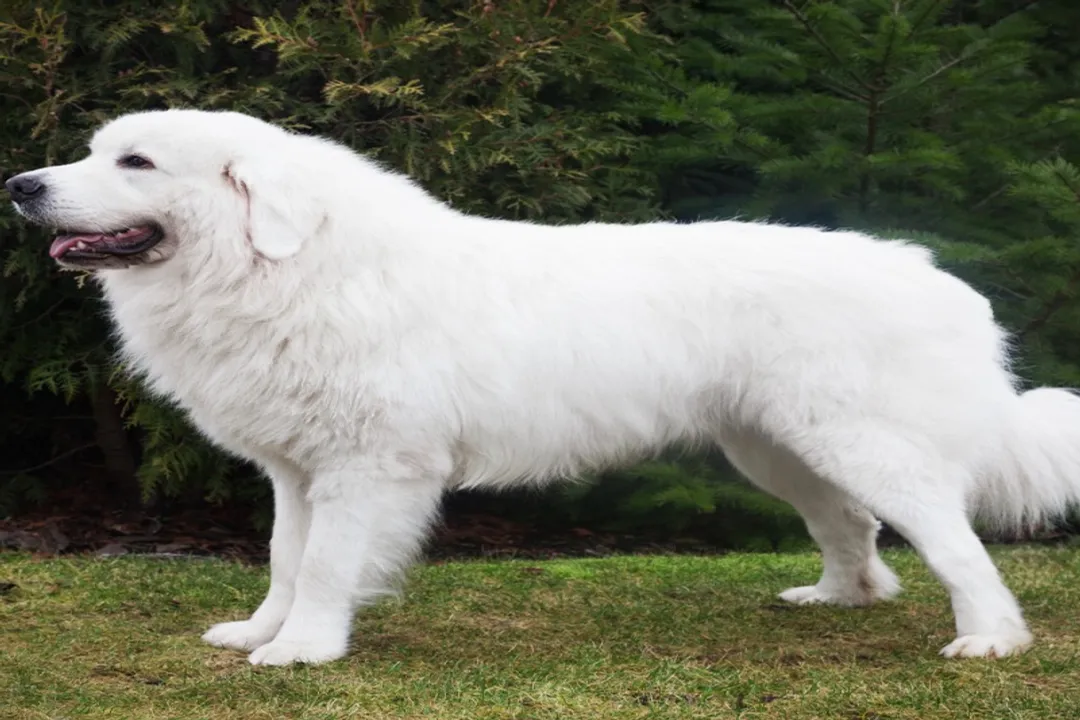
The singular, critical role of the Tatra Shepherd was acting as a flock guardian. [1][5] This required a different temperament and skillset than that of a herding dog, which actively moves livestock. The Tatra Shepherd's job was deterrence and defense. [1] They lived with the flock day and night, watching over them in the high pastures, ready to confront wolves, bears, and other threats that endangered the shepherd’s livelihood. [1][2]
This constant responsibility bred a dog that is inherently independent, intelligent, and reserved with strangers. [1] They needed the authority to make decisions without direct command from a distant shepherd, a trait that remains highly visible in the modern breed's temperament. [1] Their substantial size and imposing white coat served as primary visual deterrents. [1]
# Coat Color Significance
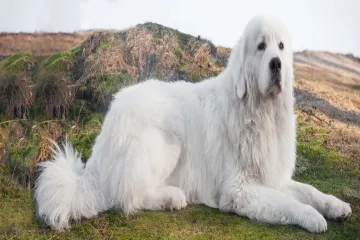
The striking, pure white coat is perhaps the most recognizable feature of the breed, shared with several other European livestock guardians. [1] While many might assume the color aids in camouflage against snow, its practical utility in the breed's origin story is more strategic. [1] The white coloring served to make the dog easily distinguishable from dark-coated predators, particularly wolves, during dawn, dusk, or poor weather conditions. [1] This distinction was vital for the shepherd, preventing any accidental harm to their guardian during a tense confrontation or when visibility was low. [1] This single physical trait offers a clear window into the pragmatic selection pressures faced by the ancestors of the modern Tatra Shepherd Dog. [1]
# Standardization Challenges
Like many ancient, localized working breeds, the Tatra Shepherd Dog faced significant peril in the modern era. The period following World War II was particularly damaging to the population numbers. [1] The breed was brought close to the point of extinction due to the changing agricultural practices and the disruption caused by the conflicts. [1]
The conscious effort to preserve and standardize the breed began in earnest during the mid-20th century in Poland. [1] Experienced breeders worked to identify the best remaining examples of the traditional type to rebuild a viable gene pool. [1] This process led to the development of a formal breed standard that sought to codify the physical and temperamental qualities necessary for their historical role. [8] The Fédération Cynologique Internationale (FCI) officially recognized the breed, placing it within Group 1, which covers Sheepdogs and Cattle Dogs, specifically under section 2.2 for Mountain Dogs that are not subjected to working trials. [8]
# Breed Identity
Understanding the breed’s identity requires recognizing the difference between its local popularity and international presence. In Poland, the Owczarek Tatrzański remains a significant national treasure. [2] Internationally, while recognized by the FCI, the breed’s profile may vary across different national kennel clubs. [8] For instance, breed clubs focusing on the Polish lineage often emphasize maintaining the original working structure and temperament above all else. [2]
When comparing the lineage description, it is insightful to note that while many sources describe them generally as "large flock guardian dogs originating from Poland", [5] the deeper lineage traces them specifically to the Polish side of the Tatra Mountains, solidifying their national claim. [2] This national identity is often fiercely protected by Polish breed enthusiasts who wish to ensure the dog’s working capability remains central to its definition. [2]
# Lineage Preservation Insight
The very nature of a landrace breed being revived after near extinction introduces a fascinating dynamic in modern breeding programs. To quickly rebuild numbers while maintaining the integrity of a centuries-old working type, breeders often have to prioritize genetic diversity early on, potentially accepting minor physical variations that still meet the core functional requirements, such as guarding instinct and appropriate size. [1][3] This contrasts with breeds developed more recently where strict adherence to a visual standard is often immediate and paramount. [3] The initial efforts post-WWII must have involved significant expertise in identifying which dogs truly represented the best functional examples of the old stock, even if they didn't perfectly match a freshly written standard. [1]
# Physical Traits and Function
The physical structure of the Tatra Shepherd is a direct manifestation of its demanding historical job. They are large, powerfully built dogs, necessary for standing against serious predators. [1] The double coat is thick and weather-resistant, perfectly suited to the harsh, fluctuating climate of the high mountains, offering protection from both winter snow and summer heat. [1]
The general temperament demands a high level of intelligence and self-reliance. [1] While affectionate and devoted to their family or flock—displaying loyalty that often translates into being good family companions when raised correctly—they maintain a characteristic wariness toward outsiders. [1][5] This reserved nature is not a fault but a feature of a dog bred to guard territory and property independently. [1]
For anyone considering bringing this ancient line into a modern home, understanding this inherited independence is key. Unlike a breed bred primarily for obedience work, the Tatra Shepherd requires an owner who respects its need for autonomy and can provide consistent, respectful leadership rather than forceful dominance. [1] Their history as solitary guardians means they do not automatically look to a human for every small directive once mature. [1] The breed standard describes them as calm and sensitive, which underscores the need for understanding their inherent guardian instincts rather than trying to suppress them entirely. [8]
Related Questions
#Citations
Tatra Shepherd Dog - Wikipedia
Tatra Breed - PTSCA
Polish Tatra Sheepdog Facts - Wisdom Panel™ Dog Breeds
All about Tatra Shepherd Dog breed - Animalia
The Tatra Shepherd Dog is a Polish breed of large flock guardian ...
Polish Tatra Sheepdog - TOP 10 Interesting Facts - rocadog
Polish Tatra Dogs: Rare Breed Spotlight & Puppies for Sale
[PDF] POLSKI OWCZAREK PODHALANSKI - FCI
Tatra Shepherd Dog Breeds - Dogs Victoria
Polish Tatra Sheepdog - Europetnet