What should a miniature poodle eat?
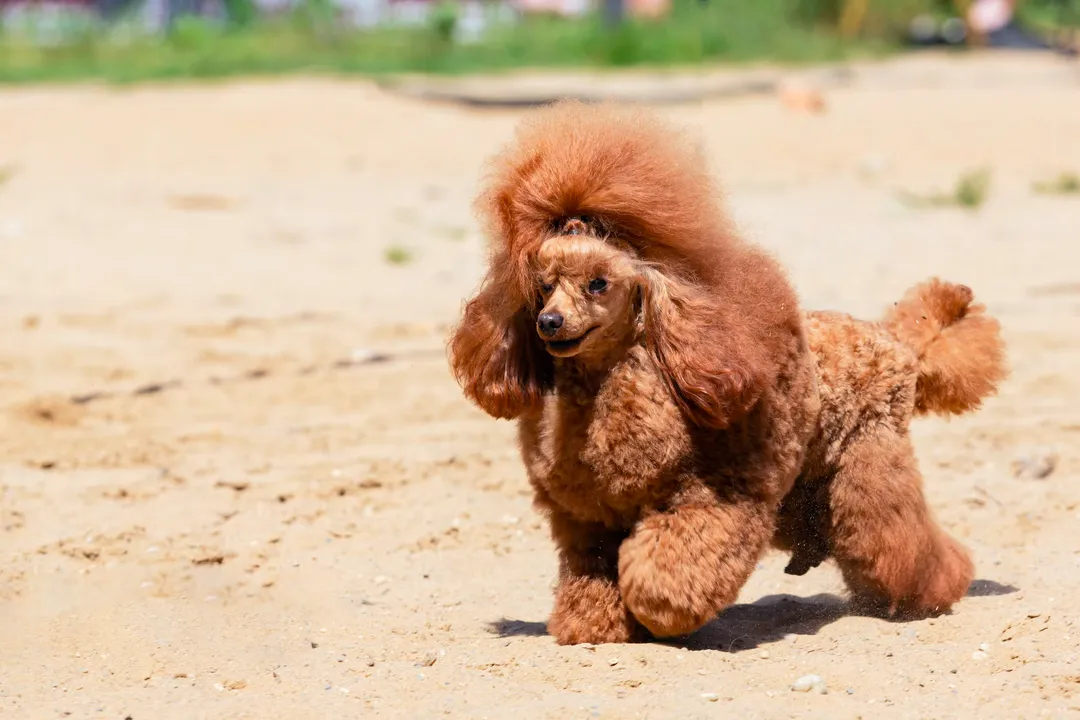
Determining the right diet for a Miniature Poodle involves balancing their high intelligence and energy levels with their small stature and common breed predispositions. Unlike larger breeds, small dogs like the Miniature Poodle have faster metabolisms, meaning they require nutrient-dense food delivered in appropriate, controlled portions to maintain their lean, athletic build. [2][5] Getting the feeding routine right contributes significantly to their overall lifespan, which can often reach 12 to 15 years or more. [2]
# Diet Essentials

A balanced diet for any dog, including your Miniature Poodle, must contain protein, fats, carbohydrates, vitamins, and minerals. [2] Protein, derived from high-quality sources, is essential for muscle maintenance and repair, especially given the breed's active nature. [9] While specific calorie counts vary based on age, weight, and activity level, Miniature Poodles generally thrive on commercial dog foods that meet recognized nutritional standards. [9]
When reviewing commercial food labels, it is important to look for recognizable, whole-meat ingredients listed first, such as chicken, beef, lamb, or fish, as opposed to unnamed meat meals or by-products. [9] Many Poodle owners and experts lean toward foods where animal protein is the primary component, believing it supports their coat health and energy levels better than grain-heavy alternatives. [9][4] Fat is also necessary, providing concentrated energy and supporting skin and coat health, but it must be carefully managed to prevent unnecessary weight gain. [2]
# Food Types

The decision about what type of food—dry kibble, wet food, or a raw/home-cooked diet—is often where owners find the most varied opinions.
Dry kibble remains the most popular and convenient option for many owners. [1][5] When selecting kibble, quality matters significantly. Some owners on forums frequently recommend focusing on brands that cater specifically to small breeds or those that are highly rated by consumer assessment groups, suggesting that not all dry foods are created equal in terms of ingredient sourcing. [9]
Wet food, while often more palatable and higher in moisture content, can be more expensive and less convenient for measuring precise caloric intake. [5] A key consideration for any Poodle, regardless of diet type, is dental health. Poodles are known to be susceptible to dental disease. [2] Choosing a dry kibble that requires chewing can sometimes help scrape plaque, though this is no substitute for regular veterinary dental care. Conversely, if a dog refuses to eat necessary kibble due to dental pain, a softer, wet diet might be temporarily necessary until dental work can be performed. [2]
Raw or home-cooked diets are also discussed among Poodle enthusiasts, sometimes driven by a desire to avoid grains or artificial additives found in some commercial foods. [1] If pursuing a non-commercial route, absolute diligence in balancing the diet is crucial. A poorly formulated raw or home-cooked diet can easily lead to deficiencies in essential vitamins or minerals, which can be particularly detrimental to a small, fast-metabolizing dog. [5] For instance, an unbalanced diet lacking calcium or phosphorus can cause skeletal issues in growing puppies. [5]
# Serving Size

Portion control is perhaps the most critical element of feeding a Miniature Poodle successfully. Because they are small, their stomachs are small, and it is very easy to overfeed them, leading directly to obesity, which stresses their joints and heart. [5]
A general guideline often provided is to feed based on the recommended amount for the dog's ideal weight, adjusting by about 10 to 20 percent based on their activity level. [5] One common discussion point involves a Miniature Poodle weighing around 15 pounds; forum advice for this size often suggests a range that equates to roughly half a cup to just over one full cup of standard dry kibble per day, divided into two meals. [8]
When you transition to a new food, it is best practice to follow the manufacturer's chart on the bag, but then monitor your dog's body condition over two weeks. [5] If you notice them gaining weight, reduce the portion slightly; if they seem overly hungry or are losing condition, increase it slightly. [5] A simple way to assess portion control is by conducting a weekly "rib check": you should be able to easily feel your Poodle’s ribs with light pressure, but they should not be visibly sticking out. If you have to press hard to feel them, they are likely carrying too much weight, irrespective of what the bag says. [2]
# Age Stages

Feeding requirements shift considerably as a Miniature Poodle moves through life stages.
Puppies require more frequent feeding—often three times a day initially—and need a food specifically formulated for growth, which is higher in calories, fat, and certain minerals to support rapid development. [5] You should continue feeding a puppy formula until they are fully grown, which for a Miniature Poodle is usually around 10 to 12 months of age. [5]
Adult dogs typically transition to twice-daily feedings. Once they reach their mature weight and energy needs stabilize, maintenance food is appropriate. [5]
Senior dogs, which many owners consider to be around seven or eight years old, often have lower energy requirements but may benefit from foods that support joint health or have easily digestible proteins. [5][9] Some seniors may need fewer calories due to reduced activity, while others might need the increased nutrient density of specialized senior formulas to maintain muscle mass. [5] Monitoring weight closely during senior years is essential, as an older dog on an adult maintenance diet might start gaining weight simply because their activity level has naturally decreased. [5]
# Health Factors
Beyond basic nutrition, certain health factors common to the breed necessitate thoughtful dietary management.
# Weight Management
As mentioned, obesity is a major concern in smaller breeds. One actionable tip for owners concerned about overfeeding based purely on volume is to use a kitchen scale initially when measuring kibble. Many people measure cups inaccurately, especially with irregularly shaped kibbles, leading to an accidental surplus of calories every day. If a bag recommends 1 cup, and you feed that amount twice daily (2 cups total), measuring it precisely on a scale for one week will show you how much you were actually feeding versus what you thought you were feeding. This small adjustment in measurement discipline can prevent slow, steady weight creep over months. [5]
# Coat and Skin
The Poodle's signature curly coat requires quality nutrition. While the coat itself is primarily keratin and not digestible nutrition, the health of the skin underneath directly influences coat quality. Diets rich in Omega-3 and Omega-6 fatty acids, often derived from fish oils or flaxseed, are frequently recommended by breed enthusiasts to keep the skin supple and the coat shiny and less prone to dryness or irritation. [9]
# Ingredient Quality
When choosing a food, looking beyond the first three ingredients offers better insight into the overall nutritional profile. While one source might suggest that a food formulated for "all life stages" is acceptable for an adult, many experienced owners prefer to select food specifically labeled for the adult maintenance stage unless they have a puppy or a pregnant/nursing female. [5]
It is also worth noting that while many people prefer grain-free options based on anecdotal evidence, veterinary nutritionists generally confirm that properly formulated grain-inclusive foods are perfectly healthy for most dogs, provided the grains used (like brown rice or oats) are high quality. [2][9] The key is ensuring the primary source of calories and nutrients is coming from high-quality animal proteins and healthy fats, regardless of whether grains are present as a secondary carbohydrate source. If you opt for a grain-free kibble, ensure that the carbohydrate source replacing the grain (like peas or lentils) is used in moderation and doesn't lead to excessively high levels of legumes, which some experts caution against when feeding long-term. [9]
#Videos
What should I feed my Poodle? - YouTube
Related Questions
#Citations
Miniature poodle food suggestions - Reddit
Miniature Poodle Dog Breed Health and Care - PetMD
Proper Poodle Feeding | Poodle Information Center
What is the best food for a poodle puppy? - Facebook
Vet-approved Miniature Poodle Feeding Guide & Nutrition Tips
What should I feed my Poodle? - YouTube
Miniature Poodle Breed Guide – Scrumbles: Natural Pet Food
How much dry kibble should I feed my 15lb miniature poodle?
What dog food do you recommend for an eight-year-old miniature ...
Best Dog Food for Poodles 2025