What are the subspecies of saiga?

The saiga antelope (Saiga tatarica) is a creature seemingly sprung from deep antiquity, surviving across the vast Eurasian steppe for millennia, instantly recognizable by its dramatically enlarged, inflatable nose. [1][2] While its ancient range once stretched from the British Isles deep into Asia, today, the species survives in fragmented pockets, classified formally into just two surviving subspecies. [1] Understanding these two branches—the Russian and the Mongolian—provides a clearer picture of the species’ precarious modern existence. [1][2]
# Species Taxonomy
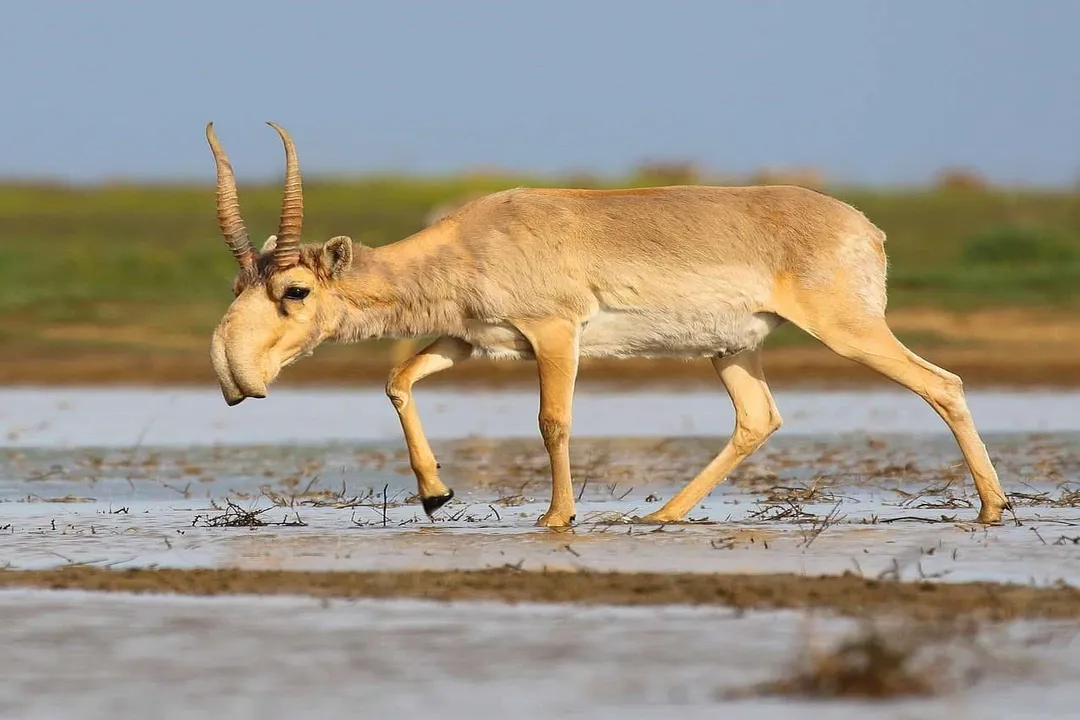
The saiga is the sole living member of the genus Saiga. [1] Historically, scientific naming has seen some revision, but current consensus typically recognizes two subspecies under the species name Saiga tatarica. [1][2] These two recognized groups are Saiga tatarica tatarica and Saiga tatarica mongolica. [1] A key point of taxonomic debate sometimes surrounds the Mongolian group, which is occasionally suggested to be an independent species or linked to the extinct Saiga borealis from the Pleistocene epoch. [1][2]
# Russian Range
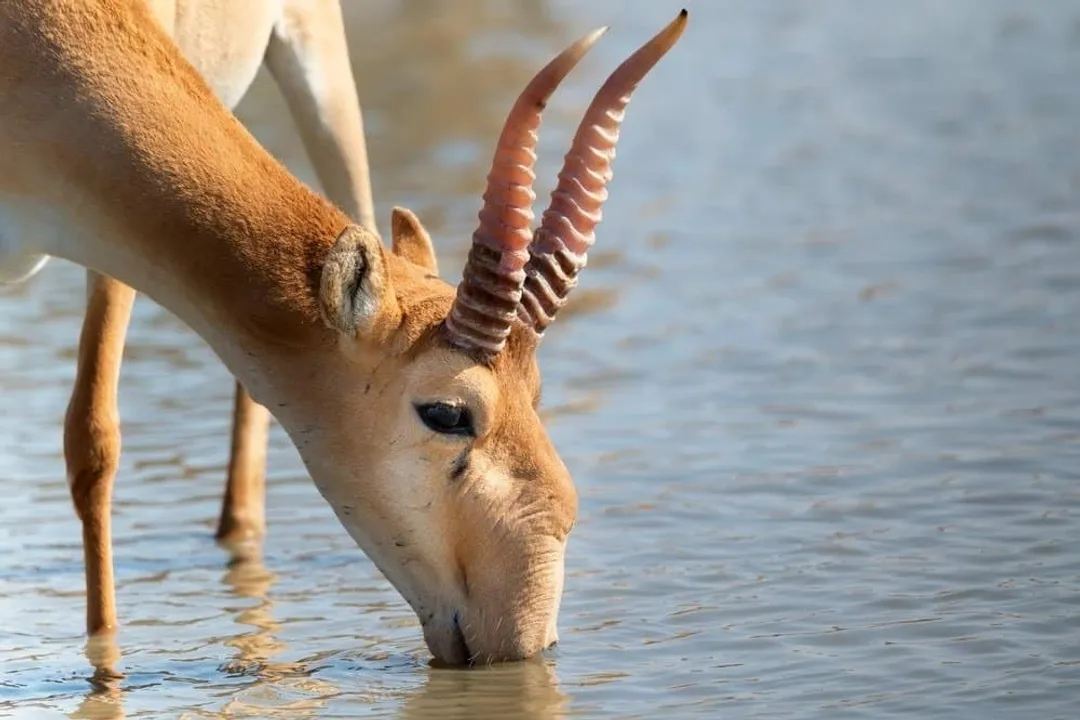
The dominant subspecies, S. t. tatarica, commonly called the Russian saiga, holds the vast majority of the global population. [1][2] Its current distribution is centered in Central Asia. [1] Today, this group is primarily found in Kalmykia and the Astrakhan Oblast of Russia, as well as in Kazakhstan across the Ural Mountains, the Ustyurt Plateau, and the Betpak-Dala region. [1] Furthermore, a segment of the Ustyurt population undertakes a seasonal migration south into Uzbekistan and occasionally Turkmenistan during the winter months. [1] This large, nomadic group is adapted to the extensive arid and semi-desert grasslands of this region. [2][1]
# Mongolian Distinct
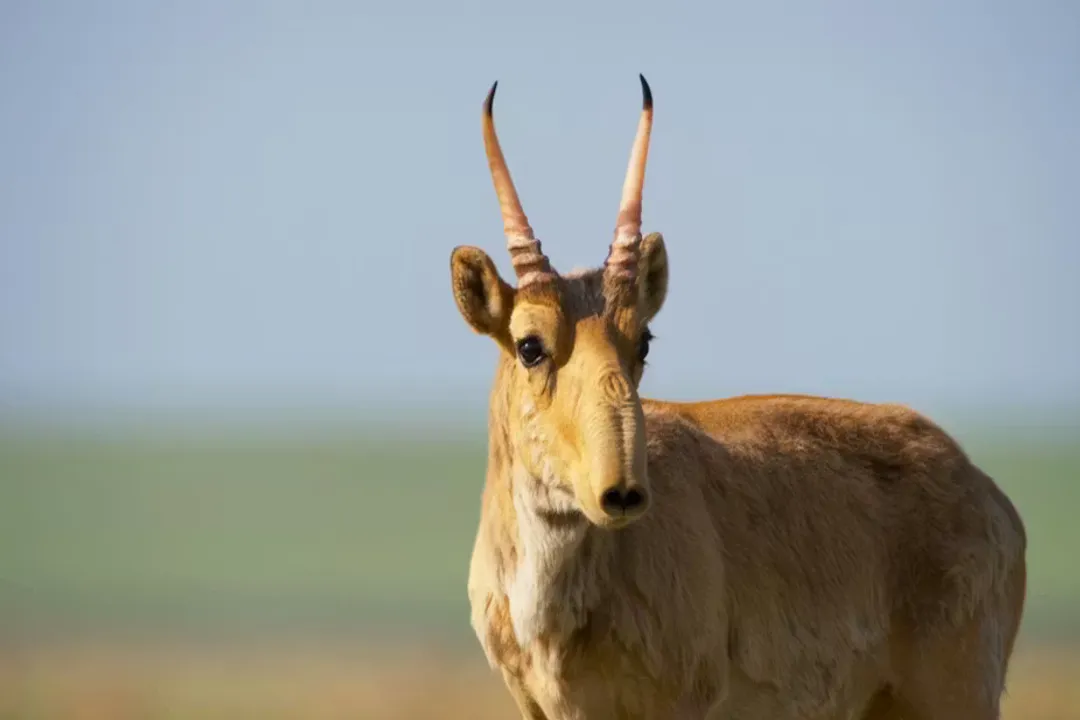
In stark contrast to its widespread relative, the S. t. mongolica, or Mongolian saiga, is far more restricted in its territory. [1] This subspecies is confined to a small area in western Mongolia. [1] Specifically, its presence is associated with the Sharga and Mankhan Nature Reserves. [1] The migratory patterns of the Mongolian subspecies are reportedly less dramatic than those of the Russian saiga, and their reduced population size likely lessens their need for such vast feeding ranges. [2]
# Former Geography
Tracing the historical ranges illuminates the fragmentation that has led to the current subspecies division. [1] The species was once widespread across Asia, including an area now known to have hosted a distinct saiga population in China—the Junggar basin and Beita Mountains—which has no field records since the 1970s, indicating local extinction. [1][2] The historical range of the saiga extended significantly into areas where it no longer exists, such as Romania, Ukraine, and southwestern Mongolia. [1] The fact that the Chinese population vanished and the Mongolian population is now critically restricted to one corner of that former eastern range suggests that the pressures leading to decline—poaching and habitat alteration—affected distinct regional populations differently, creating the sharp demarcation we see between tatarica and mongolica today. [1][2] It is interesting to consider that, following the collapse of the USSR, the primary conservation efforts were necessarily focused on the huge populations remaining in Kazakhstan and Russia, potentially leaving smaller, already isolated groups like the Mongolian saiga to face their specific local threats more independently. [2]

# Horn Differences
While both sexes are recognized as ungulates living in herds on the steppes, [2] the easiest way to visually distinguish the males of the two subspecies lies in their weaponry. [2] Only the males carry horns, which are waxy colored and feature pronounced rings. [1][2] The difference in their maximum potential horn length is quite pronounced: horns from the Russian S. t. tatarica specimens can reach lengths between 28 and 38 centimeters. [1][2] By comparison, the horns of the Mongolian S. t. mongolica only attain a maximum length of about 22 centimeters. [1][2] This morphological divergence, coupled with geographic isolation, underscores their status as distinct subspecies, even if they share the same existential threats from disease and poaching. [1][2]
# Conservation Focus
Both subspecies are listed as Critically Endangered by the IUCN. [1][2] The primary driver of decline across the entire species has been intense, selective poaching targeting males for their valuable horns, which are used in traditional Chinese medicine. [1][2] Poaching creates a skewed sex ratio, severely impacting reproductive success. [2] The mass mortality events caused by diseases like pasteurellosis have further devastated both groups, demonstrating that even large, nomadic herds can be wiped out rapidly by environmental triggers like unusual warmth and humidity. [1] While recent census data from Kazakhstan shows the tatarica population making a significant comeback, reaching over a million individuals in 2022, [1] the mongolica population remains small, with older estimates suggesting only around 750 individuals remaining in the wild. [2] This disparity in recovery size presents a real challenge: while international efforts focus on the rebounding tatarica populations, the small, isolated mongolica group might require a hyper-localized and intensive intervention strategy to secure its future. [2] The stark difference in horn size between the two subspecies is a physical marker of their separate evolutionary paths, suggesting that conservation success metrics, while both striving for "Near Threatened" status, must account for the specific genetic viability and local ecological stressors affecting each genetically distinct group. [1]
Related Questions
#Citations
Saiga antelope - Wikipedia
Saiga tatarica - A-Z Animals
Endangered Species #7 The Saiga Antelope - Steemit
Saiga | All Species Wiki | Fandom
Saiga tatarica (saiga) | INFORMATION - Animal Diversity Web
Saiga Antelope - WCS China - Wildlife Conservation Society