What color eyes do Boykins have?

The definitive hue of a Boykin Spaniel’s eyes centers around the warmer spectrum, typically described as shades of brown, amber, or gold. This "Little Brown Dog," as it is affectionately known, has an eye color that is nearly as consistent as its rich, brown coat, yet the specifics allow for a surprising depth of variation depending on which breed standard you consult. When you observe a Boykin, you are usually greeted by an expression of intelligent focus, which is heavily influenced by this signature eye coloring.
# Color Range
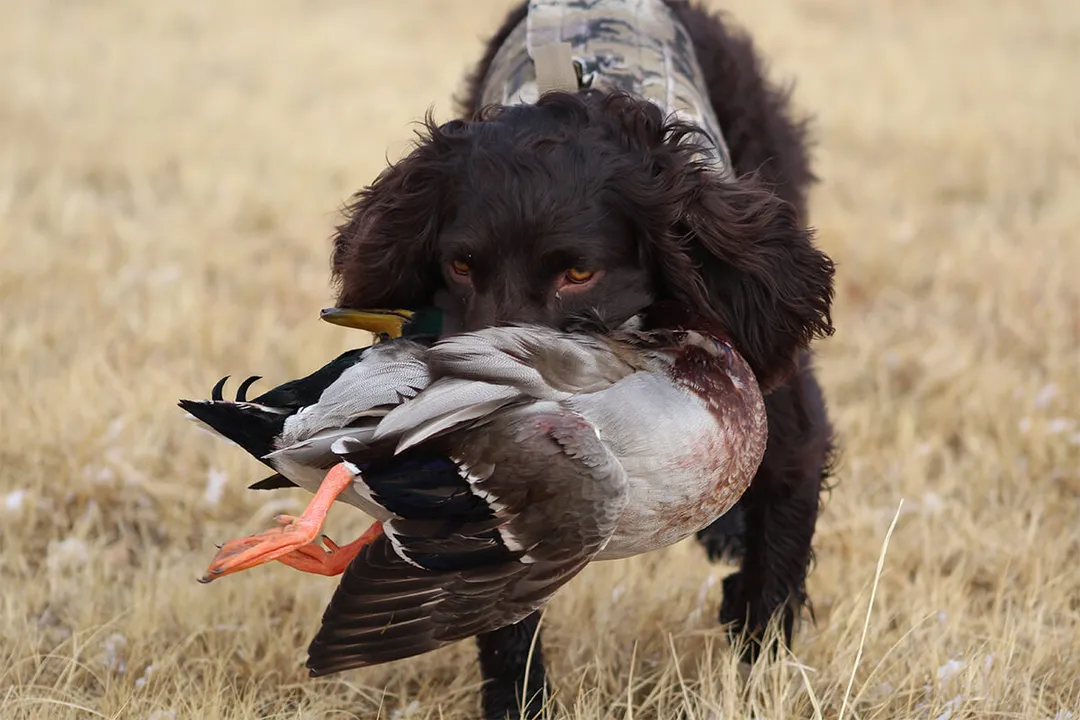

While the most common layman's description settles on "brown," a closer look at the breed standards reveals a spectrum worth noting. The Boykin Spaniel Society (BSS) indicates that eyes should range from yellow to brown, with a clear preference given to the darker shades of yellow over the lighter ones. This creates a distinct look where the eye color is specifically expected to harmonize with the dog's liver or chocolate coat coloration.
In contrast, other registries offer slightly broader descriptions. For instance, some profiles suggest the color ranges from a brilliant gold to a dark amber. Yet another registry details the acceptable palette as hazel, amber, or medium to dark brown. These variations underscore that while stark blue or black eyes would certainly be considered faults, the permissible range is wide enough to include eyes that appear quite light, almost honey-toned, alongside those that are deep, dark chocolate-brown.
It is intriguing to compare this defined palette with the coat color. Since the Boykin is primarily seen in liver or chocolate shades, the eyes must complement this warmth. A deep, dark brown eye perfectly mirrors the darkest chocolate coat, while a rich amber tone beautifully sets off a lighter, reddish-brown liver coat. This interplay between coat and eye pigment is a subtle visual hallmark of the breed, designed to create a cohesive, striking appearance befitting a dedicated sporting dog.
A practical consideration for new owners is that the deep color expected in adulthood is not always present at birth. If you are evaluating a very young litter, you might notice a distinctly different shade. Boykin puppies can present with eyes that appear milky bluish-gold to amber during their first few months of life before they settle into their mature hue. Patience is key here; observing the shift as the puppy develops is part of the experience of owning this breed. It’s worth noting that a very clear, dark adult eye color often correlates with strong overall pigment in the nose leather and eye rims, which is generally a positive sign of breed quality.
# Expression Harmony
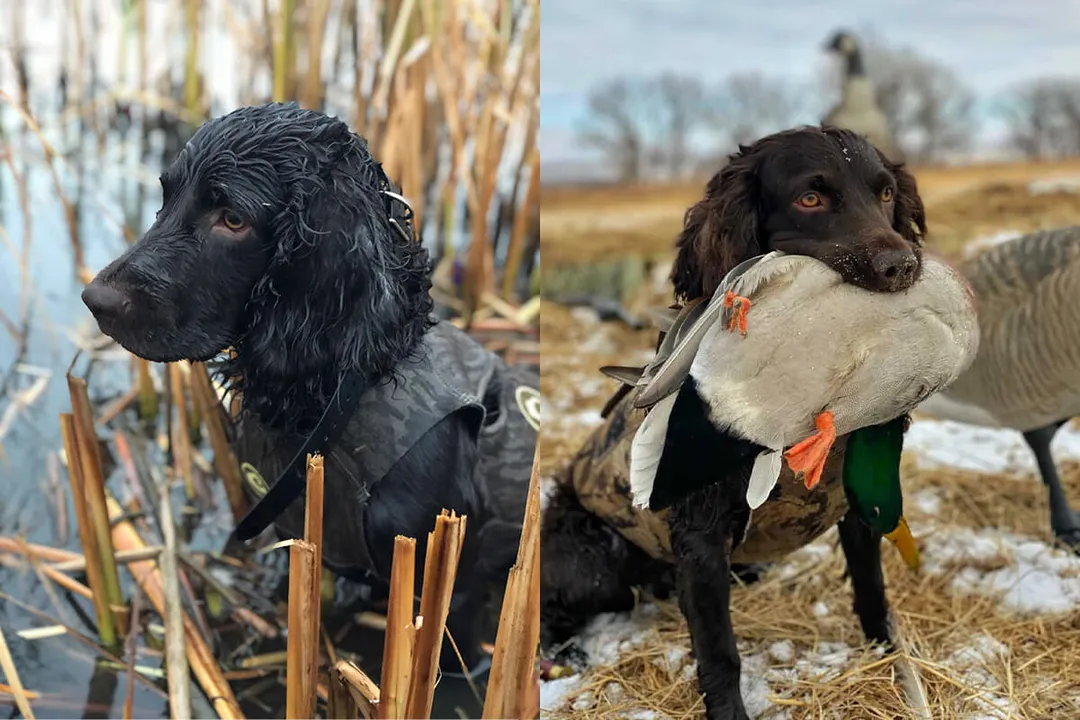
The color itself is only one component of what makes the Boykin eye so appealing; the shape and the expression it conveys are equally important in defining the breed’s character. The eyes are typically described as being set well apart, and their shape is often characterized as oval, almond, or diamond. They are meant to be engaging and bright.
What truly sets the Boykin’s gaze apart is the expression: it must convey that the dog is alert, intelligent, and trusting. This intelligent gaze reflects the breed’s eagerness to please and its ability to think in the field, a necessary trait for a dog bred to work in close quarters like a canoe. A light-colored eye that lacks this intelligent alertness might be judged as a fault, not because of the color itself, but because it fails to communicate the necessary drive and focus expected of a sporting companion.

# Registry Differences

For those interested in the finer points of breed conformation, understanding the subtle differences between the major kennel club standards can be revealing. While the Boykin Spaniel Society emphasizes the harmonization of yellow-to-brown eyes with the coat, the Continental Kennel Club (CKC) provides a concrete list that explicitly includes hazel, amber, or medium to dark brown. Generally, neither standard accepts eyes that are too prominent or bulging, emphasizing that the eye rims should be well-fitted and well-pigmented.
When evaluating a dog, whether for companionship or competition, the richness of the color is often a subject of enthusiast discussion. While the standard permits a range up to a lighter yellow or gold, the characteristic look that many hunters cherish is often the deeper amber or medium brown. This subtle preference suggests that while a purebred, healthy Boykin will always fall within the acceptable color parameters, the deepest, richest browns often provide the most classic and intense impression of the breed's focused temperament. The consistency in requiring the eyes to be well-protected by surrounding bone also speaks to the breed's history as a working dog, where eye safety in dense cover and marsh grass is paramount.
Related Questions
#Citations
Breed Standard - Boykin Spaniel Puppies
Boykin Spaniel - Wikipedia
Boykin Spaniel - Dog Breeds - American Kennel Club
Boykin Spaniel Dog Breed Information and Pictures
Boykin Spaniel - All About Dogs - Orvis
Boykin Spaniel - Dog breed genetic test - Koko Genetics
Boykin Spaniel Dog Breed Information - Continental Kennel Club
Boykin Spaniel: Hunting Dog Breed Profile - Wildfowl
Boykin Spaniels: Breed Profile - GUNNER