What is the temperament of a Bergamasco dog?

The Bergamasco Sheepdog presents a fascinating blend of the devoted companion and the vigilant protector, characteristics deeply rooted in its heritage as a herding dog from the Italian Alps. [9] To understand this breed is to appreciate a stable, balanced nature that forms a powerful attachment to its primary family unit. They are generally described as intelligent, loyal, and loving dogs, [2] possessing a demeanor that is often calm and surprisingly gentle, especially when they are comfortable in their surroundings. [1][4] This breed is known for its profound devotion; once a Bergamasco chooses its people, that bond is exceptionally strong, often leading to a desire to remain close to its family members throughout the day. [3]
# Core Traits

The mental makeup of the Bergamasco is often cited as one of its most defining features, closely tied to its intelligence and inherent protective drives. They are astute observers, capable of assessing situations quickly, which is a trait honed over generations of independent decision-making while moving livestock. [5] This sharp intellect means they are quick studies in training, showing responsiveness when taught new commands and tasks. [1] However, this intelligence is coupled with an independent streak; they are not typically dogs that live to simply please their owners in every moment, which can sometimes be mistaken for stubbornness. [10]
This characteristic independence requires an owner who understands the difference between obedience and partnership. Where some breeds might rush to comply purely for praise, the Bergamasco is more likely to weigh the request against the situation. This thinking process is a significant component of their temperament. A successful owner recognizes that their dog is thinking, not merely obeying. [5] This thinking capability means mental stimulation is as crucial as physical exercise; a bored Bergamasco, regardless of physical activity, can become creatively destructive or develop behavioral quirks rooted in underutilized brainpower. [4]
# Family Bonds
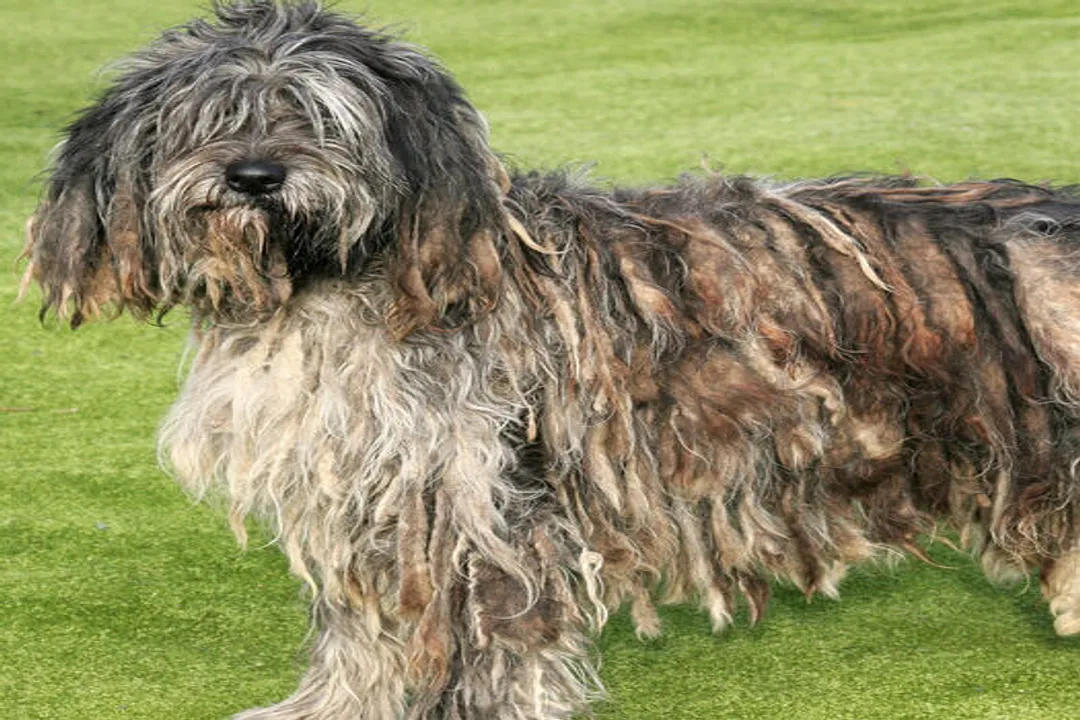
The relationship a Bergamasco develops with its immediate family is characterized by deep affection and patience. They often transition well into family life, displaying remarkable gentleness and patience, particularly with children. [1][4] This calmness around known family members allows them to seamlessly integrate into the daily rhythm of the household. [3] They are known to form an attachment that borders on possessiveness, not in a malicious way, but in a desire to be near and keep watch over their people. [5]
It is important to note that while they are gentle, they are also large, sturdy dogs, which means supervision is always advised around very small children to prevent accidental bumps, even if the dog's intent is purely affectionate. [4] Their devotion means they thrive on being included in family activities. Leaving a Bergamasco isolated or alone for extended periods can negatively impact their sensitive nature, leading to anxiety or undesirable behaviors that stem from separation rather than aggression. [3] They are dogs that want to be with you, perhaps sitting quietly near your feet while you work, rather than constantly demanding direct interaction. This preference for proximity over perpetual engagement is a quiet expression of their loyalty.

# Guard Instincts
A defining element of the Bergamasco temperament is its strong, innate protective instinct. This is not the flashy, reactive guarding of some modern breeds, but rather a reserved, watchful attentiveness born from their historical role as protectors of sheep flocks. [7][9] They are naturally suspicious of unfamiliar people and situations. [3][4] When strangers approach, the typical Bergamasco reaction is reserved caution—they watch, assess, and wait for cues from their owner before responding. [5][10]
This wariness around newcomers necessitates diligent early socialization. Exposure to a wide variety of people, sounds, and environments during puppyhood is critical for developing a well-adjusted adult dog. [4] Without this foundational work, that natural caution can easily solidify into overt suspicion or territorial aggression. An unsocialized Bergamasco may bark excessively at perceived intruders or fail to recognize safe social interactions. The key distinction here is that they are not indiscriminate greeters; they tend to prefer a calm, respectful introduction to strangers, often preferring to observe from a distance until they deem the newcomer trustworthy. [3]
If one were to plot the breed’s reaction spectrum, on one end is the calm, accepting family member, and on the other is the serious, immovable guardian. The owner’s handling and training determine where on that spectrum the adult dog settles. An owner who respects their protective nature but consistently guides their responses will end up with a reliable protector who only alerts when necessary, rather than one who barks at every passing leaf. [7] This balance between protective instinct and social acceptance is perhaps the most delicate aspect of managing the breed's temperament effectively.
# Training Needs
Bergamascos are intelligent and generally considered trainable. [1][2] Their intelligence, however, demands a thoughtful approach to training, favoring consistency and positive reinforcement over harsh methods. They do not respond well to punitive training; their sensitive nature means they can shut down or become resistant if they feel unfairly treated or confused by inconsistent commands. [5]
Effective training centers on building mutual respect and clear communication. Because they possess independent judgment, owners must establish themselves as the benevolent leader early on. Training sessions should be kept interesting, varied, and relatively short to hold their attention. [4] Think of training less as rote drilling and more as problem-solving games that engage their sharp minds. Consistency is paramount; if a command is enforced one day but ignored the next, the Bergamasco will quickly learn that the command is optional. [10]
A helpful insight for new owners relates directly to their herding background: these dogs were bred to work independently but within a defined boundary system. Therefore, they excel when given defined roles or tasks, which taps into their working drive without requiring constant human direction. For instance, teaching them specific household jobs—like bringing slippers or alerting to a ringing doorbell—satisfies their need for purpose far better than simple repetition of "sit" or "stay" alone. [4] This proactive assignment of a job prevents them from inventing their own, less desirable, jobs.

# Socialization Effects
While their bond with family is fierce, their disposition towards other animals and unfamiliar people is heavily influenced by socialization efforts starting in puppyhood. [4] A well-socialized Bergamasco can live harmoniously with other pets, often viewing them as part of their extended "flock". [1] However, their protective instincts mean that introducing them to new dogs requires careful management, especially if the other dog is overly boisterous or challenging.
The lack of early exposure, conversely, solidifies their natural wariness. If a Bergamasco puppy is sheltered, it may grow into an adult that is overly suspicious or reactive to novel social situations. [8] This is where the breed’s independent thought process requires firm, yet gentle, human guidance. They need to learn that the world outside their immediate home environment is generally safe, even if it is populated by many strange individuals. [3] The goal is not to turn them into outgoing social butterflies—that is not their nature—but to ensure their protective stance remains one of measured observation rather than automatic confrontation.
# Activity Levels
The Bergamasco is not categorized as an extremely high-energy breed, but they certainly require consistent daily activity to remain content. [5] They possess moderate energy levels, which aligns with their role as a working sheepdog that would spend long hours patrolling or moving flocks, interspersed with periods of watchful waiting. [1][4]
A typical day should include at least one substantial walk or period of outdoor activity, coupled with mental engagement. [5] Their exercise needs are often better met through activities that engage their minds—like scent work, training drills, or perhaps even carting if the owner is interested in dog sports—rather than simply endless running. While they enjoy a good romp, sustained high-impact running might not be as necessary or as beneficial as focused mental work.
This brings up a second observation regarding their exercise profile. Many potential owners overestimate the need for constant, intense physical output based on their history as a herding breed, or conversely, underestimate the need for consistent mental input based on their calm demeanor indoors. If a Bergamasco gets a solid hour of focused, varied activity (a brisk walk followed by a 20-minute training session), they are usually quite happy to settle down for hours. The critical factor is the quality and focus of that hour, not necessarily the sheer quantity of miles covered. If you are looking for a dog to keep up with marathon runners, this might not be the best fit; if you want a devoted companion for long hikes punctuated by thoughtful stops, they excel. [1]

# Temperament Comparison
When comparing the Bergamasco to other flock guardians or herding breeds, their temperament shows a unique blend of characteristics. Unlike some highly driven herding breeds that may herd people or small animals through nipping or intense chase drives, the Bergamasco’s herding style tends to be more about presence and control through observation. [9] They are less likely to be frantic or overly frantic in their work or play compared to, say, a Border Collie, yet they possess an equal, if not greater, capacity for independent problem-solving.
Furthermore, while they are exceptionally loyal to their family, their reserved nature towards strangers sets them apart from some of the more outgoing, universally friendly guarding breeds. They are not aloof, but they are selective. This selectivity is an asset for property guarding but requires management in public spaces. They value their inner circle deeply and are less inclined to seek validation from strangers, which owners must respect. [3][5]
| Temperament Aspect | Bergamasco Trait | Owner Implication |
|---|---|---|
| Intelligence | Bright, responsive, independent thinker [1][5] | Requires varied mental stimulation and clear, respectful leadership. |
| Affection | Deeply devoted and loving to family [2][3] | Needs to be an integrated family member; suffers from isolation. |
| Protection | Reserved, watchful, cautious of strangers [4][7] | Requires early, thorough socialization to prevent undue suspicion. |
| Energy | Moderate, enjoys activity but needs mental tasks [5] | Exercise should prioritize quality and mental challenge over sheer duration. |
In summary, the Bergamasco Sheepdog is a thoughtful, steady, and profoundly loyal companion whose temperament is best described as reserved devotion. They offer a calm presence within the home while retaining the intelligence and alertness required of a historic guardian. Success with this breed hinges on recognizing and respecting their inherent working intelligence and their need for a secure, consistent bond with their human family. [4][10]
Related Questions
#Citations
Bergamasco Sheepdog Dog Breed Information
Bergamasco Sheepdogs are bright, loyal, loving, and trainable with ...
Temperament — IBSA
Bergamasco Sheepdog: Dog Breed Characteristics & Care
temperament - artos bergamasco sheepdogs
AKC Standard - Bergamasco Sheepdog Club of America
Bergamasco - VCA Animal Hospitals
Bergamasco Dog Breed Information | Purina UK
Bergamasco Shepherd Dog | CKC
Bergamasco Shepherd | Dog Breed Facts and Information - Wag!