What is the rarest terrier dog breed?

The quest to name the single rarest terrier dog breed is like trying to capture smoke; the title shifts depending on which registry you consult, the year the data was collected, or even the country you are surveying. [2][3] Rarity in purebred dogs is often fluid, influenced by geographic isolation, niche breeding purposes, or simply low registration numbers in a specific region. [2] However, when historical anecdotal evidence meets modern lists of scarcity, one breed consistently surfaces with a startling claim to the title: the Skye Terrier. [1]
# The Rarest Contender

If official acknowledgment and vivid descriptions of near-extinction are the metrics, the Skye Terrier edges out many others for the dubious honor of being the rarest. Hailing from the Isle of Skye in Scotland, this breed is noted for its courage, dignity, and powerful, long, low-to-the-ground build. [1] Historically, these canines were developed specifically for hunting foxes along the rocky Scottish terrain. [1]
The stark reality of their low population is perhaps best summarized by a statement from the American Kennel Club (AKC) enthusiasts: "There are more Giant Pandas in the world than there are Skye Terriers". [1] This comparison underscores a level of scarcity that places them in a precarious position globally. They are described as canny, strong, and intensely loyal to their families, though they can carry a stubborn streak typical of their terrier heritage. [1] Owners must also be prepared for the maintenance of their thick, elegant double coat, which requires frequent grooming to maintain its style and dignity. Another source concurs, noting the Skye Terrier as one of the oldest and rarest breeds overall. [3]
This extreme rarity stands in contrast to many other well-known breeds, such as the Labrador Retriever or French Bulldog, which populate dog parks across the country. [2] While the Skye Terrier may hold the top spot based on dramatic narrative, a handful of other terriers are also fighting for survival in the lower tiers of popularity lists in the United States. [2]
# Degrees of Scarcity
Rarity isn't a binary condition; some breeds are "Moderately Rare" while others are simply listed as "Rare" by tracking organizations like the AKC based on registration data. [1][2] Examining these different tiers provides a better appreciation for the struggle some terrier lines face.
For instance, the Manchester Terrier, recognized by the AKC, is designated as "Rare" on some U.S. lists. [2] This breed holds historical significance as the oldest breed of terrier, originally developed in England with the express purpose of rat control. [2] Today, they are known for their speed, loyalty, and energy, adapting well to both city and country living. [2]
The American Hairless Terrier also falls into the "Rare" category in the U.S.. [2] This breed has a very modern origin, appearing as a natural variation of the Rat Terrier in the 1970s. [2] Their unique trait is, of course, their lack of hair, which naturally makes them a consideration for allergy sufferers seeking a hypoallergenic companion. [2] Despite their novelty, they are described as intelligent, affectionate, and fairly easy to manage. [2]
Furthermore, the Patterdale Terrier is cited as a "Rare" working terrier. [2] These dogs are tenacious, compact, and possess a high prey drive, traits that make them exceptionally capable workers but potentially challenging for novice owners seeking a purely sedentary companion. [2]
Slightly less scarce, yet still far from common, are those breeds labeled "Moderately Rare." The Bedlington Terrier fits this description on some surveys. [2] Known for its distinctive, lamb-like appearance, this English native is fiercely protective and was historically a strong hunter. Another is the Russell Terrier, a spirited, small dog closely related to the Jack Russell Terrier, bred for bolting foxes. [2] Even breeds like the Australian Silky Terrier—which combines toy breed elegance with terrier spunk—are listed in this moderately rare tier. [2]
This variance in classification highlights an important dynamic: a breed might be moderately rare in one region but virtually unknown elsewhere, which complicates any definitive ranking. [3] The definition of "rare" relies heavily on the dataset being used—AKC registrations versus international club data, for example. [2][3]
# Unique History Among Rare Terriers
Beyond population statistics, the heritage of these less common terriers offers a compelling reason for their preservation, often linked directly to the specific environments they were developed to work in.
Consider the Cesky Terrier, the national dog of the Czech Republic. This breed offers an interesting comparison point to the Skye Terrier; while both are from island/region-specific origins (Scotland vs. Czech Republic), the Cesky Terrier was specifically developed by crossing a Scottish Terrier and a Sealyham Terrier. This intentional crossbreeding aimed for a versatile hunting dog that, interestingly, is often reported as being less active and quieter than many of its terrier cousins, sometimes making it a better fit for first-time owners ready to commit to a terrier temperament. They are recognized for their silky coat, and their distinguished beard and eyebrows give them a unique profile.
Moving across Europe, the Dandie Dinmont Terrier stands out as a true piece of Scottish history. These dogs were bred for the tough work of hunting badgers and otters. What truly sets the Dandie Dinmont apart, and solidifies its place in cultural history, is that it is the only breed named after a fictional character—specifically, a character in Sir Walter Scott’s novel, Guy Mannering. While affectionate and loyal, their strong will requires patient, consistent training, though they may possess slightly lower energy levels compared to other terriers.
It is a common trend among rare breeds that their function dictates their rarity. Terriers developed for specific, localized tasks—like badger baiting or hunting on rugged islands—did not need the vast numbers or widespread appeal of general-purpose farm dogs or popular companions. [1] Their continued existence relies heavily on the dedication of preservationists. [1]
# Preservation Efforts and Owner Commitment
The stories of these rare terriers reveal a common thread: they were all bred for a specific, often demanding, job. [2] The Skye Terrier hunted on harsh islands, the Patterdale has a high prey drive for working, and the Manchester Terrier was a tireless exterminator. [1][2] For enthusiasts looking to bring one of these unique dogs home, the commitment required goes well beyond standard pet ownership.
The financial aspect also reflects scarcity. While costs vary widely, acquiring a rare dog can easily range from $$1,000$10,000$, depending on lineage and availability. [2] This cost often reflects the difficulty in finding a reputable breeder actively maintaining a small gene pool, rather than just the dog's inherent value.
This leads to an important consideration for prospective owners: how does one responsibly select a rare breed? If a breed is categorized as "Rare" (like the Manchester Terrier or Patterdale Terrier) versus "Moderately Rare" (like the Bedlington or Russell Terrier), the supply chain is significantly tighter. [2]
An original observation here is that prospective owners of the most endangered terriers, such as the Skye, should focus less on immediate acquisition and more on long-term support for the breed's survival. Finding a dog that is merely "Rare" by AKC standards might mean you can find a reputable breeder with a puppy available in the next year or two, allowing for the careful research needed to vet them properly. [2] For the Skye Terrier, however, an interested party might need to engage with international breed clubs or be prepared for a multi-year waiting list, effectively acting as a patron of the breed rather than just a consumer of a pet. [1] This dedication ensures the lineage continues, even if the population remains critically small.
Another critical factor, mentioned in the context of other rare breeds, is the need for adequate outlets for their historical drive. [1] Even the Cesky Terrier, noted as being quieter than others, still requires sufficient physical and mental exercise to prevent behavioral issues arising from boredom. For a breed like the Patterdale, with its inherent high prey drive, an owner must commit to rigorous management and training if they live in a pet-filled environment, as their instincts will always lean toward the hunt. [2]
# Beyond Registration Numbers
While official registries paint a picture of which breeds are struggling in terms of paperwork, there is another layer to rarity: heritage breeds that may not fit neatly into modern kennel club standards. Some breeds descend from primitive canines that have existed since ancient times, and their rarity stems from their geographic isolation or traditional roles.
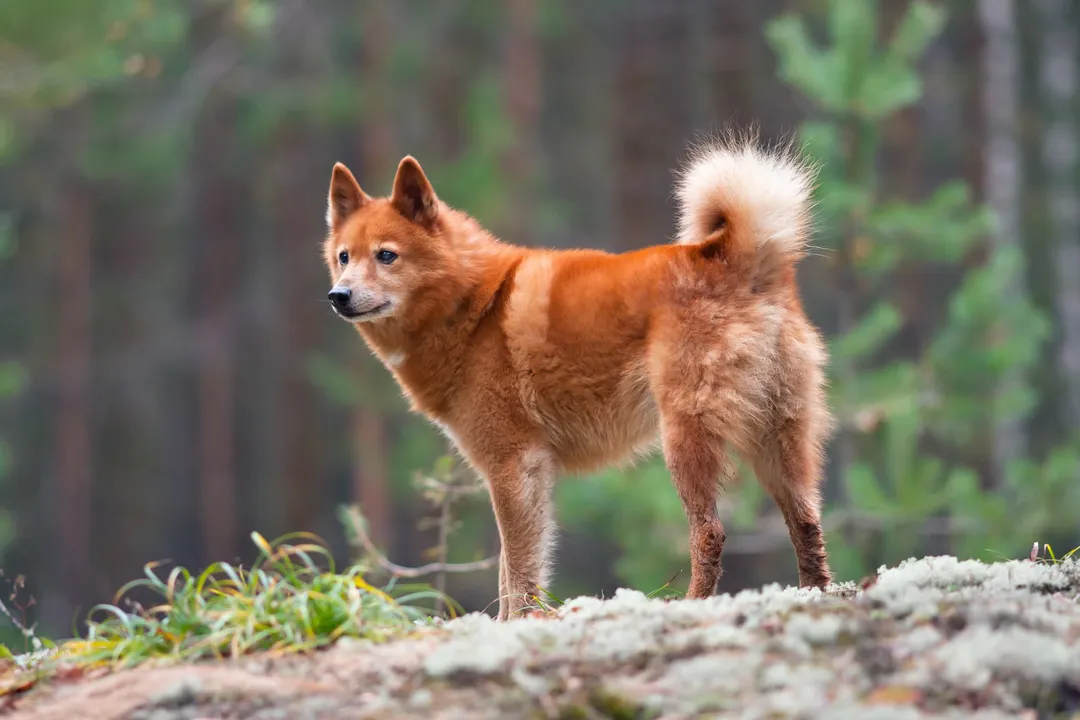
For example, the Canaan Dog, Israel's national dog, is known for its intelligence and independence, thriving best with experienced owners who commit to lifelong training and socialization because of their natural reserve around strangers. Similarly, the Finnish Spitz, with its fox-like looks, is common in Finland but rare globally, due in part to limited breeding outside its home country. These dogs, while perhaps more common regionally than the Skye Terrier, are still rare on a world stage, showing that rarity is inherently localized.
When considering the rarest terrier, it is vital to look past the purebred concept entirely. One Reddit user pointed out that the truly rarest dogs might not show up in conventional registries at all, suggesting that highly specific local mixes or landrace populations could arguably be the rarest populations of canines existing today. [3] While this article focuses on purebred terriers whose scarcity is tied to established lines, this insight reminds us that the genetic diversity and history of dogs extends far past official books.
In summary, while the Skye Terrier currently commands attention due to the dramatic comparison suggesting its near-disappearance from the general populace, [1] the term "rarest terrier" is a moving target. It encompasses the long-established, critically low-numbered Scottish imports, the newer, slow-to-catch-on breeds like the American Hairless Terrier, and the working dogs whose specialized nature limits their appeal or visibility. [2] For any rare breed enthusiast, the responsibility lies not just in acquisition, but in becoming an active guardian of that breed's unique history and temperament.
Related Questions
#Citations
20 Rare Dog Breeds That You Never Knew Existed
What are the 3 rarest dog breeds? - Reddit
20 Rare Dog Breeds - PetMD
25 Rare Dog Breeds You May Have Never Heard Of - Rover.com
20 Rare Dog Breeds That Make Truly Extraordinary Companions