What is the life expectancy of a Bulldog mix?

When considering a Bulldog mix, one of the most common and pressing questions centers on how long that unique companion might stay by your side. Unlike purebreds, where historical data can offer clearer benchmarks, predicting the lifespan of a crossbreed involves looking at the genetic averages of the parent breeds and understanding how those traits combine. [4] There isn't one simple number for every Bulldog mix, as the outcome is highly dependent on the non-Bulldog half of their DNA.
# Breed Context

To understand the potential lifespan of a mix, we must first establish the baseline health expectations for the Bulldog types most often involved in these crosses. The traditional English Bulldog, known for its distinctive pushed-in nose and stout build, often falls into a shorter lifespan bracket. Information suggests that the average English Bulldog might live between 8 to 10 years, [9] with some estimates placing the average closer to just 8 years. [2] This breed is genetically predisposed to certain health challenges related to its conformation, which naturally impacts longevity.
The American Bulldog, which is generally larger and has a longer muzzle (making it less brachycephalic than its English counterpart), typically has a more favorable outlook. PetMD indicates that the American Bulldog generally has a life expectancy ranging from 10 to 12 years. [5] Pawlicy also supports this range for the American Bulldog breed. [6] This difference is significant; an American Bulldog mix might inherit a genetic predisposition for a slightly longer life compared to a mix involving an English Bulldog. However, it is important to remember that both purebred lines carry their own sets of hereditary concerns that can influence their overall health trajectory. [9][5]
# Mix Variation

The true variability appears when you factor in the second breed. A Bulldog mixed with a breed known for exceptional longevity, like a Border Collie or a Poodle, might see an increase in their potential lifespan, sometimes attributed to the concept of hybrid vigor. This is the idea that mixing two distinct gene pools can reduce the concentration of specific recessive disorders common in highly inbred purebred lines. [4]
For instance, if you own a cross involving a Boxer or Pitbull, as referenced by owners inquiring about older dogs, [1] the resulting life expectancy will likely fall somewhere between the averages of the three involved breeds. If the Bulldog parent contributes structural issues, while the other parent contributes a propensity for cancer or heart disease, the resulting dog inherits a complex genetic portfolio. It’s less about adding the years together and more about which set of dominant health risks the dog ultimately expresses.
If we were to create a quick reference guide based purely on the established parent averages, one could hypothesize a range:
| Bulldog Parent Breed | Likely Average Purebred Lifespan (Years) | Potential Mixed-Breed Range Influence |
|---|---|---|
| English Bulldog | 8–10 | Heavily weight the lower end of the mixed lifespan |
| American Bulldog | 10–12 | Tends to pull the mixed lifespan toward the middle or higher |
When you look at a specific mix, like a "Bulldogge" type or a less common cross, the best approach is to research the known lifespan and major health risks associated with both contributing breeds. This provides a spectrum of possibilities rather than a single, often inaccurate, prediction. [4]

# Health Influencers
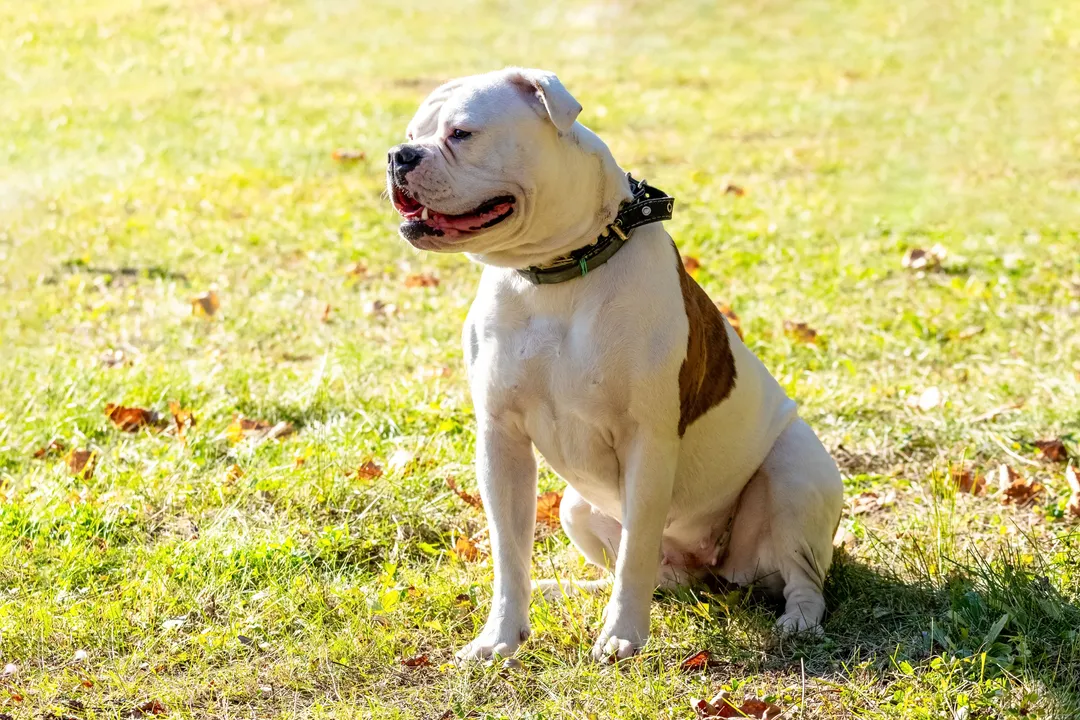
Longevity is less about a specific year count and more about the quality of those years, which is intrinsically linked to breed-specific health issues. Bulldogs, regardless of their exact makeup, often face challenges related to their structure. Brachycephalic airway syndrome, characterized by shortened muzzles, affects breathing, especially in heat or during strenuous activity. [9] While mixing with a dog having a longer snout may lessen the severity, any Bulldog mix requires diligent monitoring of respiratory function.
Furthermore, orthopedic issues, such as hip or elbow dysplasia, are common concerns in many larger or heavy-set breeds, including the American Bulldog. [5] Joint health is a significant factor in determining how active and comfortable a dog is in its senior years.
A key consideration often overlooked by new owners is weight management. Bulldogs are notoriously prone to obesity due to their lower energy levels and sturdy build. Carrying excess weight places severe strain on the heart, joints, and respiratory system, often shortening the functional lifespan considerably, irrespective of genetic potential. [7] A dog genetically set to live 11 years might only reach 8 or 9 if obesity is allowed to become chronic.
# Longevity Factors

Focusing only on the average number provided by a website can sometimes create a fixed, pessimistic expectation. Instead of simply accepting a potential 8 to 10-year window, owners should adopt a proactive approach centered on preventative care. Think of the purebred average as a warning sign—a prompt to invest heavily in early health screening and long-term wellness.
For instance, if the baseline for an English Bulldog is 9 years, and your mix lives happily to 11, you have successfully stretched that known genetic limit by prioritizing proactive care, such as excellent diet control and necessary preventative surgeries or supplements. This means shifting the focus from predicting the end date to maximizing the health span.
This proactive stance involves regular veterinary check-ups—perhaps more frequently than recommended for a generally healthier mixed breed—to catch issues like developing skin allergies (common in many wrinkles/folds), heart murmurs, or early signs of arthritis before they become debilitating.
When considering a young dog, it is beneficial to look at the expected senior status timelines. For many breeds with shorter lifespans, like the English Bulldog, senior care often begins around 6 or 7 years old. [8] For a longer-lived mix, that senior period might not begin until 8 or 9 years old. [8] Adjusting your expectations for when to start switching to senior-specific diets, increasing joint supplements, or scheduling more frequent geriatric blood panels is a tangible way to manage the lifespan uncertainty inherent in mixed breeds. By controlling the manageable variables—diet, exercise, weight, and preventative medicine—you exert the most influence over how many quality years your unique companion will enjoy.
Related Questions
#Citations
What is the average lifespan of a boxer bulldog mix with a ... - Quora
The Average Lifespan of a Bulldog is 8. My bulldog is 13 and looks ...
What is the expected life expectancy of a Bulldogs? - Facebook
Bulldog Mix Dog Breed Complete Guide - A-Z Animals
American Bulldog Dog Breed Health and Care - PetMD
American Bulldog Breed Guide: Characteristics, History & Care
Bulldog Lifespan: How to Support a Long, Healthy, and Happy Life
Lifespan of a Dog: A Dog Years Chart by Breed - PetCareRx
Bulldog Breeds Explained: Types, Temperament & Care Tips