What is the healthiest diet for goats?
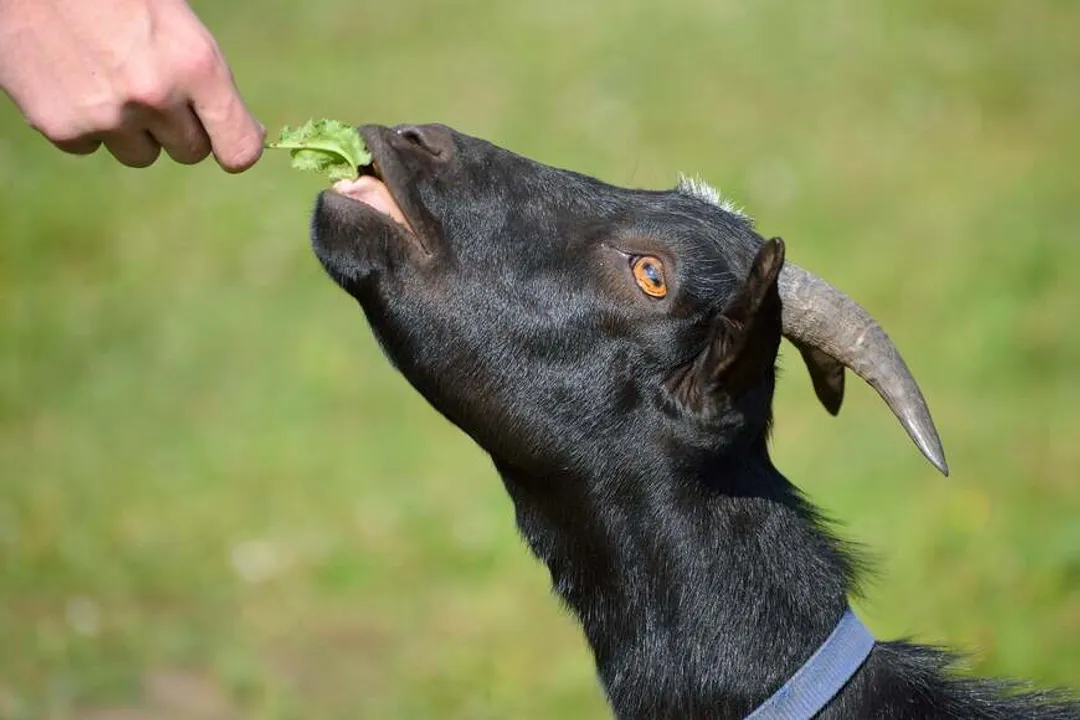
Goats are naturally browsers, meaning their instinct is to nibble on a wide variety of leaves, twigs, and weeds, which is a crucial distinction from sheep, who are primarily grazers. [8][5] Understanding this innate preference is the first step toward formulating the healthiest diet, one that mimics their natural foraging behavior as closely as possible while meeting modern production or pet needs. A goat's diet should be approximately 75 to 80 percent long-stemmed forage, which is essential for maintaining a healthy rumen environment, a necessity for efficient digestion in these ruminants. [3][2] Without adequate fiber from forage, the rumen pH can drop, leading to serious health issues like acidosis, which is why roughage forms the bedrock of any sound nutritional plan. [2][7]
# Roughage Basis
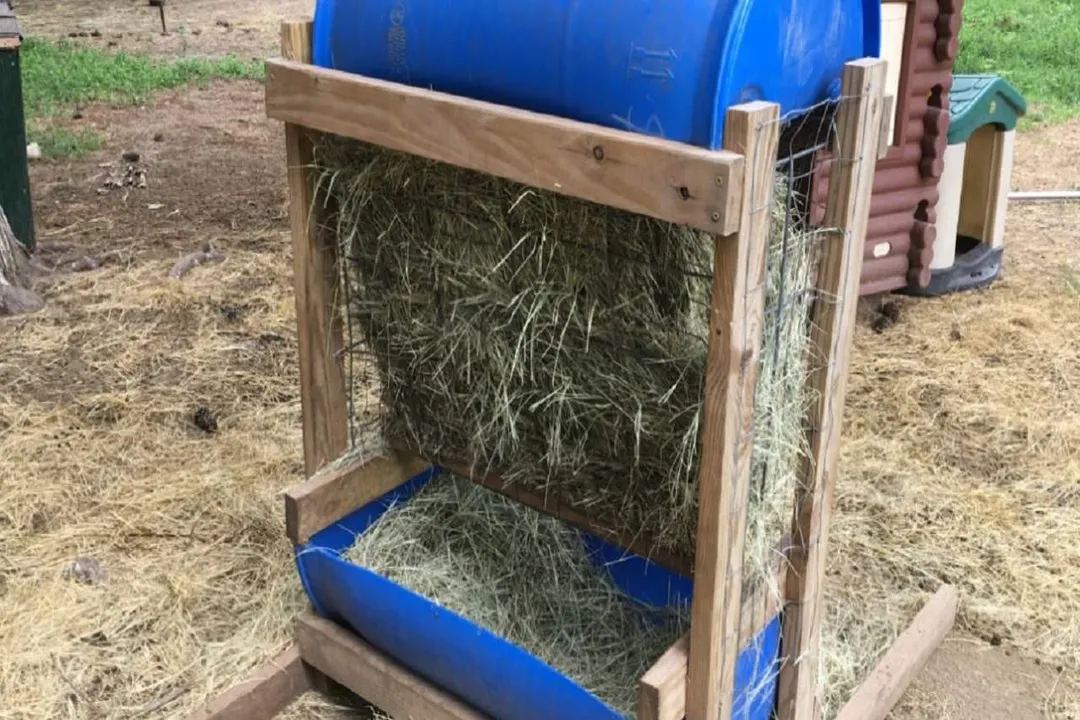
The majority of a goat’s diet should consist of high-quality, low-quality forage, such as hay or fresh pasture. [1][8] Fiber, provided by this roughage, is necessary to stimulate rumination, which in turn produces saliva that buffers the acids in the stomach. [2][3]
# Hay Quality
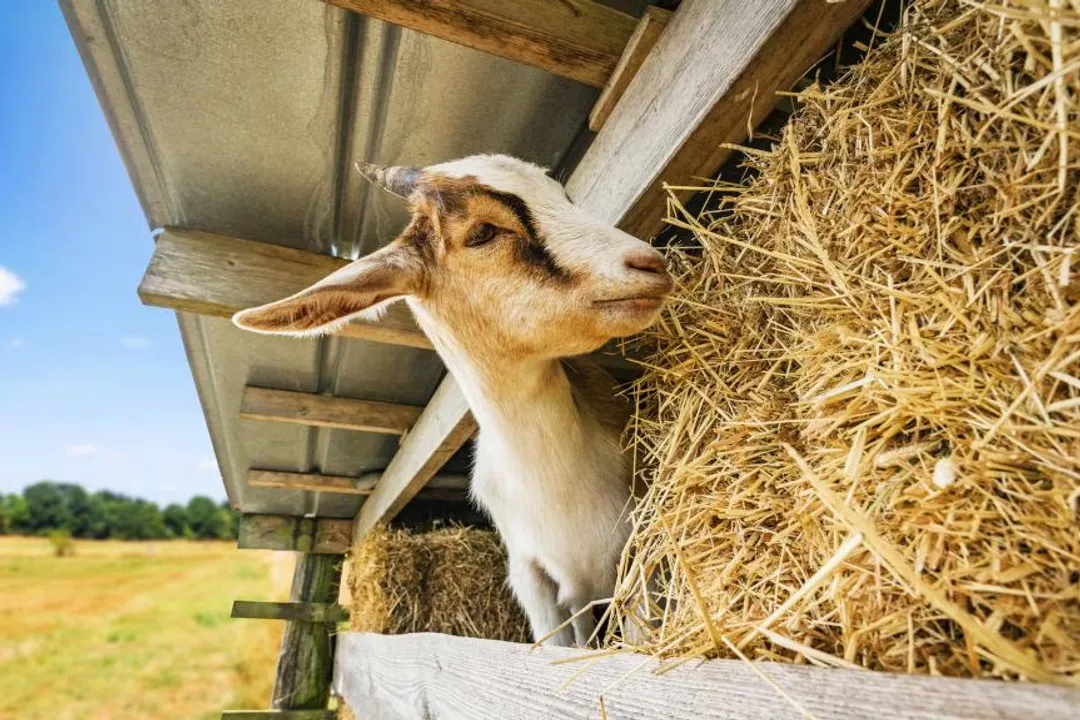
Hay serves as the primary, reliable source of fiber, especially during winter or when fresh pasture is unavailable. [7] The type of hay matters significantly. Grass hays like timothy, orchardgrass, or brome are generally excellent choices for maintenance diets for adult goats because they provide necessary fiber without excessive protein or energy. [6][7] Legume hays, such as alfalfa or clover, are richer in protein and calcium and are usually better suited for growing kids, pregnant or lactating does, or older, thin animals who require extra nutrients. [6][7] However, an adult, non-producing goat fed only alfalfa hay may easily become overweight and develop urinary calculi issues due to the high calcium load. [6]
A good rule of thumb for maintenance feeding is to aim for hay that is mature but not stemmy or overly coarse, offering a good balance of nutrition and digestibility. [7]
# Pasture and Browsing
While grass pasture can be part of the diet, goats prefer to browse on woody plants, shrubs, and broadleaf weeds rather than just eating short grass. [8] Providing access to varied, safe browse is ideal as it aligns with their natural behavior. [1][5] If relying on pasture, be mindful that the nutritional content of grass fluctuates dramatically with maturity and season; lush, rapidly growing spring grass, while tempting, can be very low in fiber and high in moisture and protein, sometimes leading to health issues if it constitutes the bulk of the diet too quickly. [3]
An often-overlooked aspect of pasture management for goats involves parasite control. Because goats are susceptible to internal parasites, relying solely on a single pasture, especially one shared with other ruminants or left unmanaged, can create a heavy parasite load. Varying grazing areas or implementing a strict rotation plan, perhaps alternating with poultry or resting the land entirely, is as crucial for their health as the nutritional content of the grass itself. [1]
# Essential Nutrients
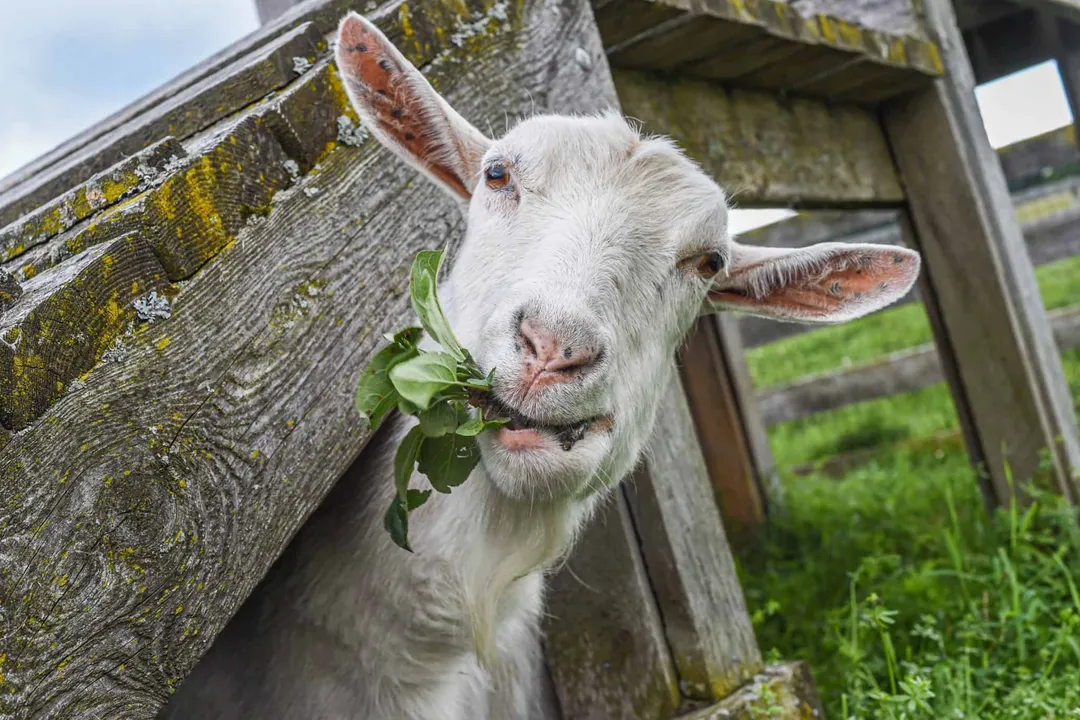
Beyond roughage, goats need specific macro- and micronutrients to thrive. These needs vary based on age, production stage (growth, gestation, lactation), and activity level. [5][9]
# Protein and Energy
Protein is vital for muscle development, milk production, and general body maintenance. [9] Requirements generally range from 12% to 18% depending on the life stage. [5] Growing kids and lactating does require the highest levels. [5] Energy, typically derived from digestible carbohydrates in forage and grain, fuels their daily activities and body functions. [9] Overfeeding energy, often through excessive grain, leads to fat deposition and potential metabolic diseases. [6]
# Minerals and Vitamins
Goats have specific mineral requirements that cannot be met by forage alone, necessitating a dedicated mineral supplement. [4][9] Key minerals include:
- Calcium and Phosphorus: These two minerals are critical for bone health and reproduction. [9] The ratio between them must be carefully managed, typically aiming for a Ca:P ratio of about 2:1. [3][5] Imbalances can contribute to urinary stones. [6]
- Selenium: This trace mineral is essential for muscle function and immunity, but it has a narrow margin between adequate and toxic levels. [4] Many geographic regions are deficient in selenium, requiring supplementation via feed or injection, as directed by a veterinarian. [4]
- Copper: Goats require copper, but they are highly sensitive to copper toxicity, especially compared to sheep. [5][9] This sensitivity means that mineral supplements formulated specifically for goats should always be used, as sheep minerals often contain levels that are dangerously high for goats. [9]
Vitamins A, D, and E are also important. Vitamin D is synthesized when the animal is exposed to sunlight, but supplementation may be necessary for goats housed indoors primarily. [3]
To illustrate how requirements shift, consider the following general guide, though specific commercial rations will provide precise figures:
| Life Stage | Approximate Crude Protein (%) | Primary Forage Need |
|---|---|---|
| Maintenance Adult | 10–12% | Grass Hay/Browse |
| Growing Kid (up to 6 months) | 14–18% | Alfalfa/High-quality mixed hay |
| Lactating Doe | 16–18% | High-quality forage + Concentrate |
| Gestating Doe (late term) | 12–14% | Good quality hay |
| [5][6][7] |
# Constant Hydration
Clean, fresh water availability is perhaps the single most underestimated component of a healthy diet. [1] Goats need access to water at all times, and consumption is directly linked to feed intake; a goat eating dry hay needs significantly more water than one on lush pasture. [3] An adult goat may drink between one and five gallons of water daily, depending on temperature, diet, and production status. [1] Water troughs must be cleaned regularly, as goats are particular and will refuse to drink water that is dirty or lukewarm, especially in cold weather. [1]
# Supplemental Feeding
Concentrates, usually in the form of commercial grain mixes, should supplement the forage base, not replace it. [9][2] They provide a dense source of energy and supplementary protein or minerals when forage quality is insufficient or when the goat's production demands are high (e.g., heavy milkers or rapidly growing animals). [7]
# Cautions with Grain
The greatest danger in modern goat feeding comes from over-supplementing grain. [2] Because goats are so efficient at digesting fiber, adding too much grain too quickly, or feeding grain as the primary source of energy, can rapidly upset the delicate microbial balance in the rumen. [3] This can lead to acidosis, characterized by lethargy, loss of appetite, and potentially death. [2][3]
A practical guideline for administering grain is to start with very small amounts, perhaps no more than 0.5% to 1% of the goat’s body weight per day for maintenance, increasing slowly and only as necessary for production needs. [9]
For a 150-pound (68 kg) doe in mid-lactation, calculating the hay requirement first is a sound starting point. If she needs roughly 2.5% of her body weight in dry matter daily, that's about 3.75 pounds of hay. If that hay is only providing 9% protein and she needs 16% for peak milk production, you can then calculate the exact amount of a 16% protein pellet needed to bridge that 7% protein gap, ensuring you don't accidentally overfeed energy in the process. This precision avoids the common issue of feeding "just a handful" which can vary wildly in nutritional content.
# Salt Blocks
Goats need salt (sodium chloride) and other trace minerals daily. [4] It is crucial to offer a mineral mix formulated specifically for goats, usually in loose form or as a specific goat block. [9] Never offer a salt or mineral block designed for cattle or sheep to goats, due to the copper sensitivity mentioned earlier. [9] While free-choice access to a balanced mineral/salt mix is standard practice, some producers prefer to mix the required daily mineral ration directly into a small amount of concentrate feed to ensure every goat consumes the correct amount, particularly in mixed herds where dominant animals might guard the block. [4]
# Toxic Plants
Goats are known for eating almost anything, which unfortunately includes many items toxic to them. [10] A responsible owner must rigorously audit the available browse and pasture for hazards. [1] Common plants that should be strictly avoided or fenced off include:
- Azalea and Rhododendron: Highly toxic, even in small amounts. [10]
- Laurel, Lilac, and Boxwood: Also pose significant poisoning risks. [10]
- Yew: Extremely poisonous to many animals, including goats. [10]
- Periwinkle and Iris: These common landscape plants are toxic. [10]
- Tobacco and Potato Plants: These should be kept far away from grazing areas. [10]
Furthermore, moldy feed or hay should never be fed, as mold can cause severe digestive upset and mycotoxicosis. [1] Sudden dietary changes should also be avoided; always introduce new feeds, whether forage or grain, slowly over a period of 7 to 10 days to allow the rumen microbes time to adapt. [3]

# Age Considerations
Nutritional management is dynamic throughout a goat's life. A kid that is not yet fully ruminating (before about 8 weeks) relies heavily on milk, but should be offered small amounts of high-quality alfalfa hay and a creep feed to encourage rumen development. [7] Yearlings need maintenance diets focusing on good forage, as they are often prone to obesity if over-concentrated. [6] Elderly goats might require more palatable, easily digestible feeds and potentially more supplemental protein or energy if they struggle to compete for forage or have dental issues. [5] Ensuring good teeth condition is an often-forgotten element of nutrition; a goat cannot properly chew and digest its forage if its teeth are worn or uneven. [5]
Related Questions
#Citations
Goat Diet - What To Feed Pet Goats - RSPCA - rspca.org.uk
What to Feed Goats: Ultimate Guide to Goat Nutrition
[PDF] Fundamentals of Feeding Goats
Daily Diet, Treats, & Supplements For Goats
Nutrition of Goats - Management and Nutrition
Breaking Down the Goat Diet | MannaPro
What Do My Goats Need in Their Diet to Be Healthy?
What Do Goats Eat? - PetMD
Choosing the Best Goat Feed: Nutrition Essentials for Healthy Herds
What Vegetables Can Goats Eat? - Nature's Best Organic Feeds