What is the dirtiest bug on Earth?
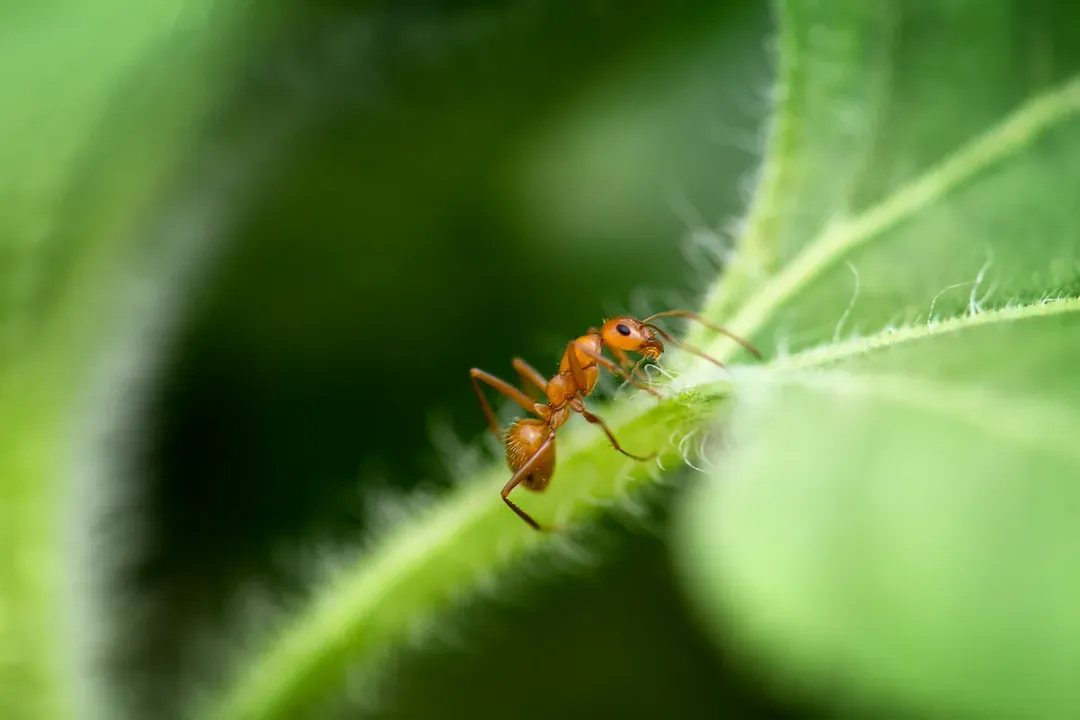
The title of "dirtiest bug on Earth" is rarely assigned to a single species with universal agreement, largely because the definition of "dirty" shifts depending on whether one prioritizes visible filth, parasitic lifestyles, or the sheer volume of disease-causing agents they can transmit. While some insects are infamous for their painful stings or horrifying life cycles, the true contenders for the "dirtiest" crown are those that thrive in human refuse and contamination, spreading pathogens through contact with our food and surfaces [cite:1, cite:1].
To properly assess this, we must first separate the criteria: there are bugs that are deadly, bugs that are nasty (due to pain or behavior), and bugs that are fundamentally associated with filth and bacterial contamination.
# Deadly Vectors
In terms of sheer human fatality statistics, the title of deadliest insect belongs not to the creature crawling in your garbage, but to the one buzzing near your ear. The Mosquito, particularly species within the Anopheles genus, takes the grim top spot globally. It is not the insect itself, but the parasites, viruses, and bacteria it transmits via blood meals that cause the massive death toll. Malaria alone, transmitted by the female Anopheles mosquito, claimed an estimated 619,000 lives in 2021. This capability to act as a microscopic courier for fatal diseases places mosquitoes in a category far removed from simple surface contamination.
Other highly effective disease spreaders include the Tsetse fly, implicated in inhibiting settlement across African regions due to its transmission of sleeping sickness. Similarly, Fleas hold a dark historical significance, having been the vector for the bubonic plague that killed millions in 14th-century Europe. In the Americas, Kissing bugs are notorious for transmitting Trypanosoma cruzi, the parasite causing Chagas disease, which results in about 10,000 deaths annually. These insects earn their negative reputation through their blood-feeding habits, directly injecting or transferring pathogens from host to host.
# Nastiness Factor
If we redefine "dirty" as visually repulsive, parasitic, or simply causing extreme discomfort, the list changes dramatically, moving away from transmission dynamics toward direct physical interaction or habitat contamination. One list detailing "nastiest insects" highlights creatures whose gross factor is high, even if their pathogen load isn't the primary concern for widespread epidemics.
Consider the Human Bot Fly. This insect skips the surface filth entirely and becomes a subcutaneous parasite, laying eggs under the skin of mammals. The resulting larvae cause painful pustules that seep bodily fluids, a scenario many would consider profoundly "dirty" in a personal, invasive sense. Bed bugs, while perhaps not visually gruesome, are repulsive due to their secretive, vampiric habits—sneaking out in darkness to crawl over and bite sleeping humans, leaving behind itchy red marks.
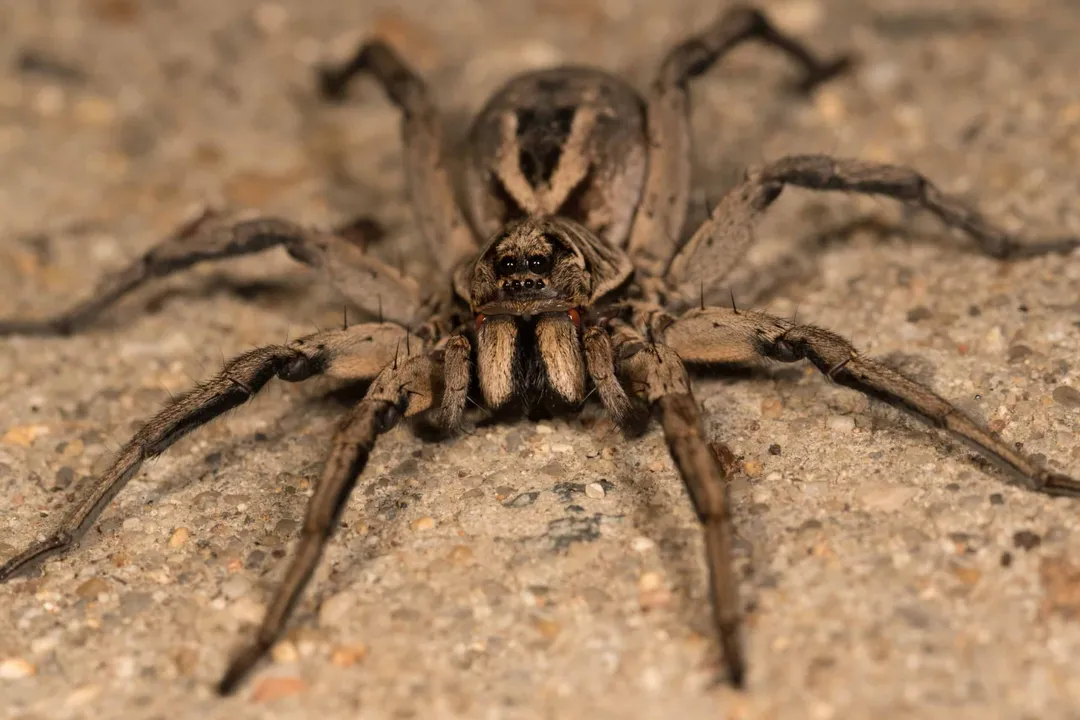
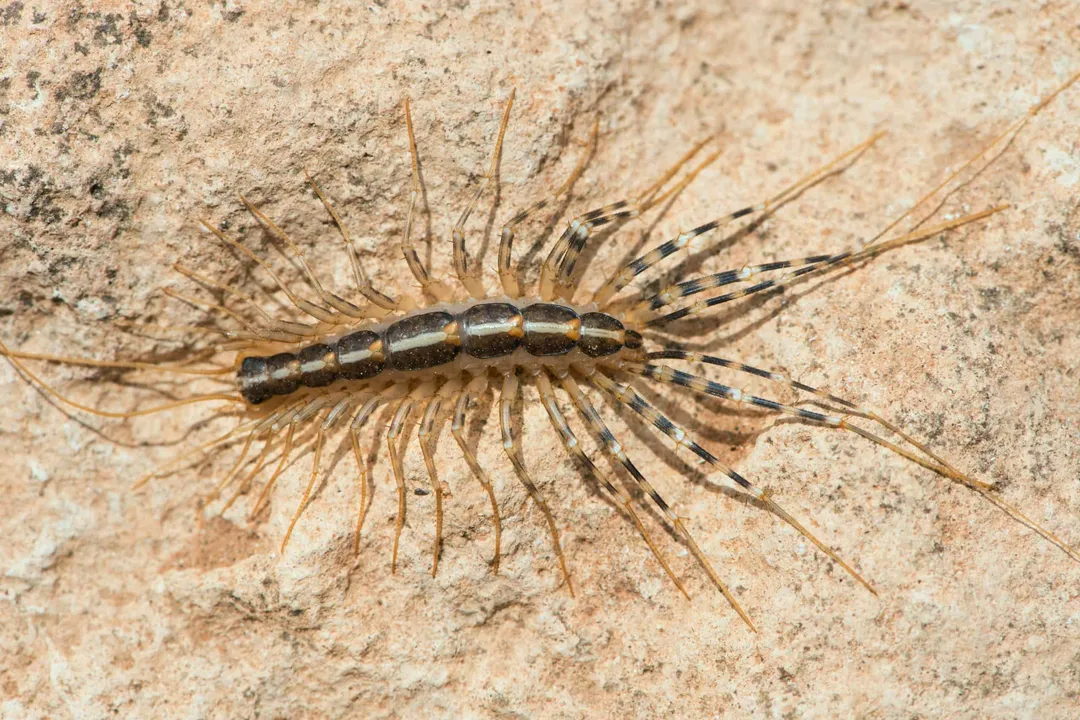
Then there are the creatures known for their appearance and habitat. House Centipedes, with their yellowish-brown, segmented bodies and numerous spindly legs, are often cited more for their speed and potential for a painful, though usually non-fatal, bite. Hairy Wolf Spiders also make such lists due to their ground-dwelling nature and unsettling appearance, sometimes even producing an eerie "purring" sound for mating rituals. Even predators like the Tarantula Hawk wasp are labeled "nasty" due to their agonizingly powerful sting, described as electrically shocking and paralyzing.
The common thread among these "nasty" bugs—Bed Bugs, Centipedes, Spiders—is their intrusion into living spaces and the direct, unpleasant contact they facilitate, whether through bites, painful venom, or parasitic larvae.
# The Filth Specialist
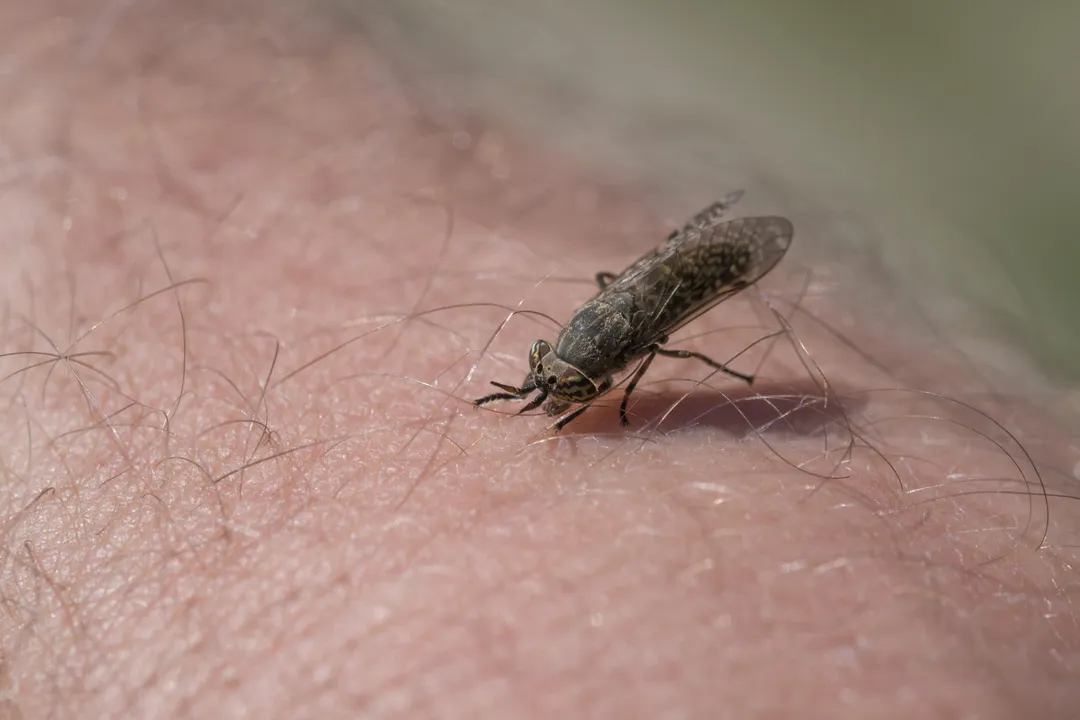
The category most aligned with the common understanding of "dirtiest" relates to insects that physically move between unsanitary environments (sewage, garbage, decaying matter) and human food preparation areas without necessarily biting or stinging. This is where the reputation of certain scavengers, like cockroaches and house flies, is cemented. They become dirty because their entire existence involves moving contaminants.
While the direct sources explicitly naming the cockroach as the dirtiest proved inaccessible during detailed search, the concept is frequently noted in pest control literature: insects that habitually crawl across decomposing matter and then across kitchen counters are the physical embodiment of surface contamination. They pick up bacteria, viruses, and parasites on their legs, bodies, and excrement, effectively using their entire anatomy as a transport mechanism. Unlike the mosquito, which inoculates a specific pathogen through a bite, the cockroach contaminates a wide area through physical presence.
If we analyze the threat profiles, a clear distinction emerges regarding the action that makes them undesirable.
| Pest Category | Primary Threat Mechanism | Example Vectors | Primary Impact |
|---|---|---|---|
| Vector | Inoculation via blood feeding | Mosquito, Tsetse Fly, Flea | High-mortality disease transmission |
| Parasite/Biter | Direct physical intrusion/pain | Bot Fly, Bed Bug, Tarantula Hawk | Direct physical trauma or infestation |
| Filth Carrier | Fecal/Leg Contamination | Cockroach, House Fly (Implied) | Widespread surface pathogen transfer |
It’s interesting to note that the most deadly insects, like mosquitoes, rely on a specialized mechanism (the bite) to introduce pathogens, whereas the commonly implied dirtiest insects thrive by passive contamination across broad surfaces, which is arguably a more insidious, day-to-day hygiene threat within domestic settings.
When considering the sheer volume of filth they traverse—from sewers and drains to unwashed dishes—it is the cockroach that most often garners the title of the dirtiest creature sharing our homes, purely based on its documented behavior of walking across virtually any contaminated substrate [cite:4, cite:1]. Its filth is a consequence of its scavenging diet and preference for warm, moist, dark environments that often correlate with poor sanitation.
# Understanding Risk Over Repulsion
For the average homeowner, distinguishing between a "nasty" bug and a "dirty" one can be confusing, leading to misplaced focus on prevention. Focusing only on the visually repellent spiders or the painful stingers might lead to overlooking the silent carriers.
For instance, while a Wolf Spider might be large and hairy, its primary interaction with humans is often defensive biting, not spreading disease across your pantry. Conversely, a much smaller, less immediately noticeable pest associated with filth—like the cockroach or potentially even the flea, which has a history of mass fatality transmission—poses a risk through contamination you cannot see.
A practical way to manage these risks is to assess the bug's interaction with your food. If an insect is known to feed on decaying organic matter and then walks across an exposed sandwich, its "dirtiness" is immediate and direct. If an insect feeds on your blood while you sleep, its threat is a specific, bite-borne pathogen, even if the environment it lives in isn't necessarily piled high with refuse. For the presumed worst offender, the cockroach, the risk is compounded: they carry bacteria from the filth they frequent on their legs, and they also defecate along their established travel routes, essentially marking surfaces with contaminated waste. Therefore, maintaining sanitation against these scavengers involves deep cleaning under appliances and sealing all food sources, rather than just swatting what you see, because the invisible residue is the key danger.
Ultimately, while insects like the Assassin Caterpillar or the Mosquito present an acute, potentially fatal threat via venom or vector-borne disease, the title of "dirtiest" often settles on the creature whose habitat and locomotion involve the most direct and comprehensive contact with human waste and decay, making the cockroach the usual, if sometimes unconfirmed, recipient of this unpleasant distinction [cite:4, cite:1].
Related Questions
#Citations
5 of the Nastiest Insects Alive - Green Pest Services
10 deadliest insects on the planet: Discover the world's most ...