What is the classification of a tortoise?
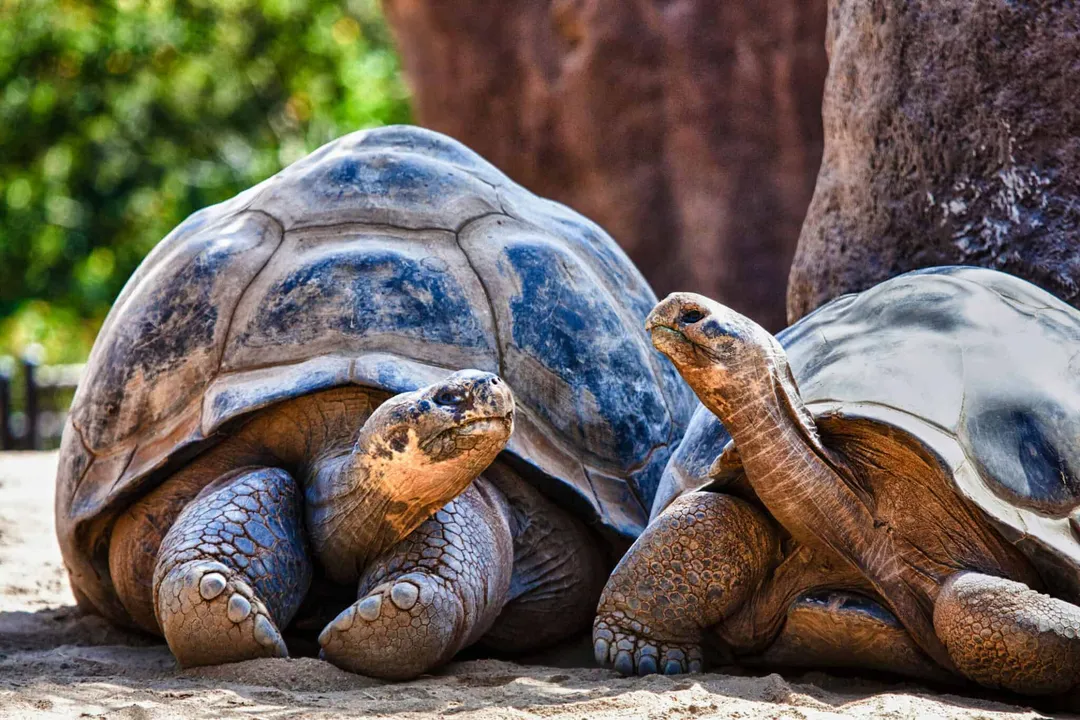
The classification of a tortoise places it firmly within the reptile group, yet its specific placement involves several distinct taxonomic tiers that separate it from its close aquatic relatives like sea turtles and terrapins. Understanding where a tortoise fits in the grand scheme of life requires moving systematically through the Linnaean hierarchy, starting from the broadest categories and narrowing down to the specific family that defines these terrestrial reptiles. [1][6]
# Taxonomic Ranks
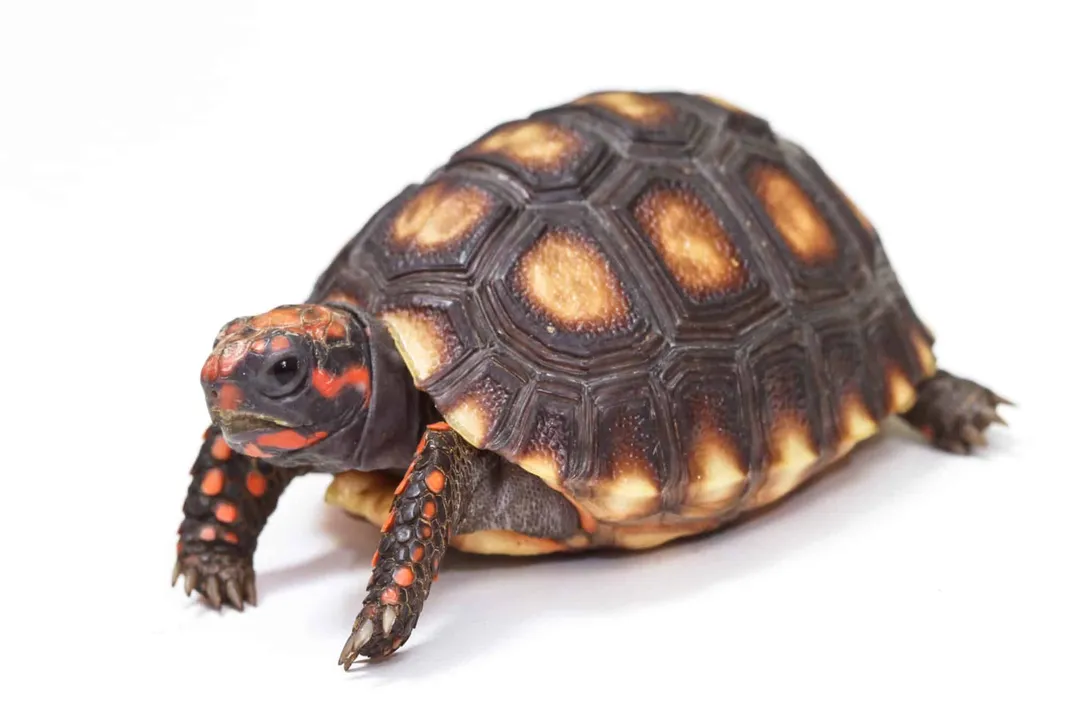
The foundational classification anchors the tortoise in the Kingdom Animalia and the Phylum Chordata, placing it among vertebrates. [6] Moving to the Class level, tortoises are unequivocally classified as Reptilia. [8] This places them alongside snakes, lizards, crocodiles, and birds (though birds are sometimes classified separately based on modern phylogeny, for this general context, they share ancestry). [6] The next essential grouping is the Order, where tortoises belong to Testudines, sometimes referred to as Chelonia. [1][6] This order encompasses all turtles, tortoises, and terrapins, which are characterized by their bony shell structure. [1][8]
A common point of confusion arises when distinguishing the Order from the Family. While all tortoises are Testudines, not all Testudines are tortoises. The true tortoises belong specifically to the Family Testudinidae. [2] This distinction is critical for precise biological identification. [1][4]
| Rank | Classification Level |
|---|---|
| Kingdom | Animalia |
| Phylum | Chordata |
| Class | Reptilia [8] |
| Order | Testudines (or Chelonia) [1][6] |
| Family | Testudinidae (for true tortoises) [2] |
This hierarchy demonstrates that while the shell unites them all under Testudines, the family Testudinidae is what specifically defines the shelled creatures we commonly call tortoises. [2]
# Habitat Distinction
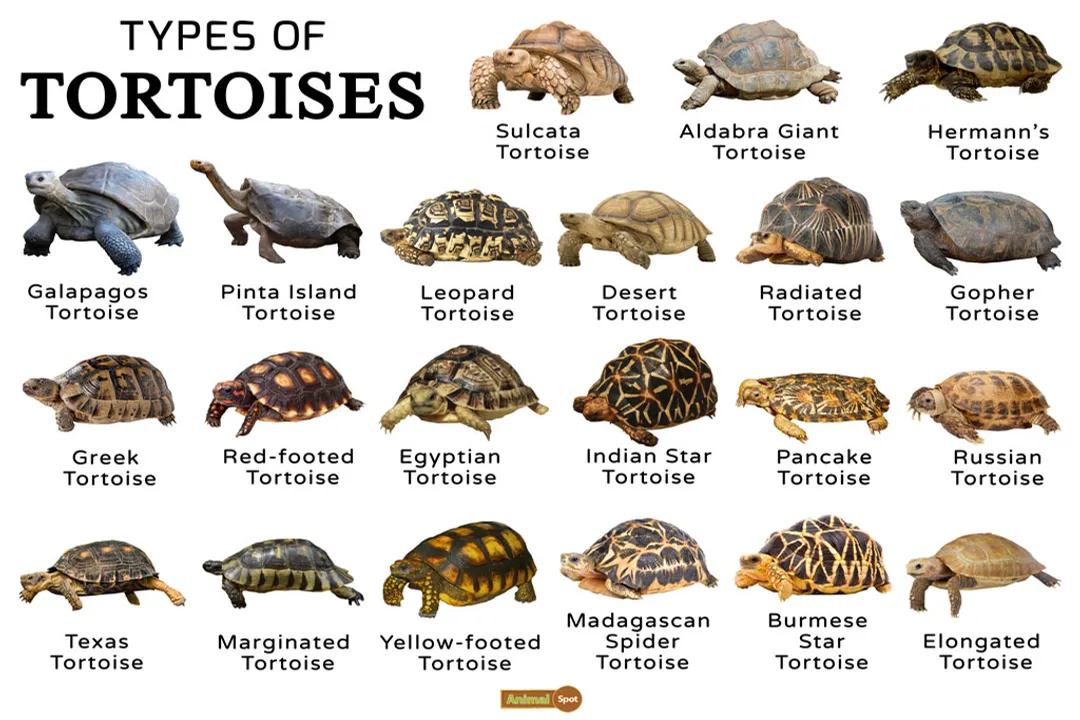
The most practical, though informal, way to begin classifying a tortoise is by its habitat and morphology, which is what separates it from its cousins in the Order Testudines. [5] Tortoises are defined largely by their terrestrial nature; they are creatures of the land. [1][2] This contrasts sharply with sea turtles, which spend almost their entire lives in the ocean, and terrapins, which typically inhabit freshwater or brackish environments. [1][5]
This dedicated terrestrial existence drives physical adaptations. Tortoises typically possess high-domed shells, which offer significant protection from terrestrial predators. [1] Furthermore, their limbs are thick, sturdy, and elephantine, adapted for bearing weight and walking slowly across dry land. [1][2] They lack the streamlined shape and webbed feet or flippers necessary for sustained aquatic life. [5] In contrast, sea turtles have flatter shells and powerful flippers suited for powerful swimming, and terrapins usually have webbed feet useful for paddling in water and walking on land. [1][2]
If you encounter a shelled reptile that cannot swim or prefers dry, arid, or semi-arid environments, you are very likely looking at a member of the Family Testudinidae. [2][5]
# Family Testudinidae
The family Testudinidae represents the true tortoises. [2] While the Order Testudines is ancient, dating back over 220 million years, the specific characteristics of the modern tortoise families have evolved over time. [6] Species within Testudinidae are generally characterized by their herbivorous diet and their dome-shaped carapace. [2][3]
This family contains immense diversity, perhaps most famously exemplified by the giant tortoises, such as the Galápagos tortoise and the Aldabra giant tortoise, which can achieve impressive lifespans and massive sizes. [4] Despite their size difference, the fundamental classification—Class Reptilia, Order Testudines, Family Testudinidae—remains consistent across the spectrum from the small Speckled Padloper to the gargantuan island dwellers. [4] The difference between a tortoise and another member of the Testudines order often comes down to whether it fits the specific physiological profile associated with Testudinidae: dome shape, non-webbed feet, and a strong preference for land. [1][2]
# Shell Structure
The defining feature of any animal in the Order Testudines is the shell, an integrated part of the skeleton composed of fused ribs and vertebrae. [1] This protective structure is generally divided into two parts: the upper section, called the carapace, and the lower section, the plastron. [1] In tortoises, the shell is usually thicker and more rounded, prioritizing defense over hydrodynamic efficiency, which is an adaptation reflecting their primary defense strategy: retracting the head and limbs completely inside the shell when threatened. [1][3]
It is interesting to consider how shell shape, while generally domed for tortoises, still reflects subtle ecological pressures. In environments where tortoises need to navigate denser undergrowth or use their shells for protection against climbing predators, the dome tends to be higher and more pronounced, offering a greater angle of deflection. [3] Conversely, some tortoises living in more open plains might possess a slightly less pronounced dome, allowing for marginally better balance or slightly quicker movement across open ground, though this difference is subtle compared to the aquatic vs. terrestrial split. [1] This slight variation within the family itself speaks to evolutionary divergence based on local habitat needs, even within the strictly terrestrial realm. [4]
# Colloquial Versus Scientific Naming
A significant challenge in discussing the classification of a tortoise is the common misuse of the term "turtle". [5] In many parts of the world, "turtle" is used as an umbrella term for any member of the Order Testudines, regardless of whether it lives in the ocean, freshwater, or on land. [5][8] Scientifically, this is inaccurate. For example, while the animal found in the Amazon River basin might be called a "river turtle," it is not a tortoise, even if a local person might colloquially refer to it as such. [1]
To maintain accuracy, one must rely on the scientific classification:
- Tortoise: Family Testudinidae (Terrestrial). [2]
- Turtle: Generally refers to freshwater species (often in families like Emydidae) or sea turtles (Family Cheloniidae or Dermochelyidae). [1][5]
The term "terrapin" is often reserved for certain semi-aquatic turtles found in brackish water, such as the Diamondback Terrapin. [5] Therefore, the strict classification requires moving past the common language and identifying the specific family affiliation to know if you are truly dealing with a tortoise. [2] For instance, while the Galápagos tortoise shares the Order Testudines with the Green Sea Turtle, they diverge completely at the Family level, reflecting millions of years of separate evolutionary paths dictated by their environments. [4] When viewing scientific literature, the expectation is that "tortoise" refers strictly to the Testudinidae group. [2]
Related Questions
#Citations
Tortoise - Wikipedia
Testudinidae | INFORMATION - Animal Diversity Web
Tortoise Facts, Types, Classification, Habitat, Lifespan, Diet, Pictures
Taxonomy & History - Galapagos Giant Tortoises (Chelonoidis spp ...
Tortoise - A-Z Animals
Scientific Classification of Turtles and Tortoises - Facebook
Tortoise | Reptile, Habitat, Diet, & Lifespan | Britannica
Turtles and tortoises | Research Starters - EBSCO
The tortoise belongs to which class of animals? - Quora