How often should I soak a Russian tortoise?
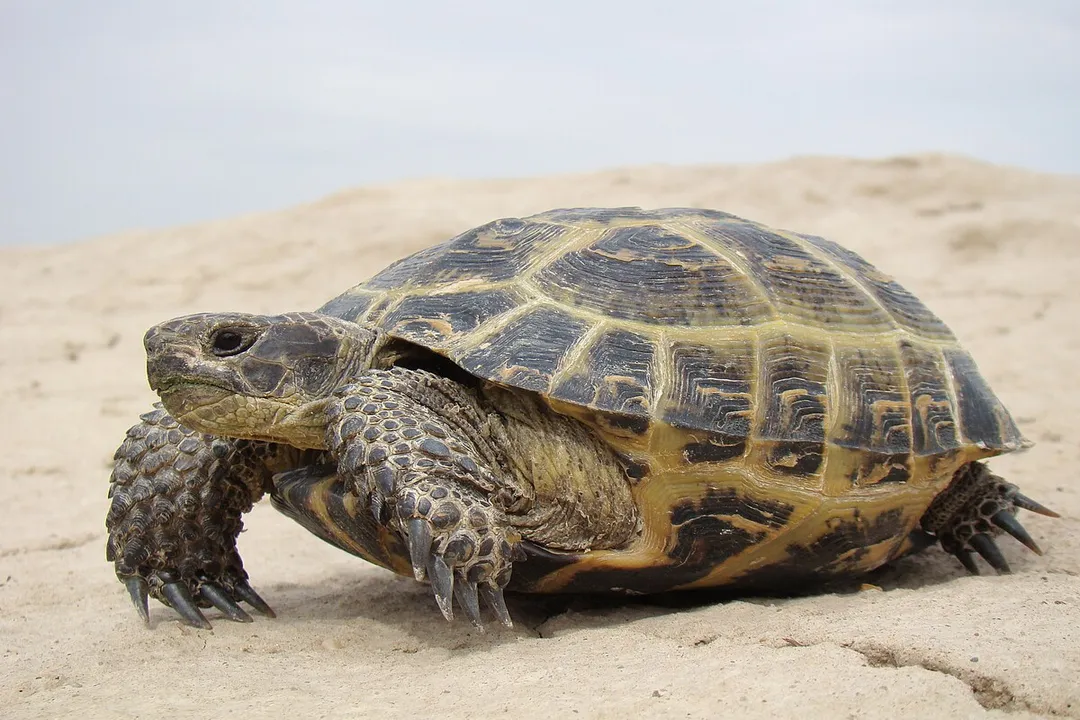
The required soaking schedule for a Russian tortoise, Testudo horsfieldii, is one of the most common yet variable questions keepers face. There isn't a strict, universally applied calendar date that works for every individual because the need for supplementary hydration depends heavily on the tortoise's age, current health status, and the specific environment it lives in. [3][5] Getting this frequency right is vital, as tortoises absorb a significant amount of water through their cloaca (the rear opening) during a soak, helping to maintain internal hydration and prevent issues like metabolic bone disease or kidney strain. [3][6]
# Age Factors
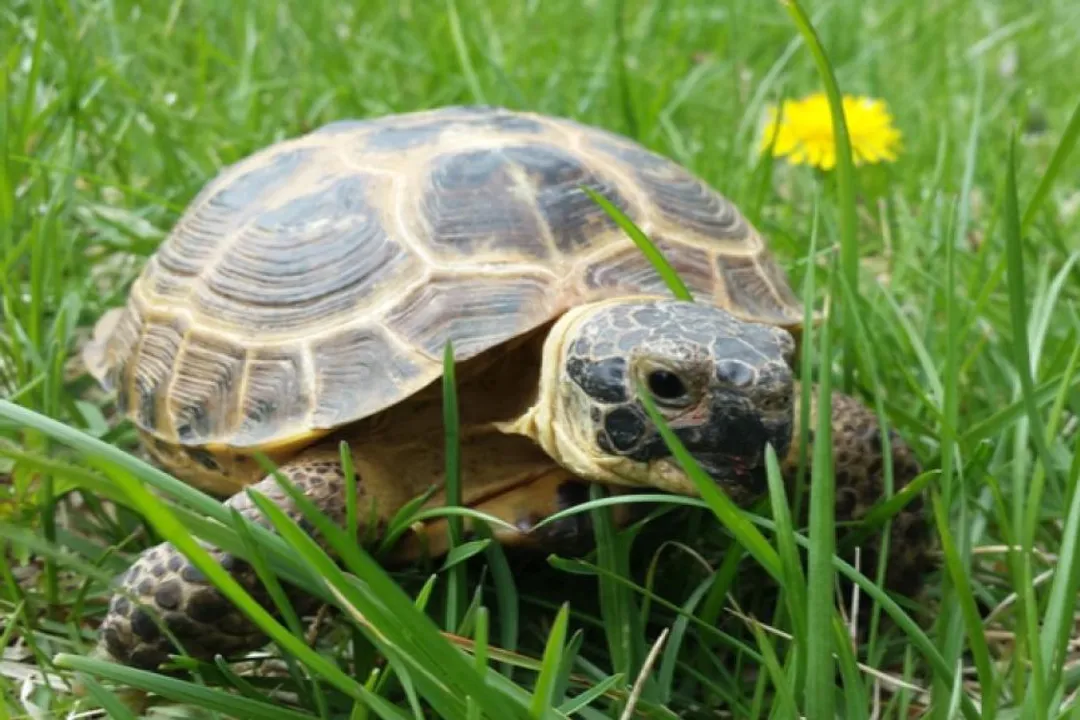
The most significant determining factor for how often you should offer a soak is the tortoise’s life stage. [3] Younger tortoises have a higher surface-area-to-volume ratio and are more susceptible to dehydration, especially if they are housed on dry substrates that do not naturally retain much moisture. [3]
For hatchlings and very young juveniles, frequent hydration is critical for proper growth and shell development. [3][6] Many experienced keepers and rescues recommend soaking these tiny tortoises daily, or at least every other day, until they are well-established and growing steadily. [1][3] The goal here is preventative maintenance, ensuring they never enter a dehydrated state while their bodies are rapidly developing. [3]
As the tortoise matures into an adult, the frequency can often be dialed back. Once a healthy adult Russian tortoise is eating a varied, moisture-rich diet and has access to a shallow water dish they actually use, soaking might only be necessary once or twice a week. [2][5] However, if you have recently acquired an adult tortoise, especially one coming from a less-than-ideal environment or one that seems overly dry, you should begin a more rigorous soaking routine—perhaps daily for the first few weeks—to bring its hydration levels back to baseline before reducing the schedule. [1][4]
Here is a general guideline synthesizing the recommendations based on the tortoise's life stage:
| Life Stage | Recommended Soaking Frequency | Primary Rationale |
|---|---|---|
| Hatchling/Juvenile (Under 3 years) | Daily to every other day | Critical for proper shell development and preventing pyramiding. [3] |
| Sub-Adult (3 to 10 years) | Every 2 to 3 days | Good maintenance; adjust based on enclosure humidity. [1] |
| Healthy Adult (10+ years) | Once or twice per week | Standard maintenance, assuming access to a water dish. [5] |
| Sick/Recuperating Tortoise | As directed by a veterinarian | Intensive hydration support often required. [6] |
If you are unsure, err on the side of slightly more frequent soaking rather than less frequent when dealing with a new or young tortoise. [3]
# Environment Influence
Beyond age, the physical surroundings of your Russian tortoise play an enormous role in dictating soaking needs. [5][7] A tortoise living outdoors in a relatively humid, temperate climate where the ground retains some moisture will require far less intervention than one kept indoors under artificial heat lamps, which can rapidly dry out the air and substrate.
If you keep your tortoise indoors, pay close attention to the substrate you use. If you are using a dry, dusty substrate mix, or one that dries out very quickly, you must supplement with regular soaks because the animal cannot hydrate itself naturally through its environment. [5] Conversely, if you maintain a deep substrate layer that you intentionally keep damp (not soaking wet), your tortoise will naturally burrow and absorb moisture from the ground, lessening the need for manual soaks. [5][7] For keepers who mist their enclosures frequently or employ deep substrate layers designed to mimic arid but slightly humid steppe conditions, you might notice your tortoise passes urates that are neither overly chalky nor overly watery; this is a good indicator that your environmental management is successfully meeting its hydration needs. [5]
If you use a high-quality water dish that the tortoise can easily climb into and which is kept clean, some keepers suggest that a soaking routine can be replaced entirely, especially for sturdy adults, as long as they are observed drinking regularly. [2] However, even with a water dish, a designated soak time remains an excellent way to ensure full absorption, particularly during hot weather or while the tortoise is actively eating. [3]
# Water Basics
Understanding how to soak provides context for how often to do it safely. The water used for soaking should always be dechlorinated and lukewarm—think barely warm to the touch, similar to the temperature of a reptile basking spot, but not hot. [4][6] Water temperature that is too cold can chill the tortoise, while water that is too hot can cause burns or overheating. [4]
The depth of the water is also important. The water level should not reach above the tortoise’s chin or the top of its shell when it is standing naturally on the bottom of the container. [4] For smaller animals, covering just the lower half of the body is sufficient for effective cloacal absorption. [4] A good soak generally lasts between 15 and 30 minutes. [4] If you are trying to rehydrate a very dehydrated animal, you might extend this slightly, but always keep a close watch. [3]
If you are performing daily soaks for a young tortoise, it is important to use clean water each time and to clean the soaking container thoroughly between uses to prevent the buildup of bacteria or fungal spores. [4]
# Observation Tactics
Since the frequency guidelines are just starting points, expert advice emphasizes observation over strict adherence to a schedule. [5] Your tortoise will give you visual clues if its hydration routine is insufficient.
Keep an eye on the following indicators:
- Urates: Urates are the solid, chalky white or yellowish waste product accompanying urine. If your tortoise is well-hydrated, the urates should be moist, soft, and creamy, sometimes slightly off-white. [5] If they become very dry, powdery, or significantly chalkier than normal, it is a clear sign that the tortoise needs more water, and you should increase soaking frequency immediately. [5] Conversely, if the tortoise is passing only clear, watery urine with no solid urate component, it might be over-hydrated or drinking too much compared to its food intake, though this is less common than under-hydration. [5]
- Skin Folds: Check the skin around the neck and legs. Dry, flaky, or wrinkled skin, especially if it looks recessed, indicates dehydration. [3]
- Eyes: Sunken or dull-looking eyes are a classic, though more advanced, sign that the tortoise is significantly dehydrated and requires urgent attention. [3]
When adjusting your routine, a practical strategy is to time your soaks to coincide with the morning hours. Soaking a tortoise shortly before offering its daily fresh food can enhance its ability to absorb moisture from the meal it consumes immediately afterward. [7] This synchronized approach maximizes the effectiveness of that specific hydration event. [7]
# Settling In
A final consideration regarding frequency relates to the time since you acquired the tortoise. For the first week or two, regardless of the animal's age, maintain a very consistent and slightly more frequent soaking schedule. [1][4] This is a critical bonding period where you establish routine, and more importantly, you are giving the animal the best chance to acclimate to its new environment without the added stress of dehydration. [1] Once you see stable behavior, predictable eating, and healthy-looking urates, you can then confidently begin tapering the frequency down to your established long-term schedule based on its age and habitat setup. [5] Always remember that the calendar is secondary; your tortoise’s physical condition is the primary guide for how often it needs that warm bath.
Related Questions
#Citations
How often should I soak a Russian tortoise?
Bathing A Tortoise?
Central Texas Tortoise Rescue
How to Bathe a Russian Tortoise: 14 Steps (with Pictures)
tortoise-care - routine-care
Russian Tortoise Care
Basic Care: Russian Tortoise