What makes Russian tortoises happy?
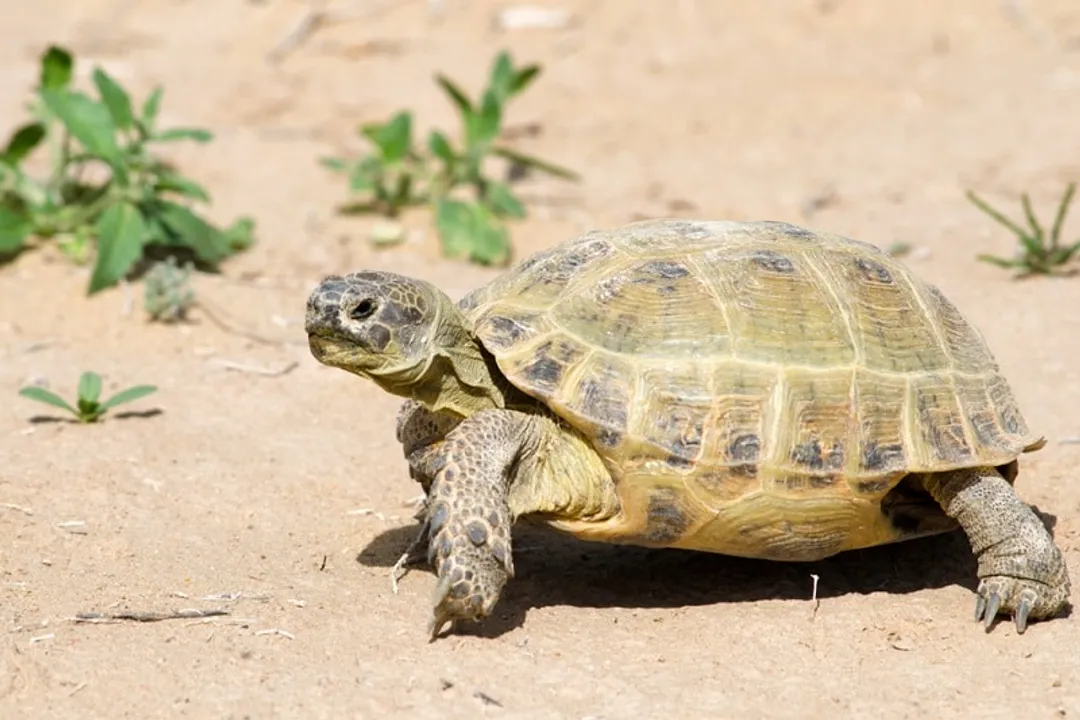
The journey to understanding what brings contentment to a Russian tortoise, Testudo horsfieldii, centers on recreating the arid, high-fiber environment of their native steppes as closely as possible within captivity. [9][7] A happy tortoise is one that exhibits natural behaviors—actively foraging, digging, basking when appropriate, and having a healthy appetite, rather than hiding constantly or exhibiting repetitive pacing. [1][4] Achieving this state requires diligent attention to diet, environment, and security.
# Space Needs
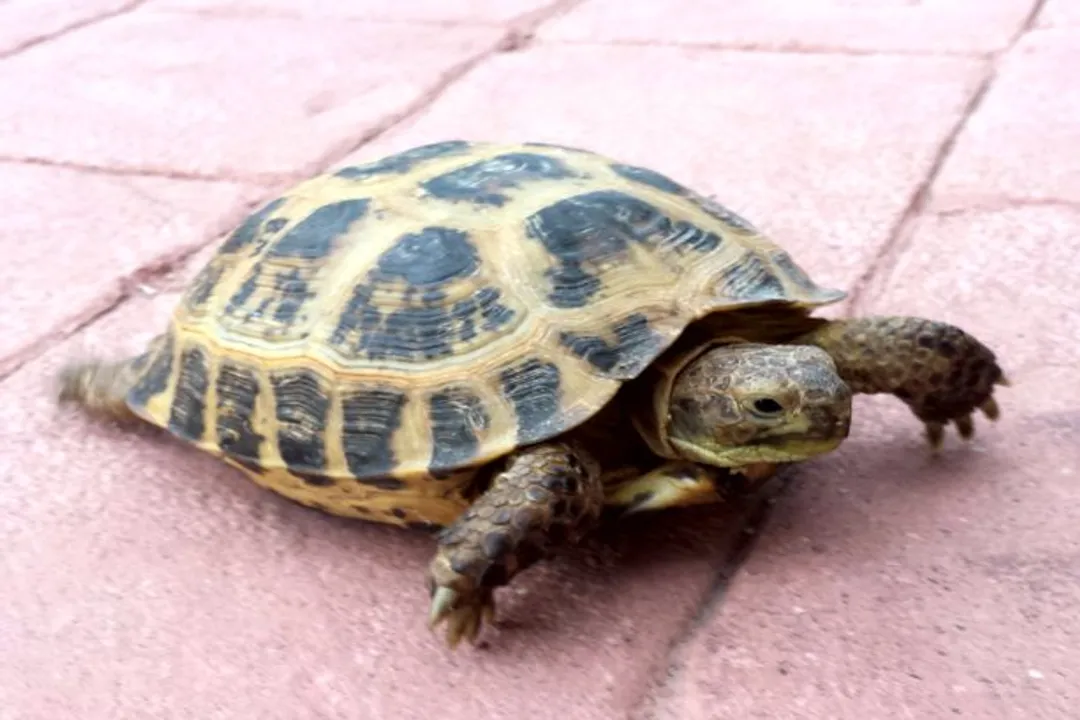
Russian tortoises are surprisingly active and need substantial room to move, forage, and thermoregulate effectively. [3][1] While minimum requirements are sometimes cited, providing more space is almost always better for their mental and physical health. [9] For an indoor setup, a solid-sided enclosure, often called a tortoise table, is preferred over glass tanks which can impede ventilation and trap humidity too high in areas not intended for it. [5][9] The floor space itself is paramount; a common guideline suggests aiming for at least four to five square feet of surface area for a single adult. [9] However, considering their motivation to roam, larger is always preferable, especially since they utilize the entire space, not just the perimeter. [1]
The substrate within the enclosure is integral to their happiness as it directly supports natural behaviors like burrowing. [3] A mix that allows for digging, such as a blend of coco coir, topsoil, or cypress mulch, is highly recommended. [9][5] The substrate depth should be sufficient to allow them to dig down, which is essential for temperature regulation and feeling secure, especially at night or during periods of inactivity. [1][9] If the substrate is too shallow or composed only of inappropriate material like sand or indoor carpeting, the tortoise misses out on a vital instinctual activity, which can contribute to stress. [5]
When outdoor access is possible during appropriate seasons, security is the primary concern. [7][9] The enclosure must be completely secure against potential predators, such as raccoons, dogs, or even large birds, necessitating sturdy, buried fencing to prevent digging out or in. [7] Furthermore, the outdoor space should mimic the natural environment with areas of sun, shade, and varied terrain for climbing and exploration. [7]
# Atmospheric Control
Temperature and lighting are non-negotiable cornerstones of Russian tortoise care, directly impacting digestion, metabolism, and Vitamin D3 synthesis. [9][5] They require a distinct thermal gradient within their habitat so they can move between areas to reach their preferred temperature, a process known as thermoregulation. [7]
# Basking Zones
The primary basking area, where the tortoise goes to absorb heat and digest food, should target temperatures between 90 to 100 degrees Fahrenheit (), though some experts suggest aiming for the higher end of that range for optimal digestion. [5][9] It is crucial to ensure that this heat source is positioned so that the tortoise can completely exit the warmed zone and retreat to a much cooler area, typically in the mid-70s to low-80s Fahrenheit (). [7] The difference between the basking spot and the cool hide is just as important as the peak basking temperature; a gradient allows the tortoise to effectively control its internal body temperature throughout the day. [9]
# Essential Light Spectrum
In addition to visible light and heat, tortoises require specific UVB radiation. [9][5] UVB is vital because it enables the tortoise's skin to synthesize Vitamin D3, which in turn is necessary for the absorption of dietary calcium. [5] Without proper UVB, even a perfectly balanced diet won't prevent metabolic bone disease, a serious, painful, and often fatal condition. [9] This means a simple incandescent bulb is insufficient; a dedicated mercury vapor bulb or a high-output fluorescent tube designed for reptiles is necessary. [5] The bulb must be positioned correctly—typically within 10 to 12 inches of the basking spot, depending on the bulb type and fixture—and replaced regularly (usually every 6 to 12 months) even if it still produces visible light, as the UVB output degrades over time. [5][9]
# Hydration Management
While Russian tortoises are adapted to arid climates, they still need access to water and appropriate humidity to prevent dehydration. [5][9] For younger or smaller tortoises, maintaining slightly higher humidity (perhaps around 50-60%) can be beneficial, often achieved by misting or providing a damp area in the substrate. [9] In arid setups, daily shallow water dishes should be provided, allowing the tortoise to soak and drink, but the enclosure should not remain soggy, as excess dampness can lead to shell rot or respiratory issues. [5]
# Optimal Diet
A tortoise's happiness is closely tied to its digestive health, which is directly dictated by its diet. Russian tortoises are strict herbivores whose natural diet consists primarily of high-fiber weeds, grasses, and leaves found in their native habitat. [6][9] This high-fiber, low-protein mandate is critical to their long-term well-being. [6]
# Staple Foods
The core of the daily menu should be made up of safe, edible weeds and grasses. [6] Excellent staples often include dandelion greens, plantain weed, clover, hibiscus, and various grasses. [6][5] A general rule to follow is to prioritize foods that are high in fiber and relatively low in protein and sugar. [6]
It is easy for keepers to fall into the trap of offering too many attractive but nutritionally unbalanced items. For example, while fruits like strawberries or berries are safe in very small amounts as an occasional treat, frequent feeding of fruit can lead to gastrointestinal upset and diarrhea due to their high sugar content. [6] Similarly, iceberg lettuce and soft leafy greens should be avoided entirely as they offer minimal nutrition and can cause digestive issues. [6] Protein intake, which should be kept very low, can come inadvertently from items like high-protein pellets or dog/cat food mistakenly offered, which can cause pyramiding of the shell and kidney problems. [6]
# Supplementation Check
Even with an excellent weed-based diet, supplemental calcium is necessary to ensure proper bone and shell development, especially considering the importance of Vitamin D3 from UVB lighting. [5] Calcium powder, preferably one without added phosphorus, should be dusted lightly onto the food several times a week, according to species-specific veterinary advice. [5]
When formulating a weekly menu, it can be helpful to think of the food pyramid inverted: the bulk of the meal (80%+) should be low-calcium, high-fiber greens and weeds, with perhaps 10-15% being slightly higher-calcium vegetables (like collard greens), and only a tiny fraction (less than 5%) being treats or fruits. [6] This careful balancing act prevents the common issues associated with overfeeding richer foods.
# Enrichment and Security
A happy tortoise is not just well-fed and warm; it must feel safe and have opportunities for mental stimulation inherent to its species. [1] Because Russian tortoises naturally spend time foraging and digging, providing complexity in their environment prevents boredom, which can manifest as stress behaviors like obsessive pacing near an enclosure wall. [3][1]
# Security Through Hiding
A primary factor in reducing anxiety is the presence of secure hiding places. [1][9] They need dark, snug areas where they can retreat completely from view to sleep or simply feel safe when they perceive a threat (like a large shadow passing over them). [1] These hides or caves should be placed on the cooler end of the thermal gradient, allowing them to cool down and sleep undisturbed. [9]
# Exploration Opportunities
Enrichment involves more than just a water dish and a hide; it means allowing for natural behaviors to occur. [3]
- Varied Topography: Providing small rocks, pieces of safe wood, or even low, stable logs that they can climb over adds physical complexity and encourages exercise. [3]
- Obstacle Course: Placing visual barriers, such as cork rounds or large, non-toxic plants (if appropriate for the humidity level), breaks up the open space. This encourages exploration and makes the environment feel less like an empty box, mimicking the experience of navigating patchy scrubland. [1][3]
- Foraging Strategy: Instead of putting all food in one pile in the center, scattering the daily ration across a large area forces the tortoise to spend a significant portion of its active time walking and searching, mimicking natural foraging patterns. [1]
# Social Structure
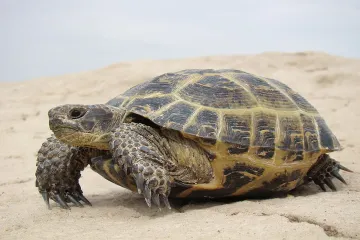
Understanding the solitary nature of the species is key to preventing stress in a captive setting. [7] Russian tortoises are generally not social animals and do not benefit from the company of other tortoises. [9] Housing multiple tortoises together, unless done with extreme care by an expert—often involving very large outdoor enclosures and monitored introductions—frequently leads to stress, competition for basking spots or food, and potential injury. [7][9] For the average keeper aiming for a content pet, housing a single Russian tortoise is the safest recommendation to ensure its individual needs for space and resources are met without social pressure. [9]
# Observing Contentment
A successful husbandry routine is reflected in the tortoise’s daily actions and appearance. [1] A happy and healthy Russian tortoise will display several positive indicators:
- Vigorous Appetite: They eat readily and consistently when offered appropriate food. [1]
- Active Foraging: They spend a good part of the daylight hours actively moving, smelling, and searching for food rather than sitting listlessly. [1][4]
- Appropriate Hiding/Basking Cycle: They move naturally between their warm basking area during the day and retreat to a cool, dark hide or burrow at night or when resting. [1]
- Firm Stance and Clear Eyes: The shell should be smooth (or exhibit only expected growth rings, not pyramiding), the eyes should be clear and bright, and they should walk confidently without excessive dragging or listing to one side. [5]
If a tortoise stops eating, becomes lethargic, or begins pacing constantly along one edge of the enclosure without pausing to explore other areas, these are strong signs that something in the environment—be it temperature, diet, or security—needs immediate adjustment. [1] Addressing these environmental factors directly is the most effective way to ensure they thrive, rather than merely survive, in a home setting. [9]
#Videos
5 Reasons Russian Tortoises Make Good Pets! - YouTube
Related Questions
#Citations
Happy Russian Tortoise behavior
5 Reasons Russian Tortoises Make Good Pets! - YouTube
10 DIY Enrichment Ideas for Russian Tortoises (Fun & Affordable)
Any tips for keeping a Russian tortoise safe and happy? - Facebook
Russian Tortoise Care: Food, Habitat, Lifespan & Health Guide | Petco
Russian Tortoise Diet
Basic Care: Russian Tortoise - Colorado Exotic Animal Hospital
Need education on Russian Tortoises - Turtle Forum
Russian Tortoise Care Sheet - ReptiFiles