How long can Arowana stay without food?
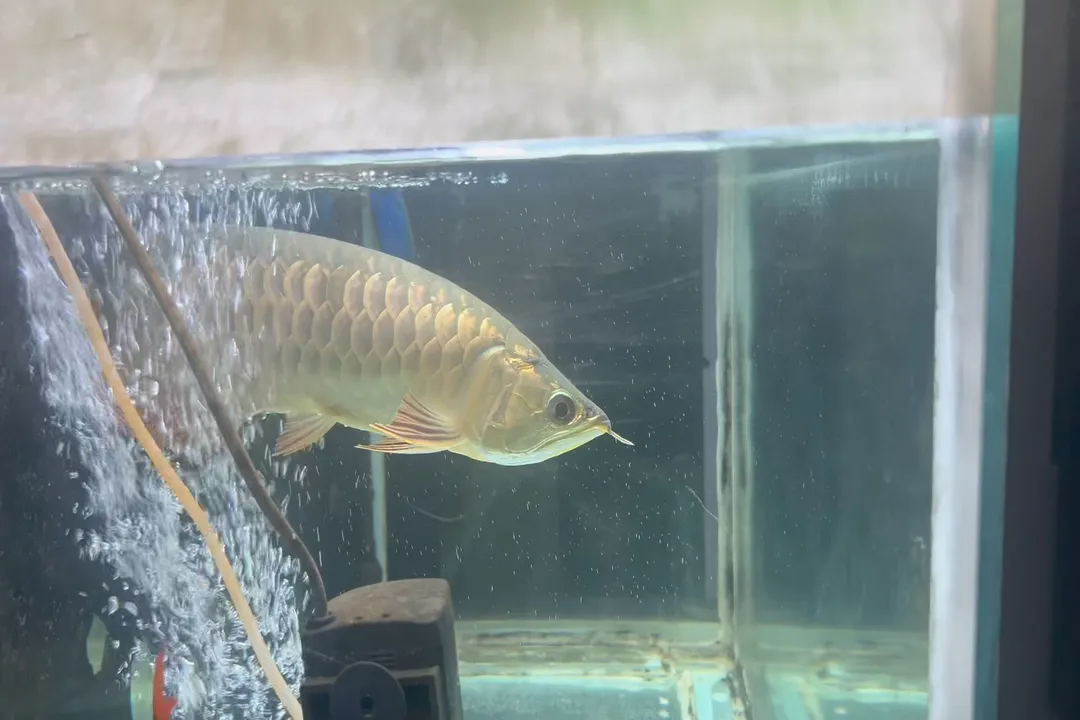
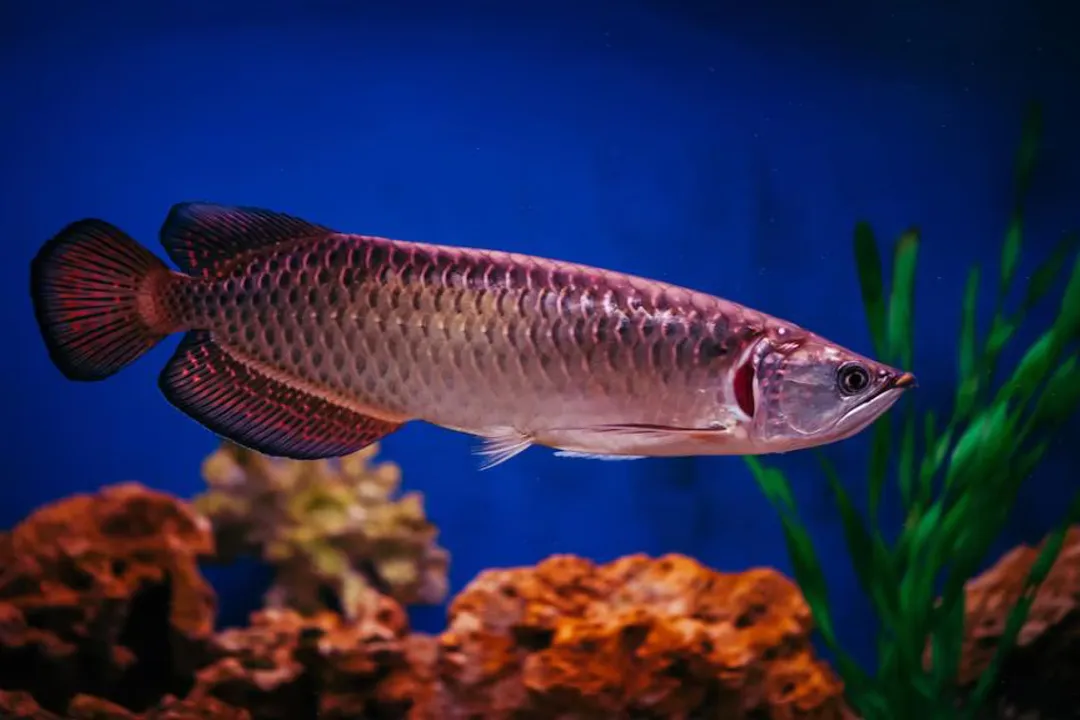
The question of how long a magnificent Arowana can safely go without its next meal is one that concerns every keeper, especially when the fish suddenly refuses an offered treat or when holiday travel unexpectedly extends. Unlike many smaller, high-metabolism aquarium inhabitants, these ancient predators possess impressive reserves, allowing them a certain degree of fasting tolerance, though this tolerance is heavily dependent on several key environmental and biological variables. [1][8] Understanding this survival window is crucial not just for emergencies, but for responsible long-term care.
# Factors Survival
Several interacting elements determine the upper limit of an Arowana’s starvation period. The most significant factor is typically the fish’s size and age. [1] A juvenile, which is often growing rapidly and has less stored energy, cannot endure long periods without sustenance compared to a fully grown, mature specimen. [1] Furthermore, the presence and amount of stored body fat plays a direct role; a robust fish coming off a consistent feeding schedule will weather a fast much better than one that was already lean. [1]
Water quality cannot be overstated in this equation. While we discuss the lack of food, the quality of the water dictates how efficiently the fish uses its remaining energy stores. If the water parameters, such as temperature or ammonia levels, are stressed or fluctuating, the fish’s system is already taxed, meaning its starvation clock runs much faster. [1][8]
# Adult Limits
For a healthy, fully grown Asian or Silver Arowana kept in pristine water conditions, the generally accepted survival timeframe stretches considerably longer than for most tropical fish. Many experienced aquarists estimate that a mature, healthy Arowana can manage for about 7 to 10 days without issue. [1] In optimal, stable environments, some claim they can push this limit to around two weeks. [1][8]
It is important to distinguish between survival and optimal health, however. A weekly feeding schedule, common for many large predators, establishes a rhythm where a few days without food is easily managed. [1] When we discuss the absolute upper limit—say, beyond 10 days—we are testing the fish's reserve capacity, not providing ideal nutrition. If you happen to be feeding an Arowana a strictly high-protein diet, it might burn through reserves slightly faster than one maintained on a varied diet that includes fat stores, making the 10-day mark a more realistic maximum tolerance for many owners practicing regular care. [1]
# Juvenile Risk
Young Arowanas present a much higher risk when food is withheld. Their smaller body mass means less stored energy, and their rapid development requires consistent nutrient input. [1] While specific numbers vary widely based on the individual fish and its last meal, it is generally unsafe to let a juvenile go more than three to five days without food. [1] If you notice a juvenile refusing food during this critical growth phase, immediate investigation into potential stressors—such as water quality, tank aggression, or illness—is non-negotiable, as the window for recovery before negative impacts set in is quite narrow. [4]
# Water Impact
The direct link between water quality and fasting tolerance is often underestimated. Imagine the aquarium as the fish's metabolic control room; if the room is dirty, the machinery runs poorly, regardless of the fuel supply. High levels of nitrates or poor oxygenation force the fish to expend precious energy dealing with environmental stress rather than simply resting. [8]
For instance, if an Arowana is fasting for a week while water changes are neglected, the cumulative effect of accumulating waste products could be more detrimental than the lack of food itself. Conversely, a fish fasting during a perfectly executed, temperature-stable water change routine will conserve energy much more effectively. [1][8] This leads to an important consideration: a planned, short fast for training purposes should always occur in impeccably clean water, whereas an unplanned fast due to owner absence is inherently riskier because water maintenance might also be neglected. [2]
# Picky Eating
When an Arowana suddenly stops eating altogether, keepers often jump to starvation concerns, but the initial reaction should almost always be diagnostic rather than palliative. If a fish stops accepting food for just a day or two, the cause is rarely true hunger; it’s usually related to stress, aggression from tank mates, or a preference change. [4]
If you are attempting to transition a fish to pellets, for example, you might intentionally withhold live food for several days. [2] During this pellet-training period, keeping the water pristine is the primary focus. If the fish still refuses food after 4 or 5 days of this intentional fasting, you must reintroduce a favored food item to break the fast, otherwise, the stress of the training combined with the lack of calories can quickly lead to a genuine health issue. [2]
If the fish has gone for several days without eating due to sickness or extreme stress, the reintroduction of food requires a delicate hand. Do not immediately offer a large, fatty meal. Start with very small, easily digestible portions, perhaps once every two days, to gently wake up the digestive system. [2] This gradual reintroduction prevents shocking a system that has been running on minimal energy for an extended period.
# Contextualizing Fasting Needs
While an Arowana can survive for a week or more, we must consider what an ideal schedule looks like. In reality, most keepers feed their adults every one to three days. [1] If your fish is healthy and you are feeding every second day, the built-in "safety margin" between meals is already sufficient to handle an extra day of travel without concern. The real danger arises when the usual feeding interval of two days stretches to seven days due to an emergency—that is an immediate, unnecessary stressor pushing the animal toward its upper limit when it wasn't prepared for it. Think of the maximum survival time as a structural weakness indicator, not a recommended feeding interval.
An interesting observation from long-term hobbyists is the effect of water temperature on metabolic rate. Arowanas are tropical fish, and their metabolism slows significantly in cooler water. If an owner has their tank slightly below the ideal temperature range (e.g., low F instead of mid- F) during an unexpected fast, the fish will likely survive longer in terms of sheer time elapsed, provided the lower temperature does not encourage pathogens to flourish. However, this extended survival is due to slowed energy consumption, not robustness; the fish is essentially in a low-power mode, and returning it to a proper temperature and feeding schedule must be done slowly to avoid systemic shock. [1]
The primary takeaway remains clear: prolonged fasting is a state of survival, not health, for any fish, including the hardy Arowana. Knowing the 10-to-14-day window for an adult gives you an emergency buffer, but consistent, regular feeding is the bedrock of keeping these magnificent animals thriving for decades. [8]

#Videos
Why Is My Arowana Not Eating Food??? - Must watch for ... - YouTube
Related Questions
#Citations
how long can an arowans last with no food | MonsterFishKeepers.com
Arowana starvation(pellet training) - Arowanaclub Canada
What to do when Arowana fish stops eating? - Facebook
Arowana not eating - AquariaCentral.com
Why Is My Arowana Not Eating Food??? - Must watch for ... - YouTube
My arowana is not eating any food. : r/Aquariums - Reddit
Need Advice For Feeding Picky Arowana! - Alberta Aquatica
How Long Can Fish Go Without Food - A Complete Guide
Arowana Care Sheet | PetMD