What do Indochinese tigers eat?
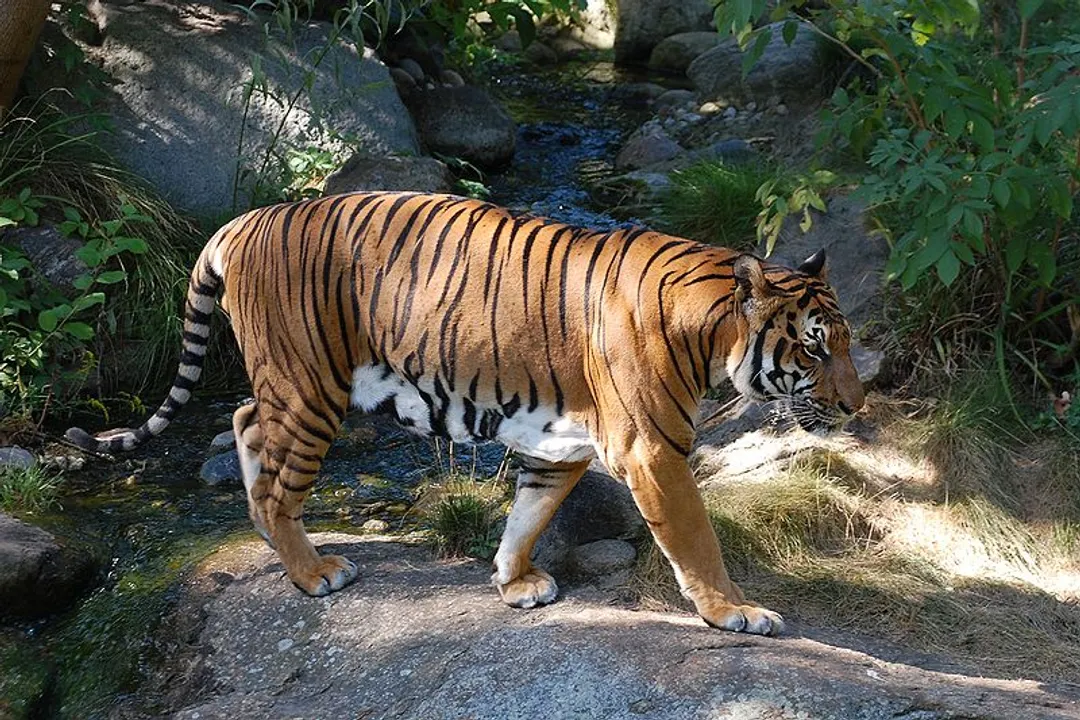
The life of an Indochinese tiger, or Panthera tigris corbetti, revolves significantly around securing its next meal in the dense forests of Southeast Asia. [3][7] As an obligate carnivore, its survival is entirely dependent on meat, placing it squarely at the top of the regional food chain. [4][8] While sharing the general predatory instincts of its larger cousins, the specific menu for this subspecies shifts based on what remains viable within its rugged habitat of tropical and subtropical forests. [1][4][7]
# Primary Meals
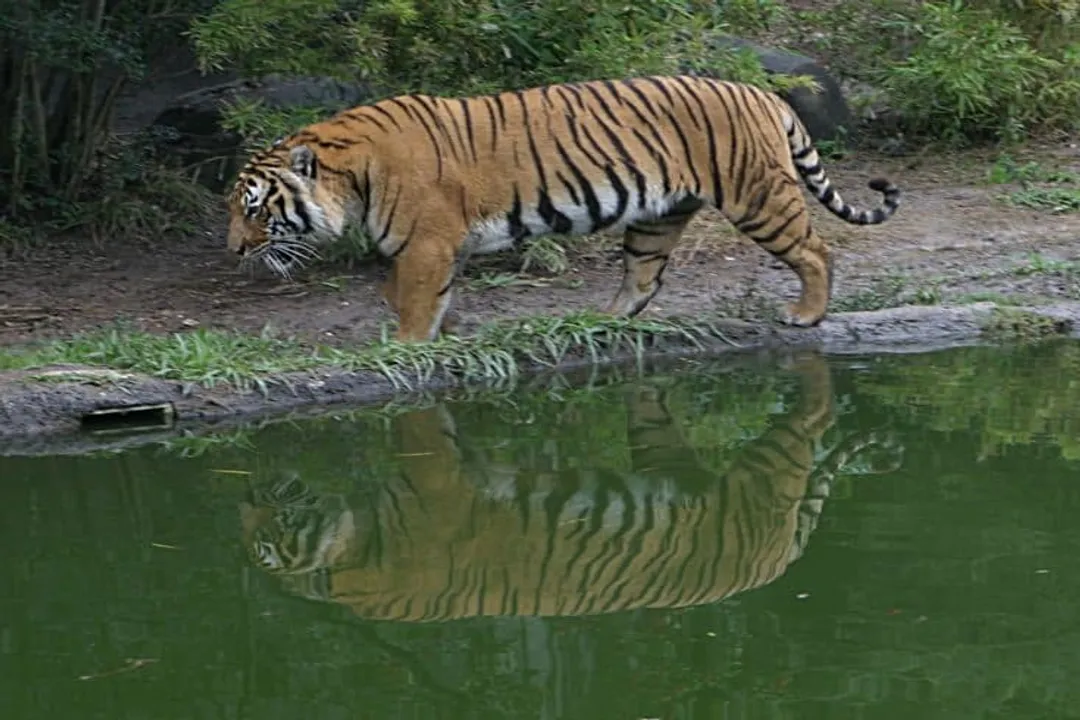
The bulk of the Indochinese tiger’s diet consists of medium to large-sized wild ungulates—hoofed mammals native to the region. [1][7] These larger kills provide the necessary caloric intake for such a powerful predator. [2]
Key staples frequently cited across observations include:
- Sambar Deer: This species appears consistently as a core component of the diet. [1][3][4][7][8]
- Wild Boar: In some areas, this provides a significant portion of the diet. A study tracking tigers equipped with GPS collars in Thailand specifically identified the wild boar as the most frequently killed animal of choice. [3]
- Banteng: These are wild cattle native to the region and represent a substantial catch. [1][3][6][7]
- Gaur (or Guar): Tigers target both the full-grown Gaur and, more commonly, the younger specimens. [1][3][7]
- Serow: This goat-antelope-like mammal also features prominently in the general listings of their prey base. [1][7]
It is interesting to note the slight variation in listing: one source mentions cattle as a common meal, [2] which likely refers to domesticated cattle encroaching on or near their territory, suggesting an opportunistic side to their ungulate hunting habits. [4][8]
# Scarcity Diet
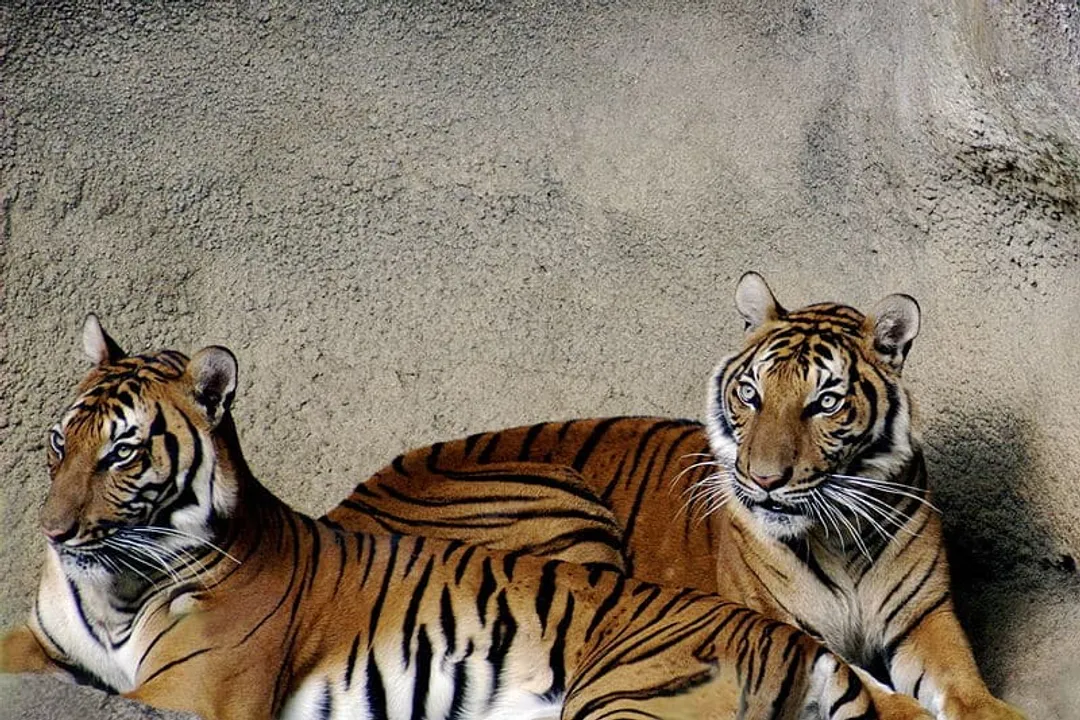
Because these tigers inhabit politically and geographically complex regions where prey populations are increasingly fragmented or depleted, the ability to adapt the menu is essential for survival. [1][3] When the preferred large ungulates become scarce, the Indochinese tiger demonstrates adaptability by turning to smaller fare. [1][7]
This supplemental diet can include:
- Cervids: Smaller deer species, such as the Muntjac (also called Barking Deer). [1][7]
- Primates: Various monkeys, including macaques. [1][4][7]
- Mustelids/Rodents: Hog badgers and porcupines are mentioned as fallback options. [1][4][7]
- Other Fauna: To round out their intake, they have been known to consume birds, fish, and reptiles when opportunities arise. [4][7]
One piece of historical context reveals how desperate situations impact their feeding strategy: some animals that were once hunted, such as the kouprey (a critically endangered wild cattle) and Schomburgk's deer, are now extinct, meaning the tigers are entirely reliant on what remains in their current territories. [7]
This dynamic highlights a crucial ecological concern. As apex predators, their health reflects the health of the forest’s herbivore base. [2] If the foundation of their diet—the large ungulates—continues to decline due to snaring or habitat loss, the tigers must either subsist on less energy-rich small animals or risk increased conflict with human settlements by preying on livestock. [1][3] The shift from preferred large prey to smaller, harder-to-catch animals like porcupines or monkeys is an indicator of environmental stress within their range. [1]

# Physical Tools for Feeding
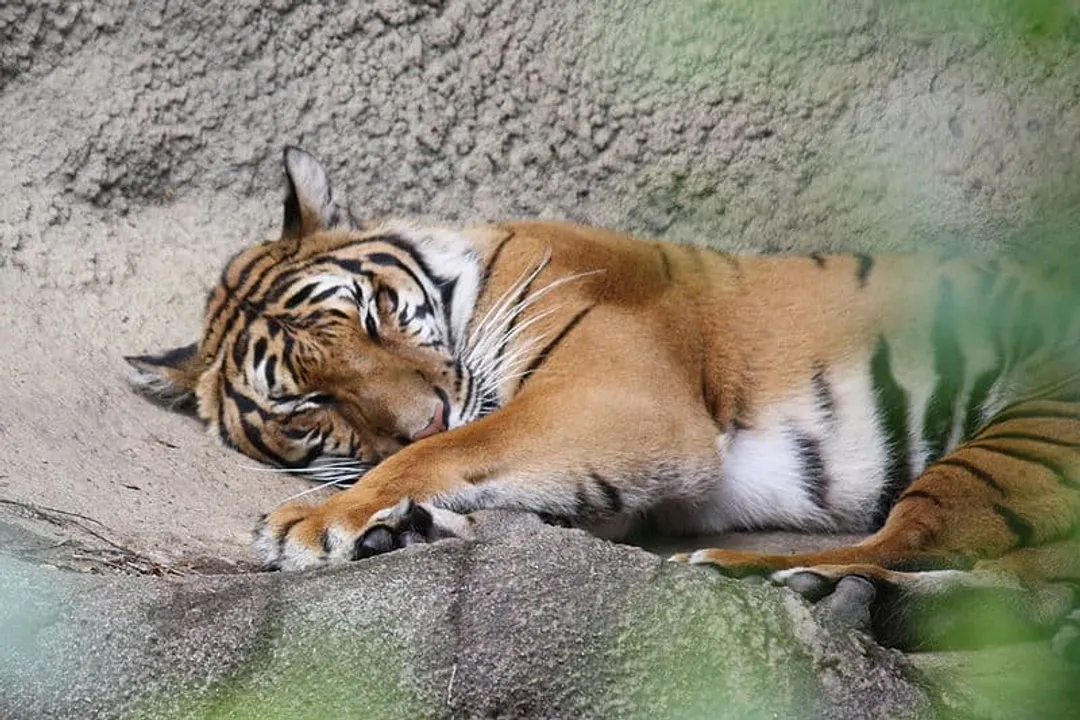
An Indochinese tiger’s physical adaptations are finely tuned for its carnivorous lifestyle, allowing it to bring down prey that can sometimes weigh hundreds of pounds. [8] They are masters of stealth, utilizing their golden-orange coat with dark, narrow stripes to camouflage perfectly within the dappled light of the forest understory. [2][7] They are primarily nocturnal hunters, an advantage derived from their powerful eyesight that allows them to see clearly in low light. [2][4]
When a successful ambush is executed, the sheer power of the strike is important, but the finishing sequence also relies on specialized anatomy. Once the prey is down, their large, sharp canine teeth deliver the killing bite. [6][7] Furthermore, their rough tongues are equipped with backward-curving protrusions called papillae. [4][8] These tiny spikes function like built-in scrapers, enabling the tiger to efficiently strip meat and even small feathers from the bone without injuring its own sensitive mouth tissue. [4][8] A truly massive kill can sustain the animal for a significant period; estimates suggest they can consume up to 88 pounds of meat in a single feast, an amount that rivals the weight of six standard bowling balls. [4]
# Ecosystem Regulation
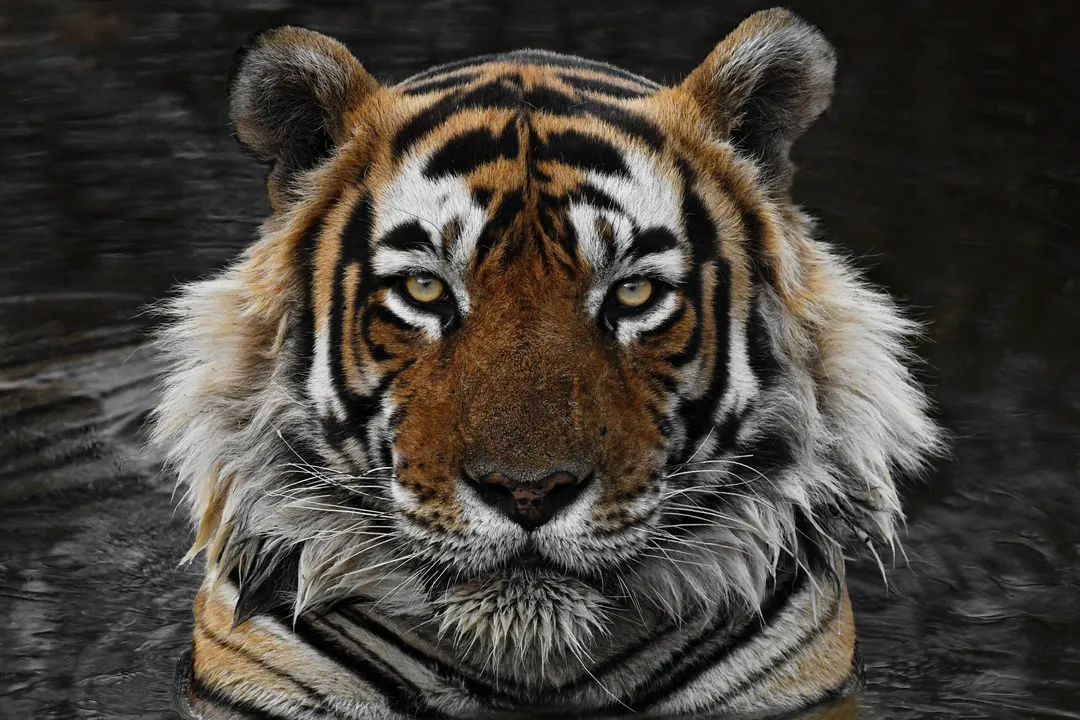
The role of the Indochinese tiger extends far beyond its own caloric needs; it is a vital component in maintaining the ecological structure of the forests it inhabits. [2] By actively preying on and keeping the populations of ungulates in check, the tiger helps maintain a natural balance between herbivores and the plant life that those herbivores consume. [2][3] Without this top-down regulation, certain herbivore populations could explode, leading to overgrazing and subsequent habitat degradation, which would negatively affect the entire forest community, including the tigers themselves. [3]
For conservationists working to secure the future of this endangered subspecies—which is now functionally extinct in several former range countries like Cambodia and Laos—ensuring a healthy and abundant prey base is just as crucial as protecting the tigers from poachers. [3] If the prey species cannot recover due to indiscriminate snaring by humans, the tigers will starve or be forced into dangerous encounters, making the management of ungulate populations an indispensable, though indirect, part of any successful tiger recovery plan. [3]
Related Questions
#Citations
Full Indochinese Tiger Information | Project Endangered Tigers
Indochinese Tiger Animal Facts - Panthera Tigris Corbetti
Indochinese Tiger Facts & Photos | Wowzerful
Indochinese tiger Facts for Kids
Indochinese Tiger | Creatures of the World Wikia - Fandom
Indochinese Tiger Facts: Lesson for Kids | Study.com
Tiger Facts | David Shepherd Wildlife Foundation
Indochinese Tiger - Facts, Habitat, Behavior, Diet, Population, Pictures