What are the health problems with Catalan Sheepdogs?
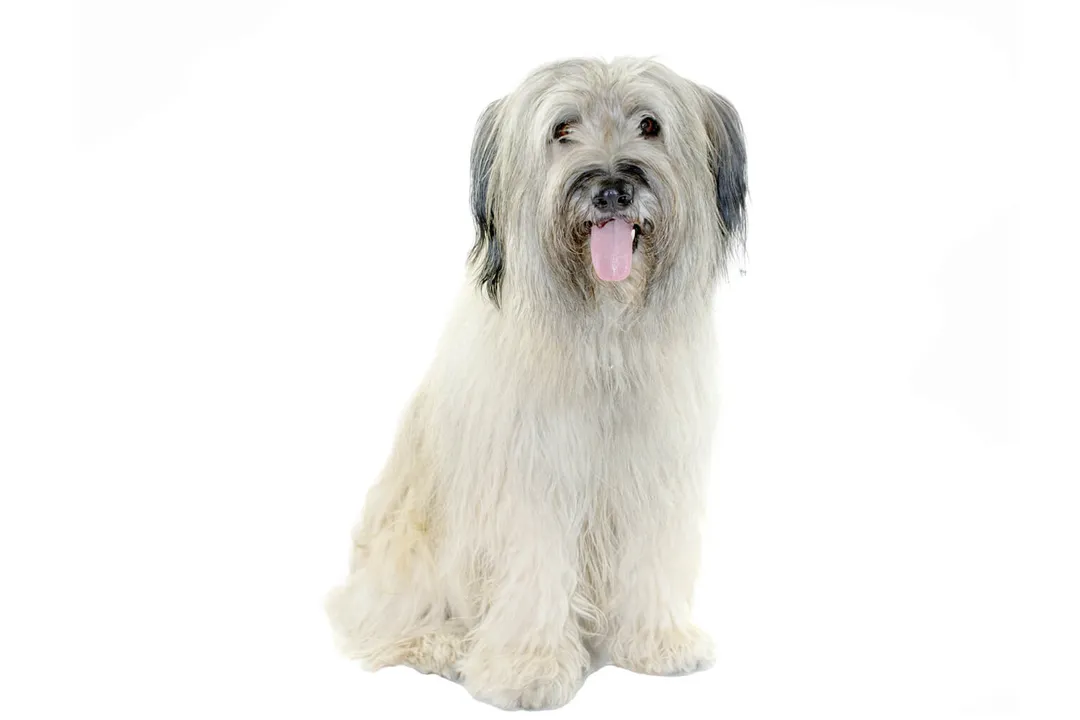
The Catalan Sheepdog, or Gos d’Atura Català, generally boasts a strong constitution, often affording its owners a long companionship, with typical lifespans ranging from 12 to 14 years. [1][3][6][9] This breed is often considered quite hardy and generally healthy. [3][5] However, like all purebred dogs, they are predisposed to certain inherited or common conditions that prospective and current owners should be aware of to ensure optimal well-being throughout their lives. [3] Understanding these potential vulnerabilities allows for proactive management and can significantly impact the quality of life for this intelligent, high-energy companion. [7]
# Joint Health

One of the most frequently noted orthopedic concerns within many medium-to-large breeds, including the Catalan Sheepdog, is hip dysplasia. [2][4][6] This condition involves the abnormal formation of the hip joint, leading to looseness, which can cause pain, lameness, and eventually debilitating arthritis. [2] While not every Catalan Sheepdog will develop it, the possibility necessitates mindful breeding practices and careful management of early development. [3]
When considering a puppy, prospective owners should always inquire about the hip scores of the parents, as certificates from organizations like the British Veterinary Association (BVA) or similar international bodies can offer insight into genetic risk. [3] Beyond genetics, the management of a growing puppy plays a substantial role in joint health. Because these dogs are energetic and intelligent, they require significant physical activity, but over-exercising a young dog whose growth plates have not fully closed can place undue stress on developing joints. A responsible approach involves prioritizing consistent, low-impact movement rather than intense, sudden bursts of activity during the first year of life. [1][7] This careful conditioning, paired with maintaining a lean body weight throughout the dog's entire life, helps to reduce the cumulative wear and tear that accelerates conditions like degenerative joint disease, which can often be a secondary complication of untreated or severe hip issues. [6]
# Sight Risks
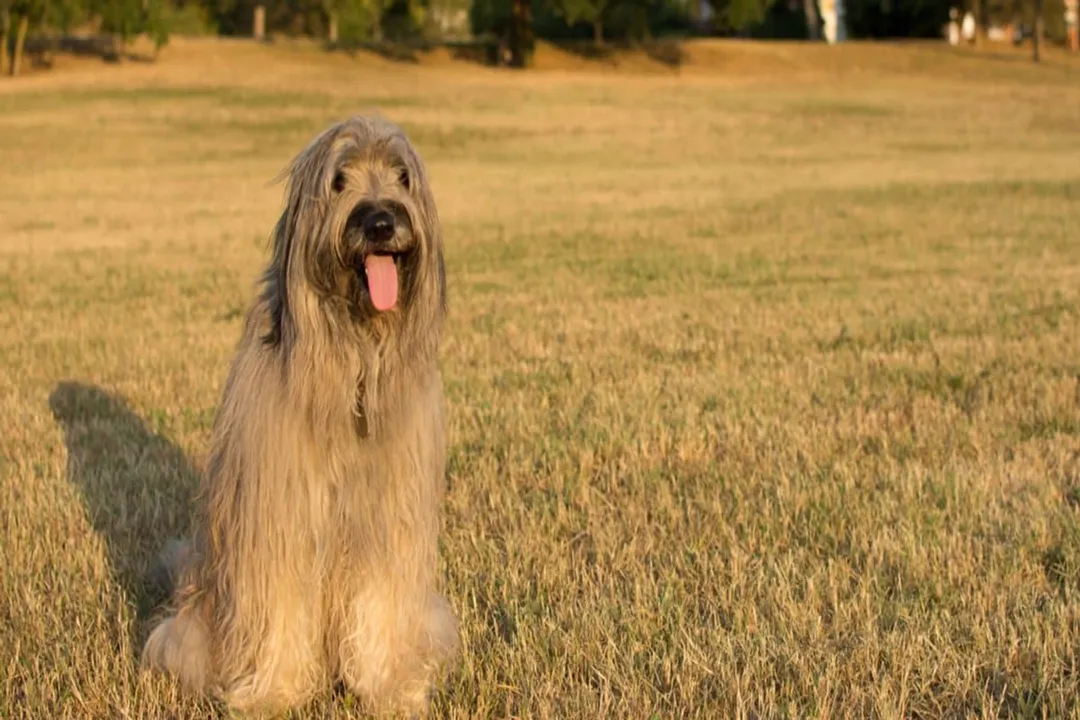
Concerns regarding the eyes are also present within the breed profile, most notably relating to inherited conditions that can affect vision over time. [4] The primary specific threat cited is Progressive Retinal Atrophy (PRA). [2][4]
PRA is a group of degenerative eye diseases that result in the gradual loss of retinal function, ultimately leading to blindness. [2] While the onset and progression can vary, it is a hereditary condition, meaning screening of breeding stock is vital to reducing its incidence in the population. [3] Because the vision loss associated with PRA is often gradual, owners may not notice significant changes until the dog has already lost a substantial portion of its sight. To counter this, an actionable step for new owners is to establish a baseline eye examination schedule with a veterinary ophthalmologist early in the puppy's life. Even if the breed is only considered at risk rather than one with a high incidence, understanding the dog’s baseline retinal health allows for early detection and helps the owner prepare for potential future accommodations needed for a blind dog, such as keeping furniture placement consistent.
It is worth noting that while PRA is the most commonly cited specific threat, general eye health checks should be a routine part of annual veterinary visits to catch other, potentially treatable, issues early on. [4]

# Coat Implications
Although the Catalan Sheepdog's unique, profuse double coat is its most defining characteristic, it can sometimes lead to secondary skin or grooming-related issues if not managed correctly. [5][8] This is less about a systemic genetic disease and more about health maintenance stemming from the coat’s structure.
The dense, long, slightly wavy or shaggy texture is designed for protection in harsh mountain environments. [5] In a domestic setting, however, this coat requires dedicated and thorough grooming to prevent matting. Deep, tight mats can pull on the skin, cause irritation, restrict airflow, and create hot spots where moisture is trapped, leading to secondary bacterial or yeast infections. [1] Furthermore, the dense undercoat can make the dog susceptible to overheating during hot weather if the coat is not properly thinned or stripped seasonally. [8]
This brings up an important consideration: the time commitment required for coat maintenance often dictates the perceived "health" of the skin in this breed. A dog that receives inadequate brushing may appear to have skin problems that are fundamentally grooming failures rather than disease states. For instance, many owners underestimate the frequency required—daily attention is often necessary, especially during heavy shedding seasons, to keep the coat healthy and comfortable against the skin. [1]
# Endocrine and Other Concerns
Beyond the most commonly discussed areas of orthopedics and vision, breed-specific health profiles often mention potential vulnerabilities in other systems, though specifics can vary across reports. [2][4] Some general health summaries suggest that while not heavily afflicted, owners should remain aware of possible issues such as endocrine disorders or sensitivities common to many working breeds. [2][4]
When evaluating the overall health picture, it is important to recognize that the lack of extensive, publicized health surveys for less common breeds like the Catalan Sheepdog means that anecdotal evidence and historical breed concerns often form the basis of health recommendations. [6] This reinforces the value of supporting breed clubs [3] and reputable breeders who actively participate in health testing protocols, even if those protocols are primarily focused on the well-known risks like hips and eyes.
For owners, recognizing subtle changes in energy levels, appetite, or coat condition—even when not directly linked to a known major issue—is key. Because the breed is naturally energetic and responsive, a sudden dip in drive or enthusiasm can be an early indicator that something is amiss, prompting an earlier veterinary consultation than might occur with a less active companion breed. Staying attentive to these baseline behavioral markers provides an important, non-diagnostic tool for early intervention across any potential health trajectory the dog might face.

# Screening and Prevention
The consensus among breed advocates is that proactive screening remains the best defense against inherited problems. [3][7] While genetic testing panels are becoming increasingly available for many breeds, for the Catalan Sheepdog, the focus often rests on the established certifications for structural issues.
A simplified overview of the screening priorities might look like this:
| Health Area | Primary Concern | Recommended Action |
|---|---|---|
| Skeletal | Hip Dysplasia | Obtain parental hip scores (e.g., OFA/BVA equivalent). [2][3] |
| Vision | Progressive Retinal Atrophy (PRA) | Consult ophthalmologist for baseline exam. [2] |
| General | Temperament/Alertness | Monitor for sustained changes in behavior. [7] |
In summary, the Catalan Sheepdog is typically a sound, long-lived dog. Health management centers on mitigating the risks associated with hip integrity and inherited eye conditions through responsible acquisition and diligent lifelong care, particularly concerning appropriate exercise and dedicated coat maintenance. [3][6]
Related Questions
#Citations
Catalan Sheepdog: Life Expectancy, Health Issues, Temperament
Catalan Sheepdog | Dog Breeds - Omlet
Health & Welfare - Catalan Sheepdog Club
Catalan Sheepdog (character, nutrition, care) - Hundeo
All about Catalan Sheepdog breed - Animalia
Catalan Sheepdog Breed Information & Insights - Basepaws
Catalan Sheepdog | Dog Breed Facts and Information - Wag!
Catalan Sheepdog Dog Breed Complete Guide - A-Z Animals
Catalan Sheepdog Dog Breed Information | Purina UK