What does the spiny turtle eat?
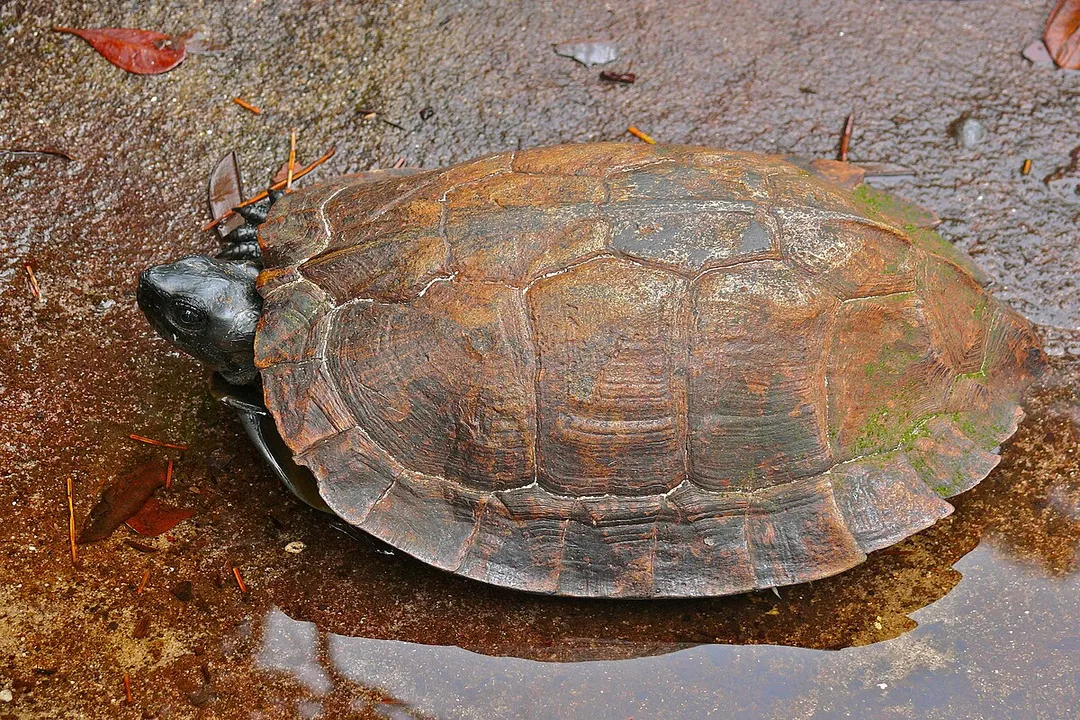
The inquiry into the diet of a "spiny turtle" requires a look across species lines, as the term can refer to at least two distinct reptiles: the Asian Spiny Turtle (Heosemys spinosa) and the North American Spiny Softshell Turtle (Apalone spinifera). While both possess some form of spine or spiny texture, their eating habits reflect dramatically different ecological niches, separating one as a primarily fruit-and-plant-based omnivore and the other as a dedicated, opportunistic aquatic predator.
# Softshell Hunting
The Spiny Softshell Turtle, known scientifically as Apalone spinifera, is one of North America's larger freshwater species, characterized by a shell that is flat, soft, and leathery rather than hard and domed. These turtles are highly aquatic, spending the majority of their time submerged in rivers, streams, ponds, and lakes that offer a soft, muddy, or sandy bottom. Their diet is overwhelmingly carnivorous, built around what they can catch in or near the water.
Apalone spinifera actively seeks out a wide variety of prey. Their menu includes crayfish, aquatic insects, mollusks, earthworms, tadpoles, frogs, and minnows. They are also known to consume carrion—dead organic matter—and even some plant material, fitting into a broad carnivorous niche. The hunting technique of the softshell is fascinating and tied directly to its unique anatomy, such as its long neck and pig-like snout. They employ two main strategies: actively probing along the bottom or searching through submerged vegetation clumps, or, more famously, burying themselves entirely under mud or sand in shallow areas. With only their long neck and snout protruding, they wait patiently to ambush any passing creature that fits within their grasp. This reliance on a soft substrate for concealment highlights an important ecological consideration: for areas like the Lake Champlain subpopulation, habitat destruction that replaces soft bottoms with hard surfaces, such as through shoreline development or dredging, directly removes the preferred ambush and foraging structure for these reptiles.
# Asian Diet
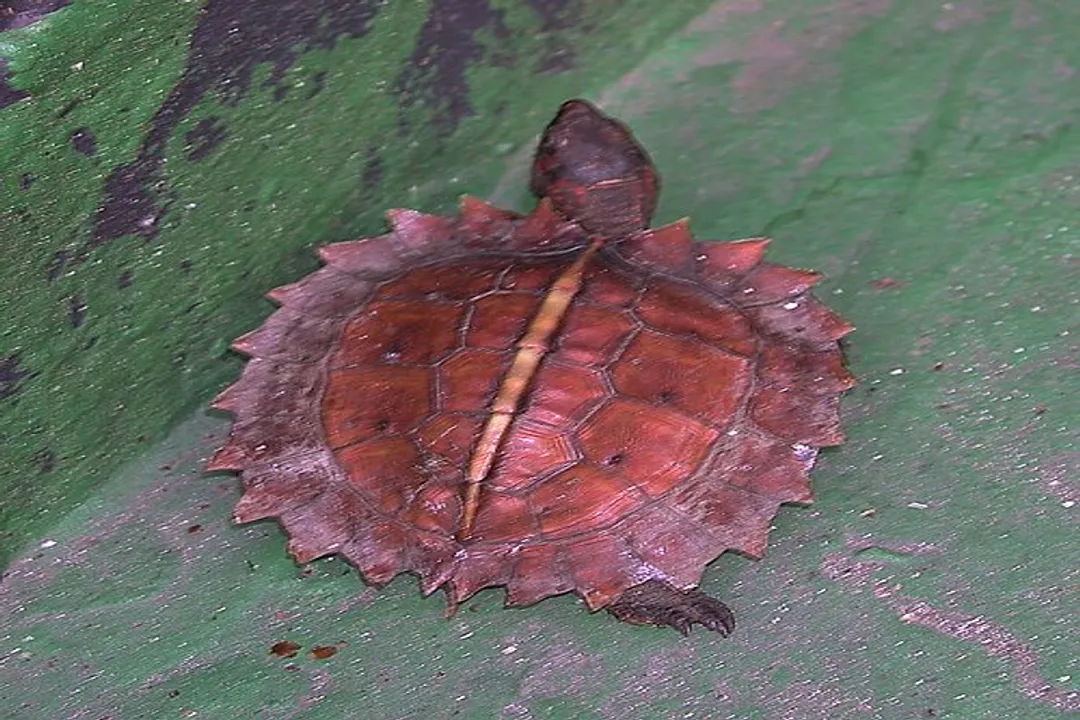
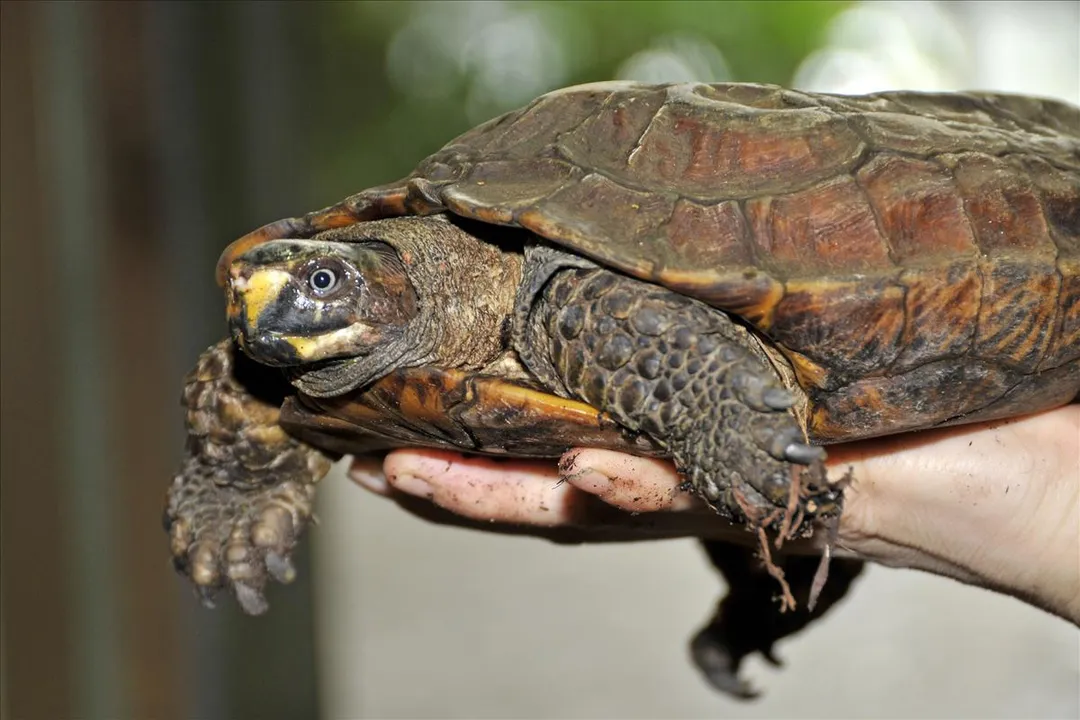
In contrast to the relentless aquatic pursuit of the softshell, the Asian Spiny Turtle (Heosemys spinosa), typically found in the hill rainforests of Southeast Asia, exhibits a more varied, predominantly plant-based diet. While they are often portrayed as herbivores, analysis shows they operate as classic omnivores, supplementing their greens with animal matter.
The bulk of the H. spinosa diet in the wild consists of vegetation and, significantly, fallen fruit. One fruit from the yin-ngan tree is noted as being particularly important, with turtles frequently gathering beneath these trees when they are fruiting in places like Myanmar. This preference for fruit ties directly into their ecological role as an agent of dispersal; fecal content analysis has confirmed that these turtles pass seeds from various plant types, helping move plant life through their forested habitat.
However, their intake is not limited to the produce aisle of the forest floor. They readily consume invertebrates and carrion. Evidence pointing toward the consumption of animals—including the finding of hair in fecal samples—suggests they supplement their herbivorous habits with small prey or scavenged meat.

# Comparing Strategies
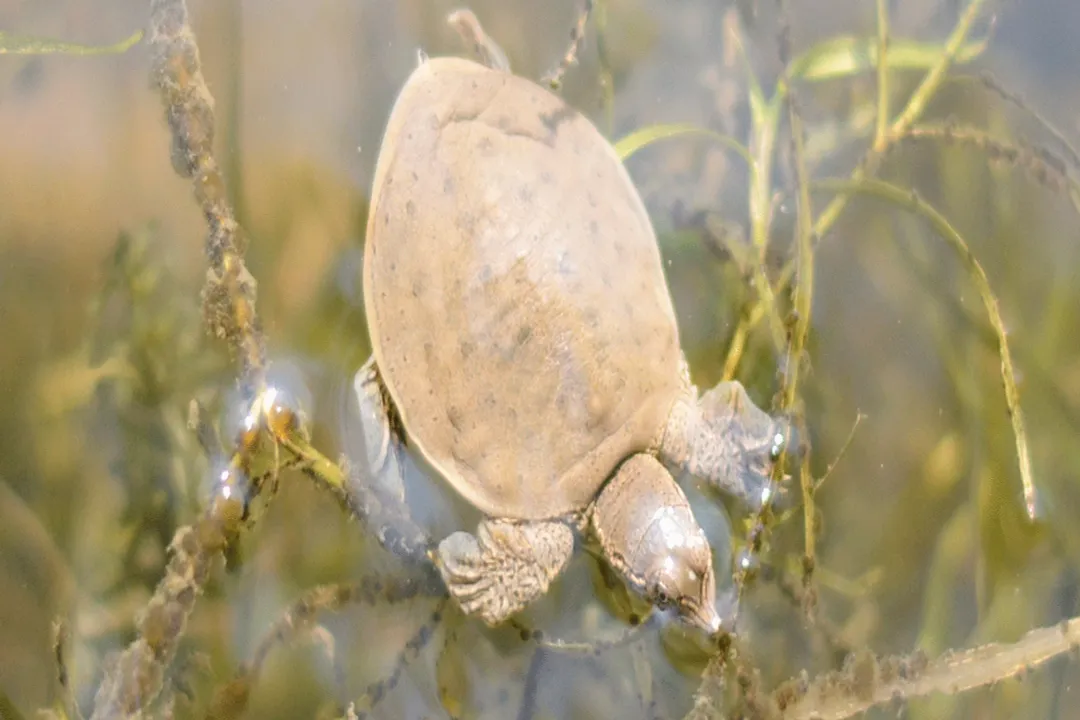
The difference in diet between Apalone spinifera and Heosemys spinosa is fundamentally a difference in environmental adaptation and foraging style. The Spiny Softshell is built for speed and quick strikes in open, flowing water, preying on mobile aquatic life like fish and crayfish. Its ability to absorb oxygen through specialized linings in its mouth and cloaca allows it to remain submerged for long periods, waiting for the right aquatic meal to swim by.
Conversely, the Asian Spiny Turtle is noted for burying itself in leaf litter to camouflage during the day, emerging primarily at night to forage for food. Its consumption of fallen fruit and vegetation points toward a more opportunistic, generalized foraging pattern within a dense, shaded forest floor ecosystem, rather than specializing in the swift pursuit of swimming prey. It makes sense that a turtle inhabiting humid, shaded forest streams would rely heavily on what drops from above—fruit—and what lives among the detritus—invertebrates—rather than deep diving for fish.
# Captive Consumption
Observations in captive settings offer a glimpse into the flexibility of both species, though one shows a clearer appetite for non-natural items. For the Asian Spiny Turtle, zoo records indicate they will eat meat when offered. Furthermore, keepers have noted that captive juveniles consume fruit salads multiple times a week, with a specific predilection for tomatoes. This suggests that while the wild diet leans heavily on natural forest produce, the H. spinosa palate is adaptable to softer, wetter foods, which might mirror the succulence of certain tropical fruits. The softshells, being primarily carnivorous, would naturally be offered diets rich in fish and invertebrates in controlled environments, though their natural drive is clearly satisfied by the local abundance of crayfish and aquatic insects in North American waterways. In an environment where the turtle must quickly grab any small fish or insect passing its hiding spot, successful feeding is less about searching for a particular item and more about maintaining a hidden, ready position for any target that drifts within range.
Related Questions
#Citations
Spiny turtle
Spiny Softshell Turtle
Eastern Spiny Softshell Turtle
Spiny turtle - Heosemys spinosa
Spiny softshell turtle