What does Baya Weaver eat?
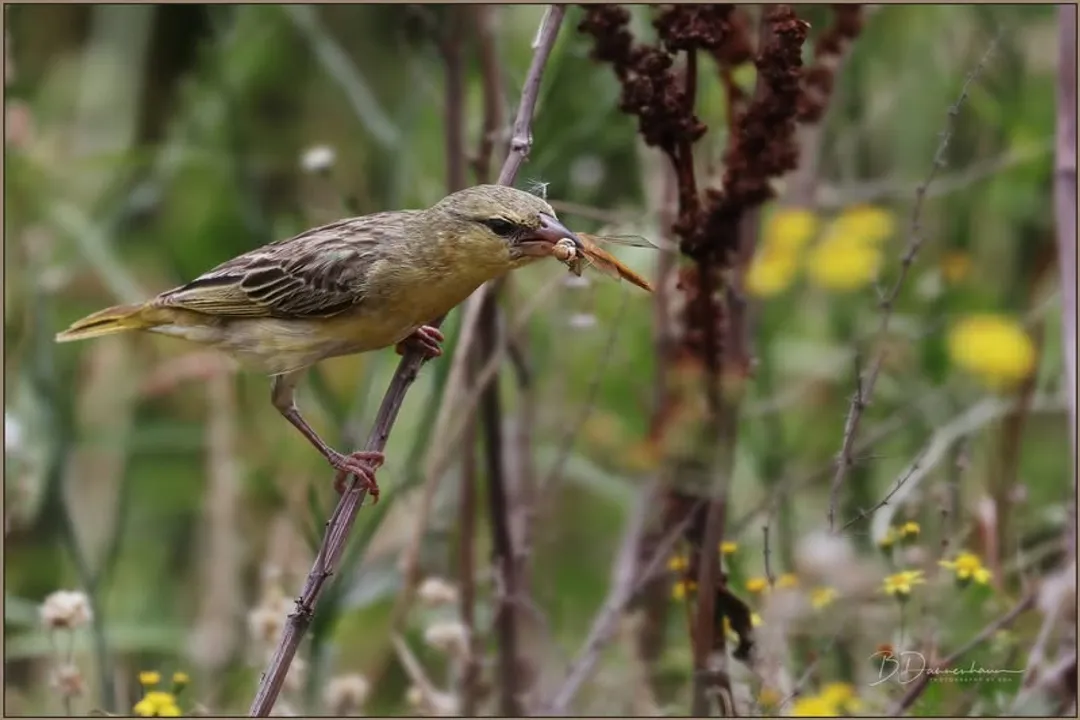
The diet of the Baya Weaver (Ploceus philippinus) is characteristically diverse, reflecting its adaptability across various habitats in South Asia. [3][4] While they are fundamentally granivorous birds, meaning their main sustenance comes from seeds and grains, they exhibit significant dietary flexibility, especially when protein is needed for their young or when high-energy sources become available. [1][3]
# Primary Diet Seeds
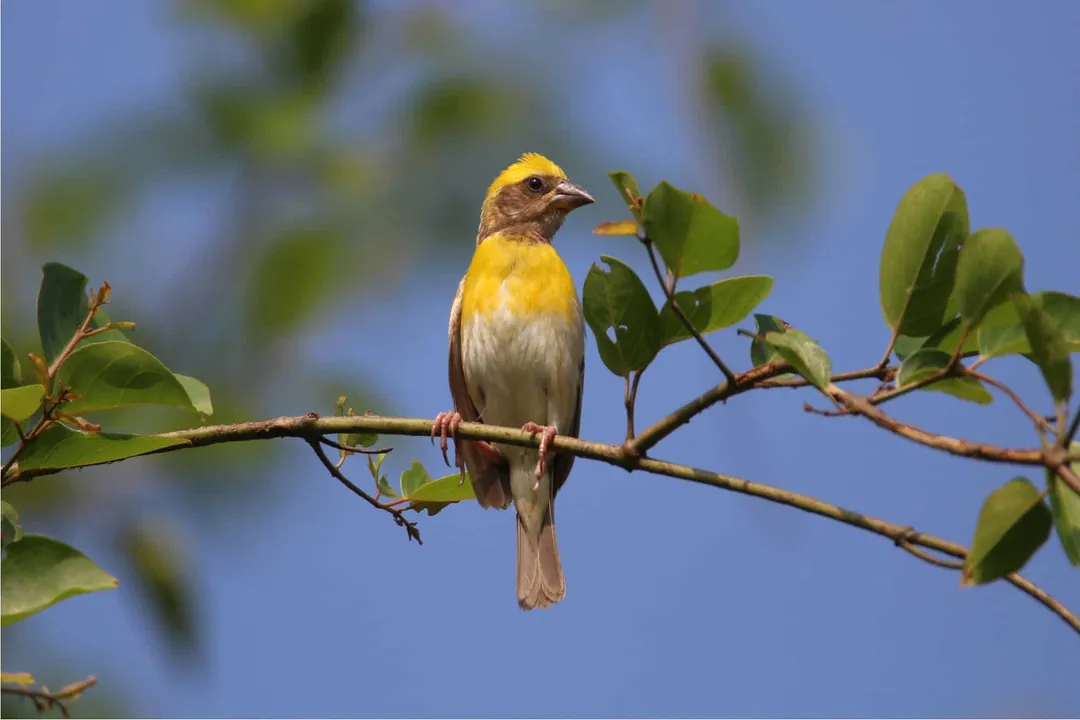
The bedrock of the Baya Weaver's nutrition consists of seeds from various grasses and cereal crops. [1][7] They consume the seeds of numerous common grass species. [3] In agricultural areas, they readily switch their focus to cultivated grains, which establishes a complex relationship with local farming communities. [5]
Their preference leans towards the seeds of grasses found in weedy areas and cultivated fields. [3] They have been documented eating the seeds of several plants, including those belonging to the Paspalum genus and Setaria species. [3] When they find accessible grain fields, such as those growing millet or rice, they can gather in surprisingly large flocks to feed. [5] This reliance on grains means their local abundance is closely tied to the availability of mature grass seeds throughout the year. [1]
If we examine the nutritional composition, seeds offer a dense packet of carbohydrates and fats, providing the sustained energy required for daily activities like foraging over long distances and the intense physical demands of breeding. [3]
# Insect Consumption
Although seeds form the staple, insects and spiders are indispensable components of the Baya Weaver's menu, particularly during the nesting season. [1][3] This shift towards animal protein is not just a preference but a biological necessity tied to reproduction. [3]
Protein-rich food is vital for the development of the rapidly growing nestlings. [3] Adult weavers will diligently hunt small invertebrates to provision their chicks. [1] This insectivorous phase ensures the young receive the necessary amino acids for building muscle and bone structure during their crucial early weeks. [3] While the adults primarily consume seeds, the nestlings rely almost entirely on these softer, protein-heavy provisions delivered by their parents. [3] The precise mix of insects—such as beetles, grasshoppers, or termites—will depend entirely on what is locally abundant when the chicks hatch. [1]
# Nectar Supplement
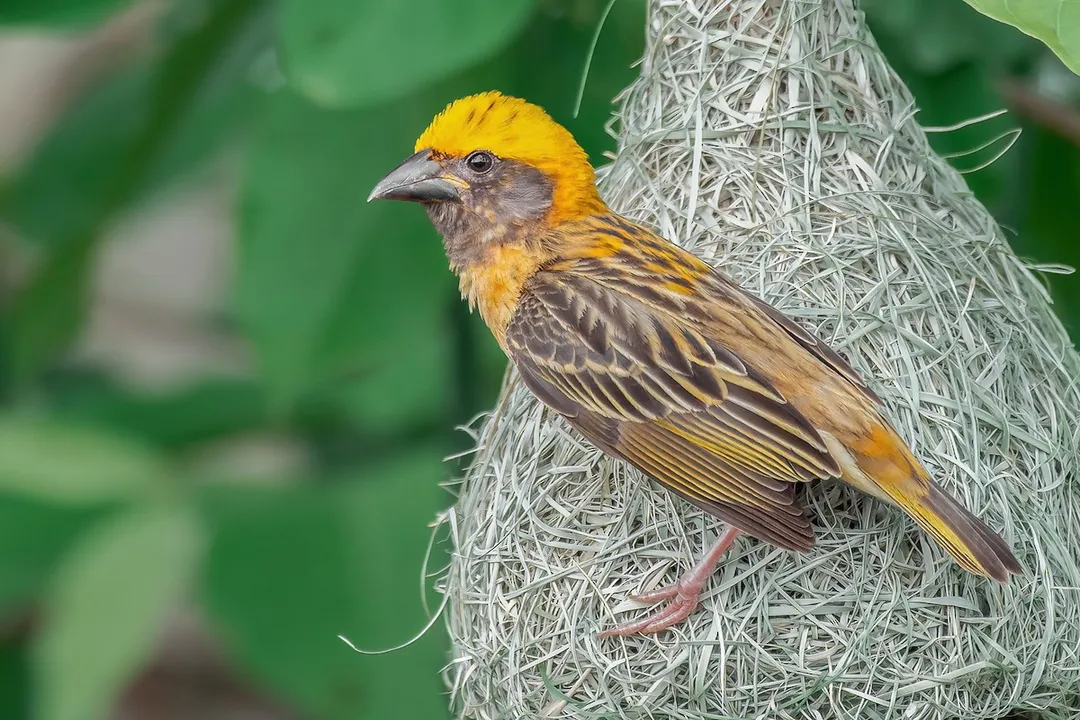
A fascinating, though perhaps less frequent, element of the Baya Weaver's feeding habits involves the consumption of nectar. [2] Observers have noted these birds visiting flowers specifically to drink the sugary liquid. [2]
This nectar feeding appears to be an opportunistic behavior, likely serving to supplement their energy intake when readily available. [2] Nectar is almost pure sugar, offering an immediate, high-octane source of fuel that is very different from the slow-release energy of a dry seed. [2]
If we consider the intense physical demands of their breeding cycle, particularly the male's tireless efforts in weaving the intricate, hanging nests, this rapid energy source becomes particularly logical. [2] A male might require this immediate sugar boost during an intensive construction phase, perhaps immediately after demonstrating his nest quality to a prospective mate, much like an athlete taking a quick energy gel mid-race. [2] This behavior shows that while they are primarily seed-eaters, they are perfectly capable of adjusting their ingestion strategy to match immediate physiological requirements dictated by seasonal activities.
# Foraging Style
The way Baya Weavers acquire their food dictates where they are observed. They are generally described as foraging on the ground or within low vegetation. [1]
When feeding on seeds, they are often seen hopping about in grass clumps or on bare earth, picking up fallen grains or stripping seeds directly from the stalks. [1][3] Their physical structure is well-suited for maneuvering on thin branches and flower heads while balancing precariously. [2] When seeking nectar, they adopt a more delicate approach, clinging to flowers or perching nearby to probe the bloom with their specialized beaks. [2]
It is worth noting that while they are often seen feeding near cultivated fields, they are not solely dependent on human crops; the availability of wild grasses is sufficient to support them even without agricultural influence. [3]
# Dietary Shifts Timing
The composition of the Baya Weaver's diet is not static; it undergoes clear shifts synchronized with the annual cycle of breeding and weather patterns. [3]
During the breeding season, the demand for protein skyrockets, leading to a pronounced increase in insect foraging for the benefit of the growing brood. [3] Once the young fledge, the insect component of the diet naturally decreases as the focus shifts back to seed gathering for maintenance. [3]
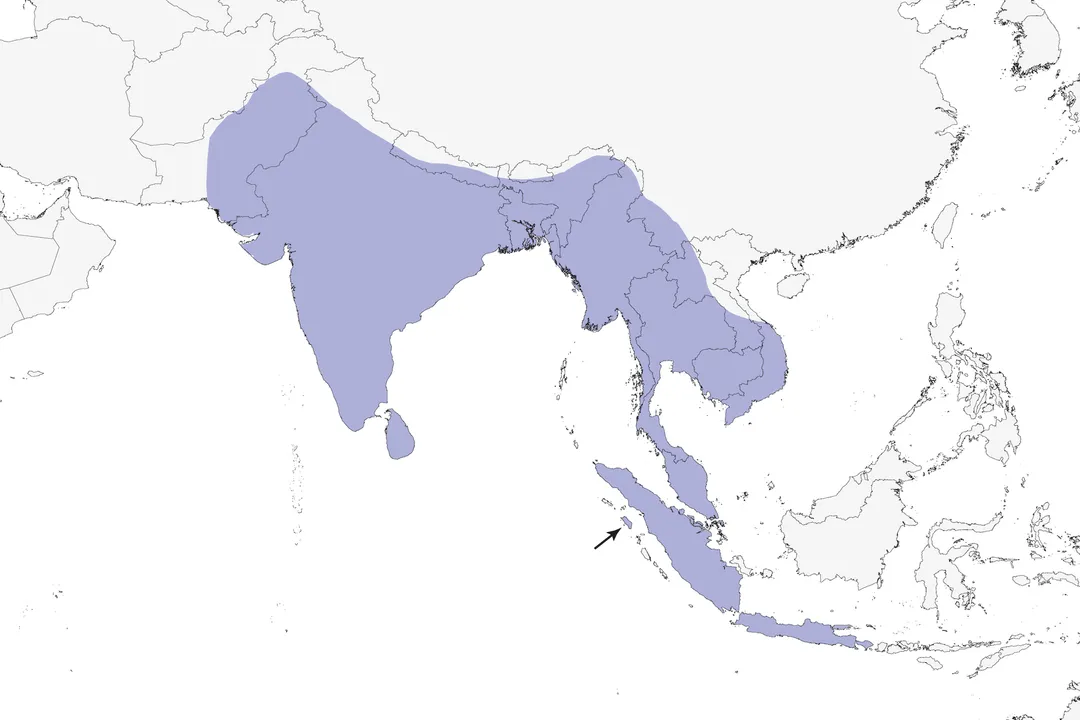
In regions with distinct wet and dry seasons, the food availability changes dramatically. During the wet season, lush new grasses produce tender shoots, and insects are plentiful. [1] As the dry season sets in, many green plants wither, and the available food shifts primarily to mature, dry grass seeds. [1] Understanding this cyclical dietary change is key for anyone hoping to observe specific behaviors, as the intensity of insect hunting or the frequency of nectar visits will directly correlate with the stage of reproduction and the prevailing climate. [2][3] This inherent flexibility is a significant factor in their successful wide distribution across diverse Asian landscapes. [4]
#Videos
Baya Weavers Feeding Behaviour - Short Video - YouTube
Related Questions
#Citations
Baya Weaver - Facts, Diet, Habitat & Pictures on Animalia.bio
Baya Weaver – nectar feeding - Bird Ecology Study Group
Baya weaver - Wikipedia
Baya Bird Facts - Ploceus philippinus - A-Z Animals
Baya Weavers Feeding Behaviour - Short Video - YouTube
Baya weavers, the birds that attract mates with their nesting skills
Weaver bird diets vary by species - Facebook
Baya Weaver - Ploceus philippinus - Birds of the World