What does a uakari eat?
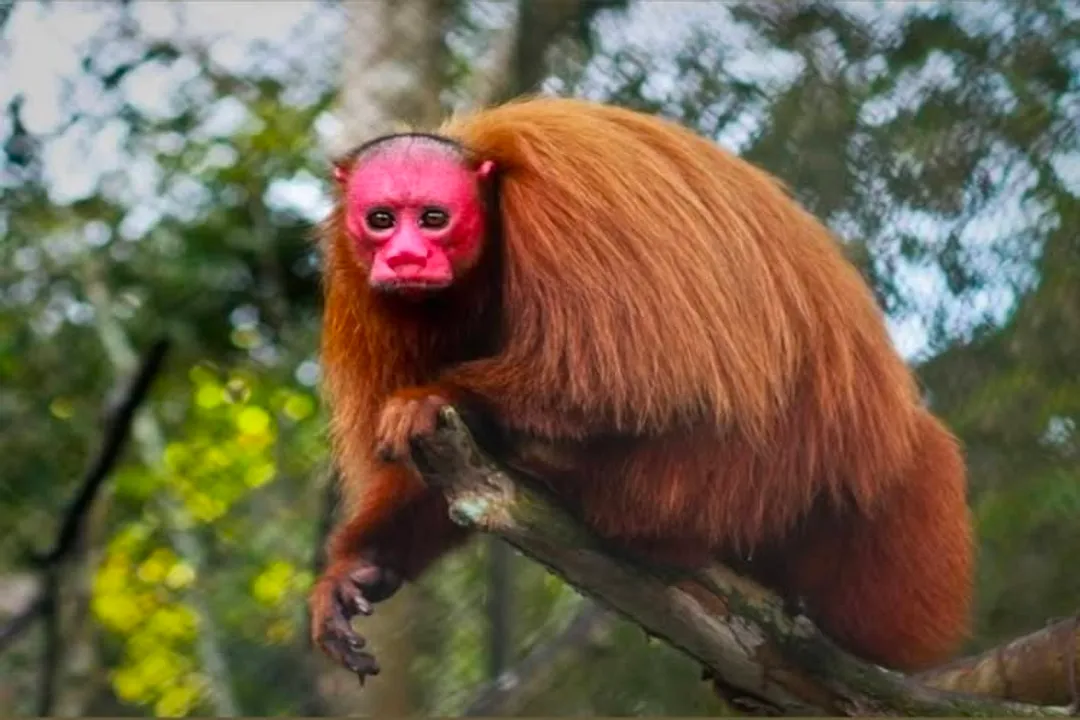
The diet of the uakari, a striking New World monkey recognized by its distinctive scarlet face, is centered predominantly on the fruits found within its Amazonian habitat. [1][6] These primates are not merely casual eaters; their survival hinges on a very specific feeding strategy that revolves around the availability of certain botanical resources in the seasonally flooded forests they inhabit. [2][4] They are generally classified as frugivores, meaning fruit forms the bulk of their caloric intake. [5][7]
# Main Diet
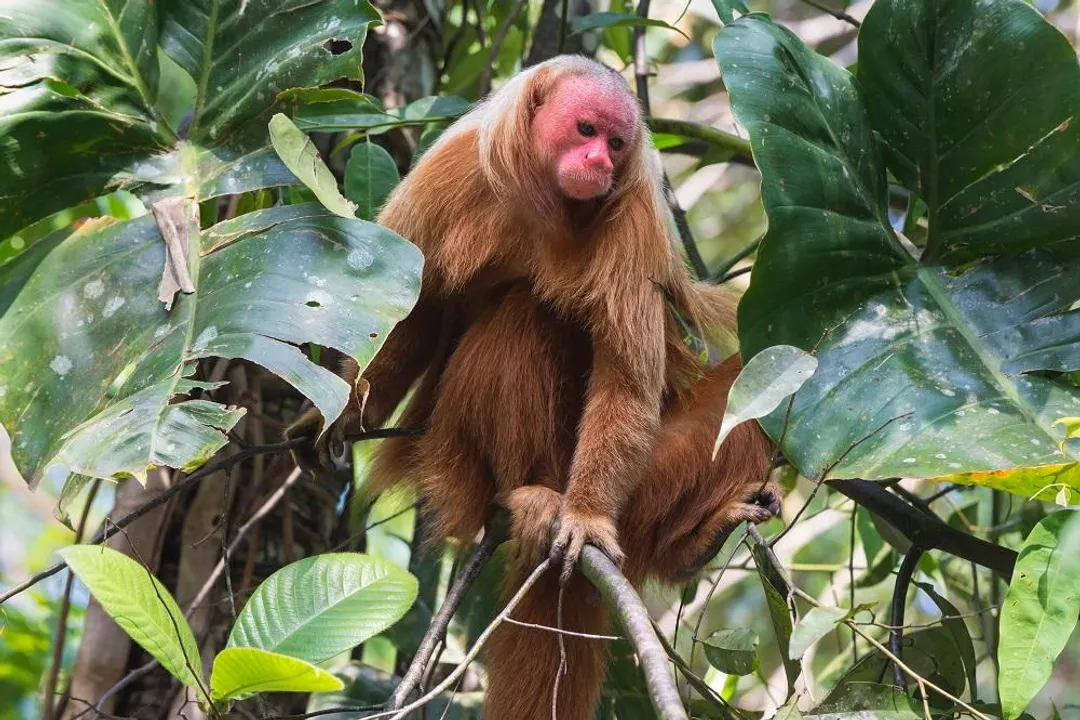
The overwhelming majority of an uakari's sustenance comes directly from fruits. [1][4][6] While they consume ripe fruit, a notable characteristic of their feeding ecology is the preference or necessity of consuming unripe fruits. [2] This preference for unripe items is significant because it often means they are targeting fruits before they have fully developed their sugars or defensive compounds, suggesting a strong drive for particular nutrients found in the immature stages of the fruit's development. [1][5] The White-headed Uakari, for instance, relies heavily on these fruit sources. [3]
Their classification as frugivores might seem straightforward, but the specifics of which fruits they consume dictate their daily movements across the forest canopy. [4] They tend to forage high up in the trees, often seeking out fruiting canopies that can sustain a large group. [2] This reliance on fruit means their diet is inherently seasonal, as the availability of preferred fruit species fluctuates throughout the year in the Amazon basin. [6]
# Seed Intake
While fruit pulp provides immediate energy, the seeds contained within those fruits represent a critical, often overlooked, component of the uakari's nutritional intake. [1][5] Sources indicate that uakaris consume a considerable amount of seeds alongside the fruit flesh. [1][4]
It is worth noting that consuming seeds often requires significant effort or specialized techniques to break through the tough outer casing, a feature that often characterizes frugivores who rely on seeds for higher protein or fat content when softer fruits are scarce. [5] The ability to process these seeds efficiently, whether through strong jaws or by waiting for the fruit to fall and soften, is crucial for balancing their intake. [1] Examining the diet of Cacajao melanocephalus, one type of uakari, shows that seeds are a regular part of the menu, suggesting they are not just opportunistic eaters but actively seek out this harder resource. [4]
# Other Foodstuffs
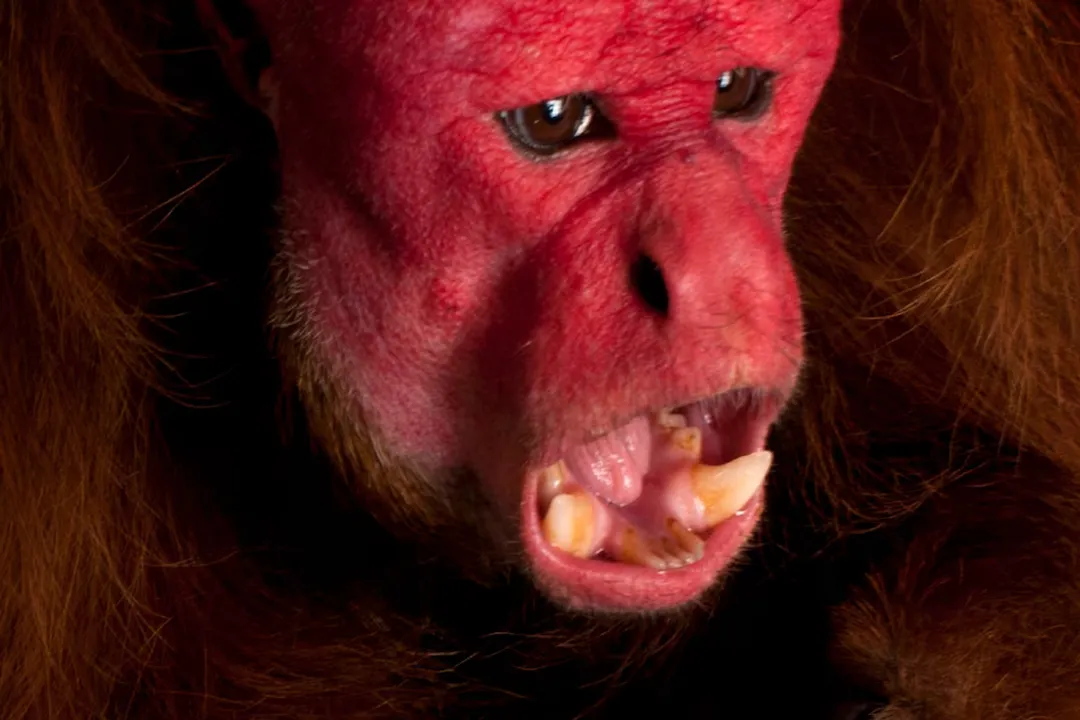
Although fruit and seeds dominate the menu, the uakari’s diet is not strictly limited to these two categories, classifying them as true omnivores in practice, though heavily skewed toward plant matter. [7] They supplement their primary food sources with other forest edibles when available or necessary. [1][5]
This supplementary diet often includes insects. [4][8] Insects provide essential protein and fats that fruits might lack, especially during periods when preferred fruits are not in season. [5] Furthermore, uakaris have been documented consuming other plant parts, such as flowers. [4] This broadens their dietary flexibility, enabling them to persist in environments where the primary food source might temporarily diminish. [2] Some general accounts suggest they eat leaves as well, though this appears to be a much less significant part of their overall nourishment compared to the fleshy fruits. [8]
| Food Category | Primary Role | Observed Frequency |
|---|---|---|
| Ripe Fruit | Quick energy, hydration | High [1][6] |
| Unripe Fruit | Specific nutrient profile | High/Preferred [2][5] |
| Seeds | Protein/Fat source | Significant [1][4] |
| Insects | Protein supplementation | Regular [4][8] |
| Flowers/Leaves | Minor supplement | Low [4] |
A deeper look into the specific requirements of maintaining such a vibrant red face—a key characteristic of the Bald Uakari—might involve specific carotenoids found in certain fruits or perhaps even other dietary factors that aid in skin health, an aspect that demands more specialized dietary analysis than general surveys often capture. [3][6] We see from the data that while they are overwhelmingly frugivorous, the need to seek out seeds and invertebrates points toward an ecological adaptability that prevents starvation when the preferred fruit crop fails. Thinking about the energy budget, traveling long distances to secure a patch of unripe fruit versus consuming a readily available but less preferred item like a common leaf highlights a constant trade-off the monkeys must manage daily. This decision-making process, based on immediate caloric gain versus long-term nutritional needs, is fascinatingly complex for a creature seemingly driven by visible fruit patches. [2][5]
# Dietary Timing
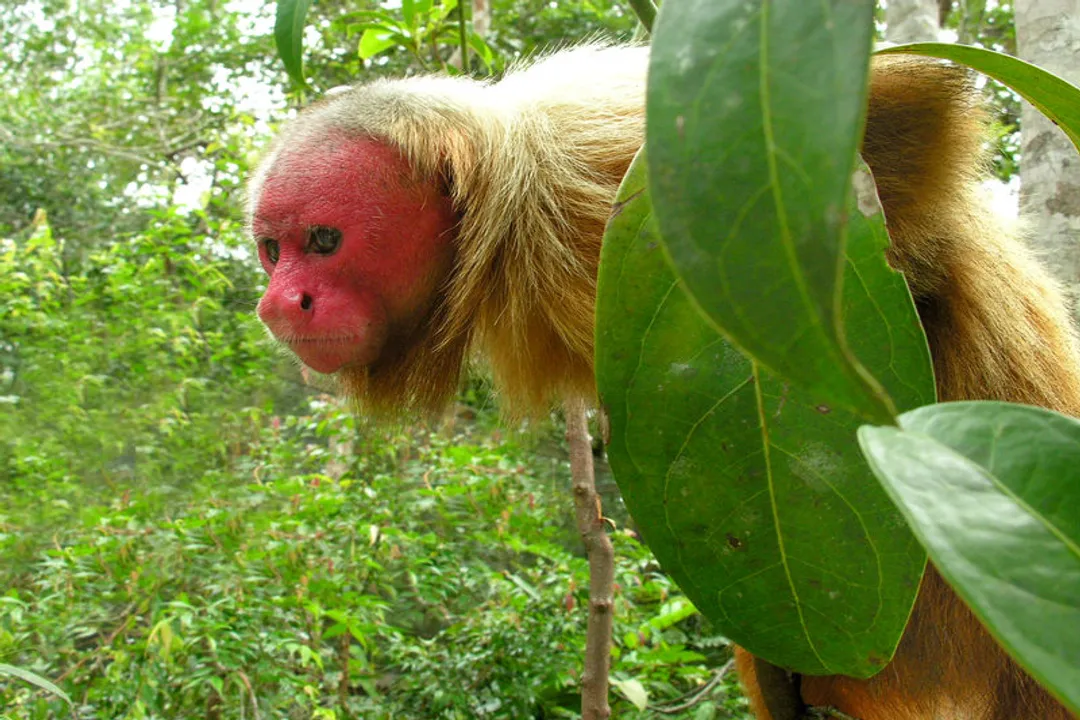
The feeding pattern of the uakari is highly synchronized with the rainforest's cycles. [6] The term "seasonally dependent" accurately describes their relationship with their food supply. [4] When the fruiting season is at its peak, the uakari groups can feast, consuming large quantities of whatever preferred species are abundant. [1]
However, the lean times present a real challenge. When their primary fruits are scarce, the animals must turn to secondary food sources, which may require more time to find or digest, such as insects or harder seeds. [2][5] The ability to switch reliance from a high-sugar fruit diet to a higher-fiber/protein diet (seeds/insects) is what allows species like Cacajao to survive the non-fruiting periods in the Amazonian floodplains. [4] For an animal living in a very wet, seasonally flooded environment, access to reliable, high-calorie food sources that can be found either above or below the water line, depending on the season, becomes a matter of life and death. [2]
# Social Foraging
Uakaris are known to live in large social groups, and their feeding habits are intertwined with this social structure. [3] When a prime feeding location—say, a tree loaded with their favorite type of fruit—is discovered, the entire group will often converge upon it. [2] This group foraging strategy is efficient for locating rare, high-value food patches across the dense forest. [6]
One aspect of their feeding that researchers often observe relates to group cohesion versus competition. While they feed together, there must be an underlying mechanism to manage resource distribution within the group. If food patches are transient or small, it stands to reason that more dominant individuals secure the best bits, or that foraging becomes more dispersed when resources thin out. This dynamic, where the success of the individual is tied to the success of the group discovery but tempered by intra-group competition, is a subtle but important part of understanding how the entire social unit secures enough calories to survive the seasonal troughs. [9] The sheer visibility of the Bald Uakari, with its bright face, might even play a role in signaling feeding success or location to others in their immediate vicinity, a kind of visual announcement of a food find in the dense forest understory. [3]
# Ecological Implications
The diet of the uakari makes them significant players in the dispersal of Amazonian plant life. [1][7] As they consume vast quantities of fruit, they carry the seeds away from the parent plant before defecating them elsewhere, effectively planting new trees across the landscape. [1] This makes them a classic example of a seed disperser.
Their particular taste for unripe fruit is especially interesting from an ecological perspective. Plants evolve complex strategies to ensure their seeds are dispersed only when the seeds are mature enough to germinate. If the uakari consistently eats unripe fruit, it implies one of two things: either the plants they favor have evolved defenses against digestion by uakaris, or the uakaris have evolved defenses against the toxins/compounds found in those unripe fruits, or perhaps the ecological pressure during scarcity forces them to eat seeds before they are optimally ready, accepting the lower germination success rate for immediate survival. [5] This dietary niche, centered on specific seeds that other primates might ignore, carves out a unique space for the uakari in the complex rainforest food web, solidifying its specialized role in maintaining forest biodiversity. [4]
Related Questions
#Citations
Uakari - Wikipedia
Bald Uakari Habitat, Diet & Facts - Study.com
White Bald-Headed Uakari, Cacajao calvus
Cacajao melanocephalus (black uakari) - Animal Diversity Web
Uakari - Wisconsin National Primate Research Center
Bald Uakari | National Geographic
Bald Uakari - Facts, Diet, Habitat & Pictures on Animalia.bio
Uakari - Types, Characteristics, Threats, Reproduction and Life Cycles
bald uakari amazonian primate features - Facebook
Future Creatures Challenge :: Gallery :: Bald Uakari Monkey