What does a brown hyena eat?
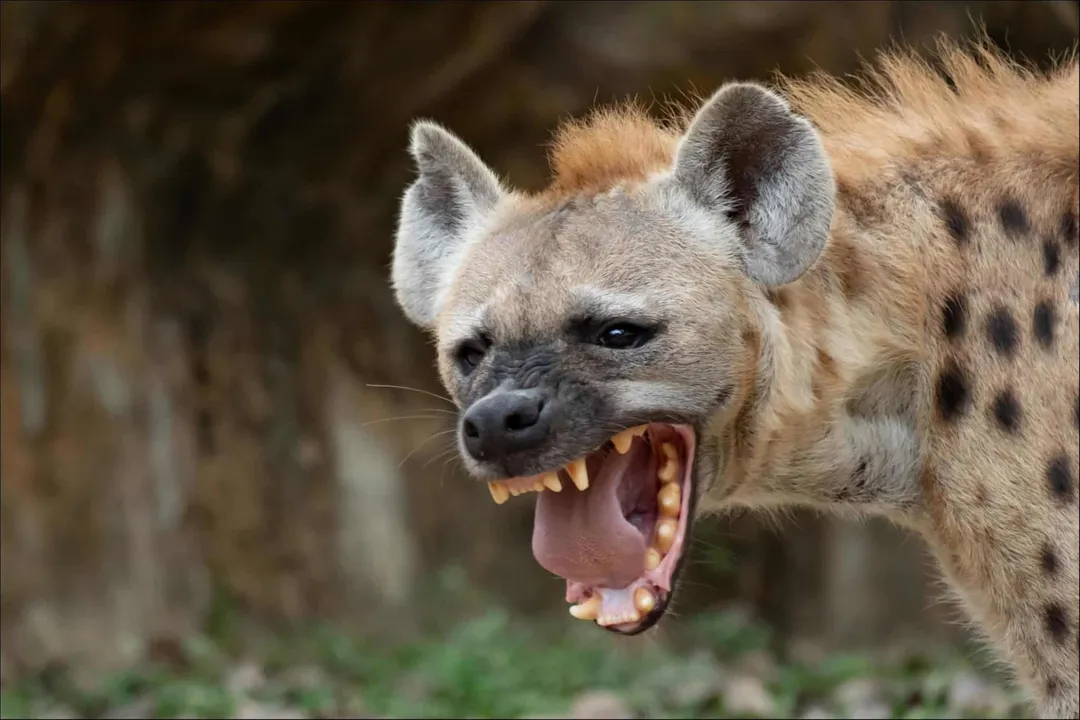
The diet of the brown hyena (Hyaena brunnea) is often misunderstood, typically overshadowed by the reputation of its spotted cousin. While many imagine these animals constantly struggling for scraps, the reality is a nuanced picture of extreme adaptability, leaning heavily on opportunistic scavenging across southern Africa's arid and semi-arid landscapes. [1][2][4] They are, fundamentally, the true clean-up crew of the savanna ecosystem. [9]
# Carrion Reliance
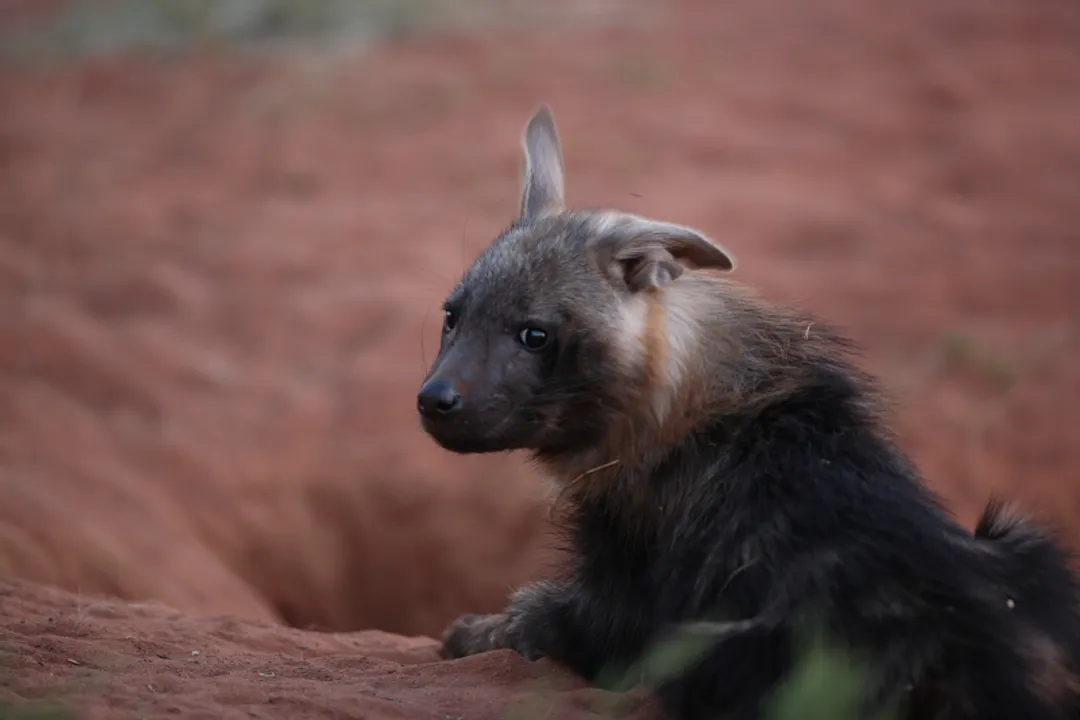
The mainstay of the brown hyena's nutrition comes from carrion, which is the flesh of animals that have died naturally or been killed by other predators. [1][4] Unlike the spotted hyena, the brown hyena is overwhelmingly a scavenger, with scavenging making up the vast majority of its food intake. [2][9] They are experts at locating the remains left behind by the region's apex predators, such as lions and leopards. [4][9]
This reliance on existing carcasses means they must be highly efficient in their search patterns. They travel considerable distances, sometimes up to 50 kilometers in a single night, to locate these valuable, though unpredictable, resources. [4][10] When a substantial kill is found, often from a lion's hard work, brown hyenas will gorge themselves to capacity, sometimes consuming up to seven kilograms of meat in one sitting. [2] This is an essential survival mechanism; since the next large carcass is not guaranteed for days, maximizing intake when the opportunity arises is crucial for survival in harsh environments. [2]
# Foraging Variety
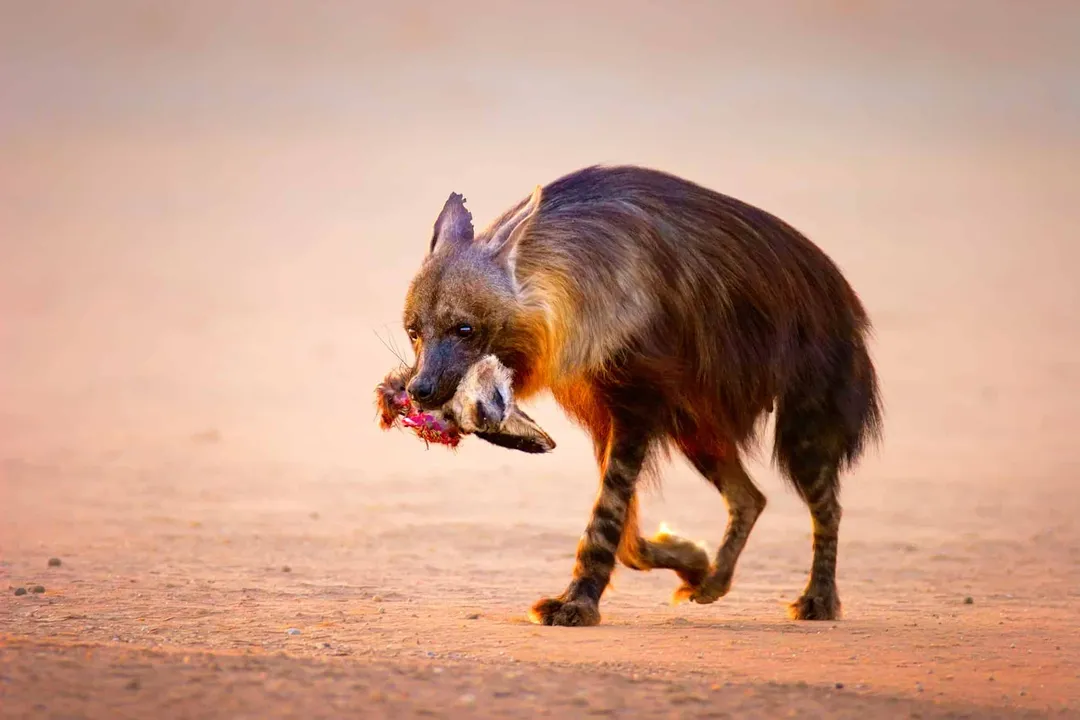
While scavenging dominates, the brown hyena is far from a one-item menu specialist. Their diet is remarkably diverse, showing high levels of opportunism. [4] They readily consume items that require less effort or are available seasonally. [5]
Key components of their varied diet include:
- Invertebrates and Eggs: Insects, insect larvae, and bird eggs form a surprisingly consistent part of their intake, particularly when larger food sources are scarce. [2][4]
- Plant Matter: They consume a significant amount of fruit, such as wild melons and berries. [2][4] This vegetable matter is important for hydration and supplementing nutrients not available in dried carcasses. [4]
- Small Vertebrates: They will prey upon small mammals like rodents, birds, reptiles, and sometimes even young antelopes if the opportunity arises, though this active predation is not their primary hunting strategy. [2][4]
For instance, in areas like the Namib Desert, where large mammal kills might be infrequent, the ability to switch focus to coastal resources or small ground-dwelling creatures becomes a defining factor in their persistence. [10]
# Local Diets
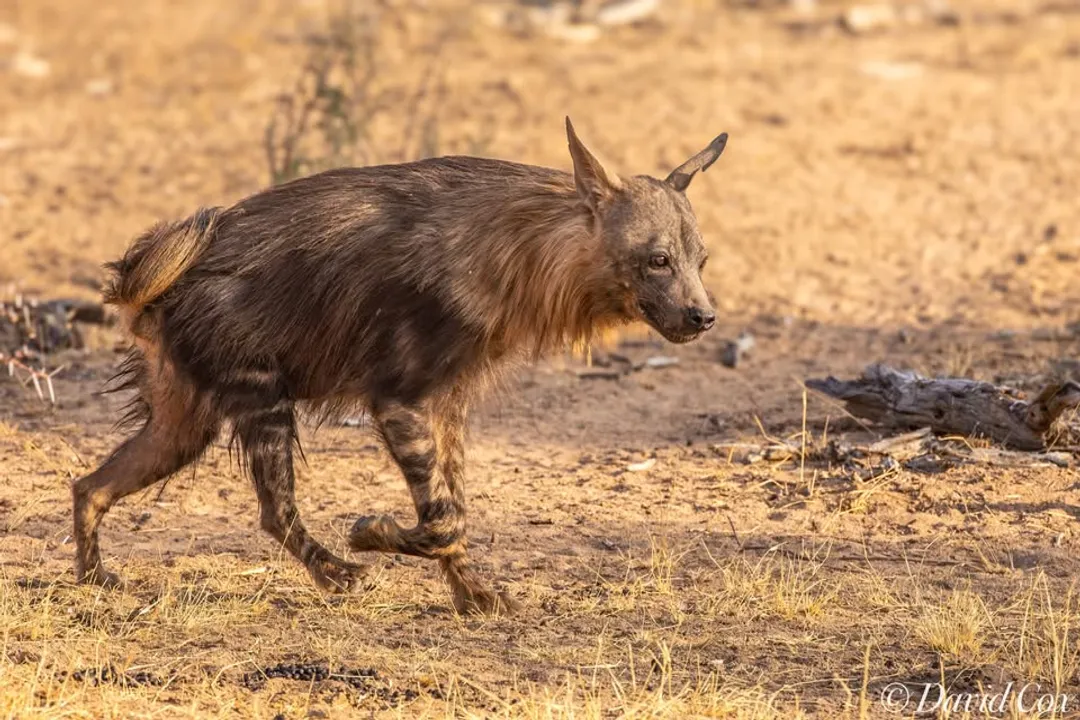
The specific composition of what a brown hyena eats varies dramatically depending on the geographical area it inhabits, showcasing its ecological flexibility. [5][9] The environment dictates the availability of both carrion and supplementary foods.
In regions characterized by dense populations of large carnivores, like the main areas within Kruger National Park or private reserves bordering them, the diet will naturally tilt much more heavily toward scavenging lion or leopard kills. [2][4] A brown hyena living in such an area is essentially relying on the hunting success of other species. [4] Conversely, in more marginal habitats, such as certain parts of the Kalahari or coastal dunes, the reliance on fruits, insects, and smaller, easily caught items increases significantly. [10]
It is interesting to note that the density of large predators directly impacts the energy strategy of the hyena. If lion density is very high, the brown hyena faces intense competition, meaning they must spend more time searching farther afield or focusing on ephemeral resources like invertebrates to avoid direct confrontation over fresh kills. [4] This creates a fascinating, almost inverse, relationship between the success of one predator and the dietary specialization of another in the same area.
# Active Hunting
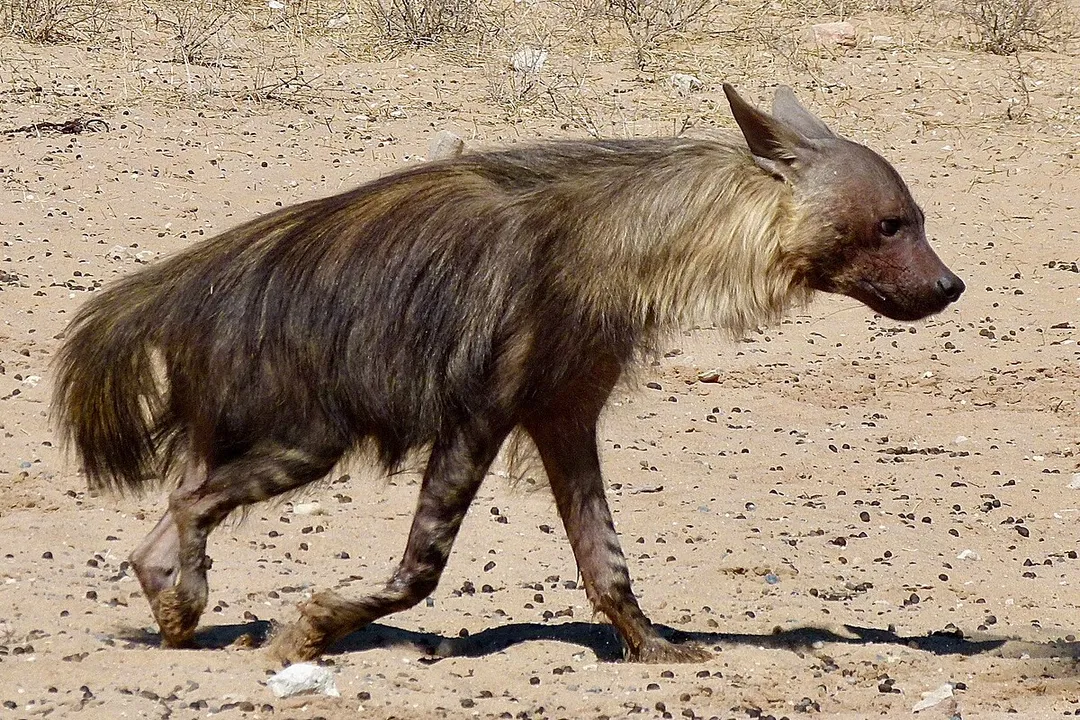
Although they are not typically considered formidable hunters in the way spotted hyenas are, brown hyenas do actively pursue prey. [4][9] Their physical build—longer legs, a more slender frame, and less developed musculature for sustained pursuit compared to their cousins—suggests that any hunting done is likely opportunistic, involving surprise, opportunistic attacks, or targeting very small, slow-moving prey. [2][9]
When they do hunt, the targets are usually easy to overcome. This might involve taking down a nest of eggs, catching small rodents in the grass, or ambushing a small calf separated from its mother. [4] The success rate for active hunting is generally low, which is precisely why scavenging remains their preferred and most reliable method of obtaining a large meal. [2]
# Feeding Strategy
The brown hyena's entire existence is built around maximizing efficiency in resource acquisition across vast, often arid, territories. [4] Their long legs and endurance are adapted for covering long distances in search of food, rather than for the high-speed chases required for sustained pursuit. [10]
This reliance on finding discarded meals dictates a conservative energy expenditure model. A major part of their life strategy involves minimizing the calories burned while maximizing the calories gained when a carcass is located. [2] Given that a major carcass can sustain a hyena for several days, the effort expended locating that meal is far outweighed by the energy conserved by not having to hunt for several successive nights. This behavior pattern fundamentally shapes their social structure and nightly movements, prioritizing reconnaissance over direct conflict. [4] They are specialists in resource recovery rather than resource generation.
# Coastal Consumption
A unique and specialized aspect of the brown hyena's diet emerges where their territory meets the sea, particularly along the Namibian coast. [10] In these harsh, nutrient-poor dune environments, the hyenas become skilled littoral foragers, relying heavily on the ocean's bounty when terrestrial food is unavailable. [10]
This includes scavenging for:
- Dead seals or seal pups washed up on the beaches.
- Dead seabirds.
- Fish that have died or been discarded by fishermen.
This ability to switch to a marine-based diet demonstrates an extreme form of dietary flexibility not commonly attributed to terrestrial carnivores. [10] It serves as a buffer against the unpredictability of inland food sources, proving that if sustenance can be found—whether from a lion's leftovers, a fruit tree, or a dead whale carcass—the brown hyena is equipped to consume it. [1][4]
Related Questions
#Citations
Brown Hyena - Facts, Diet, Habitat & Pictures on Animalia.bio
Brown Hyena - Hyaena - Kruger National Park
The brown hyena | Information on hunting here
Brown Hyena | Tswalu Kalahari Reserve
Hyaena brunnea (brown hyena) - Animal Diversity Web
Makgadikgadi clans - Botswana Travel Guide
Brown Hyenas are primarily a scavenging species and can walk up ...
What Do Hyenas Eat? A Guide to Their Diet - A-Z Animals
Brown hyena - Wikipedia
The Brown Hyena (Parahyaena brunnea) in Namibia