Why are lions afraid of brown hyenas?
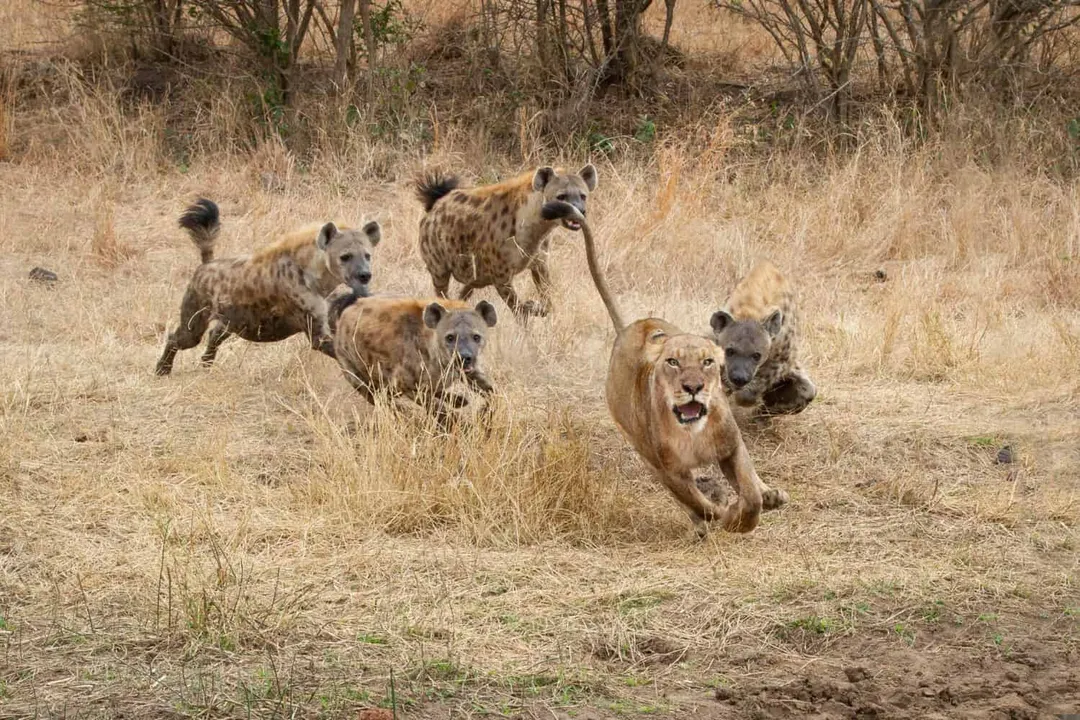
The relationship between lions and hyenas is legendary in the African bush, often depicted as an eternal, brutal contest for dominance. When observing these apex predators, it is usually the spotted hyena—known for its complex clans and opportunistic aggression—that dominates the narrative of conflict with the lion pride. However, the less commonly encountered brown hyena (Hyaena brunnea), sometimes called the strandwolf, presents a curiously different dynamic, one where the "king of the jungle" appears momentarily hesitant or even fearful.
# Predator Rivalry
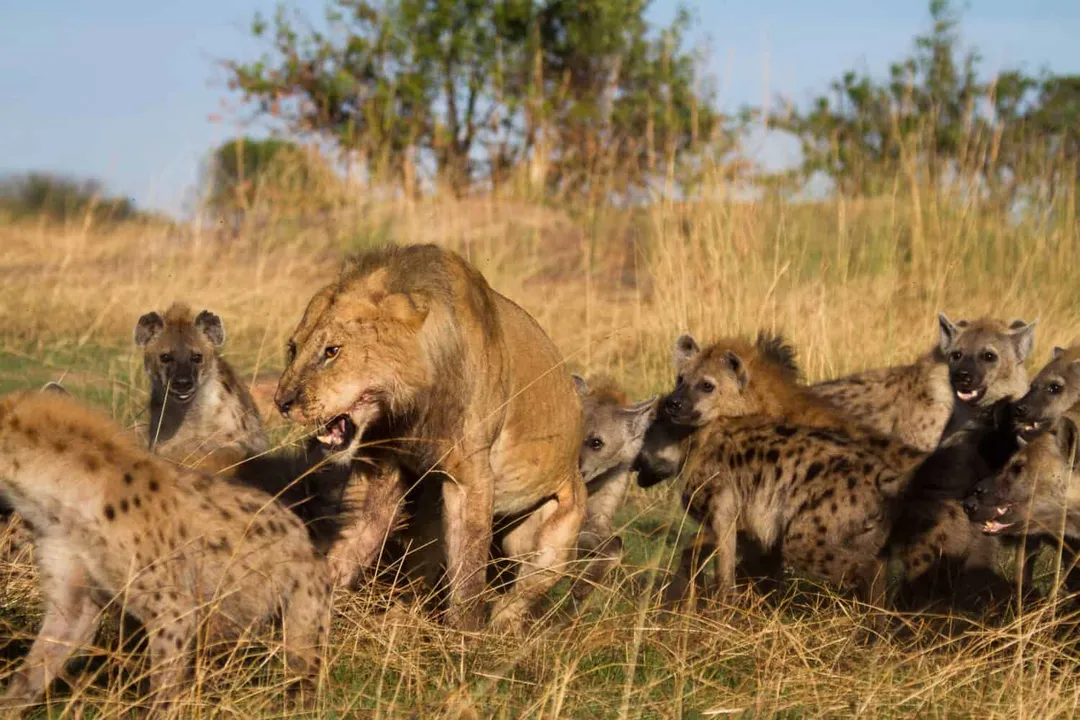
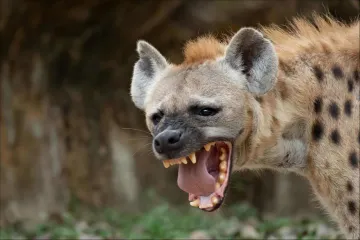
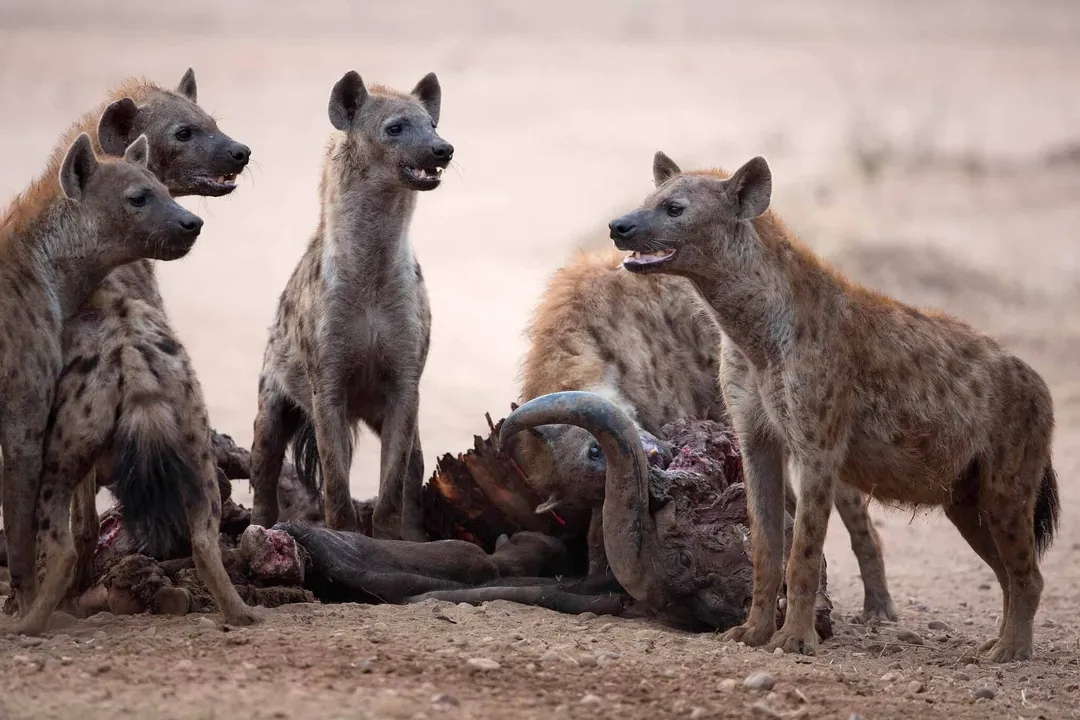
In many shared territories, lions and spotted hyenas are primary competitors because both are carnivores whose diets overlap. Lions, being substantially larger—males can reach up to 500 pounds compared to the spotted hyena's maximum of about 190 pounds—often assert physical superiority. While lions frequently kill hyenas, especially cubs or solitary individuals, they rarely consume them, likely because the meat is less nutritious or palatable than that of their typical herbivore prey. Spotted hyenas fight back using coordinated "mobbing" tactics and loud vocalizations to overwhelm or annoy their larger rivals, though this is a high-risk endeavor. The relationship is defined by direct, often lethal, competition for resources.
# Rare Scavenger Profile
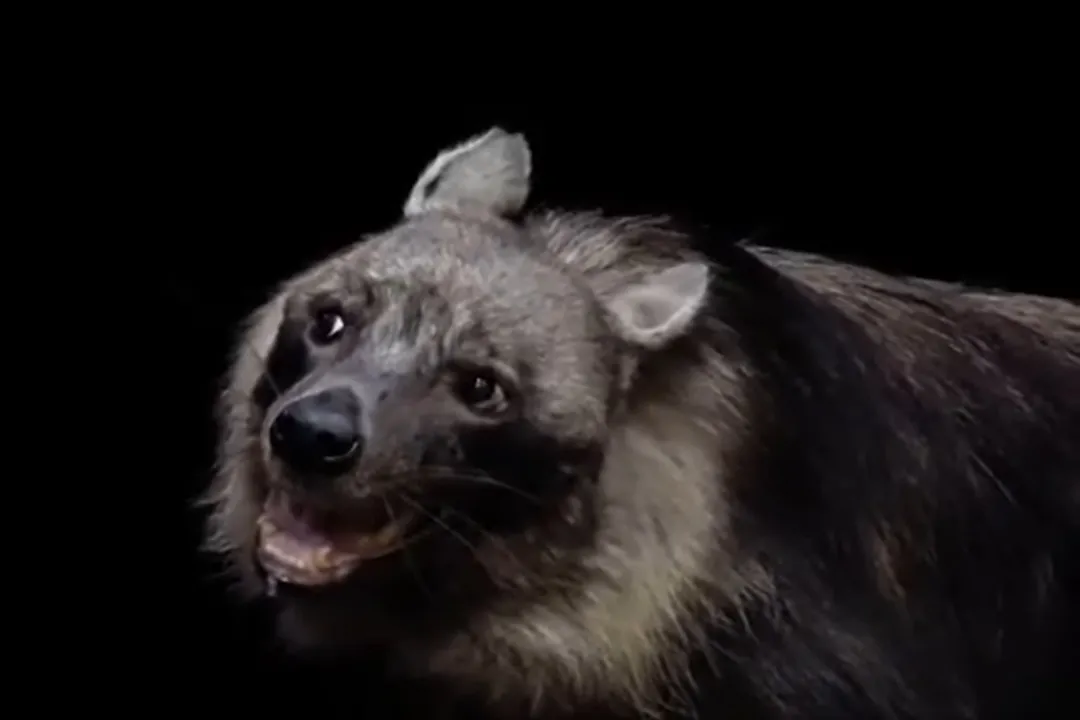
The brown hyena, by contrast, occupies a different ecological niche and seems to generate a different response from Panthera leo. This species is currently considered the rarest of the hyenas, with population estimates hovering between just 4,000 and 10,000 individuals remaining. They inhabit semi-arid regions like the Kalahari and Namib deserts. While they are scavengers, primarily consuming carrion, they also hunt small animals and supplement their diet with insects and fruit. Their physical presentation is distinct; they possess shaggy, dark brown fur and a remarkable, long mane.
# Observed Lion Hesitation
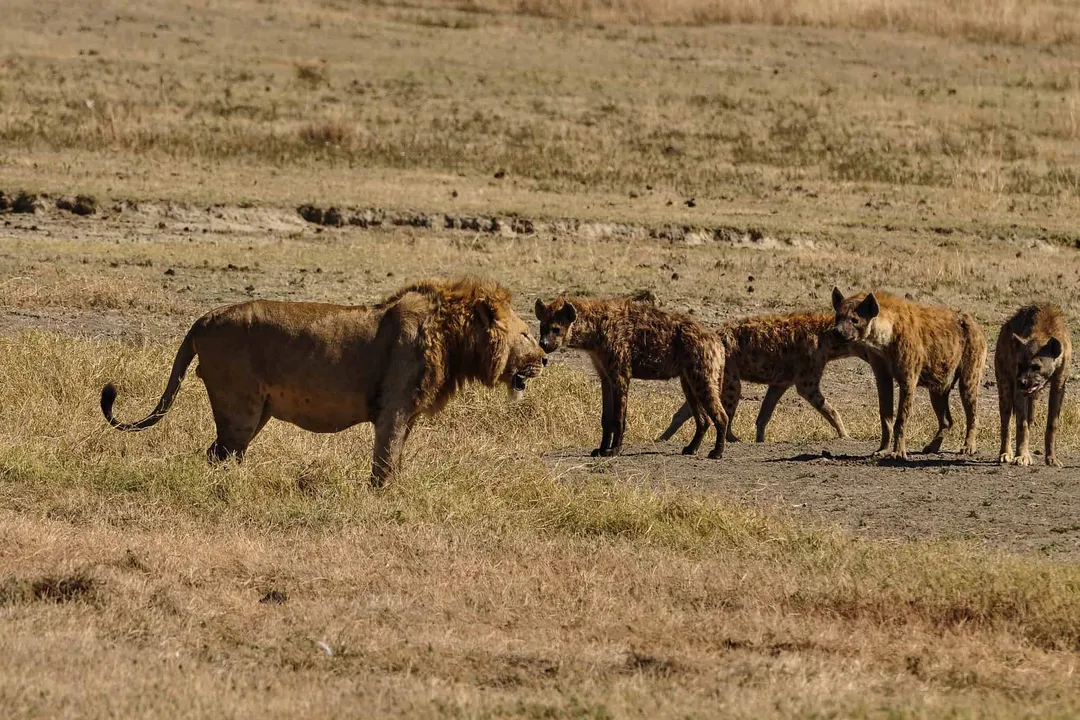
Anecdotal evidence, often captured in short social media videos, suggests that the presence of a lone brown hyena can cause a pride of lions to pause or remain non-confrontational, occasionally allowing the hyena to access water sources unmolested. In one widely shared scenario, a lion pride appeared completely unsure how to react to a single brown hyena near them, leading observers to note the lions simply "didn't know what to do". In direct opposition to the typical lion-spotted hyena clash, some reports claim that lions encountering the brown hyena will abandon prey or flee without a fight. This is a significant departure from the standard competitive aggression seen between the two species of hyena and the lion.
# Physical Deterrents
The source of this perceived fear or caution from lions seems tied to the brown hyena’s unique physical attributes and demeanor. One of the key features noted is its thick coat of hair. When threatened, the brown hyena can fluff up this fur, a display that makes it appear considerably larger than its actual body size, an intimidation tactic similar to how some young cheetahs mimic a honey badger to deter threats. Furthermore, they are described as having an aggressive and swift predatory nature when pressed. This combination of unusual visual defense and noted ferocity against other predators like leopards and even spotted hyenas suggests that a lion may assess the risk-reward ratio differently when facing a brown hyena.
It is worth considering that for a lion, injury is a potentially fatal outcome, whether from starvation following an inability to hunt or from the immediate confrontation itself. If the brown hyena’s physical appearance—its shaggy mane and dark coat—serves as an immediate, non-verbal warning sign that a fight will be costly, a lion might opt for avoidance, especially if already slightly compromised, such as having a minor injury.
# Social Structure Differences
Another layer to this dynamic lies in social behavior. While lions operate in prides and spotted hyenas in large, formidable clans led by a matriarch, brown hyenas are generally solitary foragers, though they live in clans composed of extended families for territory defense. Clan members cooperate in raising cubs and maintain hierarchy through ritualized displays. This differs markedly from the large, organized mobbing units of spotted hyenas.
This difference suggests an original analytical point: while a large clan of spotted hyenas presents a strategic threat based on numbers, a lone brown hyena presents a physical threat based on individual fortitude and unusual defenses. Lions are accustomed to dealing with competition through direct force or coordinated pride action. A solitary animal that looks unnervingly large and smells and tastes, perhaps, quite unappetizing—as one observer speculated about its taste, likening it to garbage—presents a scenario where the reward of taking it down is negligible compared to the risk of a fight that might injure a prime hunter or an inexperienced youngster.
To further elaborate on this, a second original consideration arises from the predator's psychology regarding food quality. Lions are known to prioritize nutritious, fatty herbivore meat. If the brown hyena's diet, heavily reliant on scavenging and potentially including unappealing items, translates to poor-tasting or low-nutrition meat, the calculus changes for the lion. A hungry lion might risk a fight with a competitor like a spotted hyena for a promising carcass, but why risk injury on a single, bizarrely defensive scavenger when easier, better meals are available? In essence, the brown hyena might be perceived less as a competitor for food and more as an irritating, tough obstacle whose elimination offers no caloric benefit. They are not actively hunting the lion's primary prey in the same manner as a large hyena clan, and their survival strategy seems designed to make confrontation too expensive for any casual challenger.
The precise motivation behind any specific lion's action in the wild remains complex, sometimes influenced by whether the pride is well-fed, the age and health of the individual lion, and even the time of day or environmental stress like heat. Nevertheless, the evidence points toward the brown hyena being an animal that commands a different level of respect—or perhaps, simply an overwhelming lack of desire to engage—from the undisputed king of the savanna.
#Videos
Hyenas panic as Male lion appears out of nowhere - YouTube
The Deadliest Fear of Leopards and Cheetahs! Brown hyena vs lion
Related Questions
#Citations
Lion pride doesn't know what to do with Brown Hyena so they take it ...
Inside the Fierce Rivalry Between Lions and Hyenas - A-Z Animals
Hyenas panic as Male lion appears out of nowhere - YouTube
Unveiling the Ferocious Brown Hyena: Fearless Predator of the ...