What does children's python eat?
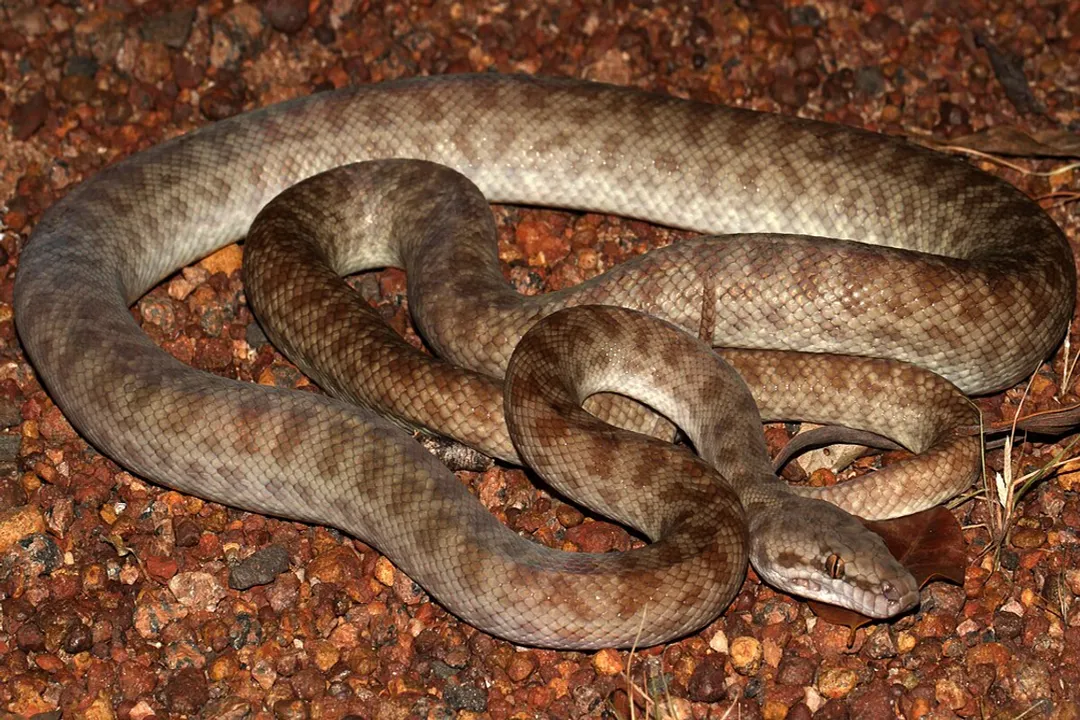
The nutritional requirements for a Children’s Python, Antaresia childreni, are centered on its nature as a strict, obligate carnivore. This means that for a captive snake to receive all the necessary vitamins, minerals, and nutrients, it must consume whole prey animals. While they are relatively easy to keep due to their hardy nature and manageable size—often reaching only 3 to 4 feet in length—their diet must be managed carefully to ensure longevity, which can span 20 to 30 years in captivity.
# Natural Consumption Patterns
In their native Australian habitats across northern and central regions, Children's Pythons display a diverse and opportunistic predatory strategy. They are primarily nocturnal or crepuscular, using the cover of darkness or early evening to hunt. Their prey base in the wild is quite varied, encompassing small mammals, birds, and reptiles. A particularly fascinating aspect of their feeding behavior involves bats; keepers have observed these pythons dangling from cave ceilings to snatch microbats right out of the air as they fly past. Lizards are noted as a particular favorite among juvenile pythons in their natural environment.
When they do capture prey, like most pythons, they rely on their powerful constricting muscles to subdue the animal by squeezing out the air, rather than using venom, as they are nonvenomous snakes. The mechanics of swallowing are quite extreme; the jaw does not "unhinge," but rather the bottom of the neck stretches enormously around the prey item.
# Captive Prey Selection
For the vast majority of captive pets, the diet is restricted primarily to commercially prepared rodents, most commonly mice. While wild snakes eat a variety of creatures, mice typically provide the complete nutritional profile a captive snake needs, including essential components like Vitamin A from the liver and calcium from the bones.
Although whole mice are the staple, introducing variety can be beneficial and may help prevent feeding strikes—instances where the snake refuses food. Beyond mice, keepers might occasionally supplement with hamsters, gerbils, chicks, quail, anoles, house geckos, or even prepared formulas like Reptilinks. However, sticking to appropriately sized, commercially prepared frozen rodents is the most straightforward path for consistent captive care.
# Prey Size and Progression
The size of the meal is directly related to the snake's age and growth stage. It is vital that the prey item is not too small, as this can lead to unnecessary feeding frequency, or too large, which stresses the digestive system and risks regurgitation.
A good rule of thumb across various care guidelines suggests the prey item should be roughly 1 to 1.5 times the thickness of the snake at its widest central point. Another metric is that the prey's girth should equal the largest part of the snake’s body. Even with this sizing, the snake should still be able to achieve a slight bulge in its belly after successfully consuming the meal, indicating a satisfying, yet manageable, portion.
The progression through different sizes of mice is quite distinct:
| Life Stage | Typical Prey Item | Notes on Size |
|---|---|---|
| Baby/Neonatal | Newborn Pinky Mice | Smallest available size; hairless babies are often started on these. |
| Juvenile | Fuzzy Mice | Slightly larger than pinkies, fed frequently to accommodate growth. |
| Sub-Adult/Adult | Adult Mice or Weaner Rats | Larger rodents become necessary to sustain an adult metabolism. |
It is important to remember that snakes are well-adapted to stretch their heads around prey that is larger than their head, so the prey does not need to be smaller than the snake’s head diameter.
# Prepping and Offering Meals
When using frozen feeders, thorough preparation is non-negotiable for both safety and appetite stimulation. The prey must be completely thawed, ensuring no frozen components remain, and then warmed up before offering, ideally to a temperature between and . Offering cold food can discourage feeding.
The debate between live and pre-killed (or frozen/thawed) prey usually favors the latter for several reasons, particularly in educational or general pet settings. Live mice can potentially fight back and inflict injury on the snake, sometimes biting sensitive areas like the eye. Furthermore, feeding live prey is sometimes considered unethical, and live rodents can carry parasites that are usually eliminated through the freezing process, provided the prey is frozen for an adequate duration.
Regardless of whether the prey is live or prepared, the presentation method is key to safety. Hand-feeding should be avoided entirely; always use long feeding tongs or forceps to offer the food item, keeping your hands away from the snake’s strike zone. This practice prevents the snake from confusing a hand or arm for prey, thereby minimizing the risk of an accidental bite on the keeper.
# Determining Meal Frequency
The frequency of feeding directly correlates with the snake’s life stage and is a primary factor in regulating its growth rate. Overfeeding can lead to obesity, which is as detrimental to a reptile as underfeeding.
Juveniles require more frequent meals to fuel their rapid growth. Care sheets suggest feeding them every 5 to 7 days, or perhaps one appropriately sized mouse every week. This can be slightly adjusted, feeding twice weekly initially, and then dropping back to once a week once the snake reaches about two to three months of age.
For mature, adult snakes, the metabolic rate slows down significantly compared to their younger counterparts. Adults can typically be sustained on a meal every 7 to 14 days. Some experienced keepers may extend this interval to every other week, or fortnightly. If the snake is maintained at proper, consistent warm temperatures year-round, it can usually be fed year-round on this less frequent schedule.
An often-overlooked aspect of feeding management is recognizing natural fasting periods. It is entirely normal for a Children’s Python to refuse food for a few weeks when they are preparing for a shed or if they have simply had enough food recently. If the snake is not losing significant weight, these fasts are generally not a cause for concern. A particularly clear sign of an impending shed is when the snake’s eyes turn a blue-grey color and its skin dulls; during this phase, they almost always refuse to eat and should not be offered food.
# Water Needs and Digestion Support
While the food provides energy and building blocks, hydration is equally critical, especially for processes like shedding and digestion. Unlike feeding, which happens weekly or fortnightly, water must be supplied fresh every single day.
The water dish should be intentionally sized: large enough that the snake can completely coil up and submerge its entire body if it chooses—this helps with shedding and general hydration—but still shallow enough that entering and exiting is simple. Cleaning and refreshing this water at least twice weekly, or ideally daily, is essential for preventing bacterial buildup.
The successful digestion of a meal is inextricably linked to temperature management, a point that requires careful husbandry attention right after a feeding session. After consuming a meal, a snake's primary instinct is to seek out a warm spot to rapidly elevate its body temperature, sometimes into the low to mid-thirties Celsius (up to is mentioned). This increase in core temperature is what kick-starts and speeds up the digestive process. This reliance on high, stable heat post-meal makes the 24-hour "no handling" rule mandatory; any disturbance or stress within that critical period can cause the snake to regurgitate, which is a traumatic and potentially life-threatening event for the reptile. If keepers fail to ensure that the basking area remains fully operational and the snake has access to these higher temperatures for at least 24 to 48 hours following ingestion, digestion can stall, often leading to regurgitation or illness. Therefore, successful feeding relies just as much on appropriate thermal gradients as it does on the quality of the prey itself.
# Handling After Feeding
To ensure the snake has the best chance to digest its meal undisturbed, keepers are strongly advised not to handle their pet for a minimum of 24 hours after feeding. If you are setting up a bioactive enclosure, where the snake is free to roam over soil and leaf litter, this time off allows the snake to settle and seek out its preferred microclimates without human interruption, supporting the natural process of thermoregulation necessary for breaking down that meal. Patience immediately following a feeding contributes directly to the snake’s overall health and well-being.
Related Questions
#Citations
Children's Python Care Sheet and bioactive habitat maintenance
Children's Python – nutrition and water
Children Python Care Sheet and Information - Amazing Amazon
Children's python - Wikipedia
Children's Python - Backyard Buddies
[PDF] Children's Python - Antaresia childreni - Care Sheet