What do Kinder goats eat?
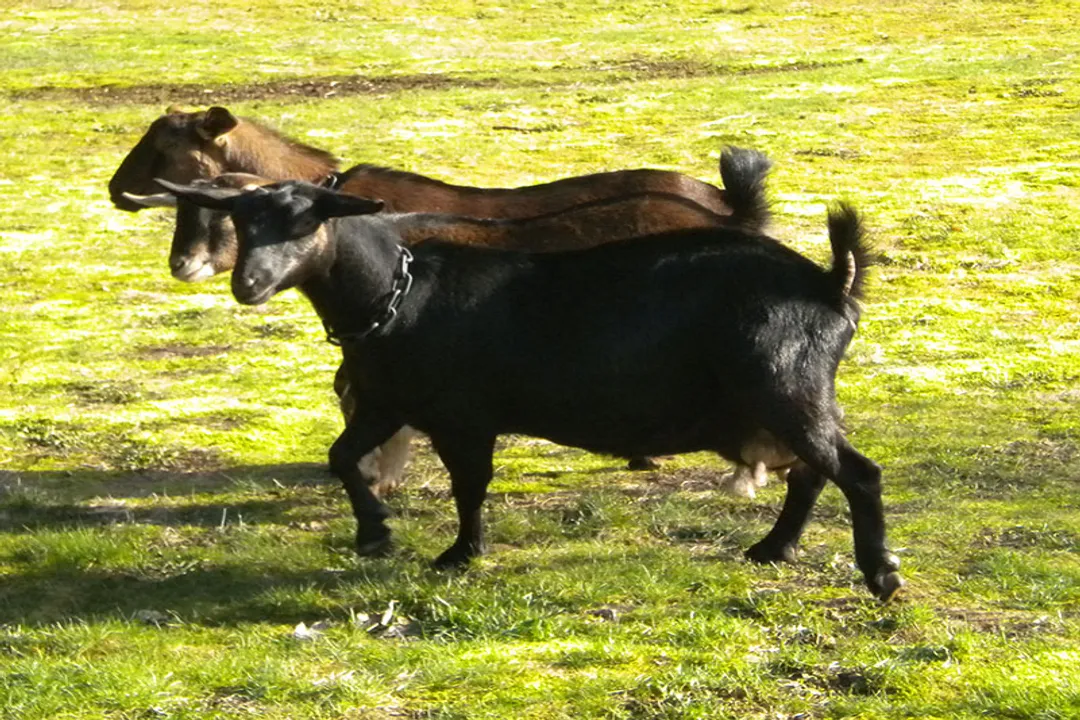
The Kinder goat, a relatively new breed developed for homestead settings, possesses a reputation for being hardy and adaptable, traits that significantly influence their dietary management. [4][6] As a dual-purpose animal, providing both meat and milk, their nutritional strategy needs to support both efficient production and their inherent vigor. [4] While specific, prescriptive meal plans for Kinders aren't universally standardized like those for highly specialized dairy breeds, their ancestry and general management context point toward a diet rooted in high-quality forage, typical of small ruminants kept on smaller acreage or homesteads. [1]
# Forage Preference
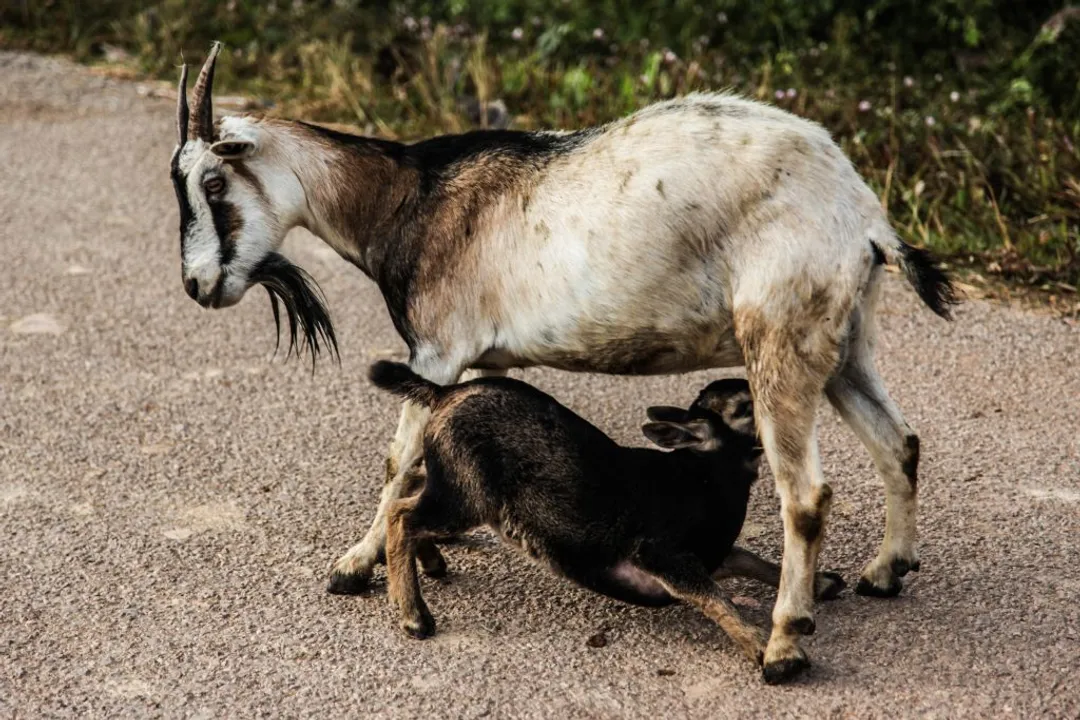
The backbone of any goat's diet, including the Kinder, should be forage, which generally encompasses pasture grass and browse. [5] Goats are naturally browsers rather than strict grazers; they prefer eating leaves, twigs, vines, and shrubs over short grass, although they will certainly consume grass when available. [4] This browsing tendency makes them excellent candidates for clearing undesirable woody growth on a farm. [1][6] In management terms, this means that access to varied vegetation—not just a manicured lawn—is ideal for their digestive and behavioral health. [4]
When pasture quality fluctuates, especially during seasonal changes, the bulk of their roughage intake must come from stored feeds. This usually means hay. For maintaining body condition in non-lactating adults, a good quality grass hay will suffice, but for pregnant or actively producing does, the hay should lean towards higher protein content, like high-quality legume hays (alfalfa or clover mixes), though these must be fed carefully to avoid excessive calcium intake or overly rich conditions, particularly in dry does. [5] A practical application here is to observe the herd's condition post-grazing season. If the goats are maintaining weight easily on pasture alone, you can confidently reduce the amount of rich alfalfa hay during the winter transition, opting instead for a mixed grass hay to maintain gut fill without promoting unnecessary fat storage. [1]
# Essential Supplements
While pasture and hay cover the bulk of their energy and fiber needs, no goat diet is complete without specific mineral supplementation. [5] Goats have a high requirement for specific trace minerals, most notably selenium and copper, which can vary drastically based on local soil composition. [2] Because soil mineral profiles are highly localized, it is nearly impossible to rely solely on what is growing in the field to meet these needs. Therefore, providing a free-choice mineral mix is standard practice. [5]
It is critical to ensure the mineral mix provided is specifically formulated for goats, not sheep, because sheep minerals often lack sufficient copper, which goats require, and can sometimes contain levels of selenium that are too high for sheep but appropriate for goats. [2] Furthermore, Kinders, like all goats, must have access to clean, fresh water at all times. [5] In cold climates, ensuring water does not freeze is a daily management task that directly impacts health and intake. [4]
# Grain Management
Grain feeding should be approached with caution, especially with hardy breeds like the Kinder. [6] Grain is energy-dense and should generally be reserved for periods of high demand or for goats that are struggling to maintain body condition on forage alone. [5] High-demand periods include:
- Late gestation (the final six weeks before kidding).
- Lactation (while they are producing milk).
- Growing kids or bucks being prepared for breeding. [4]
For the average adult Kinder goat in maintenance phase, a grain ration might be unnecessary if excellent quality hay and browse are available. When grain is introduced, it should be done slowly and in small amounts to prevent digestive upset, such as acidosis, which can occur when the rumen bacteria population shifts too quickly due to a sudden influx of simple carbohydrates. [5] A general guideline for supplemental grain might be around one half to one pound per day for a producing doe, but this is heavily dependent on her milk production and the quality of her hay. [4] For homesteaders, keeping a simple, balanced goat feed on hand specifically for supplementing the pregnant does during that critical final trimester is an excellent preventative measure against "twin lamb disease" (pregnancy toxemia). [4]
# Breed Traits and Diet Interplay
The development of the Kinder goat involved crossing the Pygmy goat (known for hardiness and small size) with the Nubian (known for high milk production). [6][9] This heritage suggests Kinders retain much of the easy-keeping nature of the Pygmy while retaining the production capacity of the Nubian. [4] This means they are generally less prone to obesity or needing excessive rich feed compared to some larger, more demanding dairy breeds. [6] Their small to medium size also means their total volume of feed required daily is less than that of a large Spanish or Boer goat, an important consideration for feed budgets on smaller properties. [9]
To illustrate this size difference in practical feed budgeting, consider a small herd of three 125-pound producing Kinder does versus three 200-pound standard dairy does. While all require roughly 2% of their body weight in dry matter daily, the Kinder herd will consume approximately 7.5 pounds of dry matter total per day, whereas the larger herd requires 12 pounds. This difference, while seemingly small per head, translates to significantly less hay inventory needed over a long winter season, favoring the Kinder for resource-conscious keepers. [1]
# Mineral Needs Comparison
The need for specific mineral supplementation highlights an area where generic livestock advice can fail. While copper is essential for both goats and sheep, goats require higher levels than sheep, making a sheep-specific mineral block dangerous for a goat herd over time. [2] Conversely, many commercial mineral mixes designed for cattle or general livestock might be deficient in copper for goats. [2] The careful selection of a goat-specific mineral mix, even if the goats are primarily browsers, remains non-negotiable for long-term health and reproductive success. [5]
# Managing Life Stages
Dietary adjustments are crucial when the Kinder moves through different life stages, which is where the dual-purpose nature really demands attention from the owner. [4]
# Kids and Growth
Young, growing kids require ample nutrition to support rapid bone and muscle development. They should have access to high-quality starter grain if necessary, alongside free-choice access to hay and minerals. [5] A key developmental milestone is weaning; making sure they transition smoothly from milk to solid food is paramount. If kids are being raised for meat or dairy replacement, ensuring they have access to good quality, clean hay early on trains their developing rumen to handle adult forage efficiently. [4]
# Lactation
Does producing milk—whether for a farm's milk supply or for nursing quadruplets—are in the highest state of nutrient demand. During peak lactation, a Kinder doe will likely require a significant daily ration of grain, even if she is on good pasture. [4] The goal here is to support milk volume and quality without causing the doe to lose excessive body condition. If a doe loses too much weight while nursing, it negatively impacts her ability to rebreed successfully afterward. [3]
# Dry Does and Maintenance
For does not currently pregnant or nursing (dry does), the diet should revert to a maintenance level, primarily high-quality grass hay and pasture access. [5] Overfeeding energy to dry does leads to obesity, which is strongly associated with kidding complications, including dystocia (difficult birth). [3] Managing body condition scoring is the best tool here; a dry doe should have an easily palpable layer of fat over her ribs but should not appear round or excessively heavy. [3]
# Pasture Management Considerations
The quality of the environment directly dictates the quantity and type of feed needed. Kinders are known for their hardiness and ability to thrive on poorer quality forage compared to some other breeds. [6] This adaptability is a major selling point for homesteaders. [1] However, even the hardiest goat cannot subsist solely on barren ground.
If a pasture is composed mainly of tough, mature, woody species, the goats will be browsing heavily, which is natural for them, but the nutritional density may be low. In these scenarios, supplementing with hay becomes an ongoing necessity, even outside of winter. [4] Conversely, if the pasture is lush, young clover and alfalfa, the risk shifts to over-supplementation, requiring a reduction in grain and careful monitoring of the hay offered to prevent obesity. [3]
A useful management tip involves strip grazing or using temporary electric fencing even on a small paddock. By limiting the amount of fresh forage available each day, you force the goats to clean up what is there efficiently before moving them to the next section. This practice maximizes forage utilization and minimizes waste, which is especially helpful when trying to stretch limited hay reserves during a short growing season. [1] This mimics the natural pressure they would experience on a larger range, promoting healthier intake patterns.
# Palatability and Toxins
While the focus is often on what they should eat, ensuring they avoid what they should not eat is equally important. [5] Goats are inquisitive eaters, but they are generally better than some other livestock at avoiding highly toxic plants, provided they have enough palatable forage available. [4] If a goat is starving or if toxic weeds are the only vegetation available, they are more likely to ingest them. [1] Regular pasture inspection is necessary to remove known hazards such as rhododendrons, azaleas, yew, and certain common garden nightshades. [4]
This need for variety also means that feedstuffs should be stored properly. Moldy hay or grain can cause severe respiratory issues or fatal mycotoxicosis. Any feed that smells musty or looks discolored should be immediately discarded and kept away from the animals. [5] This vigilance over stored feed quality is often the difference-maker in maintaining herd health through the non-grazing months. [5]
Related Questions
#Citations
Kinder goats — A small breed for milk and meat
Kinder Goats - Breeds of Livestock - Oklahoma State University
Kinder Goat Breed Profile | MannaPro
A Great Dual-Purpose Breed: Kinder Goats! - Queen Bee Homestead
What do you feed your goats? | The Goat Spot Forum
The Kinder Breed - Black Mountain Kinders
What are the pros and cons of raising Kinder goats? - Facebook
Kinder Goat Facts & Photos | Wowzerful
Kinder - Animania