What do heeler dogs eat?
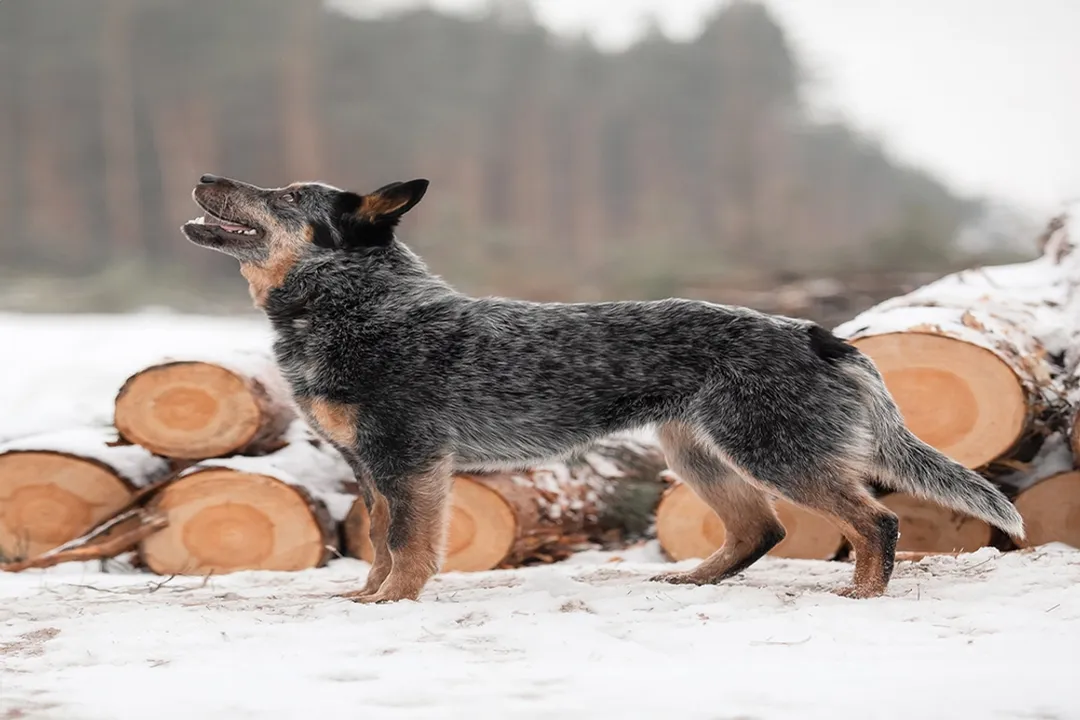
The nutritional needs of an Australian Cattle Dog, or Heeler, are intrinsically linked to their heritage as tireless, intelligent working dogs bred for driving stubborn livestock across vast distances. [6] Understanding what to put in their bowl requires looking beyond generic dog food guidelines and focusing on the high energy and physical demands this breed naturally requires. [6] Owners approach feeding in several distinct ways, ranging from high-quality commercial kibble to meticulously balanced raw diets, reflecting the diverse opinions within the community regarding optimal canine nutrition. [1][2][4]
# Breed Energy
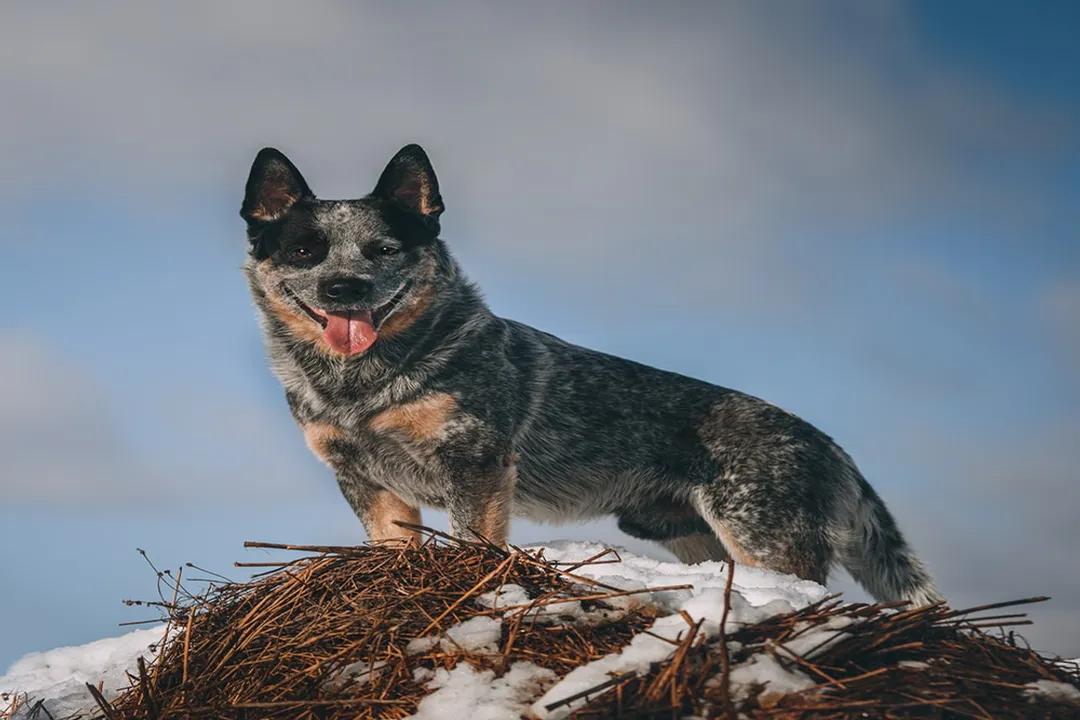
The core consideration for any Heeler diet must be energy management. These are not lap dogs; they possess incredible stamina and drive. [6] Whether they are actively herding on a farm or simply taking on the role of a very active family companion in a suburban setting, their metabolism demands a diet dense in quality fuel. [6] Diets lacking in sufficient protein or calories can quickly lead to lethargy or, conversely, compensatory destructive behaviors stemming from unfulfilled physical needs. [6]
# Commercial Options
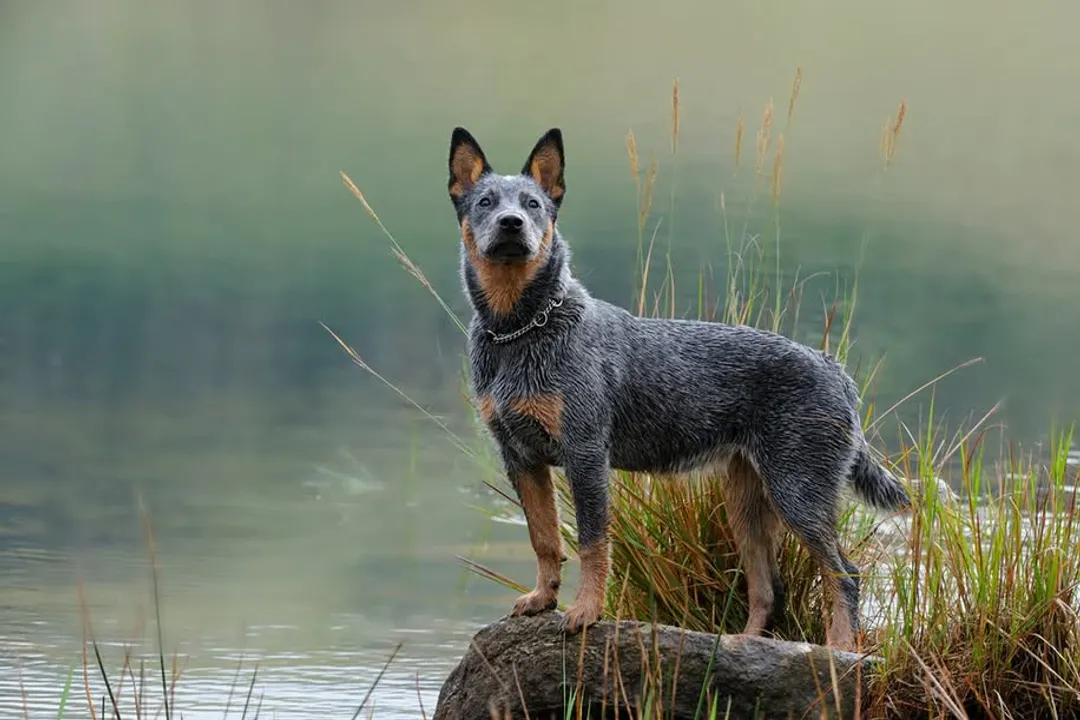
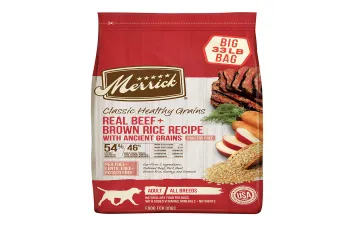
Many owners opt for convenience and consistency found in commercial dry food or kibble. [1][2] When selecting a kibble for a Heeler, the focus often shifts to ingredient sourcing and guaranteed analysis figures. For instance, many discussions among owners center on finding brands where the primary ingredient is a named meat source rather than generic meat meals or fillers. [1][2] While some owners report success feeding standard, reputable kibbles, others in forums specializing in the breed often gravitate toward "performance" or "sport" formulas which are typically formulated with higher protein and fat content better suited to an athletic build. [1][2] An important distinction to note among owners is the trade-off between the guaranteed nutritional profile of a well-researched kibble and the perceived bioavailability of nutrients in fresher preparations. [3] When reading a bag of kibble, comparing the stated protein percentage directly against the fat content can give a quick indication of whether the food is geared toward maintenance or high activity levels—a working dog generally benefits from a higher ratio favoring protein and healthy fats than a sedentary counterpart. [6]

# Raw Diet Structure
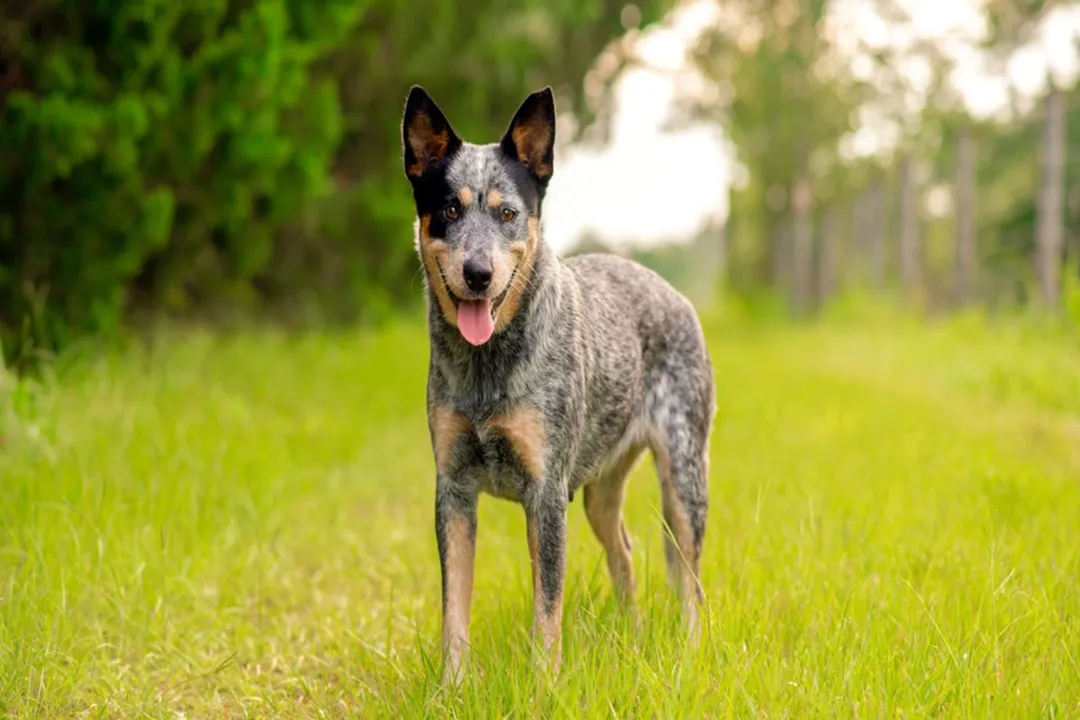
For owners seeking a more ancestral or whole-food approach, raw feeding methods are frequently discussed for Australian Cattle Dogs. [4] The philosophy here centers on mimicking the natural diet of a canid, emphasizing whole prey components. [4] A properly balanced raw diet for a Heeler needs careful composition. Guides on this feeding style typically break down the required percentages: a large portion should consist of muscle meat, complemented by appropriate amounts of edible bone for calcium and phosphorus balance, various organs for micronutrients, and a portion of raw vegetables or fruits. [4] Balancing these components correctly is key; simply feeding large amounts of muscle meat without the necessary bone or organ matter can lead to serious nutritional deficiencies over time, a danger pointed out in raw feeding resources. [4]
# Fresh Food
Bridging the gap between traditional dry kibble and a fully raw preparation is the growing trend of feeding fresh or gently cooked meals. [3] Brands offering fresh dog food often emphasize human-grade ingredients, such as real meats, vegetables, and whole grains, cooked lightly to retain nutrient integrity. [3] This approach appeals to owners who want to avoid the processing associated with extrusion cooking used for kibble but may not feel comfortable managing the precise balancing act required for a 100% raw preparation. [3] Blue Heelers, like other active breeds, thrive when they receive nutrient-dense food that supports muscle repair and sustained energy release throughout their long, active days. [6]
# Vegetable Inclusion
While the Heeler is primarily a carnivore, vegetables and greens often feature in their modern diet, either mixed into commercial food or as part of a raw/home-prepared recipe. [9] Leafy greens and various vegetables are mentioned by owners as beneficial additions, sometimes used to bulk up meals or as low-calorie, high-fiber snacks. [9] It is common advice that these additions must be properly prepared—often steamed or blended—to maximize digestibility for the dog, as dogs cannot break down tough cellulose cell walls as efficiently as herbivores. [9] For example, incorporating spinach or carrots, provided they are finely chopped or pureed, can offer beneficial vitamins and fiber without overloading the dog on excess calories. [9]
# Managing Intake
How much and how often a Heeler eats are as critical as what they eat. Feeding frequency generally decreases as the dog matures. A puppy will require several smaller meals throughout the day to manage their rapid growth and high energy expenditure. [1] For an adult Heeler, most keepers settle on feeding twice daily, once in the morning and once in the evening. [1][2] This schedule helps maintain steady energy levels and prevents the large, uncomfortable stomach distension that can occur with one massive meal, which is a concern particularly for deep-chested breeds, though Heelers are not traditionally categorized as being at the highest risk. [1]
When considering meal routines, especially for high-drive dogs like Heelers, integrating food delivery with mental engagement can be highly effective. For instance, instead of simply placing the bowl down, using puzzle feeders, snuffle mats, or even integrating a portion of their daily ration into short training sessions can satisfy their innate desire to work and problem-solve. [5] This practice turns mealtime from a passive event into a low-stakes "job," which aligns perfectly with the breed's psychological makeup, thereby reinforcing good behavior alongside nutrition delivery.
# Hydration Needs
Regardless of the food source—whether dry kibble, fresh, or raw—adequate fresh water intake is non-negotiable for an active dog like the Heeler. [6] Because high-activity dogs lose significant moisture through panting while working or playing, they require constant access to clean water to prevent dehydration, which can compromise performance and health rapidly. [6] Owners should monitor their dog’s water consumption, especially after intense exercise, as a sudden drop in intake can be an early indicator of illness or overheating. [6]
# Puppy Growth Stages
Feeding a Heeler puppy requires a slightly different focus than feeding an adult. The priority during the first year is supporting controlled, steady bone and muscle development, avoiding the rapid weight gain that can strain developing joints. [6] While they need quality protein, the calcium to phosphorus ratio is crucial, and often commercial puppy foods are designed to manage this balance correctly. [6] Owners transitioning from puppy food to adult maintenance formulas should do so gradually over several days to prevent digestive upset, a common sensitivity among many canines. [2]
In summary, feeding a Heeler involves selecting a high-quality, nutrient-dense food—be it a carefully chosen kibble, a balanced raw preparation, or a fresh diet—that supports their very high energy requirements. [6] The consensus among dedicated owners leans toward high-protein content and minimizing low-value fillers, recognizing that this breed thrives when their diet matches their intensity. [1][2][4]
#Videos
Australian Cattle Dog FOOD + TREATS - YouTube
Related Questions
#Citations
What do you feed your heeler? : r/AustralianCattleDog - Reddit
What dog food does everyone use for their heelers - Facebook
Best Dog Food for Blue Heelers: Feeding Tips for Optimal Nutrition
What's the Best Dog Food for an Australian Cattle? - ProDog Raw
What do Blue Heelers eat? Breed-specific nutrition tips | Lyka Blog
Nutrition Tips for Blue Heelers: Keeping Them Fit and Happy
What should you feed a Blue Heeler/Border Collie mix? - Quora
Australian Cattle Dog FOOD + TREATS - YouTube
Leafy Greens and vegetables for an Australian Cattle Dog