What do Harriers eat?
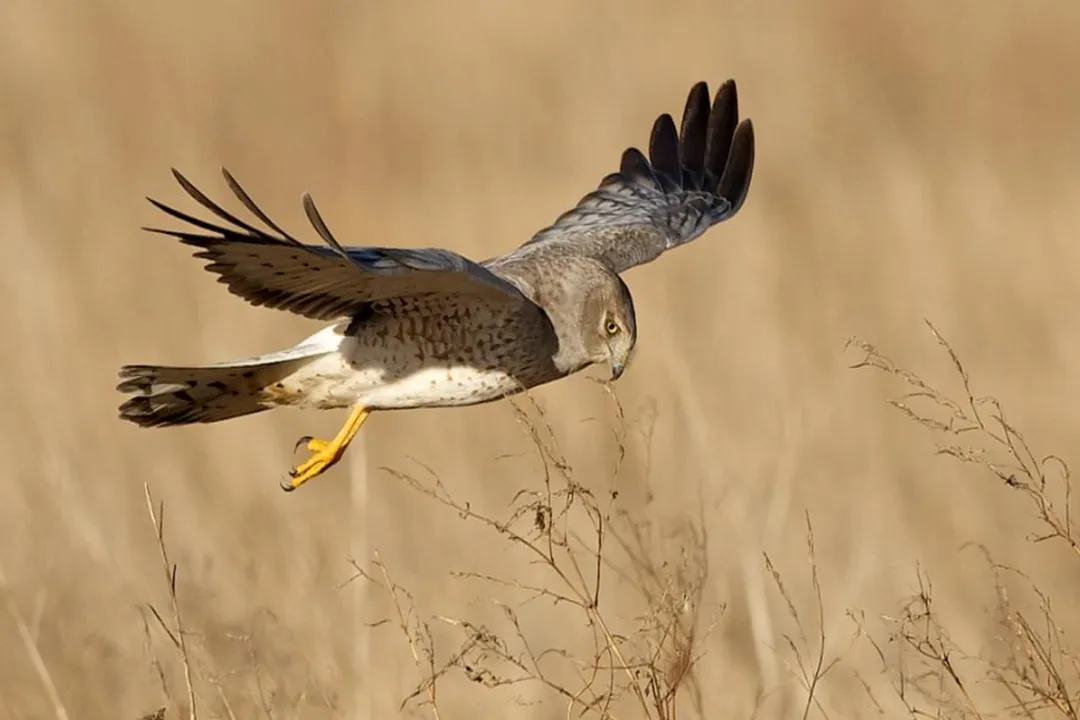
The way a Harrier hunts offers the first major clue to its preferred menu. Unlike many raptors that wait on a perch or soar high above, the Northern Harrier (often simply called the Harrier) patrols grasslands, marshes, and open fields in a distinctive, low, weaving flight pattern. [1][2] This approach, often described as "quartering," means their diet is overwhelmingly composed of whatever small creatures they can surprise skimming just feet above the ground. [4][9]
# Small Mammals
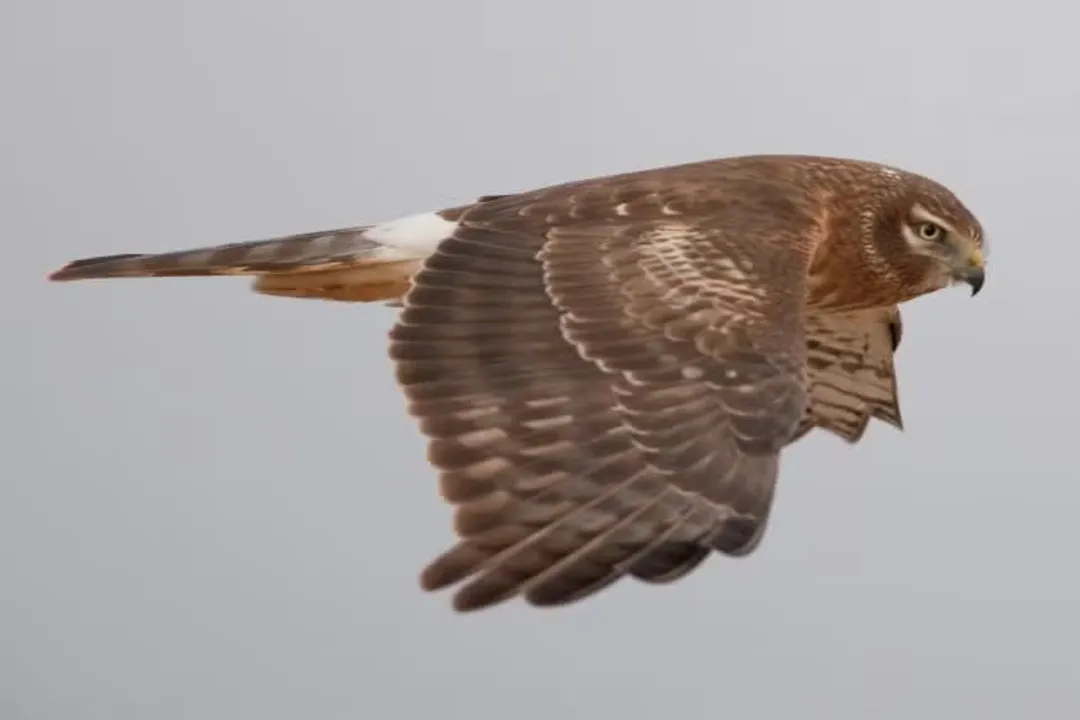
The absolute foundation of the Northern Harrier’s diet, particularly during the non-breeding season or in certain habitats, consists of small rodents. [5] Voles and mice are primary targets, often making up the bulk of their successful captures. [9] The bird’s hunting technique seems almost perfectly tailored for flushing these ground-dwelling mammals out of dense cover. [5] They rely heavily on both keen eyesight and excellent hearing to pinpoint prey moving beneath vegetation. [1][5] This reliance on auditory cues, similar to owls, is aided by the dense, owl-like facial ruff of feathers that helps funnel sound toward their ears. [1][3]
When observing a Harrier making a swift dive, it is usually because they have detected the subtle rustle of a vole or mouse in the grass or marsh vegetation. [5] In areas where these small mammals are abundant, the Harrier’s hunting success rate will naturally be higher, making them a crucial predator in rodent population control within their open habitats. [5]
# Avian Prey
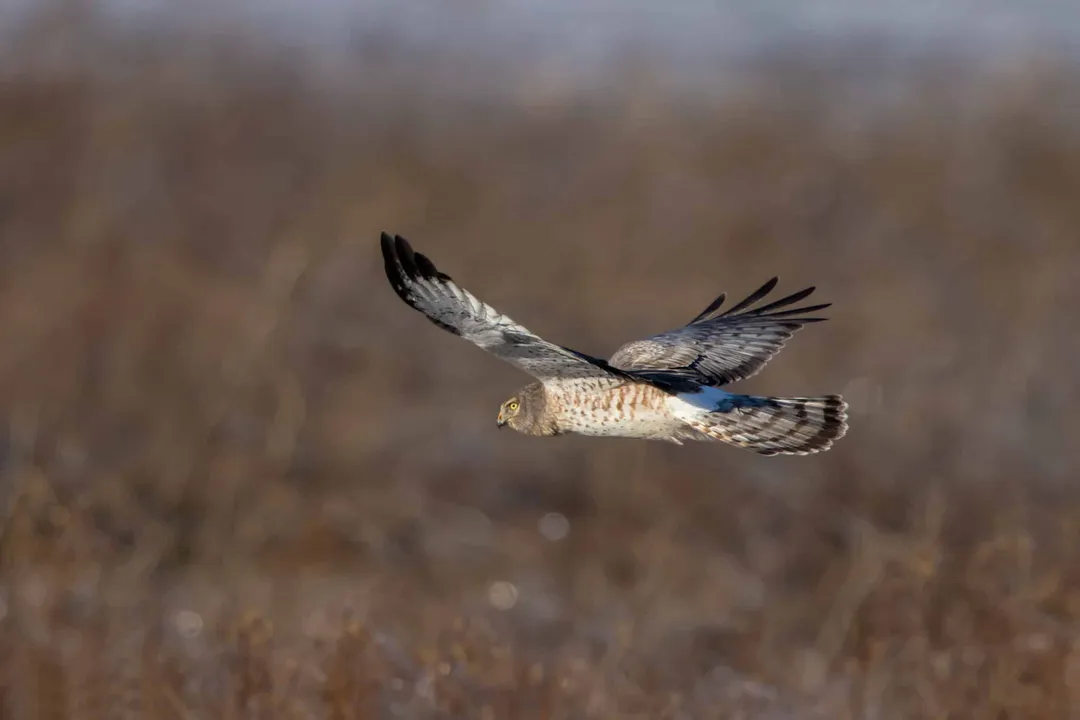
While mammals form the staple, Harriers are opportunistic enough to frequently take birds, especially when the opportunity arises. [2] This consumption varies significantly based on the season and the local bird population structure. [1] During the breeding season, when taking care of young, they often target smaller birds that inhabit the same marshy or grassy environments. [5] This includes nestlings and fledglings of various species. [1][5] They are known to pursue and capture small marsh birds and waterfowl chicks as well. [2][5]
It is important to note that Harriers generally pursue birds that are on the ground or flushed from low cover, rather than engaging in sustained aerial chases against fast-flying adults, though they will seize slower or less agile prey when they can. [1] If a Harrier spots a bird feeding or nesting in the dense marsh grass, the low, surprise attack is often successful. [5]
# Other Foods
The Harrier’s opportunistic nature means their menu extends past fur and feathers when the preferred items are scarce or when a quick meal presents itself. [2] They readily consume larger insects, such as grasshoppers and dragonflies, especially when found near the water's edge or in heavily vegetated fields. [1][5] Furthermore, their diet includes reptiles and amphibians. [2] This often translates to capturing small snakes, lizards, and frogs found in damp meadows or the edges of wetlands. [5]
In addition to fresh kills, like many raptors, Harriers will sometimes take carrion (dead animals), although this is generally a less frequent component of their diet compared to active hunting. [2]
# Hunting Style Comparison
The Northern Harrier is one of the most easily recognizable raptors in North America due to its unique hunting modus operandi. [1] While many hawks soar or perch, the Harrier’s sustained, low flight allows it to cover vast amounts of territory in search of ground-based prey. [4] This contrasts sharply with a typical Buteo, like a Red-tailed Hawk, which often relies on height to spot prey over a large area before stooping. [5] The Harrier is more akin to a Kestrel or Merlin in its dedication to covering ground quickly, but focuses almost exclusively on prey living in or on the ground cover. [2]
This hunting method requires an incredible tolerance for low-altitude maneuvering through tangled vegetation, something heavier-bodied hawks cannot manage as effectively. [4] It suggests an evolutionary specialization toward prey that hides below the sightline, reinforcing the importance of voles and mice in their feeding ecology. [9]
# Habitat Influence on Diet
The physical characteristics of the hunting ground profoundly influence what a Harrier eats on a given day. In a dense cattail marsh, the primary food source shifts toward amphibious life, nesting marsh wrens, or small rails flushed from the water's edge. [5] Conversely, if that same Harrier is hunting over a dry, abandoned agricultural field, its focus will almost certainly narrow back to pocket gophers and field mice. [9]
Consider the difference between hunting in a coastal salt marsh versus an inland prairie grassland. In the salt marsh, aquatic insects and small wading birds' young might feature more prominently, especially if the mammalian prey base is sparse or too deep under water to effectively flush. [5] In the prairie, where the grass height might be uniform and low, the reliable rodent population will dominate the kill count. A local population of Harriers surviving an unusually wet spring, for instance, might show a temporary, measurable increase in salamander consumption simply because the sheer abundance of amphibians moving to temporary pools outweighs the difficulty of catching a fast-moving bird. [2] This flexibility, enabled by their unique sensory adaptations, is key to their survival across diverse open landscapes. [1][5]
# Seasonal Food Shifts
The diet of the Northern Harrier is not static; it responds keenly to seasonal availability, which is a common trait among successful generalist predators. [5] During migration and wintering periods, when many passerines (songbirds) have flown south, the pressure on resident or overwintering small mammals like voles intensifies for the Harrier. [9] For a Harrier wintering in the southern US, for example, reliable access to open agricultural land where rodents are actively foraging becomes the single most important factor for its immediate survival. The birds that remain, such as sparrows or meadowlarks, become secondary targets. [1]
In the northern breeding grounds during summer, while rodents are still present, the abundance of newly hatched bird populations—especially those that are poor fliers or nest on the ground—provides a high-calorie, easily accessible food source to fuel nesting efforts. [5] A successful breeding pair needs consistent, high-energy meals, and newly hatched chicks often fit this description better than a mature, wary vole. Thus, when you see a Harrier carrying something feathery back to a nest in June, it reflects a seasonal peak in avian prey consumption that is less likely to be seen in December. [1] This continuous adaptation—shifting emphasis from abundant, high-quality mammals in winter to abundant, easy-to-catch young birds in summer—allows them to thrive where specialized feeders might fail. [2]
Related Questions
#Citations
Northern Harrier Overview, All About Birds, Cornell Lab of Ornithology
Northern Harrier | Hawk Mountain Sanctuary: Learn Visit Join
Northern harrier - Wikipedia
Northern Harrier | Audubon Field Guide
Northern Harrier | The Peregrine Fund
Northern Harrier (Circus cyaneus) - Texas Parks and Wildlife
Northern harrier - Conserve Wildlife Foundation of NJ
Northern Harrier - Hawk Ridge Bird Observatory
Northern Harrier - Missouri Department of Conservation
Northern Harrier - NH Audubon