What do African palm civets eat?
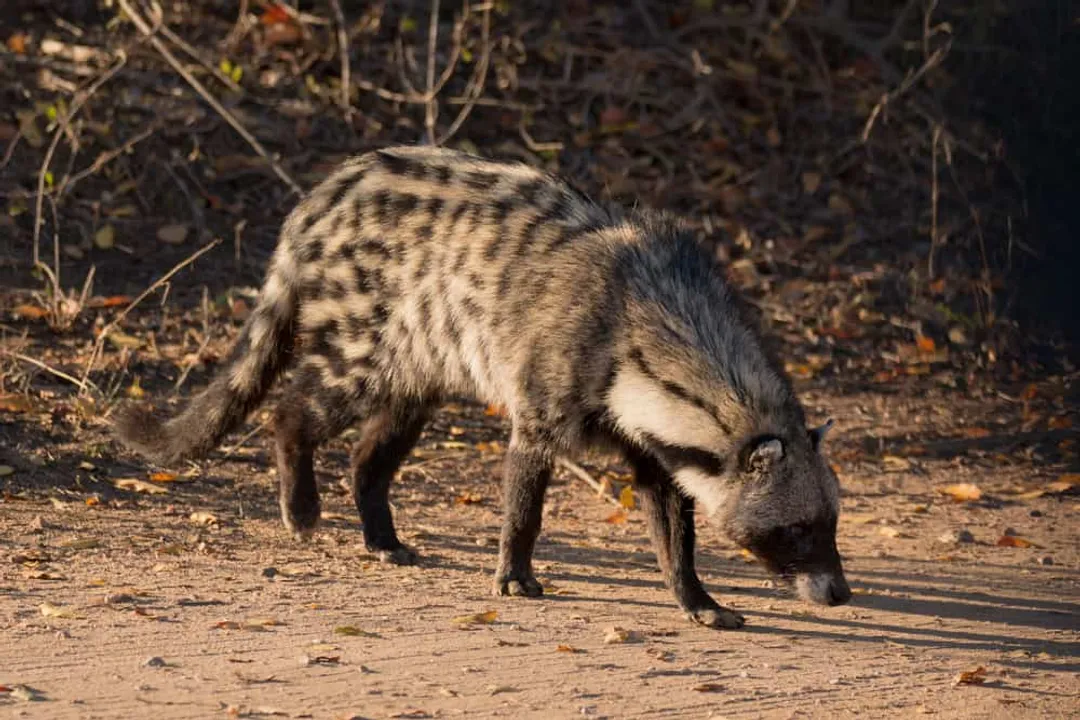
The African palm civet, scientifically known as Nandinia binotata, maintains a highly varied menu, typical of many small forest carnivorans. As generalist eaters, their dietary strategy revolves around opportunism, allowing them to thrive across the diverse habitats of West and Central Africa where they reside. [5] Their classification as omnivores immediately signals that they do not rely on a single food source, but rather integrate both plant material and animal matter into their daily intake. [1][4][5]
# Omnivore Status
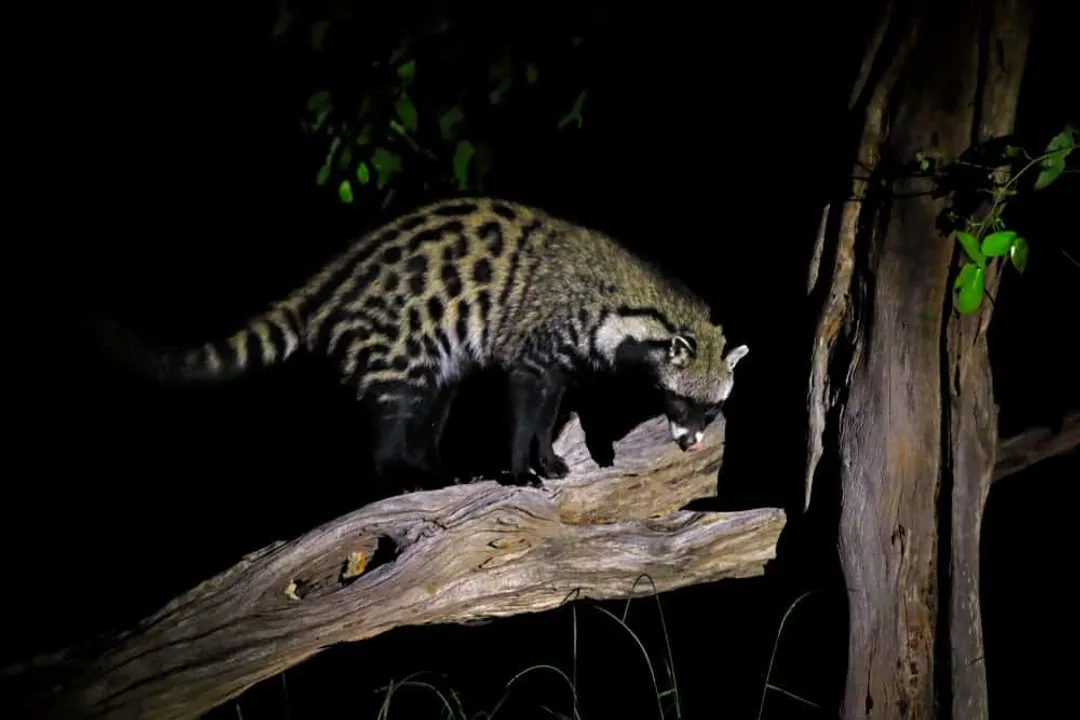
The foundation of the African palm civet's diet is its omnivorous nature, meaning it consumes food from both the animal and plant kingdoms. [1][5] While they are related to carnivorous mammals, their dependency on vegetation is significant. [4] This mixed feeding habit provides nutritional resilience; if one food category becomes temporarily scarce due to weather or season, they can shift their focus to the other available source. [1] This flexibility is a major contributor to their adaptability across different forest environments. [5]
# Fruit Consumption
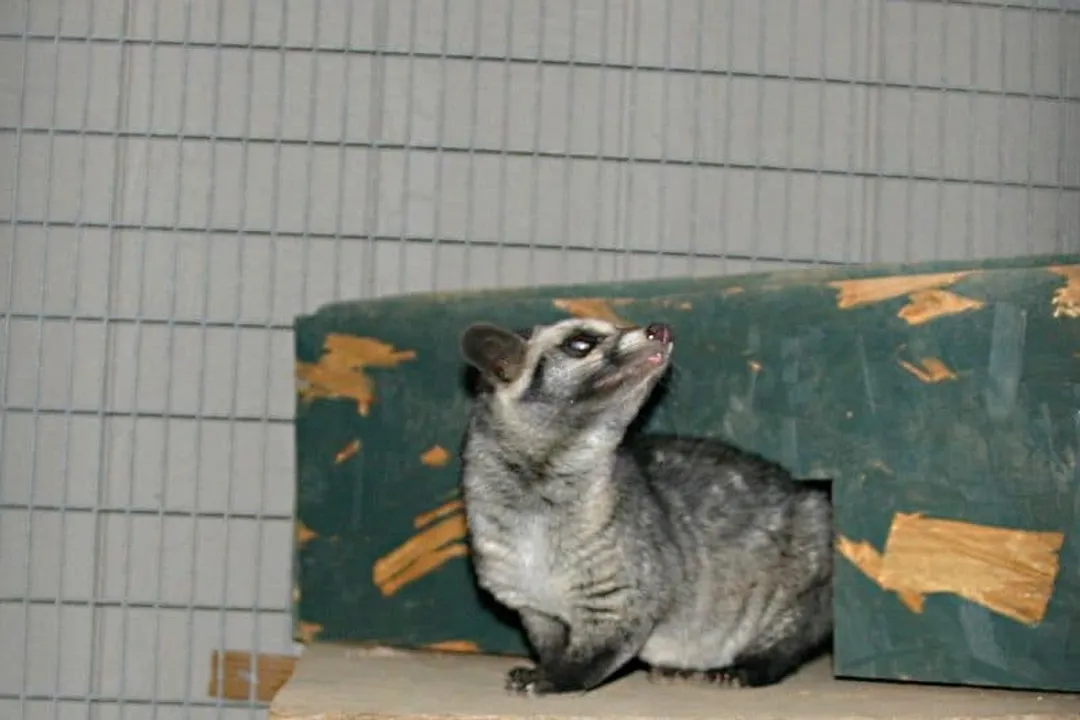
Fruits form a major, sometimes dominant, part of what the African palm civet consumes. [1][5][6] These animals are known to feast on a wide array of forest fruits found throughout their range. [4] A particularly notable element of their plant-based diet is the fruit from the oil palm, which is so central to their feeding ecology that it lent the animal its common name, the African palm civet. [9] When fruit is abundant and ripe, it provides readily accessible carbohydrates and sugars necessary for their energetic, nocturnal lifestyle. [1][5] The consumption of fruit is not merely incidental; it is a primary driver of their foraging activities. [1]

# Small Prey
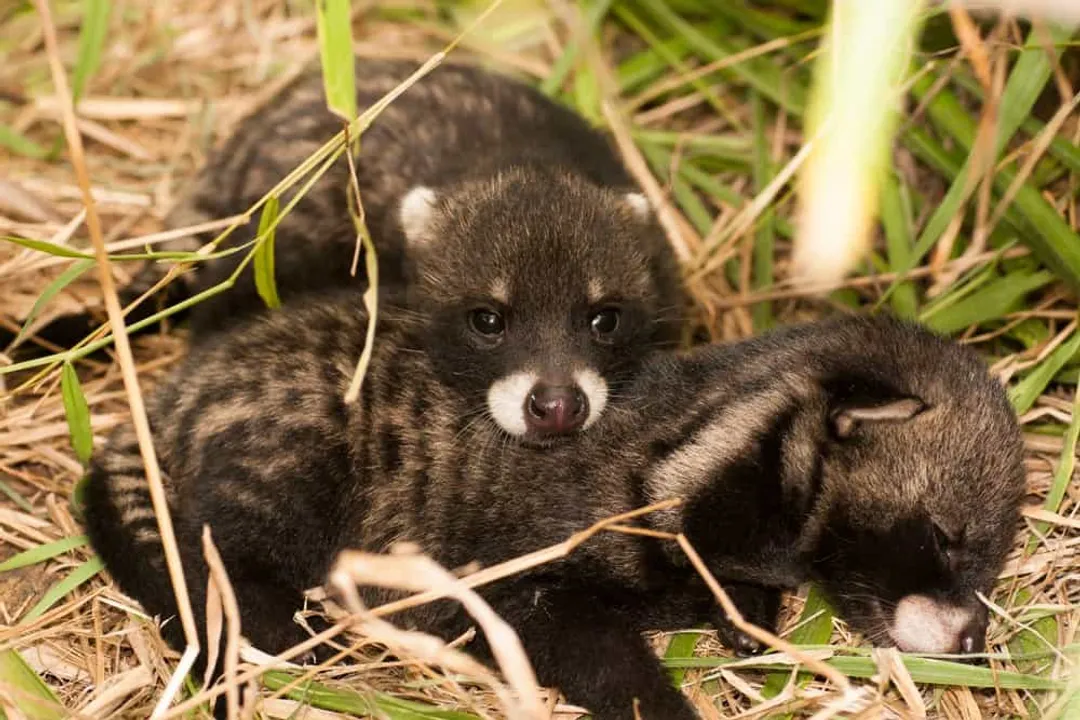
To balance the sugars and fiber from fruits, the African palm civet actively hunts and consumes various forms of animal protein. [1][4] Their mobile, solitary, and nocturnal existence makes them effective hunters of smaller, slower-moving creatures. [5] This secondary dietary component includes a variety of invertebrates and smaller vertebrates. [1][6] Specifically, researchers have documented them feeding on insects, which are easily accessible, as well as larger prey items such as rodents and lizards. [4] Furthermore, eggs have also been recorded as part of their diet, representing another source of concentrated nutrition they seek out during their nightly patrols. [4]
# Foraging Behavior

Understanding what they eat is intertwined with how they acquire it. As nocturnal animals, the African palm civet is most active after sunset, dedicating the night hours to locating sustenance. [1][5] Their foraging strategy is distinctly two-tiered, taking advantage of resources both on the ground and up in the canopy. [1][4] They will descend from trees to search the forest floor for fallen fruits, insects, or small mammals moving through the undergrowth. [4] Conversely, they climb to access fresh fruit still attached to branches or to target nests or roosts for eggs or sleeping birds. [1] This vertical movement across the habitat ensures they maximize their opportunities for a varied intake throughout the night. [1]
The success of an African palm civet in a specific area often correlates directly with the accessibility of these varied food sources. A high density of mature fruit-bearing trees, coupled with a healthy population of ground-dwelling invertebrates, establishes an ideal local environment for this species to maintain its health and reproductive success. In contrast, areas dominated by single-crop agriculture or heavily disturbed forest where understory life is suppressed might offer plentiful fruit at certain times but lack the consistent supply of protein necessary for a balanced diet throughout the year.
# Dietary Component Summary
To better illustrate the mixed feeding strategy, one can categorize the primary items found in the African palm civet's diet:
| Food Category | Specific Examples | Source of Nutrition |
|---|---|---|
| Plant Matter | Oil palm fruit, general forest fruits | Carbohydrates, fiber, vitamins |
| Invertebrates | Insects | Protein, fats |
| Vertebrates | Rodents, lizards, birds | High-quality protein, fats |
| Other | Eggs | Protein, fats |
It is worth noting that while civets, in general, are mentioned in discussions surrounding specialized diets like coffee processing, [7] the African palm civet's primary documented interest remains in the readily available sustenance within its natural forest ecosystem, particularly oil palm fruit. [9]
A key element influencing their food selection is seasonality. As much of their diet relies on fruits that ripen cyclically, the ratio of plant matter to animal matter in their stomach contents must shift throughout the year. When the forest is laden with ripe fruit, the energetic cost of hunting small vertebrates is avoided, leaning heavily toward the easier-to-digest plant material. [1] However, during dry spells or when specific fruit species are not producing, there is an inevitable increase in the proportion of insects and small mammals consumed. This necessary shift highlights that the African palm civet is less of a dedicated frugivore and more of a conditional feeder, prioritizing energy efficiency when possible but always maintaining the capacity to switch to high-protein sources when conditions demand it. [4] This built-in dietary plasticity is a survival trait that allows them to persist where more specialized animals might struggle when their primary food source fails temporarily.
Related Questions
#Citations
African Palm Civet - Facts, Diet, Habitat & Pictures on Animalia.bio
Viverridae - The Civet Project
RAINFOREST PYRAMID® UPDATE: African Palm Civet
African Palm Civet - Nandinia binotata - A-Z Animals
African palm civet - Wikipedia
African palm civet facts, distribution & population - BioDB
Meet the Civet, the Mammal Behind the Coffee - Cool Green Science
African Palm Civet Facts & Worksheets - Kids Konnect
African Palm Civet Nandinia binotata - Palm Oil Detectives