What did xenoceratops eat?
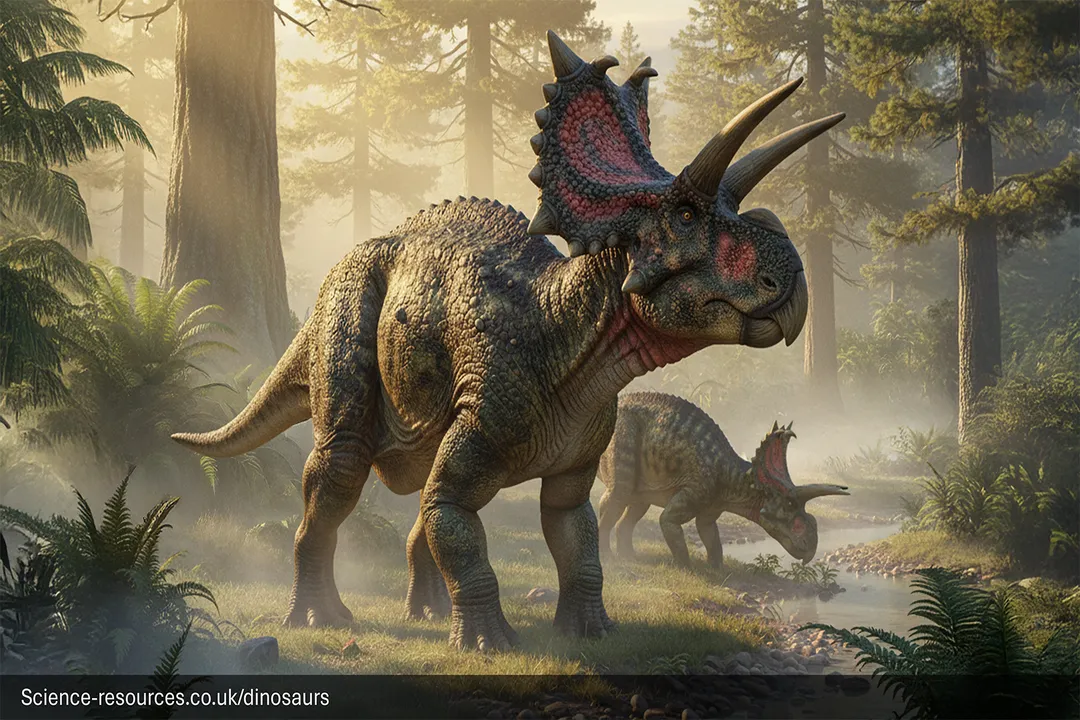
The Xenoceratops was a distinctive member of the ceratopsid dinosaur family, a group famous for sporting elaborate head ornamentation, yet like all its horned cousins, its primary concern was securing enough plant matter to fuel its large body. [3][4] While the fossil record rarely preserves the direct menu of a Late Cretaceous herbivore, the structure of the Xenoceratops skull and teeth provides compelling evidence about its feeding habits. This dinosaur, whose name translates meaningfully to "strange-horned face," subsisted entirely on vegetation, classifying it firmly as a herbivore. [4][6] Understanding its diet means looking closely at its specialized anatomy, particularly the powerful beak and the rows of teeth that characterized these late-surviving dinosaurs. [7]
# Cranial Tools
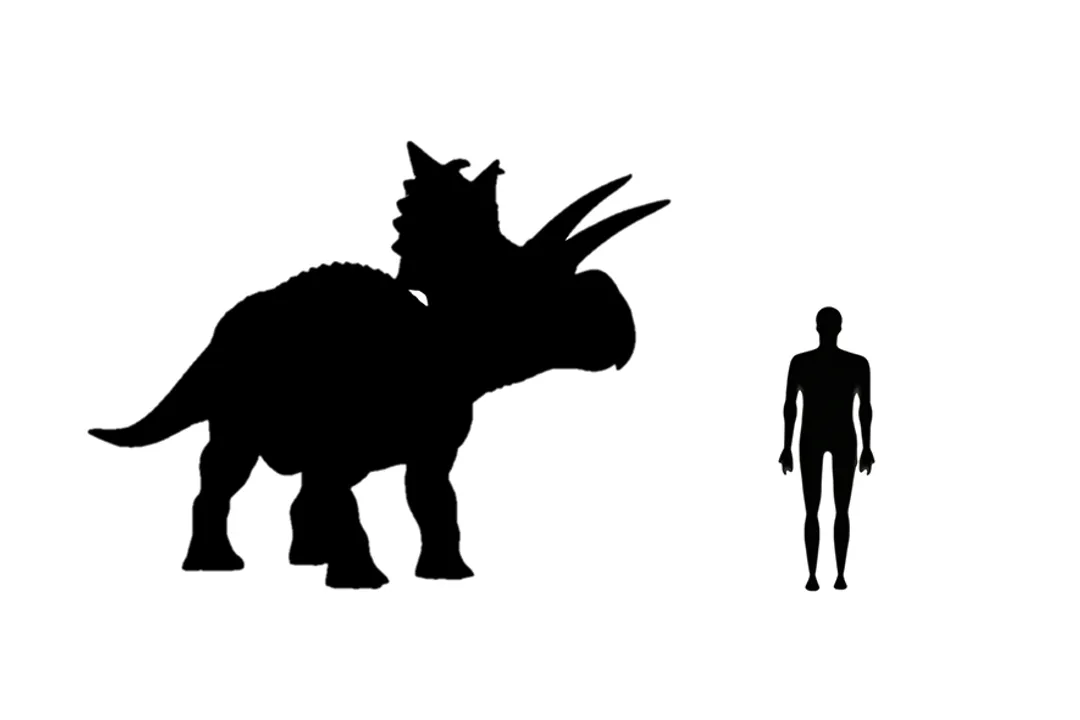
The massive skull of Xenoceratops was its primary feeding apparatus, designed for efficiently cropping tough vegetation prevalent during the Late Cretaceous period in what is now Alberta, Canada. [3][5][7] Like modern rhinos or parrots, Xenoceratops possessed a keratinous, parrot-like beak at the front of its jaws. [4] This beak, formed by the premaxilla and predentary bones, would have acted as a heavy-duty clipper, capable of severing thick stems, branches, or tough leaves close to the ground or at low levels. [4] The beak was crucial because it predated the main chewing apparatus, serving to process the bulk material before it entered the oral cavity for fine grinding.
Behind this cutting edge lay the dental battery, the hallmark feature of the ceratopsians. Instead of individual teeth set far apart, Xenoceratops had stacks of dozens of teeth fused together in columns, with new teeth continuously erupting from beneath to replace worn-out ones. [4] This system meant that when the dinosaur bit down, it wasn't just one tooth cutting; it was a continuous shearing surface across the cheek. The wear patterns on these teeth offer paleontologists clues about the texture and abrasive nature of the food being consumed. A high number of functional teeth in a battery suggests the animal needed sustained grinding power, indicating a diet that was likely fibrous and perhaps low in readily digestible nutrients, necessitating the consumption of large quantities. [4][6]
# Foraging Niche
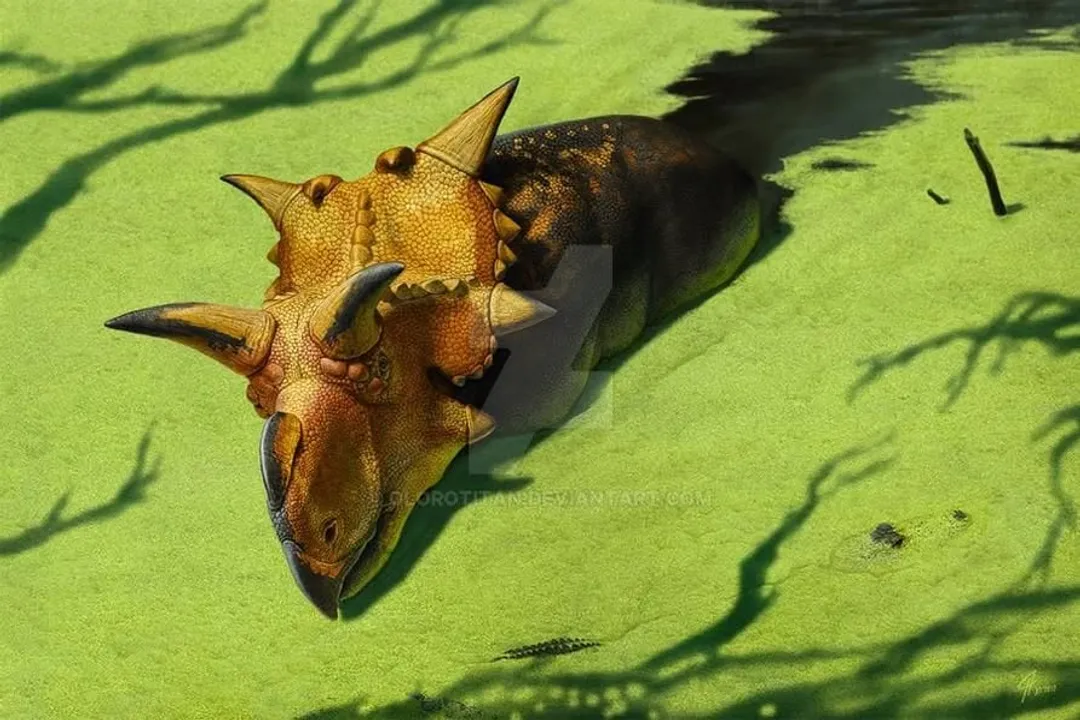
Xenoceratops lived approximately 78 to 77 million years ago during the Campanian stage of the Late Cretaceous period. [3][5] The flora of this era was quite different from today. While flowering plants (angiosperms) were becoming more diverse, the landscape was still heavily populated by tough, low-lying vegetation such as ferns, cycads, and conifers. [4] It is highly probable that Xenoceratops, being a low-browser like its relatives, targeted ground-level vegetation. [4]
Given its size and the general ecology of large herbivores, its diet would likely have involved bulk consumption of relatively poor-quality forage. One might speculate that the large, elaborate frill—the defining feature of the species, noted for its unique bosses and bumps [1][3]—was not just for display. While display is a near-certainty, the sheer size of the frill suggests a requirement for massive neck musculature to support the head and power the jaw. In some large, low-quality food processors, a large surface area like the frill might correlate with a need to house a correspondingly large gut. This bulky digestive system would be necessary to house the microbial fermentation chambers required to break down tough cellulose found in the coarse plant material characteristic of that time. The head structure, in this view, is intrinsically linked to the slow, energy-intensive process of turning fibrous bulk into usable energy. [5]
Comparing Xenoceratops to other contemporaries in the same formation, like smaller ornithopods, suggests specialization. While smaller dinosaurs might have been able to access higher, softer foliage or specific fruits, Xenoceratops's crushing dental battery implies it was specialized for processing the toughest ground cover available, ensuring that few terrestrial plants were entirely safe from its bite. [7]
# Processing Food
The mechanics of how Xenoceratops ate involved a complex combination of side-to-side (lateral) and back-and-forth (protrusion/retrusion) jaw motions, facilitated by joints that allowed significant movement beyond simple up-and-down biting. The wear facets on the teeth show that this grinding action was essential to break down the plant cells. [4]
When a section of plant material was snipped off by the beak, it would be manipulated within the mouth and drawn back against the opposite dental battery columns. The pressure exerted during chewing would cause the teeth to shear past one another, essentially milling the tough fiber into a paste that could be swallowed and further digested in the gut. [4] This entire process had to be repeated thousands of times a day to meet the energetic demands of a large dinosaur.
# Dental Battery Maintenance
The constant grinding against tough silica-rich plants (like ferns) meant the teeth wore down quickly. For Xenoceratops, the continuous eruption and replacement were not a luxury but a necessity for survival. [4] If the eruption rate could not keep pace with the wear rate—perhaps due to environmental stress or a sudden shift to even tougher forage—the dinosaur would eventually face severe difficulty processing food, leading to starvation. This reliance on a renewable chewing surface places a constant biological demand on the animal, linking its health directly to the accessibility of its preferred food sources. [6]
In assessing the feeding strategy of ceratopsians like Xenoceratops, it is worth noting that unlike modern cattle, which often use their tongues extensively to manipulate food within the mouth, the limited mobility of the ceratopsian tongue likely meant that the beak and the grinding action of the dental batteries did most of the work in positioning and processing the forage. The precise angle and alignment of the teeth rows, which are key features studied in these fossils, directly dictated the efficiency of this grinding, making slight evolutionary differences between species like Xenoceratops and others potentially meaningful in terms of foraging success within a crowded ecosystem. [6]
# Dietary Inferences
While we cannot definitively list the entire menu, we can sketch a highly probable range of food based on paleontological consensus for North American ceratopsians of this age:
| Food Category | Likelihood for Xenoceratops | Reason |
|---|---|---|
| Low-lying Ferns | Very High | Abundant, fibrous, required heavy grinding. |
| Cycads | High | Tough, common during the Mesozoic, excellent for testing a dental battery. |
| Conifer Needles/Twigs | Moderate | Possible, especially for bulk, though perhaps less preferred than softer material. |
| Soft Angiosperms | Low to Moderate | Present, but likely targeted by other dinosaurs; Xenoceratops was built for toughness. |
The presence of this dinosaur in the fossil beds confirms that the local vegetation could support a megaherbivore with this specific dietary apparatus. [7] The discovery of Xenoceratops itself—being a relatively large, distinctive ceratopsid—is a piece of evidence supporting the idea that the Late Cretaceous environment provided enough consistent, low-level plant food to sustain several megaherbivore niches. [5] The differences in frill ornamentation and horn configuration between Xenoceratops and, say, Chasmosaurus or Styracosaurus might suggest minor dietary partitioning—perhaps one preferred slightly thicker bark while the other specialized in a specific type of coarse fern—but at the most basic level, they were all heavy-duty plant processors relying on bulk intake. [1][3]
Related Questions
#Citations
Xenoceratops | Dinopedia - Fandom
Xenoceratops Facts For Kids | AstroSafe Search - DIY.org
Xenoceratops Is New 'Alien Horned Face' Dinosaur - NPR
Dinosaurs: Xenoceratops - science-resources.co.uk
Meet Xenoceratops: Canada's newest horned dinosaur - EurekAlert!
Canadian Science Publishing
Xenoceratops, New Type of Horned Dinosaur, Is Identified in Canada
Xenoceratops by Olorotitan - Facebook