What did the kangaroo rat eat?
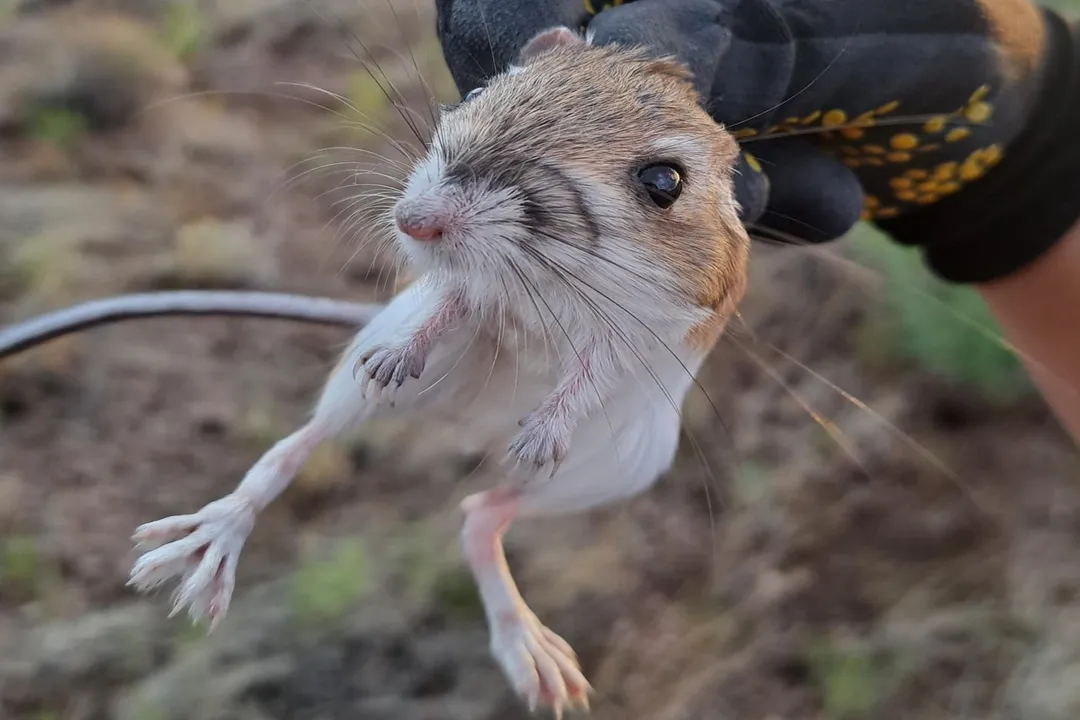
The diet of the kangaroo rat centers almost entirely around the seeds of desert grasses and forbs, forming the foundation of its existence in arid environments. [6][2] While these small rodents are famously capable of surviving without ever taking a drink of water, their nutritional strategy is sophisticated, relying heavily on stored energy and efficient metabolic processes derived from their primary food source. [4][7] They are not strictly vegetarian, however; most species supplement their seed intake with small amounts of greenery or even insects when the opportunity arises. [1][9]
Their active foraging begins after sunset, as kangaroo rats are strictly nocturnal creatures. [3] This timing helps them avoid the extreme heat of the day and potential visual predators, allowing them to focus solely on gathering the energy-rich materials they need to sustain themselves through the long, dry periods common in their habitats across North America. [2][4]
# Staple Foods
Seeds represent the bulk of the kangaroo rat's caloric intake, providing the necessary carbohydrates and fats for energy. [6] Different species will naturally gravitate toward the most abundant seeds available in their immediate surroundings, meaning the exact composition of the diet shifts based on local flora and seasonal availability. [8] For instance, the diet often heavily features seeds from various types of grasses and wildflowers native to the scrubland and desert floors where they reside. [6]
While the general classification is "seed eater," it is important to recognize the sheer efficiency of this food choice in a water-scarce landscape. A seed, though seemingly dry, contains complex molecules packed with potential energy and the necessary chemical components for life. The challenge isn't finding energy; it's extracting the water bound up within those molecules, a process that distinguishes kangaroo rats from many other desert inhabitants. [2][7] If one were tracking a population of desert kangaroo rats (Dipodomys deserti), monitoring the local abundance of perennial grass seeds would provide the clearest short-term indicator of the health and food security of that colony. [7]
# Minor Supplements
Although seeds form the base layer of their sustenance, a complete picture of the kangaroo rat's menu must include minor additions, which can become locally significant depending on conditions. [8] Some species are known to consume green vegetation, such as the leaves, stems, or flowers of desert plants when these are available, usually after rare rainfall events. [1][6] This green matter provides a slight hydration boost that supplements their metabolic water generation. [1]
Furthermore, insects occasionally make their way into the diet. [2] This inclusion of animal protein, while secondary, may be particularly important for developing juveniles or during certain reproductive phases when protein requirements increase. [9] For species like the San Joaquin kangaroo rat (Dipodomys ingens), insects are noted as an important, albeit secondary, dietary component alongside seeds. [9] The occasional insect or succulent leaf provides a slight nutritional diversity that a diet restricted only to dry seeds might lack, even if it only makes up a small percentage of the total annual consumption. [1][8]
# Transportation Method
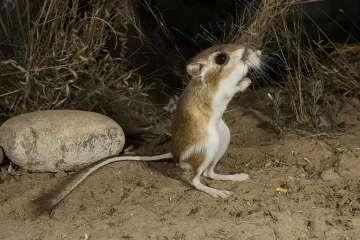
Kangaroo rats do not consume all the food they find immediately at the foraging site. [3] Instead, they employ specialized storage mechanisms for efficient gathering and relocation. They use large, expandable cheek pouches to collect seeds while they are out gathering food. [1][4] These pouches allow the animal to quickly load up a substantial amount of seed in a short time before retreating to the safety of its burrow system. [3]
Once back underground, the kangaroo rat empties its pouches, storing the collected seeds in specific chambers within its burrow complex. [7][3] This hoarding behavior is crucial because it separates the dangerous act of surface foraging from the necessary, slow process of eating and digesting. [3] By bringing the food underground, they minimize their exposure to nocturnal predators while ensuring a steady, protected supply of food for the coming days or weeks. [7] This separation of gathering and consumption is a key behavioral adaptation supporting their survival strategy.
# Water Independence
The most remarkable aspect of the kangaroo rat's feeding habit is its near-total independence from standing or surface water. [4] They have evolved physiological mechanisms that allow them to extract almost all the water they require directly from the oxidation of the dry seeds they consume. [2][7] When the body metabolizes fats and carbohydrates present in the seeds, water is produced as a byproduct, a process known as metabolic water generation. [8]
This physiological tightrope walk means that a diet of seemingly dry seeds can provide complete hydration, provided the seeds are available year-round. [7] This adaptation is so successful that, in laboratory settings, some species, like the desert kangaroo rat, have been shown to thrive without any access to free water whatsoever. [7] Comparing this to other desert fauna, which often rely on dew or infrequent rains, the kangaroo rat’s complete reliance on internal water production from food is an extreme specialization. [4] It requires a specific mix of carbohydrates and fats in the diet to maximize this yield, which is why a pure seed diet, despite its dryness, is nutritionally superior to, say, only eating green plants that might be too dilute in energy for efficient metabolic water conversion. [1][8]
# Burrow Security
The way the kangaroo rat manages its food supply—transporting it from the surface to its underground home—is directly linked to minimizing risk. A typical burrow system is complex, featuring multiple entrances and dedicated storage rooms. [3] By keeping their primary energy source sealed away underground, they create an insulated pantry buffered against extreme surface temperatures and immediate threats. [7]
This stored seed cache acts as an insurance policy. Consider a brief, unseasonal cold snap or an unexpected drought that temporarily halts seed production on the surface. Because the rats store provisions for later use, they can maintain their energy intake levels even when foraging conditions are poor or dangerous. [3] This ability to decouple the timing of resource acquisition from resource consumption provides a temporal buffer against the inherent unpredictability of the desert ecosystem, allowing them to conserve energy that would otherwise be wasted on repeated, unsuccessful foraging trips during adverse conditions. [7]
Related Questions
#Citations
Kangaroo Rat Fact Sheet - Desert Museum
Kangaroo rat - Wikipedia
Fresno kangaroo rat (Dipodomys nitratoides exilis) - Species Profile
Kangaroo rat | Adaptations, Habitat & Diet - Britannica
Fresno Kangaroo Rat (Dipodomys nitratoides exilis)
Exploring the Dietary Habits of Kangaroo Rats
(species) dipodomys deserti - Utah Natural Heritage Program Field ...
[PDF] Kangaroo Rats - Prevention and Control of Wildlife Damage
Dipodomys ingens (giant kangaroo rat) - Animal Diversity Web