What are cockles classed as?
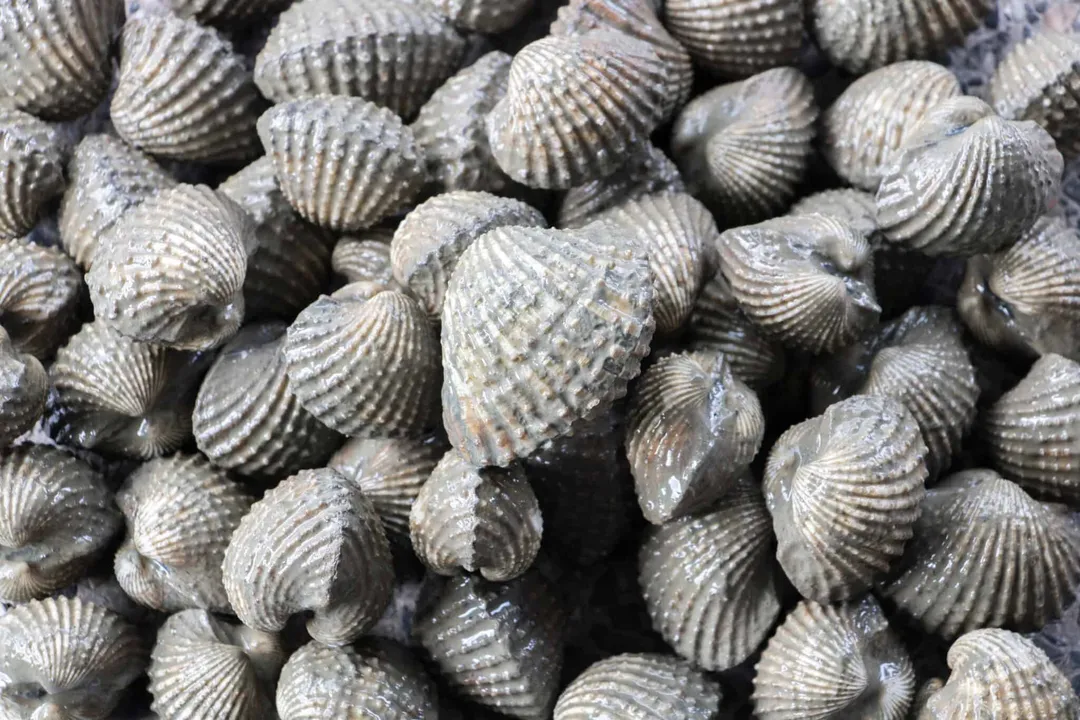
Cockles are classified primarily as bivalve mollusks, making them close relatives of clams. [1][2] This group, the Bivalvia, represents a vast array of shelled marine and freshwater creatures, but cockles possess specific characteristics that set them apart within this diverse class. [4] They are often referred to simply as a type of clam, [3][7] yet their distinct shell morphology warrants a closer look at their place in the animal kingdom. [1] They belong firmly within the phylum Mollusca. [4]
# Bivalve Identity
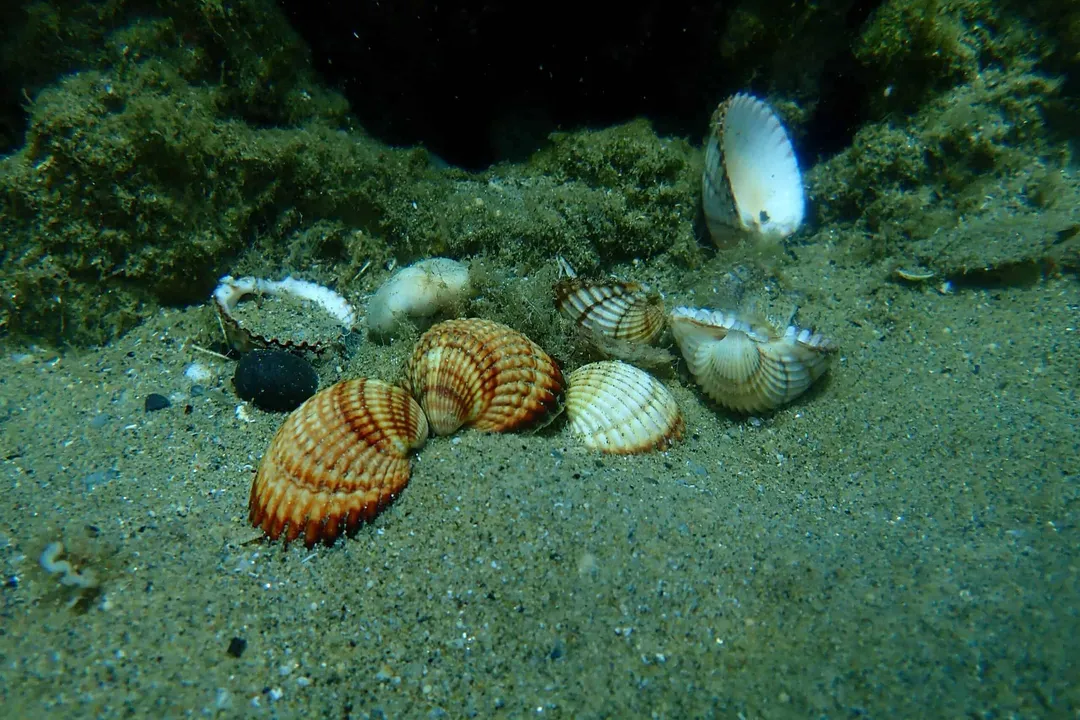
In terms of formal taxonomy, cockles belong to the order Arcida or Cardiida, depending on the classification system being referenced. [1] Most commonly, they are associated with the family Cardiidae. [1][4] This family designation is key because it groups them with species sharing fundamental anatomical and morphological traits. [4] While they share the two-hinged shell structure with clams, mussels, and oysters, the term "cockle" usually refers to those species within the Cardiidae family. [4] The specific species most commonly consumed in European waters, for instance, is Cerastoderma edule, known as the Common Cockle. [9]
It is helpful to think of the relationship as one of specificity: all cockles are bivalves, and most can loosely be called clams, but not all clams are cockles. [2][3] The common name "cockle clam" is sometimes used, highlighting this overlap in popular terminology. [7]
# Shell Features
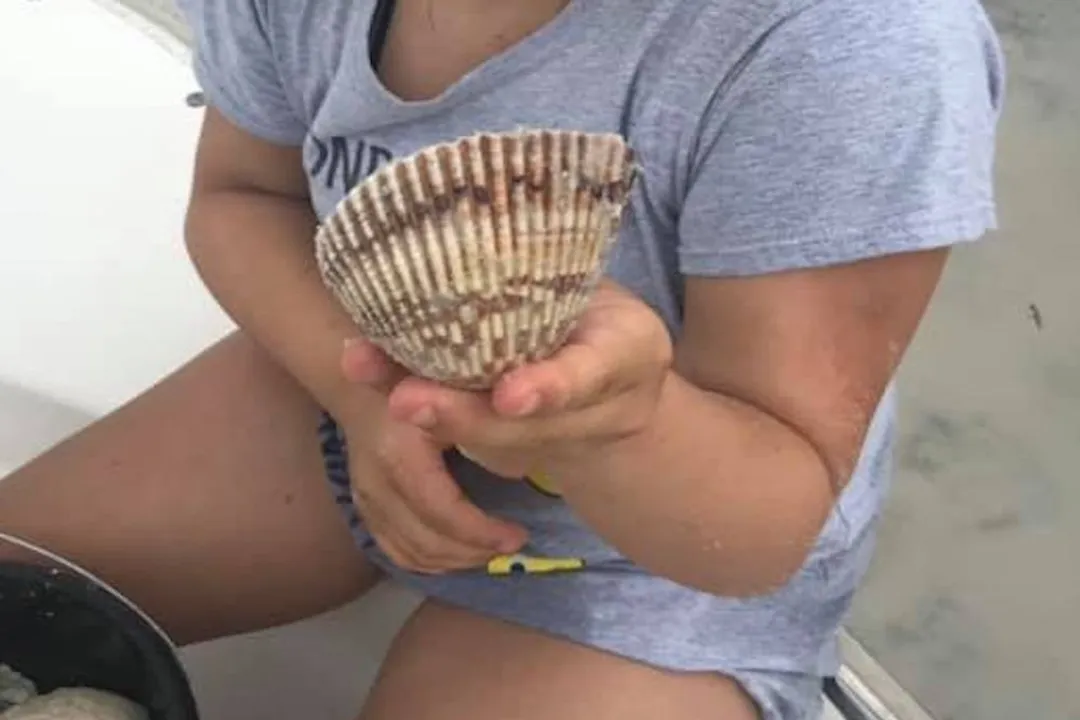
The most immediate distinguishing feature of the cockle, setting it visually apart from many other bivalves, is its shell structure. [2] Cockle shells are characteristically heart-shaped when viewed from the side, or at least decidedly convex and rounded. [1][2]
A crucial anatomical element is the presence of radial ribs that extend from the umbo—the beak-like point near the hinge—out to the margin of the shell. [1][2] These ribs give the shell a distinctly ridged or corrugated appearance, which contrasts with the smoother or concentrically-grooved shells found on many common clam species. [2] The shell is also equilateral, meaning the two valves are largely symmetrical. [1] If you were to pick up a fresh cockle, you would note that the shell is generally thicker and more robust than many razor clams or soft-shell clams, providing better defense against predation. [5] The radial ribs are not just decorative; they provide structural integrity, allowing the shell to withstand the physical forces exerted by wave action and shifting substrates as the animal burrows. [1] This inherent engineering, where the ribs distribute pressure efficiently, is perhaps why cockles thrive in exposed intertidal zones where substrate stability is variable. [5]
# Marine Life
Cockles are marine bivalves found globally in coastal environments. [4] They inhabit sediments like sand, mud, or gravel in the intertidal zone, meaning they are regularly exposed during low tide. [1][7]
Unlike some species that might bore into rock or anchor themselves with a byssus thread, cockles are typically free-living burrowers. [1] They use a muscular foot to dig into the substrate, usually burying themselves just beneath the surface. [4][7] Their ability to maintain this position in areas with strong tidal flow is a testament to their efficient burrowing mechanism and strong shell bracing. [1]
Like all true bivalves, cockles are filter feeders. [1] They draw water over their gills using siphons, filtering out plankton, detritus, and other organic matter suspended in the water column for nutrition. [1] This feeding strategy is fundamental to their ecological role as primary consumers in nearshore ecosystems. [9]
# Culinary Role
From a culinary perspective, cockles are prized seafood enjoyed across the world, though they have a particularly strong presence in European markets. [4][6] They are widely recognized for their distinct, intense oceanic flavor, often described as slightly sweet and distinctly salty. [6]
When preparing them, cleanliness is paramount, as they are often harvested from tidal flats that can be rich in sediment. [6] A common practice before cooking involves purging them, which means soaking them in clean, salted water to encourage them to expel any trapped grit or sand. [6]
The most common preparation methods involve steaming or boiling them in liquid—sometimes just water, sometimes wine, beer, or broth—until their shells open up. [6] Once cooked, they can be eaten straight from the shell or used as an ingredient in dishes ranging from pasta sauces to traditional seafood chowders. [6] If you are comparing the effort required to prepare them versus, say, a common hard-shell clam, cockles often require slightly less time on the heat due to their smaller size and delicate nature, though checking every shell for the signature "gape" before discarding is essential. [6] Their strong flavor profile means they pair well with bright, acidic flavors like lemon or white wine, which help balance the salinity.

# Species Diversity
While Cerastoderma edule dominates discussions in certain regions, [9] the family Cardiidae encompasses a great diversity of species. [1][8] Different coastal areas host their own native species, each adapted to local salinity, temperature, and substrate conditions. [4] Some species might have shells with more pronounced color variations or different patterns on their ribs compared to the relatively uniform coloration often seen in the common European variety. [5] For instance, some species exhibit browns, reds, or even purplish hues, adding another layer of visual distinction beyond the standard ridged shape. [5] This broad distribution and adaptation confirm their status as a successful and well-established group within marine invertebrate fauna. [4]
Related Questions
#Citations
Cockle (bivalve) - Wikipedia
What are cockles? They're cousins to clams - with heart - Facebook
Clams, Cockles | Inland Foods
Cockle | Mollusk, Bivalve, Marine Species - Britannica
Everything There Is To Know About Cockle Shells
What are Cockles? - Direct Seafoods
Cockle clam - Oregon Department of Fish & Wildlife
Cockle Animal Facts
Common cockle (Cerastoderma edule) - MarLIN