What is the calmest terrier breed?
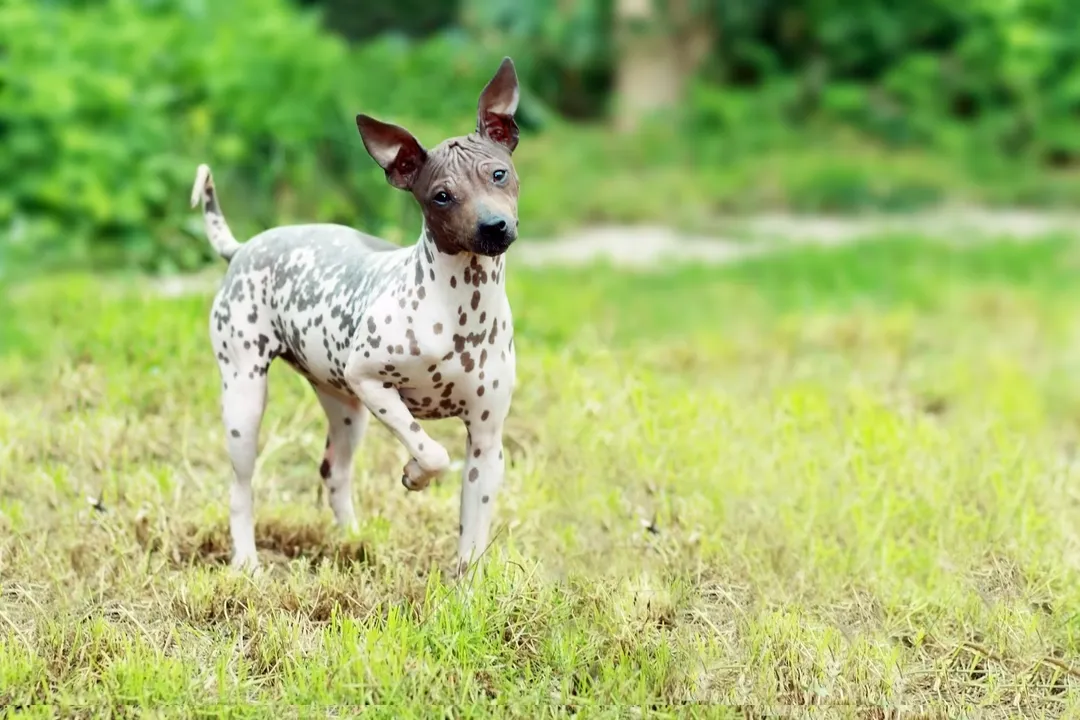
The quest for a quiet companion within the famously spirited terrier group often feels like searching for an oasis in the middle of a busy city. Terriers, by their very nature and historical purpose, were developed to be tenacious, high-energy hunters, capable of going to ground after vermin. This background means that energy levels are usually the last trait one associates with the group. However, the picture isn't entirely black and white; within this diverse family, some breeds stand out for possessing a more moderate, even placid, demeanor compared to their notoriously feisty cousins.
# The Standard
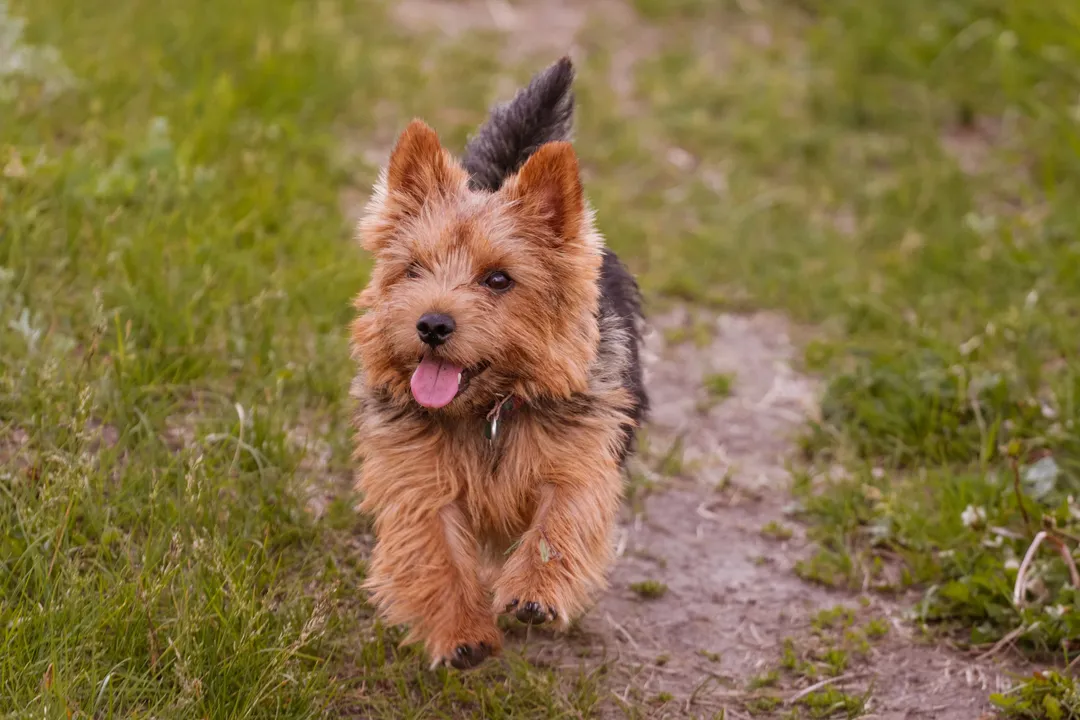
Understanding what makes a terrier "calm" requires first acknowledging the default setting for the group. Most terriers possess a lively, curious, and determined disposition. They were selectively bred for gameness and drive, traits that translate into alert, busy dogs in a modern home setting. If a family is looking for a truly laid-back pet, they might be surprised to find that even the breeds frequently suggested as calmer still retain significant terrier spirit.
# Breeds Mentioned
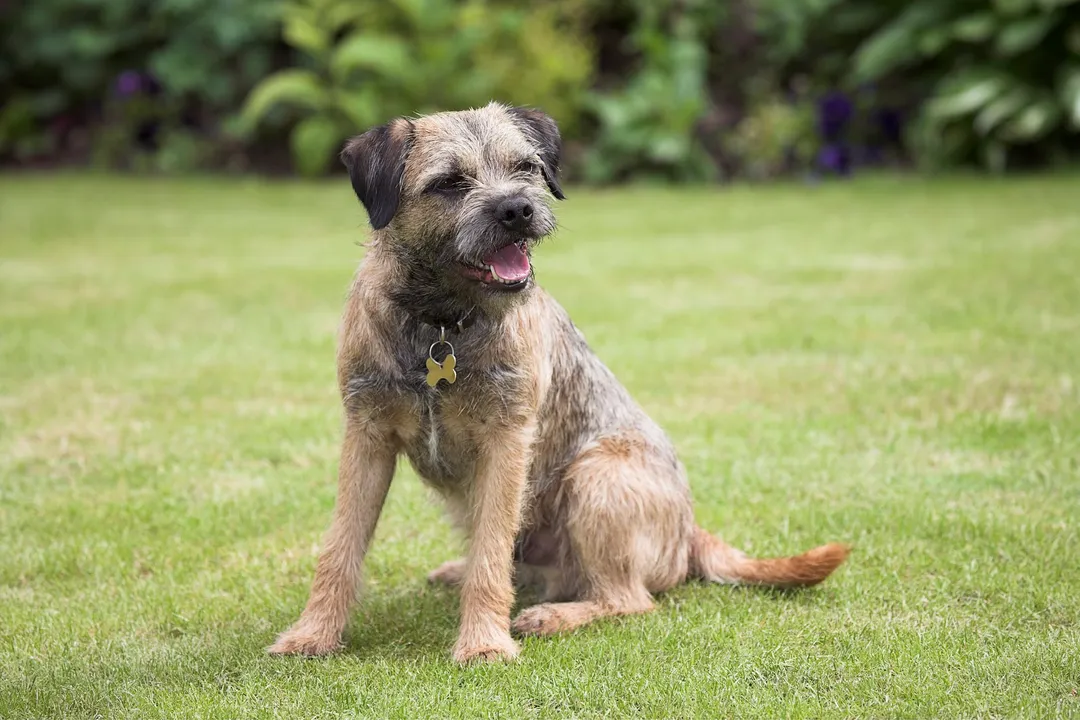
Several specific breeds surface in conversations when owners seek a terrier with less intensity. It is important to remember that "calmest" is relative when discussing terriers; it usually means calmer than the average terrier, not calmer than a Basset Hound or an aging lap dog.
# Bull Terrier Gentleness
The Bull Terrier frequently comes up in discussions about surprisingly gentle terriers. While they certainly possess the strength and history of their fighting dog ancestry, many owners note that once they mature, they can become quite affectionate and eager to cuddle. Their disposition shifts; they might have a clownish streak but their energy can be more manageable than some of the smaller, high-strung earth dogs. They are known for being somewhat goofy and loving, which contributes to a perceived calmness when they are relaxing indoors.
# Westie Mentions
The West Highland White Terrier, often affectionately called the Westie, is sometimes mentioned in the same breath as calmer options. This is likely because, while spirited, their size sometimes contains their energy more readily in an apartment setting than larger terriers. However, prospective owners must understand that Westies are still robust little dogs requiring engagement, and they often display typical terrier stubbornness. They are cited as being calmer than some of their relatives, but this is a nuanced distinction.
# Cairn Temperament
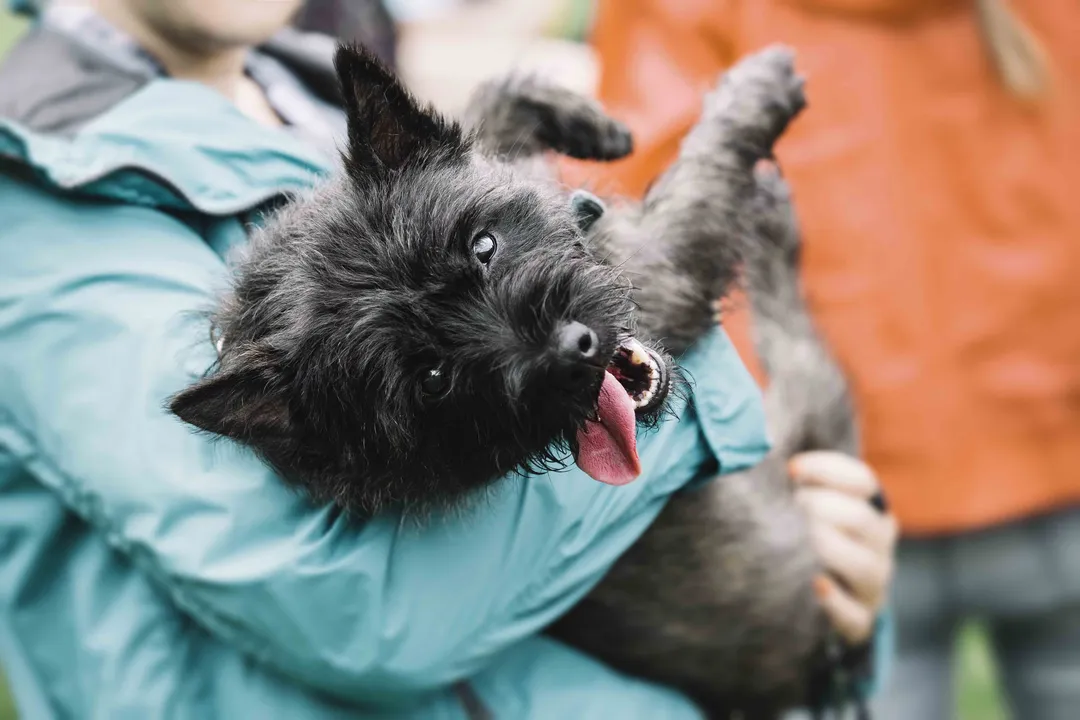
The Cairn Terrier is another breed that appears in these comparisons. People suggest that while Cairns start their lives—and perhaps their walks—with considerable enthusiasm, they often settle down significantly as they mature. This maturation period where energy levels dial back is a key factor for those hoping for a quieter companion later in the dog's life.
| Breed | Primary Calmness Factor Cited | Typical Terrier Trait Retained | Source Context |
|---|---|---|---|
| Bull Terrier | Maturity leading to cuddly, gentle nature | Stubbornness, clownishness | Apartment suitability discussed |
| West Highland White Terrier | Often perceived as less intense than peers | Still spirited and requires stimulation | Small dog context |
| Cairn Terrier | Energy levels decrease significantly with age | Initial high energy, hunting drive | Needs exercise but settles later |
# Apartment Suitability
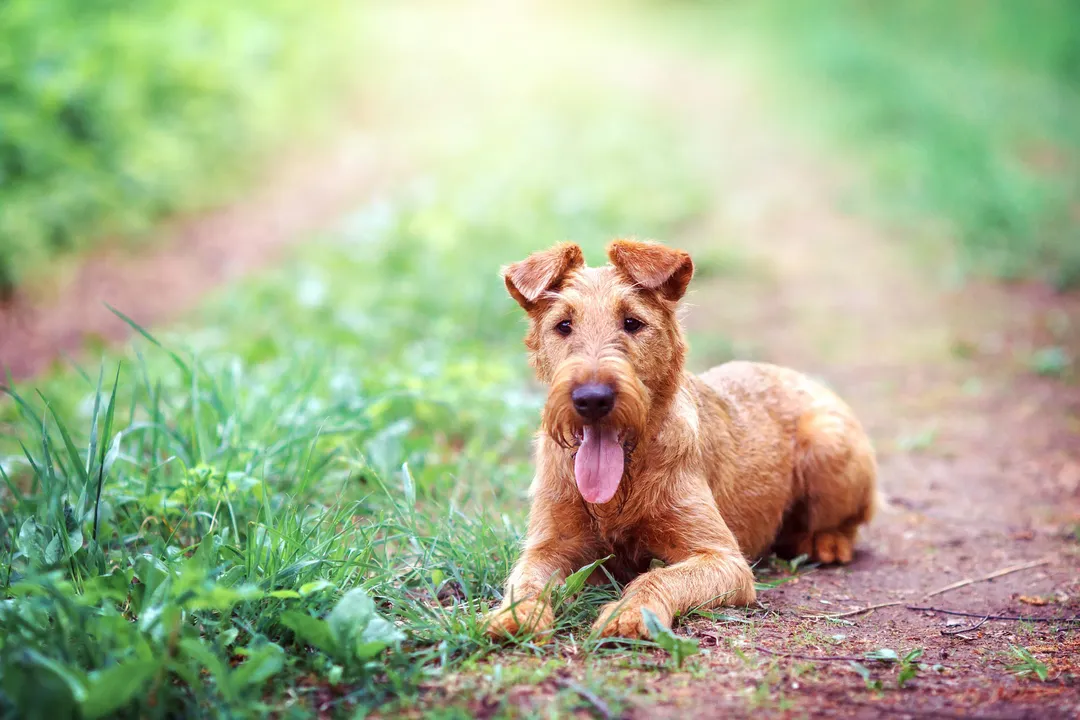
For many searching for a calm dog, the living situation dictates the search criteria, often leading people toward smaller breeds. A smaller dog can sometimes seem less imposing in a smaller space, even if their energy is the same. Breeds considered for apartment living, which often overlap with "calmer" considerations, need an acceptable exercise threshold. The Bull Terrier, despite being medium-sized, is suggested as a possibility for apartment dwellers seeking a calmer temperament profile when compared against the general terrier background. This suggests that temperament trumps size in some evaluations of apartment suitability.
# Routine Builds Serenity
It is easy to look at breed statistics and expect a certain output, but anyone who has lived with an active dog knows that environment shapes behavior profoundly. One crucial aspect often overlooked when seeking a calm terrier is the non-negotiable need for a structured, consistent daily routine. A terrier that is fed, walked, and given mental stimulation at predictable times is generally a calmer terrier in the house. Without this structure, even the most placid breed can become restless and demanding. For instance, ensuring a solid thirty minutes of vigorous activity followed by twenty minutes of dedicated puzzle work or training will often yield a dog that is genuinely ready to nap, rather than just waiting for the next opportunity to investigate a noise. This isn't about breed genetics alone; it’s about fulfilling the breed's inherent need to do a job in a manageable way.
# Experience Over Expectation
When considering the calmest terrier, perhaps the most important factor is the owner's own consistency and experience level. Terriers thrive when they feel their person is in charge and that the world makes sense according to established rules. A calm owner tends to foster a calmer dog. If you approach a Westie expecting a lap dog that never barks, you will likely be disappointed and unintentionally encourage reactive behavior. Conversely, if you approach a Bull Terrier understanding their need for firm but loving boundaries, you are far more likely to enjoy the sweet, relaxed companion they can become. The perceived calmness of the dog often mirrors the owner's ability to manage the dog’s natural instincts effectively. It’s less about finding a breed that is inherently lazy and more about finding a breed whose high drive aligns best with your lifestyle's ability to provide structured outlets for that drive.
# Breed Diversity Matters
The term "terrier" covers a huge spectrum, from the small, feisty Cairn to the larger, more substantial Airedale or Bull breeds. Because of this, generalizing about calmness across the entire group is misleading. Some terriers were bred primarily for earthwork (going to ground), demanding high tenacity and low fear, which rarely equates to calmness. Others, like the Bull Terrier, have a lineage that involved broader crosses, potentially softening some of the intense drive seen in the smaller vermin hunters. Recognizing this diversity is key; selecting a breed whose original purpose required a slightly less frantic energy might be the best starting point for someone prioritizing tranquility.
Related Questions
#Citations
[breeds] looking for some terrier breeds with more docile ... - Reddit
Which terrier breed is the calmest? - Quora
17 Calm Dog Breeds with Easygoing Personalities - Reader's Digest
22 Terrier Dog Breeds - PetMD
11 of the best Terrier breeds - Purely Pets
These Are the Calmest Dog Breeds That Are Perfect for Laid-Back ...
Small calm dog breeds - Mumsnet