What breeds make a Corgidor?

The delightful Corgidor represents a captivating combination of two of the most cherished dog breeds in the United States: the Welsh Corgi and the Labrador Retriever. This hybrid, sometimes known by the less common name Lab Corgi Mix, has gained significant affection, likely stemming from the desirable traits inherited from its popular parentage. While definitive records detailing its exact origin are scarce, it is generally believed that the Corgidor has existed for some time, often resulting from accidental pairings between the two distinct breeds. The goal for breeders, or what naturally occurs in a successful cross, is to capture the loyal devotion and dutiful watchfulness of the Corgi alongside the famously intelligent, calm, and even-tempered disposition of the Labrador. Recognized by organizations like the Dog Registry of America, the Corgidor presents an appealing blend of characteristics that promise an intelligent and affectionate family companion for those ready for its energetic needs.
# Parentage Snapshot
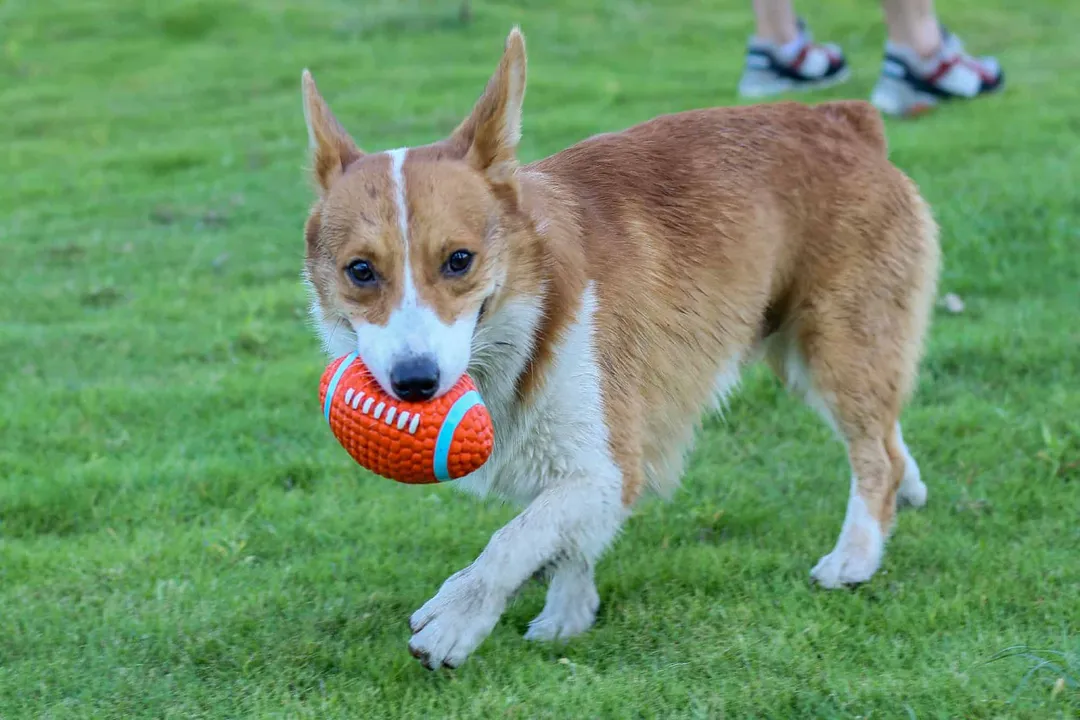
Understanding the Corgidor requires a look at the distinct roles and personalities of its forebears. The Labrador Retriever brings an established history as a top companion dog across the US, Canada, and England, originally developed in Canada to assist fishermen. This lineage contributes a strong, happy, easygoing nature and significant endurance. Labradors are famously eager to please and excel in roles requiring intelligence and a desire to work with people, often serving as service dogs.
The Corgi side, which can involve either the Pembroke or the Cardigan Welsh Corgi, introduces a history tied to herding livestock, often adeptly maneuvering cattle due to their low stature. Corgis are known for being protective, alert, and highly devoted, sometimes preferring to serve a single master. While Corgis are intelligent, their training can sometimes require more patience than that of the famously agreeable Labrador. This dual heritage sets the stage for a dog that is both loving and watchful.
# Physical Mix
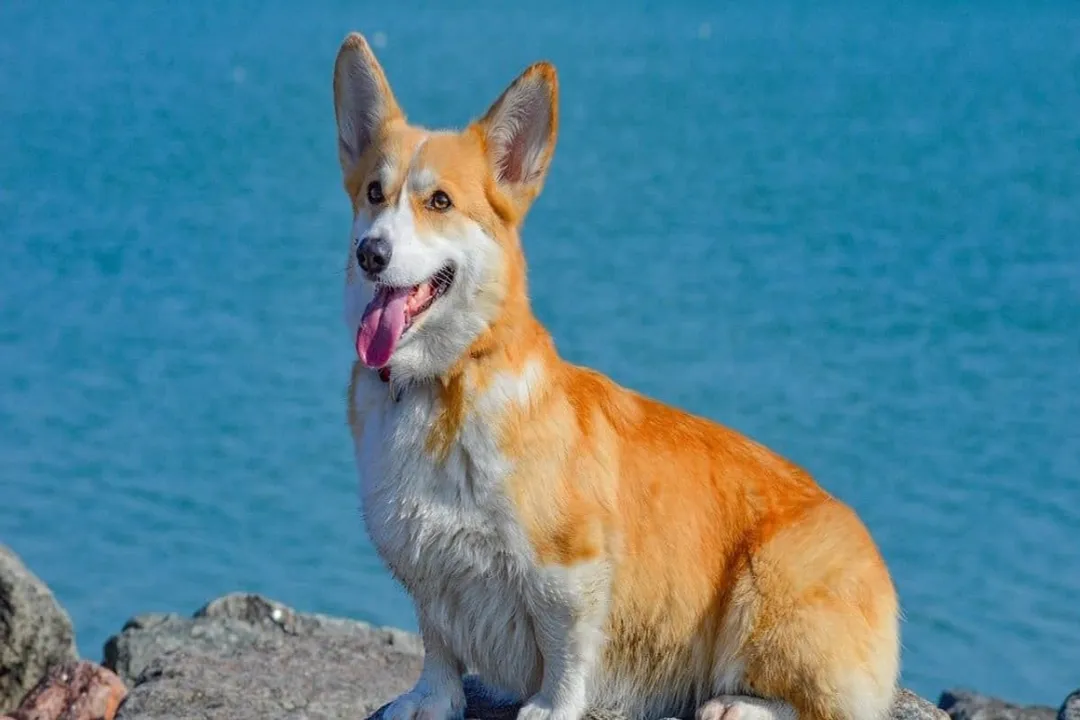
The appearance of a Corgidor is often described with a memorable visual: a Labrador's sturdy build set upon the characteristic short legs of a Corgi. Due to the genetic lottery inherent in any crossbreed, size and specific features can vary considerably depending on which parent's genes are expressed more strongly.
In terms of size, Corgidors are generally categorized as small to medium dogs. Weight estimates typically range between 40 and 55 pounds, though some sources note a broader range of 30 to 60 pounds. Height can similarly vary, generally falling between 10 and 23 inches tall. Female Corgidors may trend slightly smaller, perhaps not exceeding 20 inches in height. The body structure is notably long, a trait inherited from the Corgi, which necessitates careful handling due to the spine.
The head often features a somewhat square shape, large ears that might be slightly smaller than a purebred Lab's, and almond-shaped eyes. Coat characteristics are equally variable. While the coat is often described as short and dense, it can range from short to medium or even long. Coloration is diverse; common shades include black, brown, red, and tan. Many Corgidors present a parti-color pattern, perhaps displaying black or brown with white markings on the chest and underparts. Regardless of color—which can include yellow or copper shades as well—owners should anticipate a thick, insulating undercoat that leads to significant shedding.

# Temperament Blends
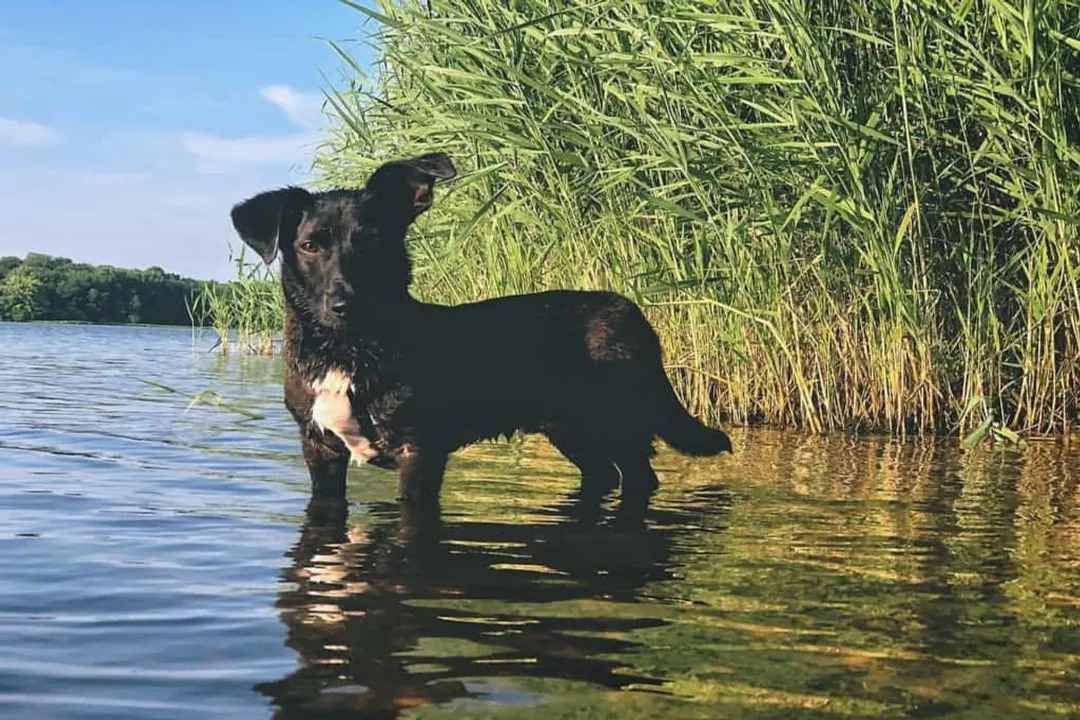
The core appeal of the Corgidor often lies in its combination of affection and alertness. They are widely considered sweet, gregarious, and deeply loyal companions who thrive when integrated into family activities. They generally exhibit a positive disposition and are known for being playful, loving, and intelligent.
The Labrador influence shines through in their friendly nature toward strangers and their overall eagerness to get along with people. This makes them excellent family pets, often showing great patience and affection toward children of all ages. However, the Corgi heritage ensures they remain dutiful watchdogs, ready to bark if they perceive a threat to their loved ones.
This mix of friendliness and protectiveness requires careful management. While they are good with other dogs if introduced calmly and slowly, the herding instinct from the Corgi parent may manifest as a tendency to nip at the heels of other animals or even running children during play. Furthermore, owners should be aware that while Labs are typically easygoing, the Corgi can introduce a streak of independence or stubbornness, which might occasionally present a challenge during training sessions. Anecdotal accounts suggest some Corgidors can be quite vocal, not just barking at alerts but making various noises that can be noticeable to owners. A Corgidor truly forms a strong bond with its family and craves interaction, often showing low separation anxiety if properly socialized and trained.
If you are welcoming a Corgidor into a home with other pets, remember that Corgis can occasionally be nippy toward non-family animals, whereas Labs are usually friendly to all. A calm, nose-to-butt greeting is a good sign during initial introductions; direct, sustained eye contact, however, signals potential tension and warrants immediate separation.
# Exercise Demands

Corgidors inherit the high energy levels of both parent breeds, meaning they are not suitable for a sedentary lifestyle. They require consistent daily activity to remain physically fit and mentally satisfied, which in turn prevents the development of destructive behaviors when left alone. Planning for a minimum of two walks daily is recommended. Their ideal environment often includes a secure, fenced yard or regular access to a dog park where they can run freely and engage in play.
The intelligence and need for stimulation from both parents mean that task-oriented play is highly effective. Activities like playing fetch or chasing a Frisbee are excellent outlets for their energy. Since they are smart and eager to please, games that challenge their minds, such as puzzle toys, are also beneficial, though they may only wish to learn basic commands rather than advanced tricks. Water activities are often a hit, as Labradors typically enjoy swimming.
One critical consideration when exercising this mix is their long back, inherited from the Corgi parent, which is prone to injury. Given that Labs also have a tendency toward weight gain which can exacerbate spinal issues, it becomes essential for owners in smaller living spaces to carefully substitute intense, high-impact activities with low-impact, controlled exercises like scent work or very gentle, supervised fetch games, ensuring they never push their dog past the point of exhaustion, especially in warmer weather. This hybrid is prone to overheating, so fresh, clean water and shade must always be available, particularly in the summer months.

# Grooming Needs
The Corgidor's coat, while often adored for being soft and fluffy, comes with the reality of heavy shedding year-round, with seasonal changes often bringing even more noticeable hair loss. Because of this consistent shedding, routine brushing is non-negotiable; weekly brushing is generally required to manage the loose fur and keep the coat looking healthy. If you bathe your dog, use a good quality, natural shampoo, paying close attention to hidden areas like the undersides, behind the ears, and paws to ensure deep cleaning.
Beyond coat care, the Corgidor inherits structural features that require specific maintenance. Regular dental hygiene, including tooth brushing, is necessary to prevent gum and tooth disease. Perhaps most importantly, owners must be vigilant about ear care. The Corgidor needs frequent ear cleaning using a vet-approved solution to proactively prevent painful ear infections. Finally, their toenails are strong and grow quickly; if they aren't naturally worn down by walking on hard surfaces, they need clipping every two to three weeks to prevent splitting or overgrowth.
# Health Concerns
As a hybrid, the Corgidor benefits from hybrid vigor but can still be susceptible to the genetic health predispositions of both the Corgi and the Labrador Retriever. Overall, they are generally considered healthy dogs with an expected lifespan between 10 and 15 years, provided they receive good diet and routine veterinary care.
The most significant concern stems from the Corgi's long back. This structure makes them susceptible to Intervertebral Disc Disease (IVDD), a condition affecting the spinal discs. This risk is compounded if the dog inherits the Labrador's tendency to become overweight, as excess weight puts severe strain on the already vulnerable spine.
Other potential major and minor health issues inherited from the parents include:
- Joint Issues: Hip Dysplasia and Patellar Luxation (dislocated kneecaps).
- Eye Conditions: Cataracts and Central Progressive Retinal Atrophy (CPRA), which can lead to degeneration and blindness.
- Blood/Metabolic Issues: Von Willebrand's Disease (a blood clotting disorder) and Hypothyroidism (an underactive thyroid).
- Other: Bladder stones and Idiopathic Epilepsy (seizures) are also noted possibilities.
Regular physical examinations and specialized eye exams are recommended tests for this mix. Taking preventative measures early, such as discussing joint health with your vet when the dog is a puppy, can contribute significantly to a longer, more comfortable life.
# Training Consistency
The Corgidor’s intelligence makes them receptive to learning, but achieving consistent training success hinges on understanding the dual influence on their attitude. They are eager to please, thanks to the Lab, but the Corgi side can lend an independent streak that requires dedication from the owner. This means that while they can learn commands easily, they may also display stubbornness or have difficulty maintaining focus during very long training sessions.
The key elements for effective Corgidor training are consistency, patience, and positive reinforcement—such as praise or play—rather than treats alone, which should be used sparingly to prevent obesity. Yelling or employing harsh methods should be avoided entirely, as this only frightens the dog and creates negative associations with learning.
Early training is paramount. Owners should begin immediately upon bringing the puppy home, focusing on basic commands, house-training, and establishing where their bed or bowl is located. Furthermore, owners must involve the entire family in training routines so that commands are consistent across all members.
This leads to a vital point regarding their watchdog tendencies: because the Corgidor inherits the Corgi’s alert nature and the Lab’s sociability, the socialization process must be highly structured, focusing not just on making them friendly, but on teaching them the appropriate context for alerting. Early exposure to varied people, places, and other dogs helps them discern a genuine threat from everyday friendly activity, mitigating excessive alarm barking common in alert breeds. If this distinction is not clearly established through consistent, positive training, the dog may become anti-social or exhibit bothersome behavior when encountering new stimuli.
Related Questions
#Citations
Corgidor | Dog Breed Facts and Information - Wag! Dog Walking
Corgidor Dog Breed Complete Guide - A-Z Animals
Corgidor - Rescue Dog Village Guardian, Inc.
Corgidor Dogs 101: Everything You Need to Know About This Mixed ...
Corgi Labrador Mix Facts - Alpha Paw