What breed is a Lhasapoo?

The Lhasapoo, a popular crossbreed, naturally sparks curiosity among potential dog owners who are drawn to smaller companions with unique looks. At its basic level, this charming dog is the result of mixing two distinct purebreds: the Lhasa Apso and the Poodle. Understanding what a Lhasapoo is requires looking closely at the traits inherited from each parent. The Lhasa Apso brings a rich history, having served as sentinel dogs in Tibetan monasteries, while the Poodle contributes recognized intelligence and the characteristic low-shedding coat. This combination results in a small, often lively dog that fits well into various living situations, though their personality can be quite a mix of their ancestors' defining qualities.
# Breed Origins

The development of the Lhasapoo falls under the umbrella of "designer dogs," meaning they are intentionally bred crosses rather than established breeds with a written standard. The goal behind this crossbreeding is generally to combine desirable traits from both sides—often seeking the Poodle's trainability and hypoallergenic qualities alongside the Lhasa Apso's sturdy, small stature and alert nature.
The Lhasa Apso side of the lineage is ancient, originating in Tibet where they were valued for guarding purposes and companionship within noble homes. These dogs were bred to be highly observant, leading to a temperament that is inherently wary of strangers and possesses a distinctive, sometimes sharp bark. When this heritage meets the Poodle, which traditionally comes in three size varieties (though typically the Miniature or Toy Poodle is used for this mix), the resulting Lhasapoo inherits a complex behavioral profile. Owners must anticipate a dog that is intelligent, thanks to the Poodle, but potentially very independent or headstrong, thanks to the Lhasa Apso's guarding instincts.
# Physical Traits

Lhasapoos are consistently described as a small breed. While precise measurements can vary depending on the size of the Poodle parent used, most fall within a fairly tight range. You can typically expect a Lhasapoo to stand between 10 and 13 inches at the shoulder. In terms of weight, they usually weigh in the range of 10 to 20 pounds. This compact size makes them particularly suitable for city living or apartment dwellings where space might be limited.
# Coat Characteristics
The coat is perhaps the most variable yet defining characteristic of the Lhasapoo, directly reflecting the genetics of its parents. Since both Poodles and Lhasa Apsos possess coats that grow continuously rather than shedding seasonally in large clumps, the Lhasapoo is often promoted as a low-shedding companion. However, low shedding does not equate to low maintenance.
The texture of the coat can range widely; some dogs may have a coat that is wavy, while others might exhibit a curlier texture, much like a Poodle's. Because the hair grows constantly, the management shifts from dealing with fur on the furniture to dealing with matting. This shift in required upkeep is something new owners often underestimate. Instead of vacuuming constantly, the owner must commit to regular, sometimes daily, brushing sessions to prevent painful tangles and pelted fur, especially around the ears, legs, and tail where friction occurs. This necessity for diligent coat care—which often includes professional grooming every six to eight weeks—is a non-negotiable aspect of Lhasapoo ownership and is necessary to maintain their comfort and appearance.

# Temperament Profile
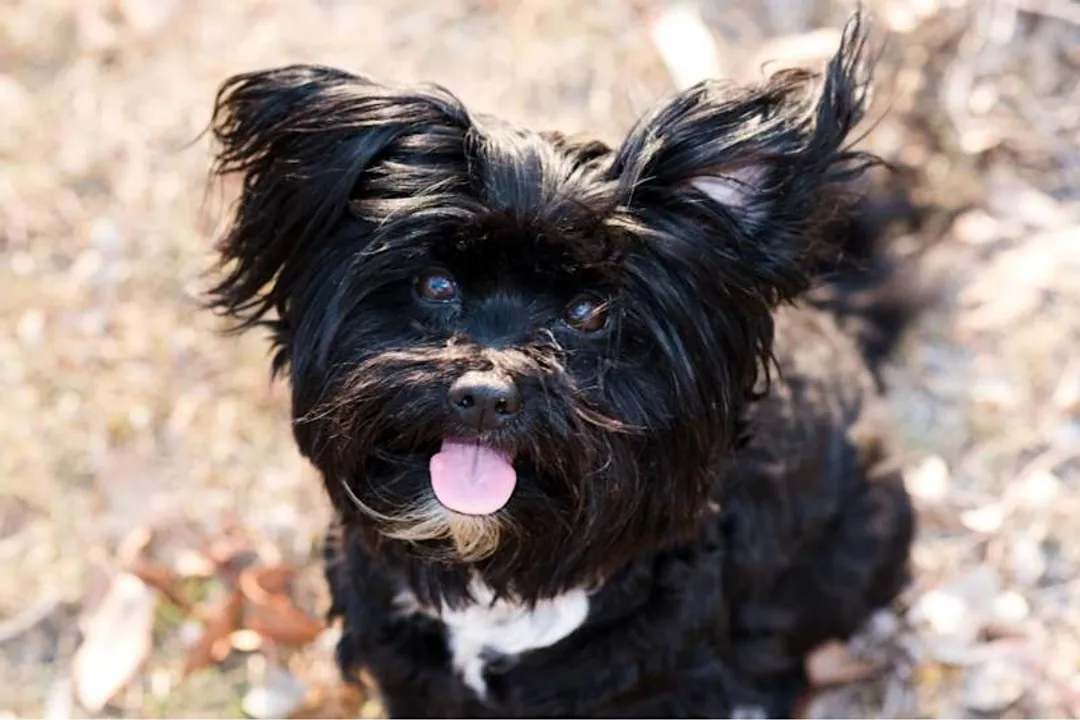
The personality of a Lhasapoo is a fascinating blend of alertness, affection, and occasional obstinacy. They are generally considered smart and playful dogs. The intelligence inherited from the Poodle parent means they are capable learners, yet the independent streak from the Lhasa Apso means they may not always want to listen immediately.
# Watchdog Instincts
A hallmark trait that carries over from the Lhasa Apso is their tendency to be alert and aware of their surroundings. This makes them excellent little watchdogs; they are quick to notice unusual sights or sounds and are not shy about letting their people know about it with a bark. This vocal nature, while charming to some, requires management, especially in close-quarter living situations like apartments. Early training focused on appropriate barking volumes and recognizing that their job as a watchdog is complete once they alert the family is key. This inherited vigilance, combined with the Poodle's loyalty, means they bond closely with their immediate family but might remain reserved or suspicious around strangers—a trait typical of the Lhasa lineage.
# Stubborn Streak
One point of consistency across source descriptions is the Lhasapoo’s potential for stubbornness. This is not willful disobedience in the negative sense, but rather an expression of independence. They think things through, and if they don't see the immediate benefit of your command, they might pause to consider their options. Successful training with a Lhasapoo relies heavily on consistency, positive reinforcement, and making training sessions short, fun, and rewarding. Because they are smart, they catch on quickly, but their willingness to comply is what needs continuous motivation.
# Care Needs
Caring for a Lhasapoo involves balancing moderate exercise needs with intensive grooming commitments and consistent training schedules.
# Activity Levels
While they are small, Lhasapoos are not necessarily couch potatoes. They possess a moderate energy level. Daily walks are certainly required to keep them physically and mentally stimulated, but they generally do not demand the intense, sustained exercise regimen required by larger sporting breeds. A romp in a securely fenced yard or an energetic indoor play session often suffices to tire them out. Mental stimulation is just as important, given their intelligence; puzzle toys or learning new tricks can prevent boredom, which often leads to destructive behaviors or excessive barking.
# Training and Socialization
Effective training must begin early to address the potential for wariness or stubbornness. Socialization is critical for shaping the Lhasapoo’s perception of the outside world. Exposing them positively and frequently to various people, sights, sounds, and other well-behaved dogs during their critical puppy phase helps temper the natural instinct to guard or bark excessively at every passerby. Positive reinforcement methods work best due to their sensitivity and intelligence. Attempting to use harsh correction methods will likely cause this independent-minded dog to simply shut down or become more resistant.
# Health and Longevity
Like all purebreds and designer crosses, Lhasapoos are predisposed to certain health conditions that owners should be aware of. Responsible breeding practices aim to minimize these risks, but prospective owners should inquire about health clearances for the parent dogs.
Common health concerns noted for the breed include issues related to their small structure and specific lineage traits:
- Luxating Patella: This is a common orthopedic issue in small breeds where the kneecap slips out of place.
- Dental Problems: Both parent breeds can be prone to crowding of the teeth, making good dental hygiene—including regular brushing—paramount for a Lhasapoo. Neglecting dental care can lead to painful infections and tooth loss later in life.
- Hypothyroidism: A condition where the thyroid gland does not produce enough hormones.
- Epilepsy: Seizure disorders can occur in the breed line.
- Progressive Retinal Atrophy (PRA): An eye condition that can lead to blindness over time.
In terms of lifespan, most sources place the Lhasapoo's expected longevity between 10 and 15 years. Maintaining excellent preventative care, including appropriate diet, regular veterinary check-ups, and consistent dental maintenance, plays a significant role in ensuring they reach the upper end of this range.
# Suitability Factors
The Lhasapoo is often an excellent match for individuals or families seeking a companion dog that is devoted and relatively low-shedding. Their small size makes them excellent companions for apartment dwellers. However, prospective owners must carefully assess their lifestyle against the dog's needs.
Someone who enjoys a daily routine of grooming and is prepared to spend consistent time training and socializing will likely find the Lhasapoo to be a wonderful companion. They thrive on companionship and do not do well when left alone for extended periods, reflecting their history as household guardians.
An interesting consideration for first-time owners is the potential disparity between a Lhasa Apso's historically aloof nature and a Poodle's eagerness to please. While the Poodle often makes the cross friendlier overall, the Lhasapoo retains a core alertness. If you are looking for a dog whose primary job is simply to be an easygoing lap dog, you must be prepared to actively train against the watchdog tendencies inherited from the Lhasa side to ensure they adapt well to neighborhood noises and visitors. If you are looking for a dog that will alert you to the mail carrier but settle down quickly afterward, the Lhasapoo fits well, provided that boundary setting is part of your training strategy.
In summary, the Lhasapoo is a small, bright-eyed dog whose appeal lies in its mixed heritage. They demand commitment in two major areas: daily coat maintenance to prevent mats and consistent, positive training to channel their intelligence and manage their independent, watchful spirit. For the right owner, they offer devoted companionship within a compact, manageable size.
#Videos
Lhasapoo (Lhasa Apso And Poodle Mix): A Complete Dog Breed
Related Questions
#Citations
Explore the Lhasa Apso and Poodle Mix Named the Lhasa Poo
Lhasapoo Dog Breed Information & Characteristics - DogTime
These beautiful pups are Lhasapoos! What is a ... - Facebook
Lhasa-Poo - Dog Breed Info
Lhasa-Poo - Animal Kingdom | Puppies N Love
Lhasa Apso - Wikipedia
Lhasapoo (Lhasa Apso And Poodle Mix): A Complete Dog Breed
Lhasapoo Puppies for sale