What are turkey's physical characteristics?
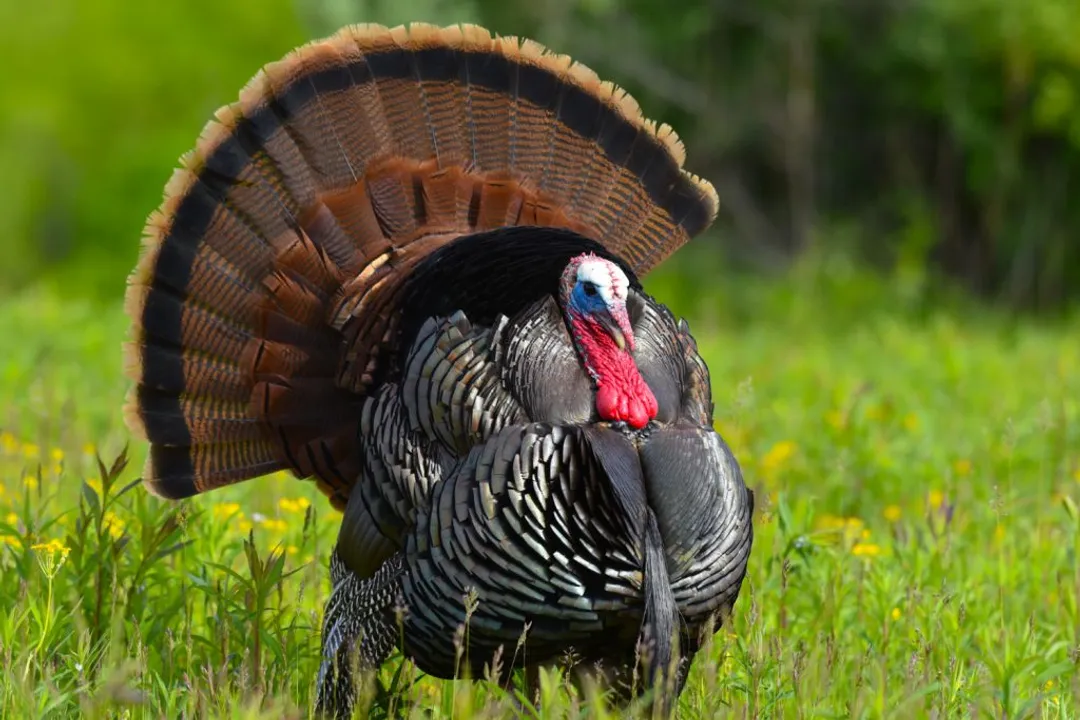
The concept of "Turkey" immediately brings to mind two vastly different subjects: a nation straddling continents and a large, familiar game bird native to the Americas. Understanding the physical characteristics of both requires looking at massive topographical features one moment and the iridescent sheen of specialized feathers the next. The country itself is defined by its unique location and varied terrain, while the wild turkey is characterized by impressive size, distinct sexual dimorphism, and striking coloration.
# Landmass Shape
The Republic of Turkey occupies a territory that is physically split between two continents, giving it a geographic distinctiveness shared by few other nations. [1] Approximately 97 percent of its landmass lies in Asia, forming the large peninsula known as Anatolia, while the remaining 3 percent is located in southeastern Europe, marked by the region of Thrace. [1][5] This land bridge is separated by the Turkish Straits—the Dardanelles, the Sea of Marmara, and the Bosporus—which connect the Black Sea to the Mediterranean Sea. [1][5] This geographical position is perhaps its most defining physical attribute, serving as a historical crossing point between East and West. [1]
The Asian portion, Anatolia, is essentially a large plateau region that rises from the coastal plains, generally sloping upward toward the east. [5] This central plateau is bordered by significant mountain systems. To the north, the Pontic Mountains run roughly parallel to the Black Sea coast, while to the south, the Taurus Mountains stretch along the Mediterranean shoreline. [1][5] These ranges are substantial, with peaks in the eastern region, particularly Mount Ararat, soaring to impressive heights. [5] Mount Ararat, an extinct volcano, is often cited as the highest point in the country, reaching over 16,900 feet. [2][5]
In contrast to the rugged, mountainous periphery, the interior Anatolian plateau features lower elevations, often characterized by semi-arid steppes, though fertile plains exist in coastal regions. [1][5] The country's overall shape is roughly rectangular, and its physical extent covers approximately 300,000 square miles, making it a relatively large nation situated in a geologically active area, prone to earthquakes due to its position near major fault lines. [1][5] For comparison, the country's area is similar in scale to the state of Montana in the United States. [2] The interaction between the coastal areas, often narrow and humid, and the vast, drier interior plateau dictates much of the nation's diverse physical appearance, from lush Black Sea shores to the more stark landscapes near the center. [5]
# Avian Dimensions
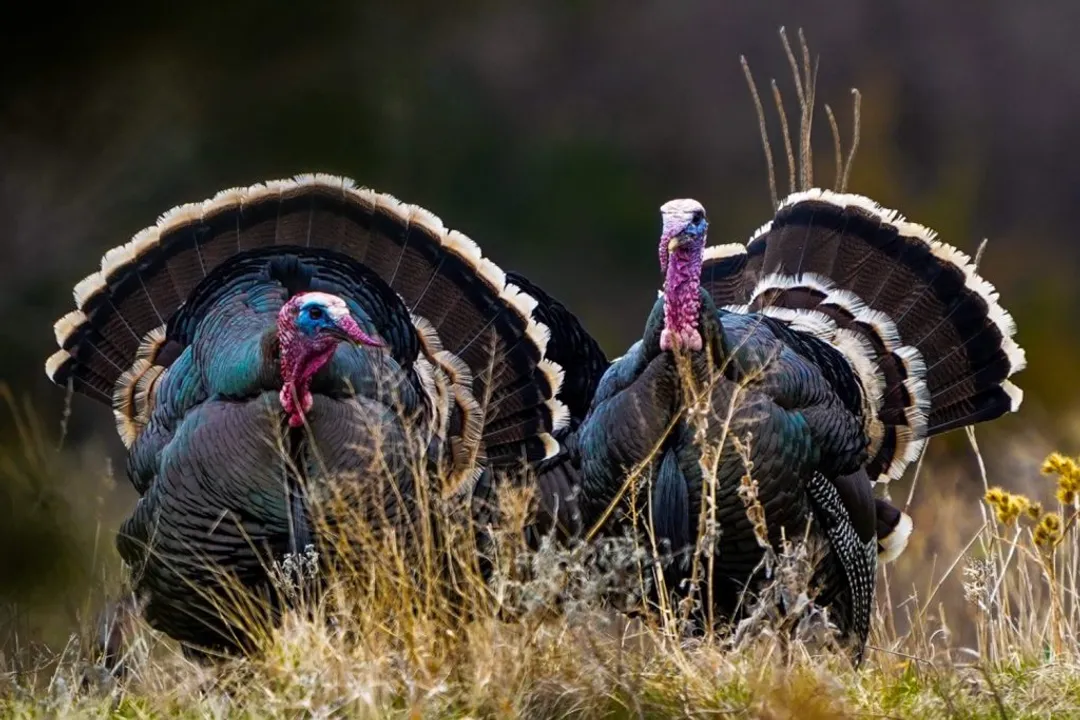
Turning from continental geography to the specific characteristics of the Wild Turkey (Meleagris gallopavo), one finds a creature built for ground life but capable of flight, distinguished primarily by its sheer size among North American birds. [4][6] These birds are imposing, with males, known as toms or gobblers, significantly larger than the females, or hens. [4][8]
When looking at mature males, their weight can be substantial. While historical and exceptional records might cite weights exceeding 30 pounds, a typical mature male generally weighs between 16 and 24 pounds. [3][4] Their height, when standing upright, can reach around three to four feet. [4] The hens are notably smaller, usually weighing between 8 and 12 pounds. [3][4] This difference in mass is one of the clearest ways to distinguish the sexes in the field. [6]
The wingspan is also impressive, often stretching between 4 and 5 feet. [4][6] Despite their bulk, wild turkeys are capable fliers, capable of rapid bursts of speed, though they spend the majority of their time foraging on the ground. [4][8] When taking flight, they utilize their broad wings to gain altitude quickly, often roosting high in trees at night for safety. [4]
| Feature | Male (Tom/Gobbler) | Female (Hen) |
|---|---|---|
| Average Weight | 16–24 pounds | 8–12 pounds |
| Average Height | Up to 3–4 feet | Shorter and leaner |
| Beard Length | Often long, present | Absent or very short/bristle-like |
| Head Color | Bright red, blue, white (variable) | Grayish or duller |
| Body Plumage | Iridescent bronze, green, gold | Duller brown, gray, and black mottling |
| Primary Function | Display, dominance | Camouflage, brooding |
[3][4][6][8]
# Plumage Iridescence
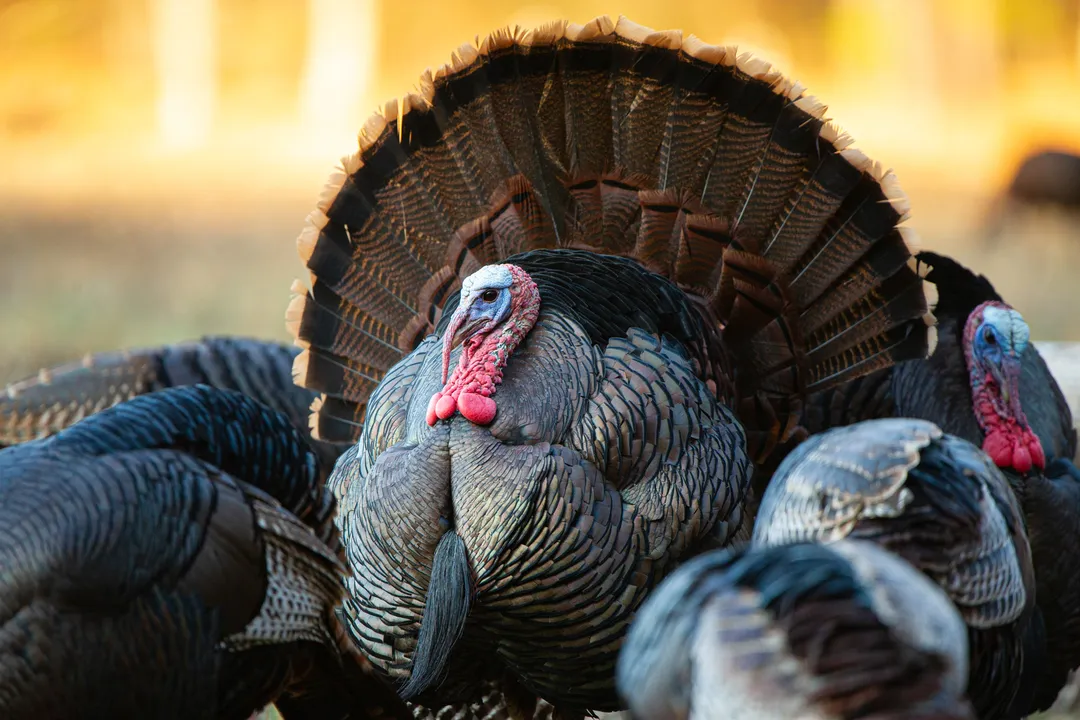
The physical appearance of the wild turkey relies heavily on its feathering, which provides both camouflage and spectacular display elements. [8] The body feathers on both sexes appear dark from a distance, but up close, they reveal a brilliant, metallic sheen. [6][8] Male feathers often exhibit glossy bronze, green, gold, and coppery reflections that shift dramatically depending on the angle of the light. [3][6] This iridescence is a key visual characteristic used in courtship rituals. [8]
Female turkeys possess duller plumage, relying more on shades of brown, gray, and black mottling, which offers excellent concealment within their brushy or wooded habitats. [6][8] While both sexes have barring—dark bands across their wings and tails—the male’s overall coloration is far more vivid. [3] The tail feathers themselves are large and fan-shaped, particularly noticeable when the tom fans them out during his strutting display. [4][6]
# Head Features
The head and neck structure of the turkey are perhaps the most unusual physical traits of the bird. They possess bare skin on the head and neck, meaning they have no feathers in these areas. [4][9] The coloration of this skin is dynamic, changing based on the bird's emotional state, such as excitement, aggression, or fear. [9] A dominant, excited male will display vivid patches of blue, white, and especially bright red skin on his head and wattles (the fleshy growth hanging from the throat). [3][4]
A notable structure on the male’s head is the snood, a fleshy appendage that hangs over the beak. [6][9] The length of the snood is considered an honest signal of the male’s health and fitness; longer snoods are often preferred by females during mate selection. [6] Furthermore, males possess a beard, which is a tuft of specialized, hair-like feathers originating from the center of the breast. [3][4] This beard is typically dark brown or black. [6] While most toms have a beard, it is an absent feature in the majority of hens, though a small percentage of females can grow a short beard. [3][8] Occasionally, a male may develop multiple beards, or the primary beard may shed and regrow over time. [7]
The skin on the neck features caruncles, which are irregular, bumpy growths that become highly engorged and brightly colored when the bird is displaying or agitated. [4][9] The bare skin allows the turkey to better radiate heat when necessary, a physical trait useful given their high activity levels and large body mass. [9]
# Subspecies Variation
Physical characteristics also show variation across the different recognized subspecies of the Wild Turkey, although the core body structure remains consistent. [7] While the Eastern Wild Turkey is the most common and widespread, other subspecies exist, such as the Merriam’s, Rio Grande, Gould’s, and Osceola turkeys, each adapted to slightly different physical environments. [7]
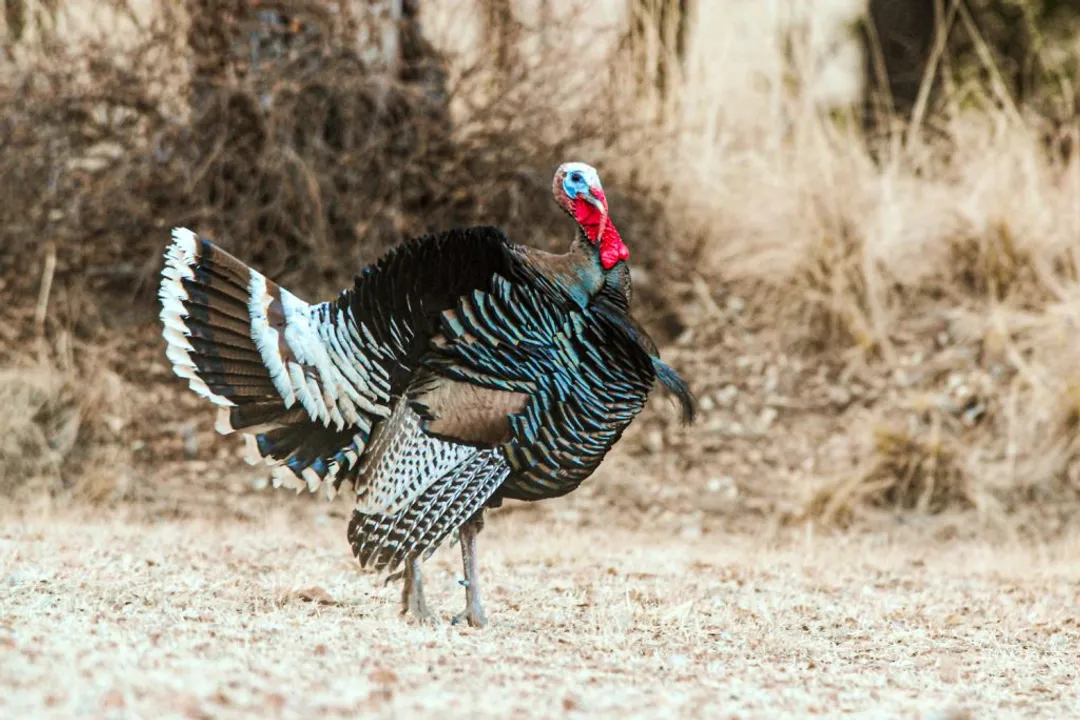
For instance, the Merriam’s Turkey, found primarily in the Rocky Mountain region, tends to have a lighter, more buff-colored edging on its tail and rump feathers compared to the deep bronze of the Eastern bird. [7] Similarly, the Rio Grande turkey tends to show less white tipping on the tail feathers than the Merriam’s. [7] These subtle differences in feather coloration and tail patterns are vital for biologists and hunters attempting to identify regional populations, illustrating how the physical form adapts even within a single species across diverse US landscapes. [7]
The sheer adaptability reflected in these subtle physical shifts across regions speaks to the success of the species. If one were to map the physical differences of the country Turkey—from the snow-capped peaks of the East to the Mediterranean beaches—one could almost draw a parallel to the subtle but distinct physical adaptations found across the various American turkey subspecies, both shaped by their immediate physical surroundings.
# Ground Adaptation
The bird's physical structure is heavily weighted toward terrestrial life. Their legs are long, muscular, and scaly, built for walking, running, and scratching through leaf litter in search of food. [4] Males have spurs on the back of their legs, which are sharp, bony projections used primarily for combat with rival males during mating season. [4][6] The color of the legs and feet can also vary seasonally and geographically, ranging from pinkish to grayish-blue in males. [9] Their feet are large, possessing three forward-facing toes and one hind-facing toe, providing excellent grip on uneven forest floors. [4] This strong, large-footed configuration supports their significant body weight, allowing them to move with surprising speed when threatened. [8] The entire physical package—heavy body, strong legs, and powerful takeoff—creates a formidable ground bird perfectly suited to its native habitat requirements.
Related Questions
#Citations
Turkey (Türkiye) | Location, Geography, People, Economy, Culture ...
Turkey | National Geographic Kids
Wild Turkey Identification, All About Birds, Cornell Lab of Ornithology
Wild Turkey - Meleagris gallopavo - New Hampshire PBS
Geography of Turkey - Wikipedia
Wild Turkey | Audubon Field Guide
Wild Turkey Appearances
Wild Turkey Fact Sheet | Blog | Nature - PBS
Wild Turkey - Chesapeake Bay Program