What are the interesting facts about Ayam Cemani?
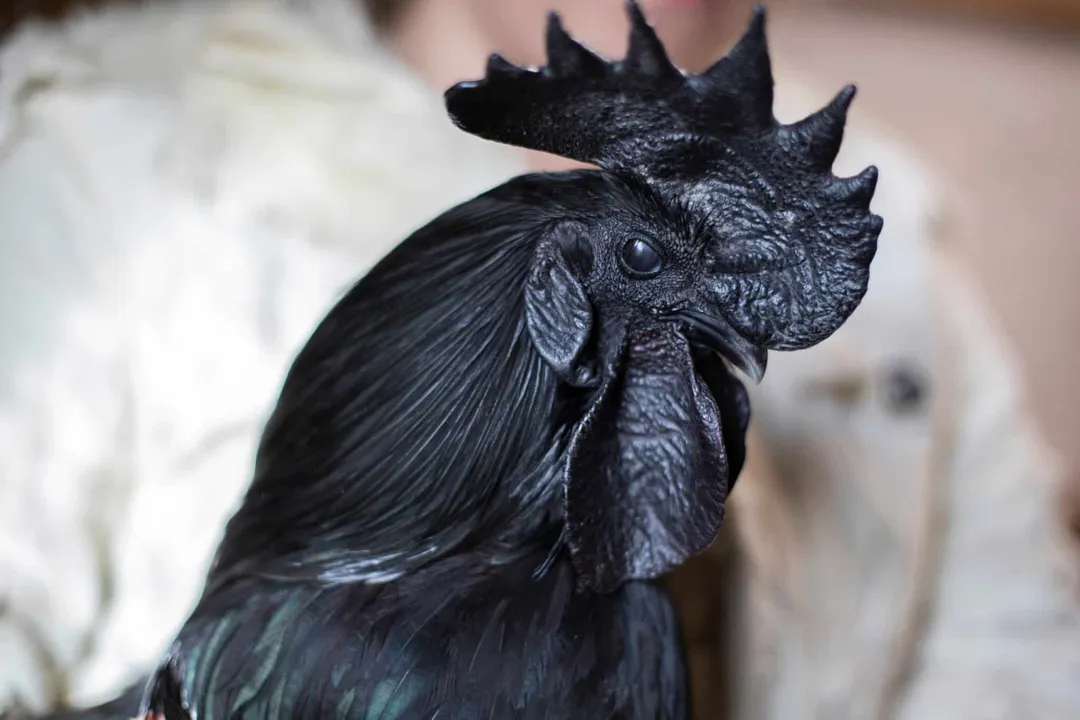
The sight of an Ayam Cemani chicken is often startling; it appears as if an actual shadow has taken physical form among the flock. These birds are famous for being entirely, deeply black—a feature that extends far beyond mere feather pigment. Originating from the Indonesian island of Java, these striking fowl have captivated observers worldwide, often fetching high prices due to their unique genetic makeup and cultural mystique. [1][4]
The name itself offers a clue to their identity. In Javanese, Ayam means chicken, and Cemani translates to "completely black" or "jet black". [1][7] While they have been known in their native land for centuries, they were only introduced to the Western world relatively recently, arriving in Europe and the United States in the late 20th and early 21st centuries, which contributed significantly to their initial rarity and high demand. [7][9]
# Black Pigmentation
The defining characteristic of the Ayam Cemani is an extreme form of hyperpigmentation known as fibromelanosis. [1][2] This genetic trait causes an excessive deposition of melanin, resulting in black coloration in nearly every external and internal part of the bird. [4] It is not just the feathers; the skin, meat, bones, tongue, gums, and even the internal organs display this deep, inky hue. [1][2][7] This condition is inherited through a dominant gene, meaning that if one parent carries the gene, there is a high probability of the trait being passed on. [2]
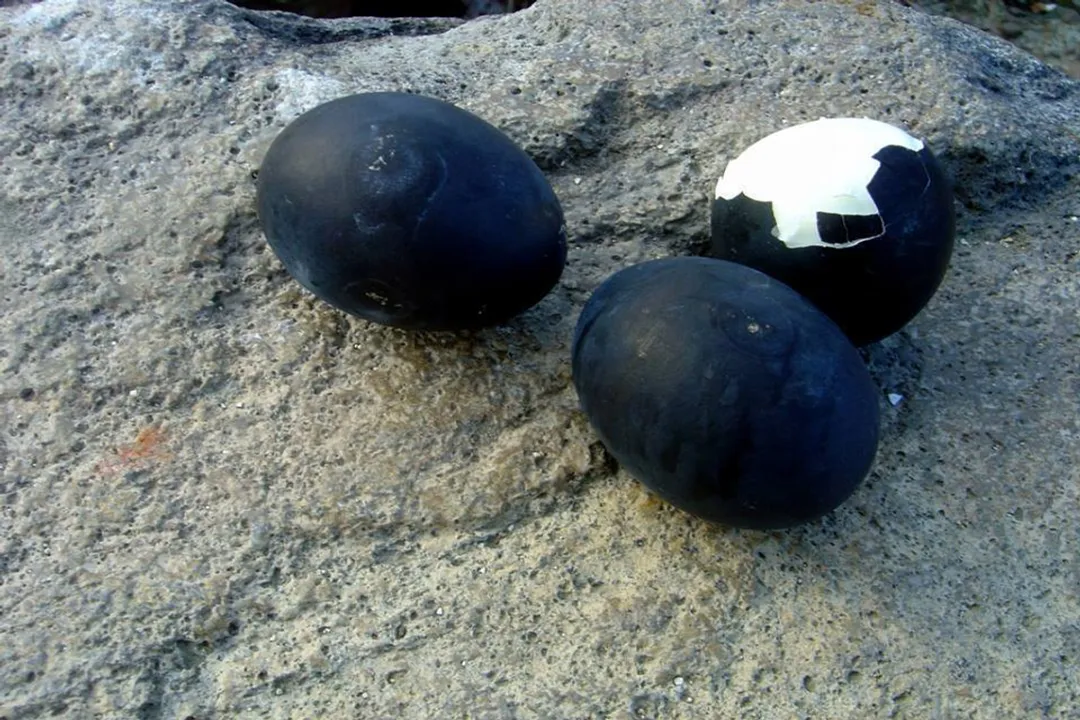
Interestingly, while the hyperpigmentation affects most tissues, the breed standard often notes an exception: the earlobes might sometimes appear white or bluish-white. [1][3] Furthermore, while the flesh is entirely black, the eggs they lay are not. Ayam Cemani eggs are typically cream-colored or slightly tinted, though they might have a faint, brownish speckling depending on the specific lineage and diet. [3][4] This contrast between the jet-black exterior and the surprisingly normal-looking eggshell is a small but notable deviation from their otherwise monolithic appearance. To truly appreciate the extent of the fibromelanosis, an owner might compare a cross-section of a drumstick from a Cemani to that of a standard white chicken; the difference is stark, illustrating that the pigmentation runs deep into the skeletal structure itself. [2]
# Physical Traits
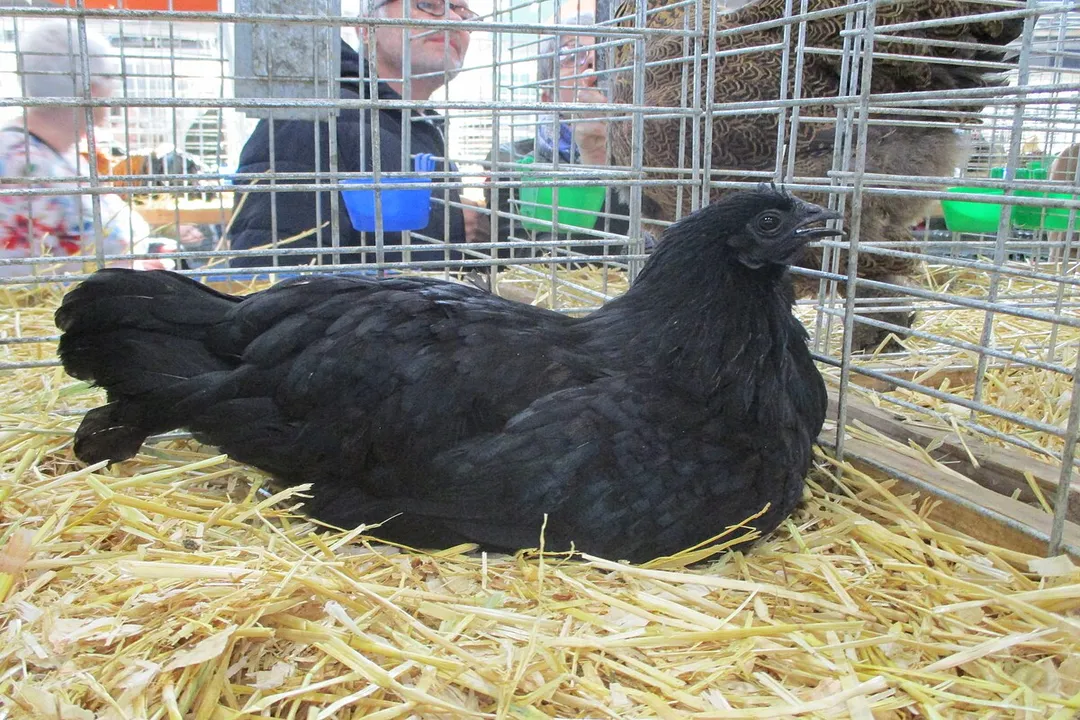
Aesthetically, the Ayam Cemani is described as an elegant, medium-sized bird with a distinct, upright posture. [1][4] They possess a single comb, which, along with their wattles and earlobes, should ideally also be black to meet the strictest breed descriptions. [3] They are slender birds, often displaying an almost glossy sheen to their black plumage, which catches the light beautifully. [4]
In terms of weight, roosters typically weigh around 4 to 6 pounds, while hens are slightly lighter, usually falling between 3 and 4 pounds. [3] They mature relatively quickly, reaching adult size within about 5 to 6 months. [1] When observing a purebred specimen, one often notices the deep black color extends to their shanks and feet, completing the intensely dark presentation. [4]
If you are evaluating a bird believed to be a purebred, it’s worth noting that some lines may exhibit slight variations. For instance, a bird that is otherwise perfectly black but possesses a pale comb or pale legs might indicate cross-breeding or simply a less dominant expression of the fibromelanosis gene in those specific traits, though some sources confirm that even purebreds can occasionally exhibit lighter earlobes. [1][3]

# Cultural Significance
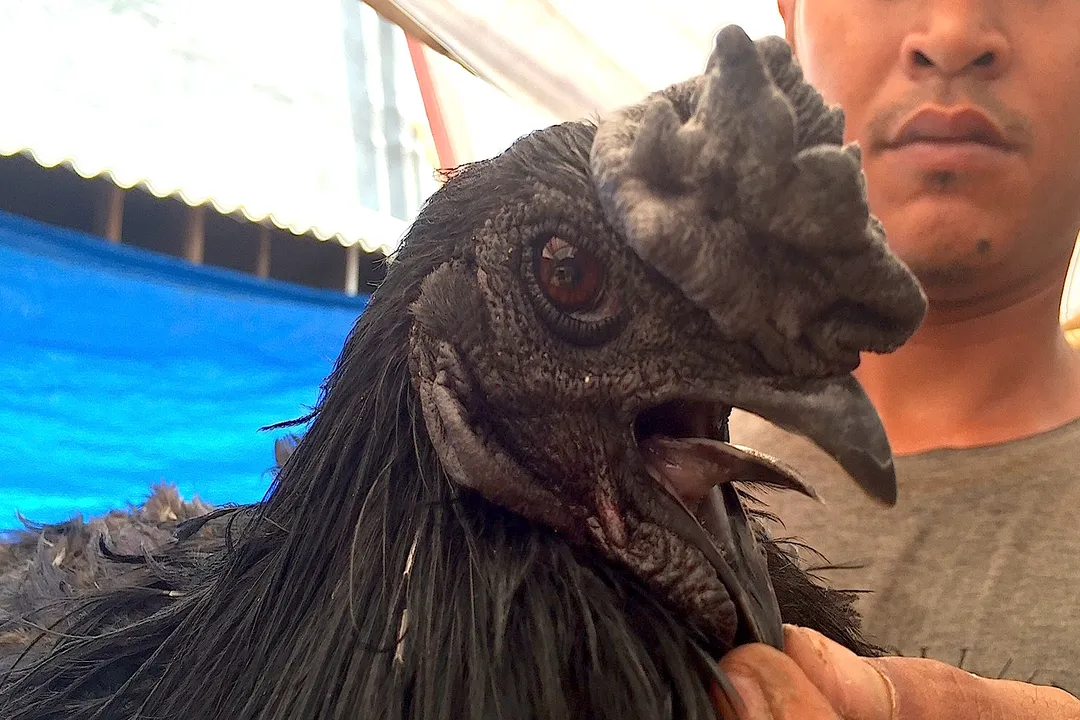
In their native Indonesia, particularly in Central Java, the Ayam Cemani holds a place far beyond that of a simple food source or farm animal; they are steeped in mysticism and folklore. [4][9] They are historically associated with magic and spiritual protection. [4] Some local beliefs suggest that owning these dark birds brings good luck, prosperity, or even supernatural protection to the household. [9]
These cultural associations explain, in part, why they were kept locally for so long without being widely exported, and why they commanded high prices even within Indonesia. [9] The belief system surrounding the bird meant that it was prized as much for its perceived power as for its physical characteristics. When an Ayam Cemani was first brought to the Netherlands in 1998 by a breeder named Jan Steverink, this mystique traveled with them, adding an element of exotic appeal to their global introduction. [7] This historical context suggests that for a keeper outside of Java, the value is purely ornamental and genetic, rather than tied to traditional spiritual uses.
# Keeping and Breeding
For the modern backyard poultry keeper, understanding the practicalities of raising Ayam Cemani is essential, particularly given their cost and reputation. [2] While they are indeed stunning to look at, they are generally considered reasonably hardy birds when raised in appropriate conditions. [4] They are described as relatively calm and generally good-natured, which makes them suitable pets for those who appreciate their unique aesthetic. [1][3]
When it comes to egg production, keepers should temper expectations. They are not high-yield layers. A typical hen might lay around 80 to 100 eggs per year, which is significantly lower than many commercial or popular heritage breeds known for prolific laying. [3] Furthermore, they can often be prone to broodiness, meaning they may frequently decide to sit on their eggs to hatch chicks rather than continuing to lay more. [3]
If breeding is the goal, one must be diligent about maintaining the purity of the line to ensure the desirable all-black traits are consistently expressed. Since fibromelanosis is dominant, pairing a pure Cemani with a non-pigmented bird will likely result in first-generation offspring that are physically black but genetically carry the gene recessively, or they might show slight physical dilutions. [2] This dominance simplifies the initial crossing but requires careful selection for true homozygosity (having two copies of the black gene) to guarantee that subsequent generations consistently exhibit the full spectrum of black features, including black bones and organs. [2] An interesting point for new breeders to consider is the cost-benefit analysis: the initial investment for quality breeding stock is high, and if the birds are used for meat, the consumer must be prepared for the psychological hurdle of consuming entirely black poultry, which is uncommon in Western culinary traditions. [5]

# Comparison and Status
The Ayam Cemani is often compared, visually, to the Silkie chicken because both have dark skin, but the Silkie carries a fluffy, distinct feather structure and is not entirely black internally, often having white bones. [2] The Cemani’s true distinction lies in its complete internal and external melanization, which sets it apart from other black-skinned breeds like the Svart Hona or the Kab-Ibo. [7]
Due to their rarity outside of Indonesia, their initial importation costs were substantial, sometimes running into the thousands of dollars for a single bird, making them one of the most expensive chicken breeds in the world. [9] While costs have moderated slightly as more flocks have been established globally, high-quality, proven breeding pairs remain a significant investment. [5] Their status has shifted somewhat from purely mysterious artifacts to highly sought-after ornamental poultry, valued by breeders focusing on rare genetics and unique aesthetics. [1][6] For someone looking to add a visually dramatic, conversation-starting bird to their collection, the Cemani fits the bill perfectly, provided they understand the moderate egg output and the specialized care needed to maintain genetic purity.
#Videos
Ayam Cemani: all about the all-black chicken - YouTube
Related Questions
#Citations
Ayam Cemani Chickens Ten Interesting Facts - Gypsy Shoals Farm
Ayam cemani facts you didn't know! - BackYard Chickens
Ayam Cemani Chicken Breed: The Complete Guide
Ayam Cemani Bird Facts - A-Z Animals
10 fun facts about ayam cemani - Facebook
Ayam Cemani - Wikipedia
Ayam Cemani: all about the all-black chicken - YouTube
Behold the most bewitching chicken on Earth - The World from PRX