Do Bolognese dogs have separation anxiety?
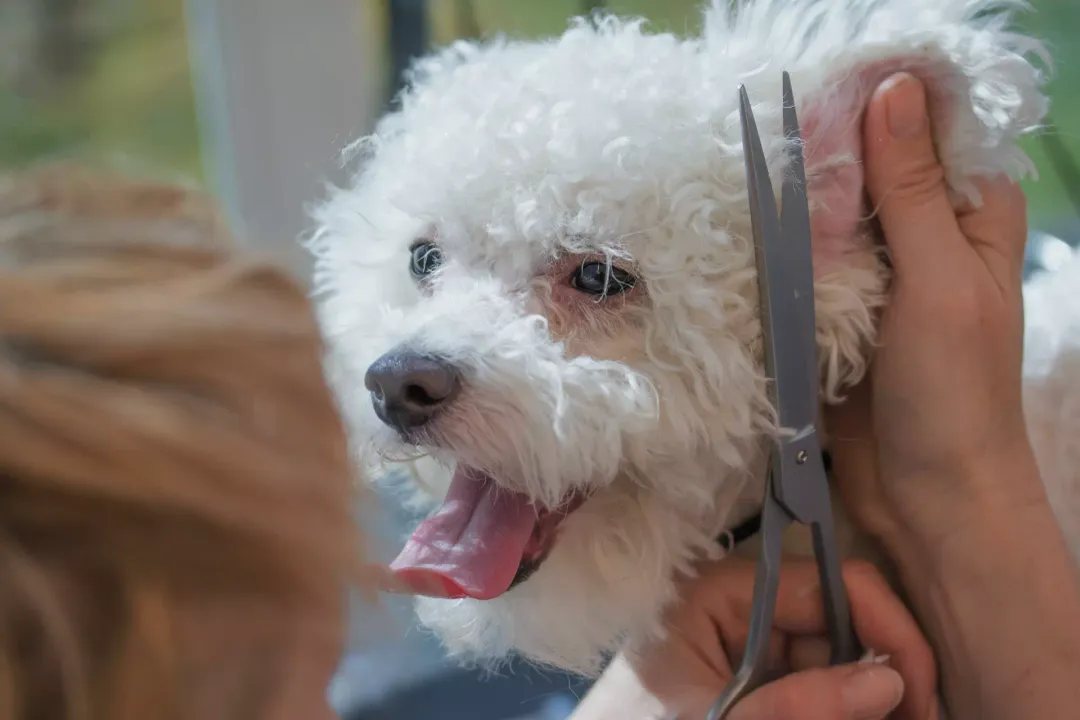
The Bolognese, often called the Bolo, is renowned for being an intensely devoted companion dog, a trait deeply rooted in its centuries-old history among Italian nobility. This deep attachment to their people leads many owners and breed experts to ask whether these small, white, fluffy dogs are prone to separation anxiety. The consensus drawn from breed profiles is affirmative: Bolognese dogs have a significant tendency toward separation anxiety when they are left alone for extended durations. They are sometimes affectionately labeled "Velcro dogs" precisely because of this profound desire to remain close to their chosen human.
# Historical Companionship
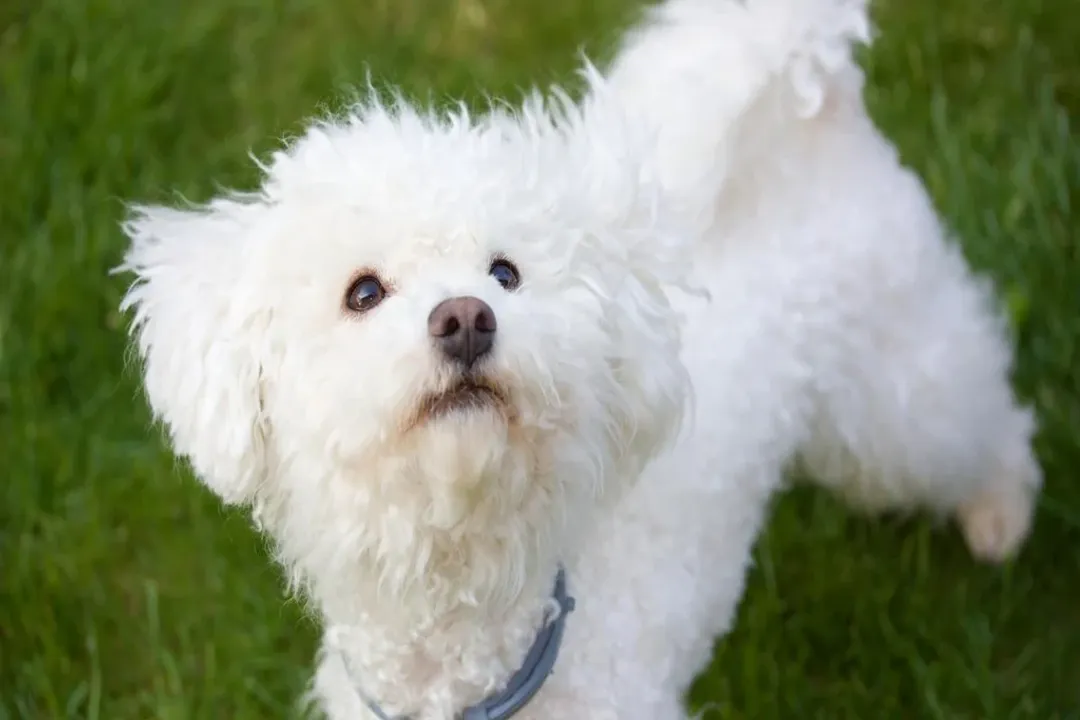
To understand this propensity for distress when separated, one must look at the breed’s lineage. The Bolognese originated in Bologna, Italy, as far back as the 11th century. Unlike many working breeds, the Bolo was selectively bred for one primary purpose: companionship. This dog was a favorite of aristocracy, frequently gifted between royal and noble families, suggesting its value was tied directly to its presence and affectionate nature, not its utility in hunting or herding. This history has cemented a core genetic blueprint in the breed that thrives on human interaction and closeness. They are described as choosing a favorite human and wanting to be by that person’s side every moment.
# Temperament Basis

The temperament of the Bolognese supports this need for constant company. They are generally characterized as playful, earnest, intelligent, and above all, loyal. While they possess a calm and docile demeanor overall, they are sensitive and deeply bonded to their families. This strong bond means that when the source of their affection departs, the resulting emotional shift can manifest as anxiety.
Bolognese dogs are not generally known as nuisance barkers, possessing a deeper sound than some small breeds might. However, when loneliness strikes, this voice can become a persistent alarm; they can bark incessantly if separation anxiety takes hold. Their sweet-natured disposition and willingness to please mean they often pick up training quickly, but this intense focus can turn inward when left unsupported. They can also exhibit shyness or reservation around strangers, though proper, early socialization helps them warm up quickly to new people.
# Lifestyle Conflict
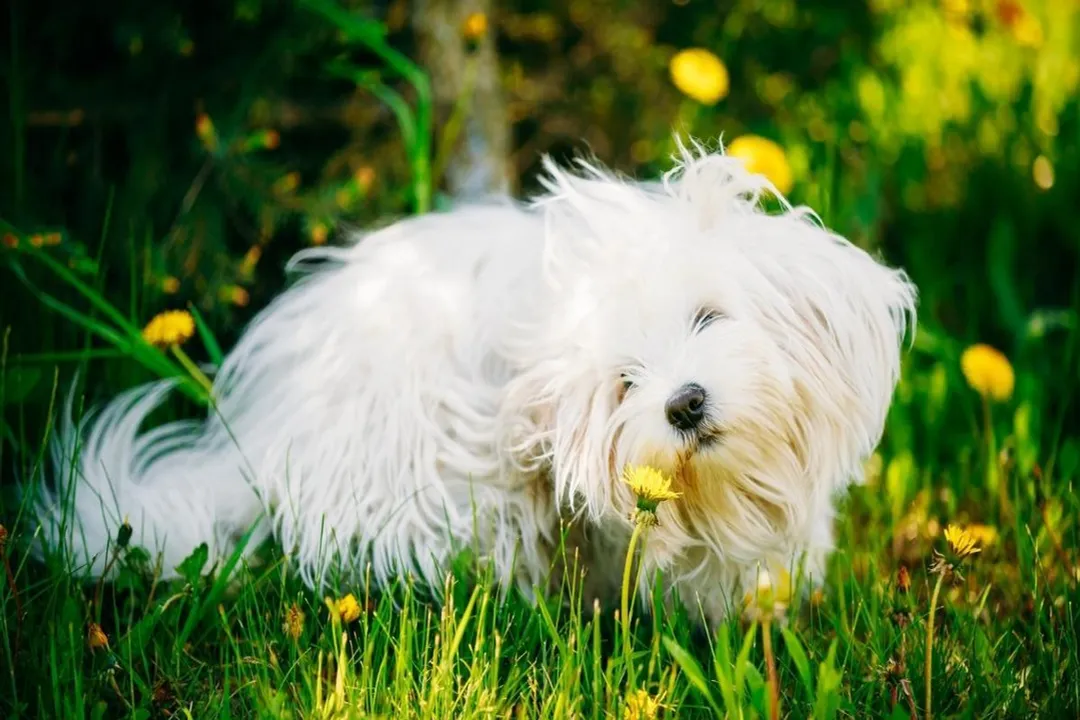
The essential nature of the Bolognese presents a classic lifestyle conflict for modern pet owners. On one hand, they are praised for having low exercise needs, often satisfied with short, leashed walks or gentle backyard play, sometimes as little as 30 minutes once or twice daily. They adapt well to apartment living, making them suitable for retirees or those not seeking a high-octane canine partner.
However, this very trait—the low physical demand—can inadvertently contribute to anxiety. A high-energy dog might occupy itself with an intense solo run or complex physical tasks, but the Bolognese, once their moderate exercise requirement is met, is content to relax near their owner. If the owner is absent, this relaxation turns into focused waiting. For owners working a standard full-time schedule, the Bolognese is explicitly described as not suitable, as they "suffer greatly if they are left alone for a long time". When the dog is not receiving the human attention it was bred for, boredom and loneliness become primary drivers of distress, leading to destructive behaviors such as chewing furniture or urinating in the house.
It is important to note that some behavioral issues, including apparent separation anxiety, must be differentiated from a lack of basic training. Before diagnosing profound fear of abandonment, owners should confirm the dog fully understands appropriate house manners, such as house-training protocols, even when unsupervised.
# Manifestations of Distress
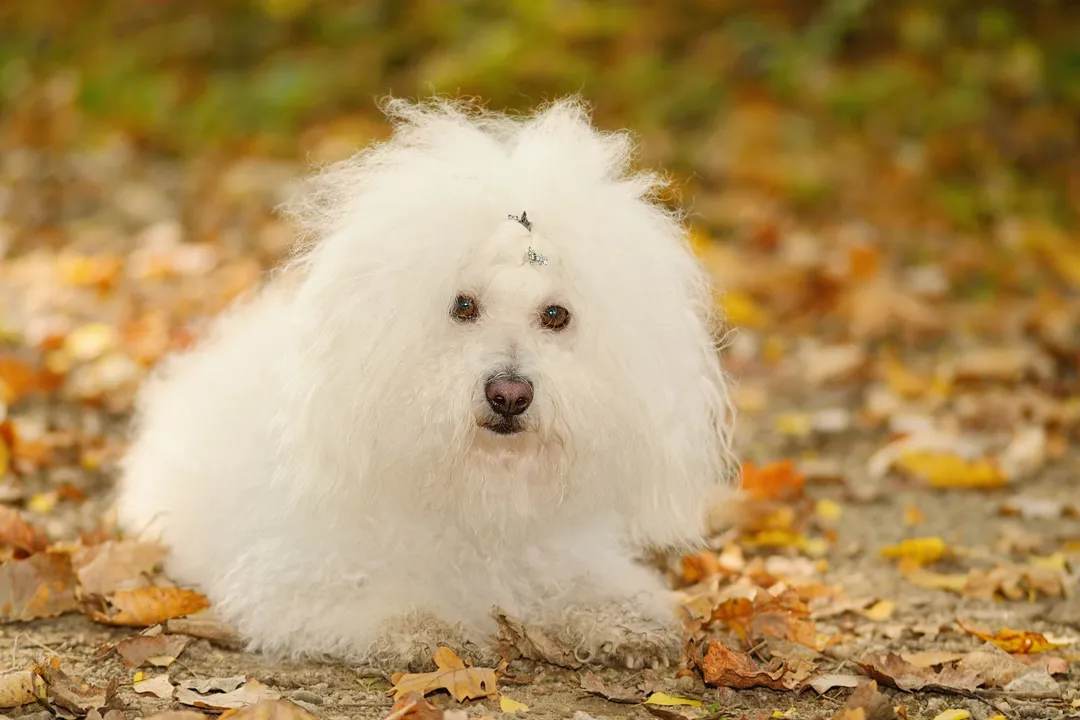
When a Bolognese develops separation anxiety, the outward signs can range from mild to severe. The breed is prone to destructive behavior, which can include chewing. Vocalization, specifically incessant barking, is another reported symptom. For this breed, the anxiety is a consequence of genuine worry about abandonment, not just simple mischief or boredom.
While many symptoms overlap with generalized anxiety or boredom, specific behaviors related to the dog’s immediate environment upon the owner’s return are key indicators. These might include accidents in the house, even if toilet trained, or the destruction of items linked to the owner’s departure, like shoes or doorknobs. Given their small stature and potentially fragile bones, owners must be vigilant to prevent them from injuring themselves during a panic episode.

# Alleviating Solitude Stress
Since the Bolognese is genetically predisposed to companionship, managing their solitude requires consistency and proactive effort from the owner. These methods are focused on retraining the dog’s association with the owner’s absence from a terrifying event to a neutral or even positive one.
# De-Escalating Departure Cues
A crucial management technique involves breaking the connection between pre-departure rituals and rising anxiety levels. This is where a systematic approach becomes invaluable.
Here is a protocol to practice daily that deliberately desensitizes the dog to your routine:
- Environmental Cue Blurring: Practice picking up your keys, putting on your coat, or grabbing your wallet without leaving the house. Do this multiple times, then put the items down and continue your activity. The goal is to remove the significance of these objects as predictors of solitude.
- Vary Entry/Exit Points: Occasionally use a side door or garage entrance for leaving or returning, rather than the usual front door, further confusing the dog’s anticipation triggers.
- The Quiet Exit: When it is actually time to leave, keep the farewell brief and emotionally neutral. Avoid overly effusive goodbyes, as these heighten the dog’s sense of occasion and dread. A quiet, gentle verbal goodbye is preferable.
- The Delayed Return: When you return home, ignore your dog briefly until they have calmed down from their initial excitement. Offer a quiet "hello" and wait a few moments before engaging in physical affection. This reinforces calm behavior upon your return, rather than rewarding frantic greeting behavior.
# Occupying the Mind
Mental engagement is just as vital as physical exercise for this intelligent breed. Providing enrichment items should be standard practice anytime the dog is alone, even if only for a short errand. Puzzle toys and food puzzles are excellent tools to redirect focus away from the departure. If the dog is given a high-value, long-lasting chew or treat only when you leave, they begin to associate your absence with a special reward.
Furthermore, owners can start building comfort with separation while they are still home. This involves training the dog to be settled in their designated space—like a crate or personal bed—even when the owner is only moving between rooms, such as cleaning or watching television. Start with very short intervals, perhaps five to ten seconds, and gradually increase the time spent apart over weeks.
For an added layer of comfort, some owners provide the dog with an item that carries their scent, like a worn piece of clothing, which can serve as a soothing proxy when the dog is settling down alone.
# Considering External Support
For Bolos whose anxiety remains severe despite consistent behavior modification, medical consultation is warranted. Medication, in conjunction with behavioral training, can sometimes help a dog reach a threshold where training can be effective, allowing them to process short periods of solitude without panic. Consulting a veterinarian or a veterinary behaviorist is the recommended first step if self-directed training seems insufficient.
Finally, because this breed thrives on company, some owners find success by ensuring the dog has social interaction while they are gone. While doggie daycare might work occasionally, frequent use is not ideal; however, ensuring the dog interacts positively with other pets or trusted individuals during the day can break up long stretches of isolation. A well-socialized Bolo gets along well with other dogs, and having canine company can mitigate the feeling of being utterly alone.
# Commitment and Lifestyle
The Bolognese breed offers incredible affection, docility, and a low-shedding coat, making them wonderful companions for seniors, singles, or families with respectful children. They are intuitive dogs that require a quiet, stable environment. The very traits that make them such devoted lap dogs—their intense focus on their owner and history as constant companions—are the same traits that make them highly susceptible to separation anxiety. Prospective or current owners must honestly assess their lifestyle; a home where the dog is left alone for eight to ten hours daily is likely incompatible with the emotional well-being of this breed. Providing attention, routine, and implementing specific management techniques will be key to ensuring this loving companion feels secure and content, whether you are on the couch beside them or stepping out for a necessary errand.
Related Questions
#Citations
Bolognese Facts - Dog Breeds - Wisdom Panel
Bolognese Dog Characteristics
Bolognese Dog Breed Information & Characteristics - Potty Buddy
9 Indoor Activities To Help Your Bolognese Dog
Understanding the Bolognese Temperament - Houndsy
Bolognese | Dog Breed Facts and Information - Wag! Dog Walking
Bolognese Dog (Bolo): Breed Characteristics & Care
Bolognese dog breed information | Noah's Dogs