What are the downsides of Japanese Spitz?
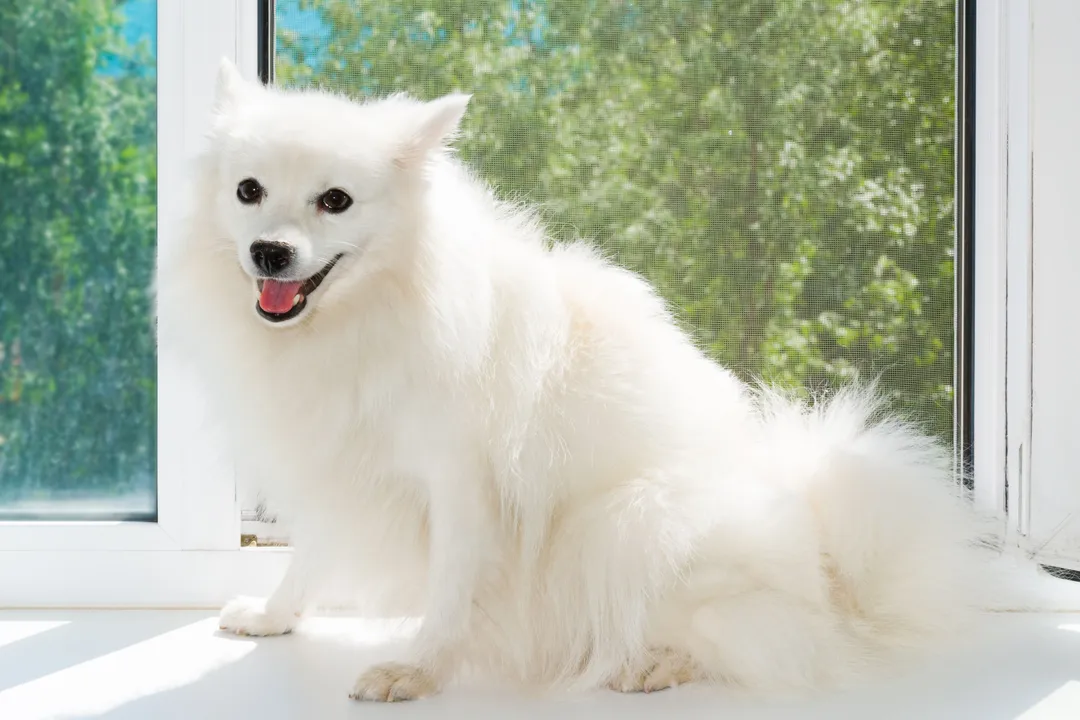
The Japanese Spitz, with its cloud-like white coat and perpetually cheerful expression, presents an image of pure canine elegance, which often leads prospective owners to overlook the realities of their care. While their charming demeanor is frequently praised, understanding the potential challenges associated with this breed is essential for responsible ownership, ensuring that the relationship remains mutually rewarding rather than frustrating. These dogs are not just decorative accessories; they come with specific needs regarding vocalization, maintenance, and emotional attention that require dedicated owners. [1][5]
# Vocal Nature
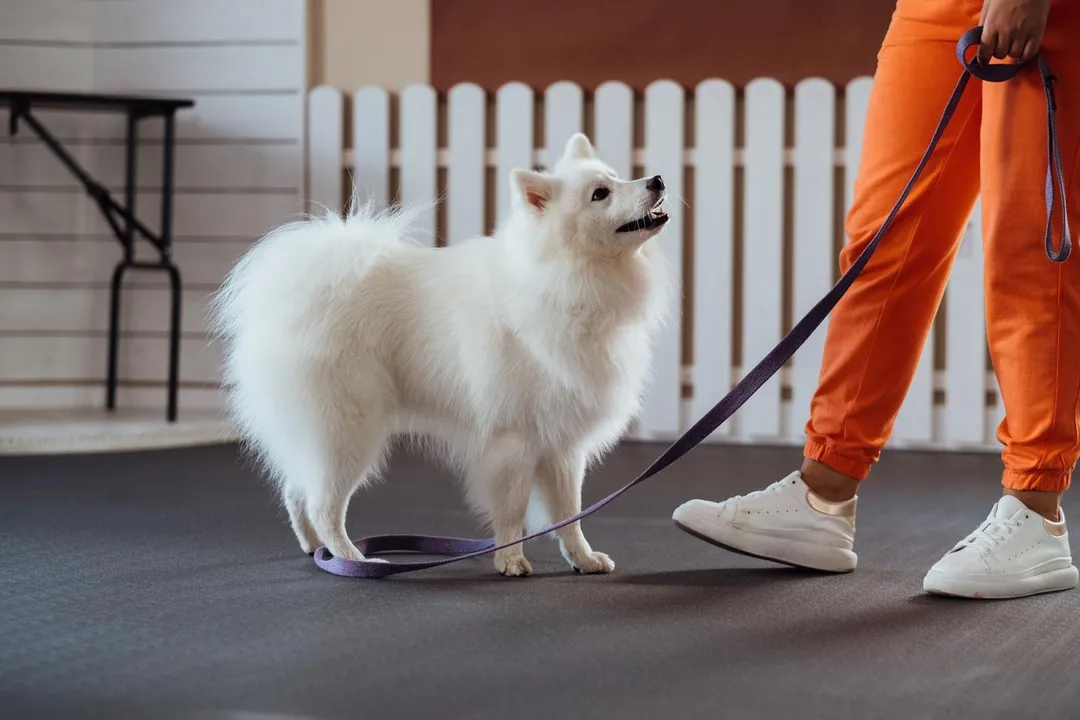
Perhaps the most frequently cited downside involves their tendency to be quite vocal. Japanese Spitz are alert dogs and often serve as natural watchdogs, meaning they readily bark to announce anything they perceive as out of the ordinary. [4] This can translate into a high frequency of barking if not managed early on. [1] Owners have noted they will often bark at strangers, other dogs, or even just things they see out the window. [2]
For those living in apartments or close-quarter suburban settings, this characteristic requires diligent training from puppyhood. A simple alert bark might be one thing, but a constant chorus responding to every passing car or squirrel can quickly strain neighborly relations. [2] Successfully managing this trait involves early socialization to noise and consistent training that teaches the dog when silence is preferred over alerting. [1] It’s important to recognize that their sensitivity to environmental changes often fuels this behavior; if the dog is barking due to boredom or anxiety, addressing the root cause becomes more effective than merely punishing the noise itself. [7] In densely populated areas, anticipating and proactively counter-conditioning sounds—such as playing white noise or classical music during peak outdoor activity times—can be a necessary daily routine to keep the peace. [9]
# Coat Management
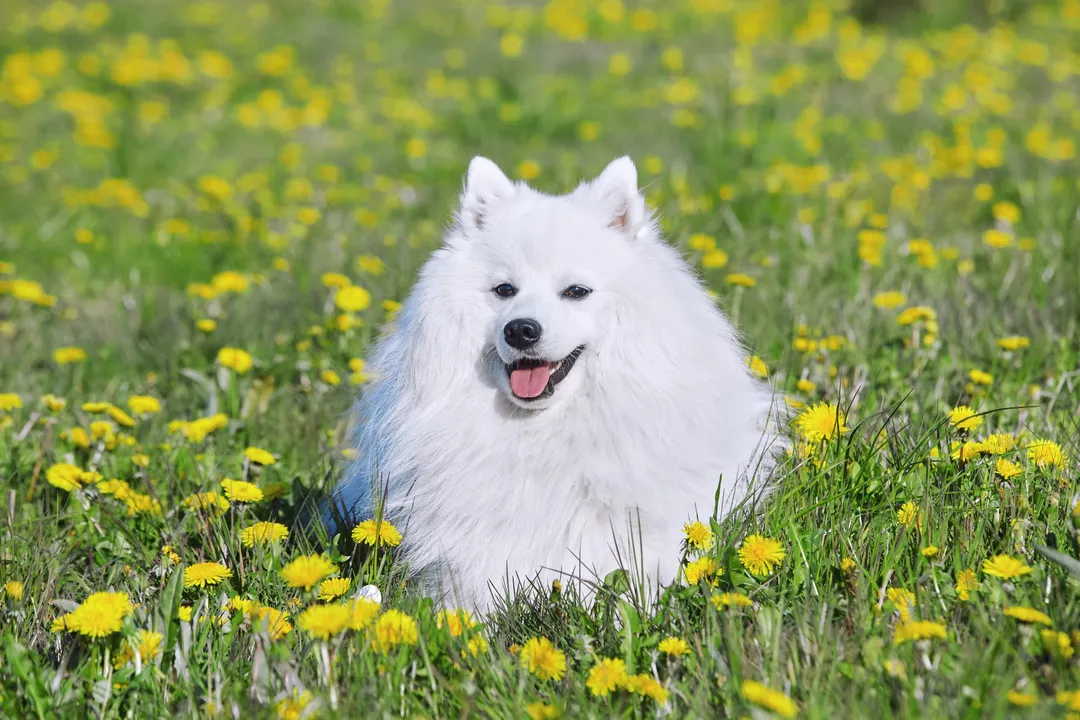
The famous, beautiful white coat is a double-edged sword demanding consistent grooming effort. The Spitz possesses a thick, dense double coat designed for cold climates. [5] While they don't typically require daily trimming or professional clipping, they do shed moderately year-round, with heavy seasonal "blowouts". [6]
When they "blow their coat," often twice a year, the volume of hair released can be astonishing. [1] If this dead undercoat is not diligently brushed out, it can quickly lead to painful matting, which can pull on the skin and necessitate shaving the area, thereby ruining the coat's texture temporarily. [5] Many owners stress the importance of brushing several times a week, if not daily, to keep the coat manageable and minimize shedding inside the home. [1] Compared to breeds that require professional haircuts every six to eight weeks, the Spitz’s challenge is less about clipping skill and more about the sheer, unending volume of loose fur that needs removal through thorough brushing—a process that can take significant focused time when the seasonal shedding hits full swing. [7] If you are not prepared for white tumbleweeds to appear regularly, this high-maintenance fluff factor may be a dealbreaker. [2]

# Emotional Needs
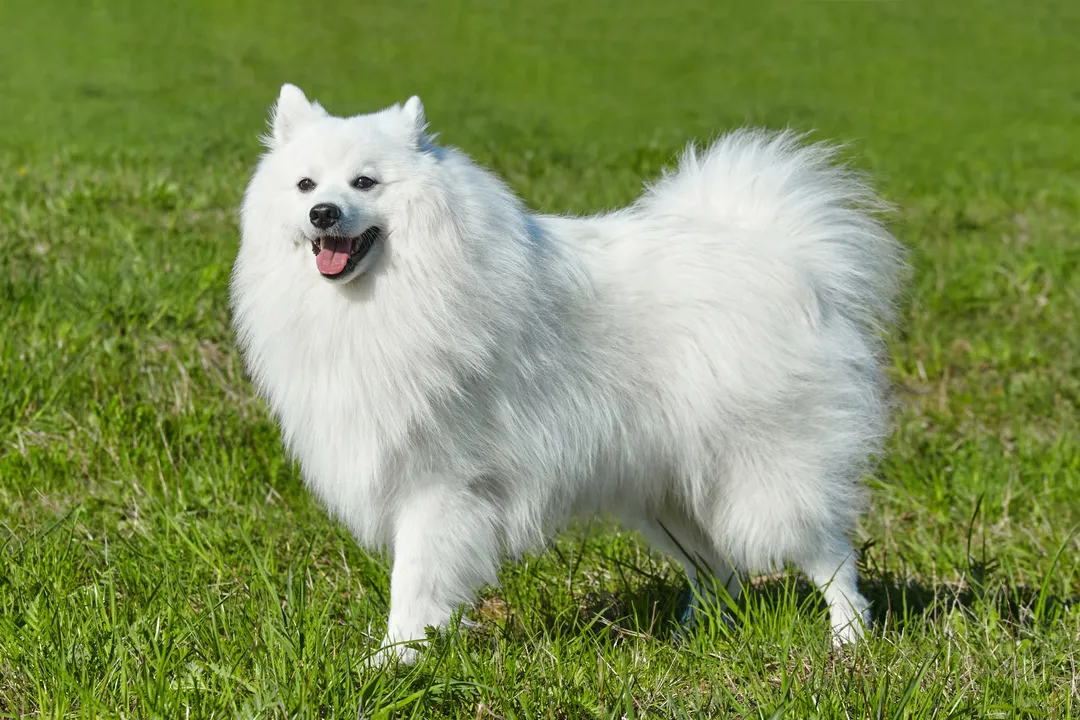
These dogs thrive on human companionship and are not well-suited to being left alone for long periods. Japanese Spitz can be very people-oriented and often form deep bonds with their families. [4] This attachment can manifest negatively as separation anxiety when they are isolated. [4]
When separation anxiety sets in, it often compounds the barking issue, as the dog vocalizes distress rather than just alertness. [1] Owners must be prepared to either integrate the dog into their daily lives or commit to providing extensive mental stimulation and gradual desensitization training if leaving them alone is unavoidable. [4] A Spitz is often happiest when actively involved in family activities, meaning they are better suited for households where someone is home for a significant portion of the day, or where they can accompany their person on many outings. [9] They do not generally do well if crated all day while their family is out working. [2]
# Training Stubbornness
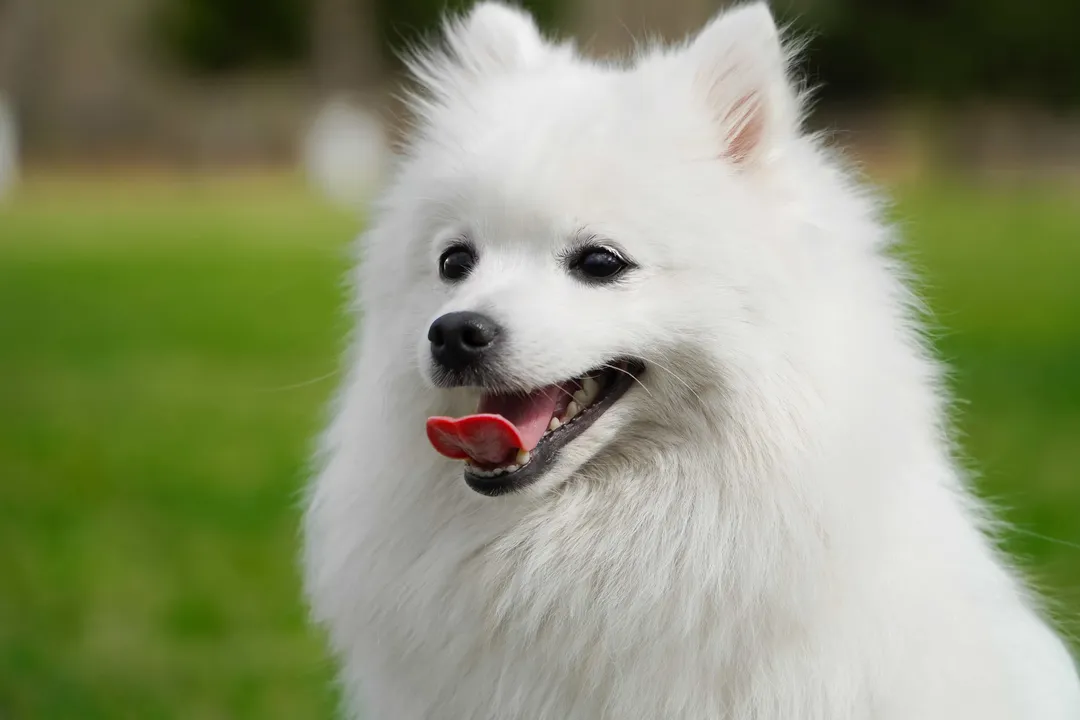
While intelligent, the Japanese Spitz is sometimes characterized as having an independent streak or being strong-willed when it comes to training obedience. [4] They are not always eager to please in the way a Golden Retriever might be; they often require a degree of motivation and consistency to comply with commands. [1]
Positive reinforcement techniques work best, but owners must be firm and clear because the Spitz can quickly figure out how to manipulate situations to get what they want. [4] If training sessions become tedious or repetitive, the dog may simply opt out, which can be frustrating for a new owner expecting immediate, flawless recall. [4] Their intelligence means they learn quickly, but their independence dictates whether they choose to perform the learned behavior on command. [5] This makes early socialization and obedience classes important, not just for manners, but for establishing clear communication lines with the handler. [5]

# Energy Levels and Boredom
Although they are smaller dogs, they possess moderate energy levels and require daily exercise to stay happy and well-behaved. [5][6] A short walk around the block might satisfy their basic physical needs, but they also require mental engagement to prevent destructive habits from developing. [1]
When a Spitz is bored, it often redirects that excess energy into undesirable activities, which can include excessive barking, digging, or chewing. [2] Because they are such alert dogs, mental stimulation related to guarding or watching can become overactive if not channeled correctly. Providing puzzle toys, short training sessions focused on new tricks, or structured play can help burn off the mental steam that keeps them quiet. [5] If an owner is looking for a low-energy lap dog that requires minimal activity, the Spitz might prove to be surprisingly demanding in this regard. [4]
# Potential Health Concerns
While generally considered a hardy breed, like all purebred dogs, the Japanese Spitz is prone to certain inherited health issues that potential owners should be aware of. [6] One concern often noted is patellar luxation (slipping kneecaps). [6] Another area to monitor relates to their bright eyes; they can sometimes be prone to eye problems. [5]
Responsible breeders screen for these issues, but prospective owners should inquire about the health testing done on the parents of any puppy they consider. [6] While the average lifespan is quite respectable, often ranging from 12 to 16 years, [5] being proactive about veterinary check-ups, especially regarding joints and eyes, is an important consideration in the long-term cost and commitment of ownership. [1]

# Considerations for First-Time Owners
The combination of high vocalization, demanding grooming, and the need for consistent training means the Japanese Spitz is often better suited for owners who have prior experience managing dog behavior or who are prepared to dedicate significant time to education and management. [4][5] They are not a breed that easily tolerates neglect or inconsistent rules. For example, allowing a puppy to bark excessively at the door for the first few months, only to suddenly try to enforce silence when they are older, rarely works with this sensitive and intelligent breed. [9] A successful experience hinges on understanding their Spitz heritage—alert, fluffy, and decidedly opinionated companions that require structure built on positive association rather than force.
#Videos
JAPANESE SPITZ - PROS & CONS - YouTube
Related Questions
#Citations
Japanese Spitz pros and cons : r/JapaneseSpitz - Reddit
JAPANESE SPITZ - PROS & CONS - YouTube
What are the pros and cons of owning a Japanese Spitz as a family ...
Japanese Spitz Dog Breed Health and Care - PetMD
Japanese Spitz: Dog Breed Characteristics & Care - The Spruce Pets
So.. after doing a ton of research on dog breeds for the past 6 ...
Japanese Spitz vs Pomeranian: Detailed Breed Comparison