Do German Spitz get cold?
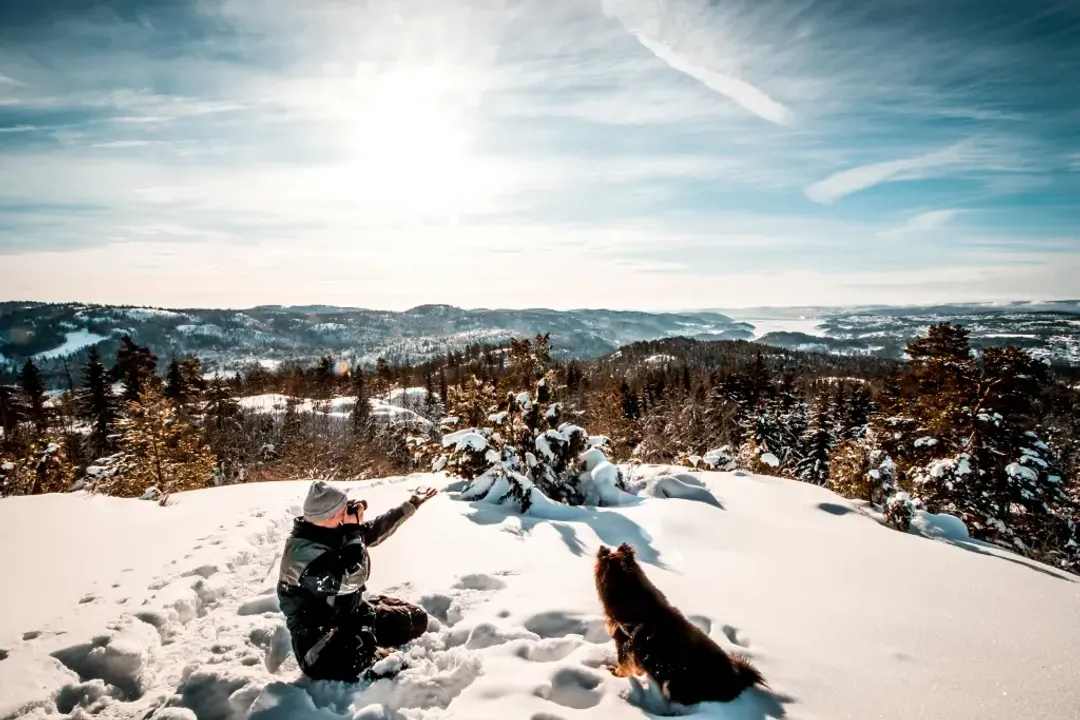
The German Spitz designation covers a fascinating spectrum of dogs, meaning a simple yes or no answer to whether they get cold is impossible without looking closer at the specific size variation we are discussing. These dogs are classified as an ancient breed group, sharing roots with many Northern dogs known for their cold-weather capabilities. However, just like any family, the members within the German Spitz lineage have distinct needs shaped by their stature and coat density. Understanding where your particular Spitz falls within the recognized classifications is the first step in assessing their winter resilience.
# Size Variation
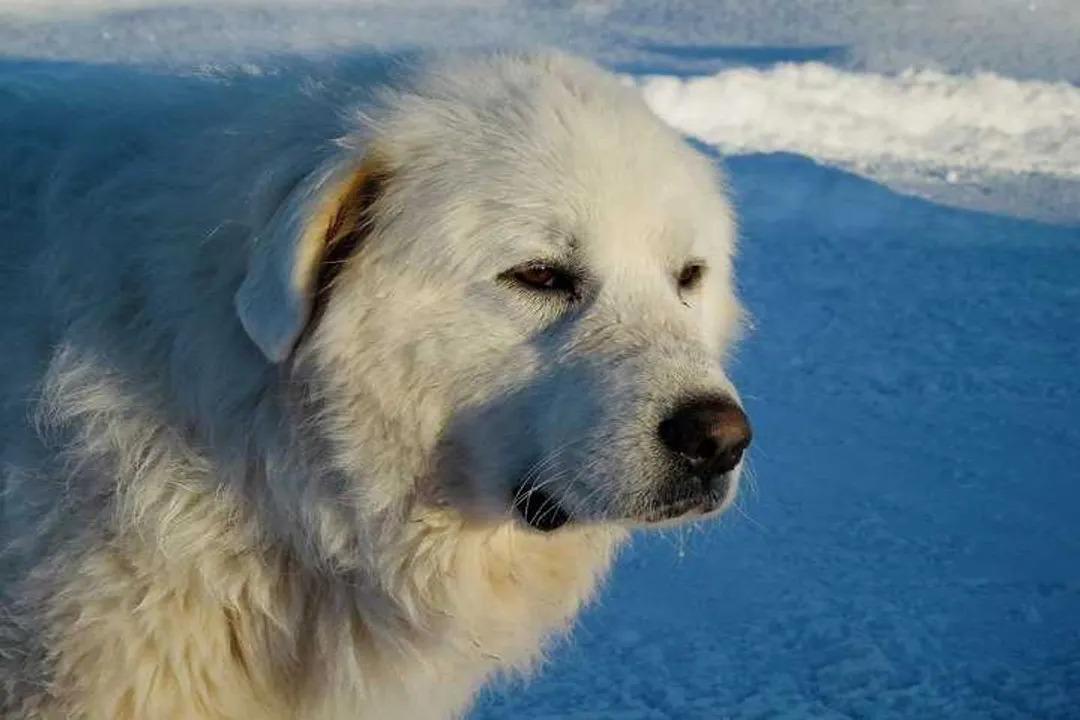
The defining characteristic that dictates a German Spitz’s ability to handle low temperatures is its size, as the breed standard recognizes five distinct types. These range from the largest, the Wolfspitz (often known internationally as the Keeshond), down through the Giant, Medium, and Miniature Spitz varieties, concluding with the tiniest member, the Toy Spitz, famously known as the Pomeranian.
The sheer difference in body mass and surface area between a Giant Spitz, which might weigh upwards of 55 pounds, and a Toy Spitz, often under seven pounds, creates vastly different physiological responses to the environment. Larger dogs possess a greater volume-to-surface-area ratio, meaning they retain core body heat more efficiently than their smaller cousins. This fundamental principle of canine thermoregulation plays a huge role in determining how quickly a German Spitz will feel the chill creeping in.
# Coat Insulation

Most German Spitz breeds share the hallmark of their lineage: a thick, abundant double coat. This coat is not just for show; it is nature's insulation system, composed of a dense, soft undercoat designed to trap air and provide warmth, topped by a longer, harsher outer coat that sheds snow and moisture.
For the larger varieties—the Wolfspitz and Giant Spitz—this luxurious coat often provides substantial protection in typical winter conditions, much like their distant relatives, the hardier Northern breeds. Their size combined with this thick layer means they are generally well-equipped to handle moderate cold, provided their coat is kept in good condition.
When discussing grooming, it is vital to remember the purpose of the coat. The shedding of the undercoat twice a year requires diligent brushing to prevent matting, which can actually compromise the insulating qualities. A key consideration when owners plan outdoor activities in wet or snowy weather, regardless of the ambient temperature, is moisture saturation. If the undercoat becomes soaked—say, from playing in deep, wet snow or rain mixed with cold—the trapped air pockets collapse. A wet Spitz is a cold Spitz because the coat loses its primary insulating barrier against the cold air, regardless of whether the air is just slightly above freezing or well below it. This loss of loft due to moisture penetration can make even a typically hardy dog feel the cold quickly.
# Pomeranian Chill
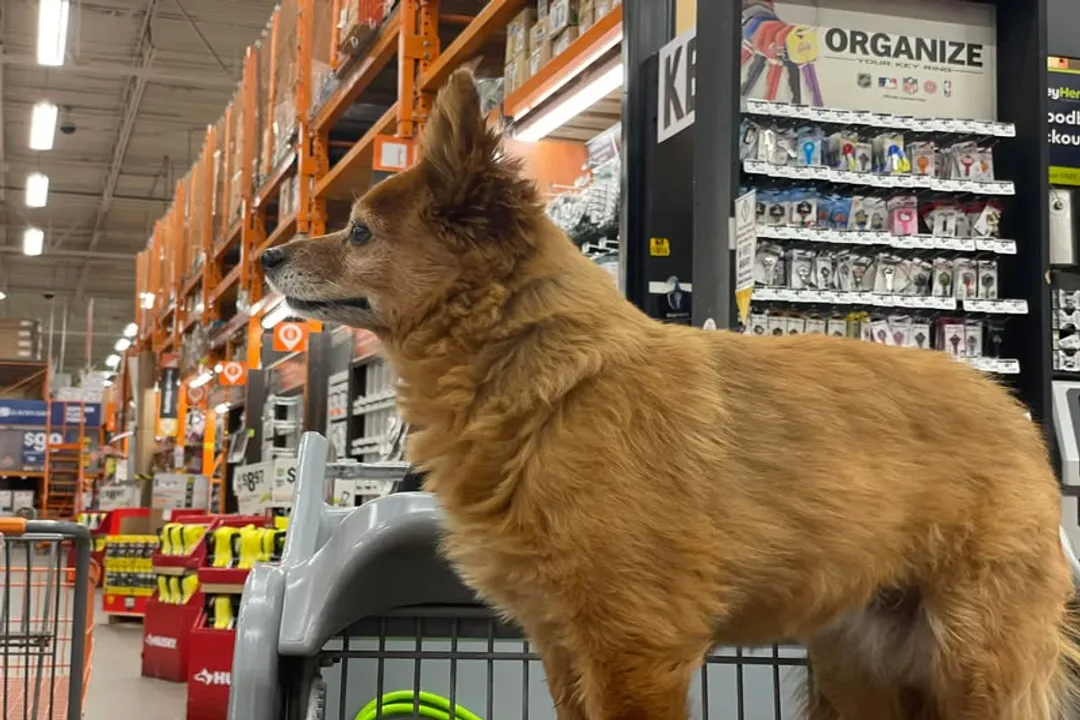
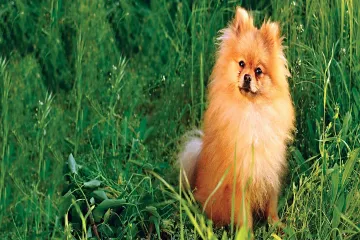
The Toy or Pomeranian variety presents the most immediate concerns regarding cold tolerance within the German Spitz family. Because of their diminutive size, they have less body mass to generate heat and a greater relative surface area from which heat can escape quickly. While they still possess the double coat, it is less voluminous in comparison to their body size than on a Giant Spitz, and their small paws are closer to the frozen ground.
Owners of Pomeranians often report limiting their outdoor excursions when temperatures drop significantly. While they are spirited dogs that enjoy activity, short bursts of outdoor time are often preferable to long, drawn-out walks when the mercury sinks into the teens or lower. For these smallest members, external protection often becomes a necessity rather than a luxury.
To put this into perspective, imagine two Spitz dogs standing outside in similar conditions: a 50-pound Giant Spitz might happily trot along for a 30-minute walk in 35°F weather with no issues. A 5-pound Pomeranian, while active, might start seeking to return indoors after just 10 minutes in that same temperature, as their internal thermostat struggles to compensate for the rapid heat loss. Knowing your dog’s physical profile helps guide these decisions.
# Northern Kinship
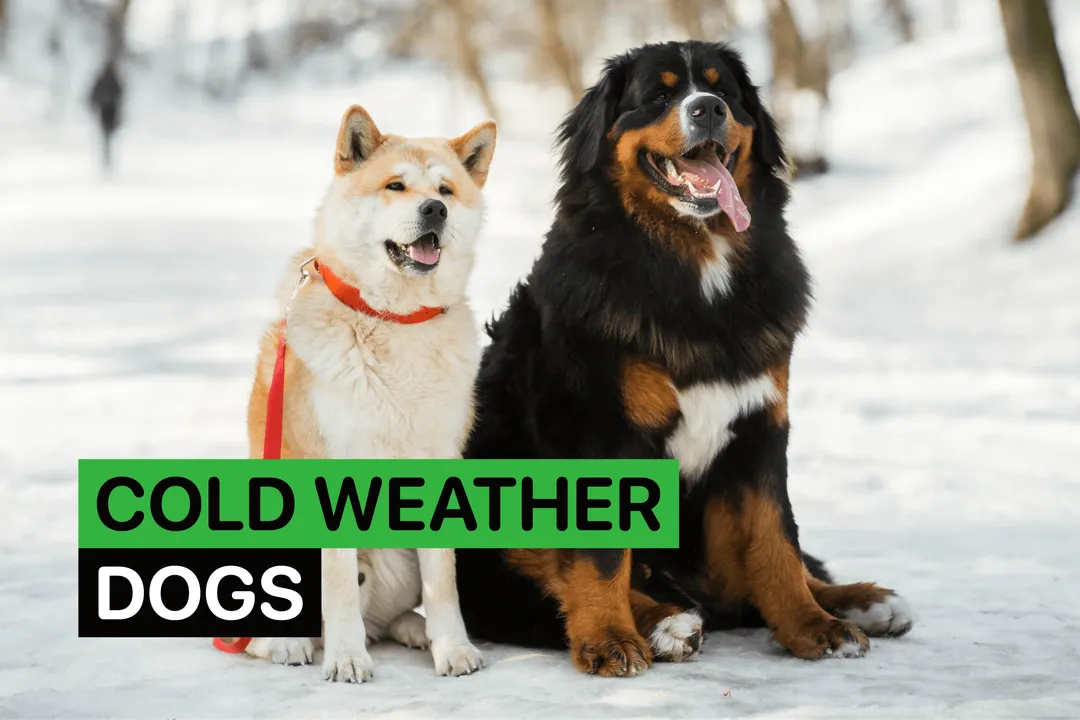
It is often helpful to compare the German Spitz to the breeds they are often grouped with, such as the true Arctic and Nordic dogs like the Samoyed, Alaskan Malamute, and Siberian Husky. These Northern breeds were specifically developed over centuries to withstand extreme, sustained Arctic conditions, often requiring minimal coats compared to what one might expect, due to their extreme hardiness.
While German Spitz share ancestry with these cold-weather champions, they were developed in a climate that, while certainly experiencing winter, was generally milder than the deep North. Therefore, while a German Spitz certainly has genetic resilience against cold, they do not necessarily possess the same inherent, near-invulnerability to sub-zero temperatures that a Northern sled dog exhibits. They are built for European winters, not Antarctic expeditions.
# Winter Care Tips
Managing a German Spitz in winter requires a proactive approach focused on protection, monitoring, and appropriate gear selection based on the dog’s size.
Here are a few practical considerations for keeping them comfortable:
- Gear Selection: For the Miniature and Toy varieties, purchasing a well-fitting, insulated sweater or coat is highly recommended for walks exceeding ten minutes when the temperature is below 40°F (about 4°C). Ensure the garment covers the chest and belly area for maximum warmth. For the larger Spitz types, coats are rarely necessary unless the dog is elderly, ill, or the temperature drops significantly below freezing for extended periods.
- Paw Protection: While their thick foot pads offer some defense, walking on salted sidewalks or roads can cause painful cracking and chemical burns. Using dog-safe paw waxes or booties during winter walks is essential protection against de-icing chemicals and ice buildup between the toes, regardless of the breed size.
- Monitoring Body Language: Owners must be trained to read subtle cues. Shivering is an obvious sign, but subtle behaviors like holding paws up intermittently, tucking the tail tightly around the body, or excessive reluctance to move forward on a walk are all indicators that the dog is feeling the cold bite and needs to go inside immediately.
- Indoor Temperature Management: Even the largest Spitz enjoys a warm home, but owners of smaller dogs should be mindful that rapid shifts from a heated indoor environment to the outside air can also cause discomfort. Allowing a brief moment by the door to acclimate can sometimes prevent immediate shock to the system.
Ultimately, a German Spitz can get cold, especially the smaller members of the family or when conditions involve wet snow, freezing rain, or wind chill coupled with low temperatures. Their natural protective coat is excellent, but it has limits that vary dramatically between a large Keeshond and a tiny Pomeranian. Providing the right level of protection based on size and environment ensures they can enjoy their spirited nature throughout the colder months without unnecessary distress.
Related Questions
#Citations
German Spitz Facts - Wisdom Panel™ Dog Breeds
Shaved spitz: temperature regulation and health concerns - Facebook
Your Complete Guide to Winter Dog Breeds - Woofz
Do you guys still take your poms for walks when it's cold outside ...
Guide to Spitz Dog Breeds: Arctic Dogs to Know - Trupanion
Reasons Why Northern Breeds Rock Cold Weather
The 9 Best Dog Breeds for Cold Weather - Orvis News
Grooming — ORIGINS GERMAN SPITZ
Cold Weather Dogs: 21 Breeds That Love Winter