What is the downside of Shar Pei?
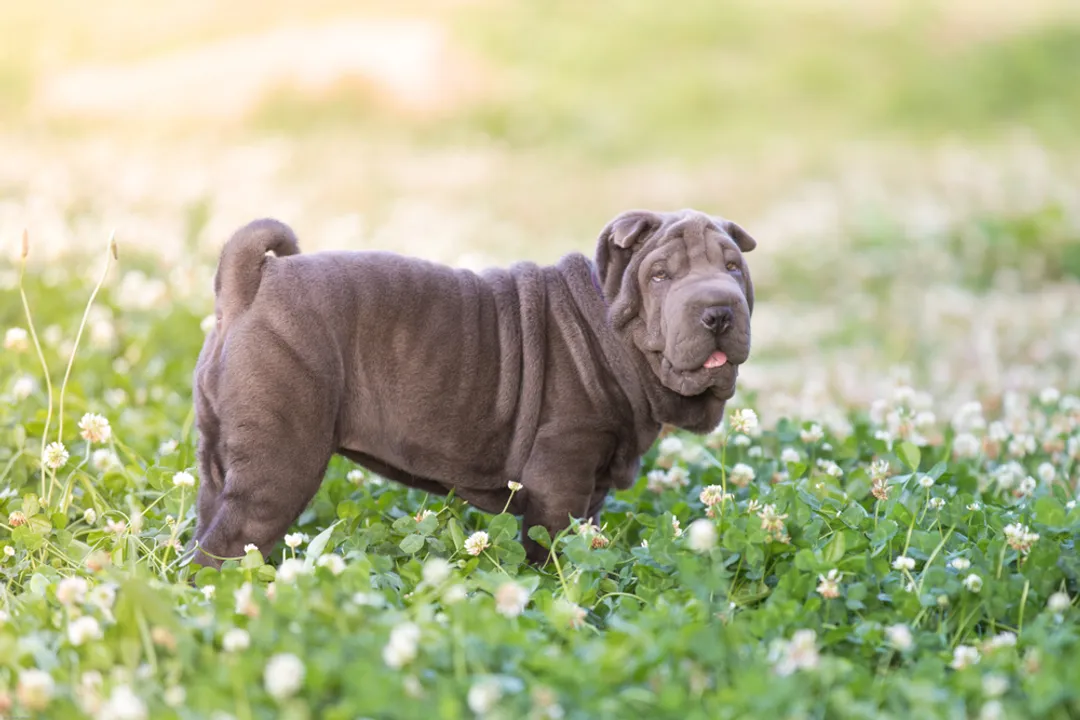
The striking, wrinkled appearance of the Chinese Shar Pei often captures immediate attention, but behind that unique exterior lies a breed predisposed to a number of serious health and temperament challenges that any prospective owner must confront. Understanding the downsides is crucial, as the breed requires a level of commitment that often exceeds that of more common companion dogs. [3][6] This isn't just about finding a dog with a few minor quirks; it involves preparing for significant potential medical expenditures and intensive lifelong care related to their very structure. [1]
# Eye Pain
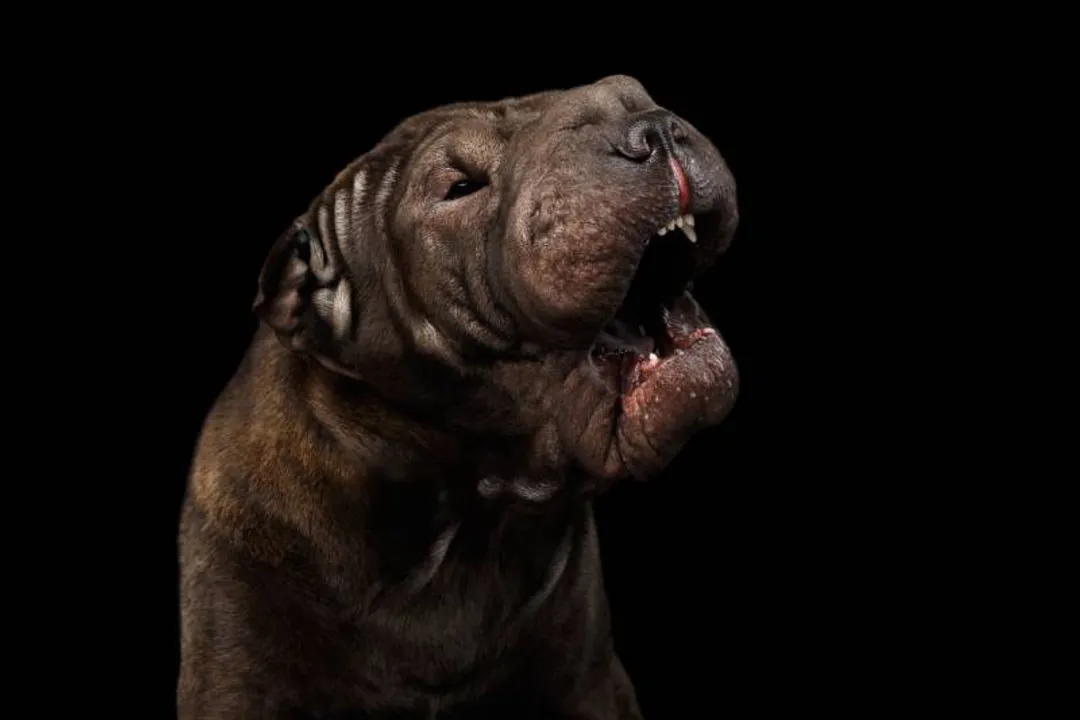
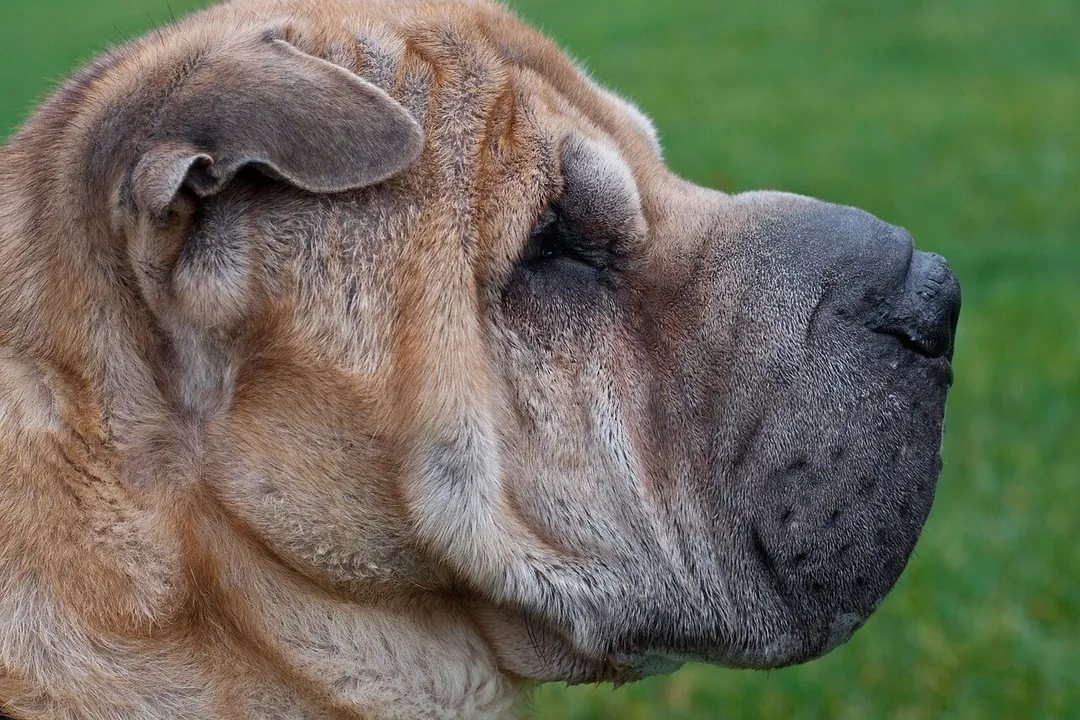
Perhaps one of the most immediately apparent physical vulnerabilities of the Shar Pei concerns their eyes. They frequently suffer from entropion, a painful condition where the eyelids roll inward, causing the eyelashes or coarse hairs to rub against the cornea. [1][9] This constant irritation can lead to severe corneal abrasion, ulcers, and, if not corrected, potential blindness. [1] While some owners manage minor cases with regular plucking or medication, severe or recurring entropion often necessitates surgical correction, sometimes multiple times throughout the dog's life. [6][9] A less common but related issue is "telescoped" skin rolling near the eye, which also requires veterinary intervention to relieve pressure and prevent chronic irritation. [1]
# Skin Disease
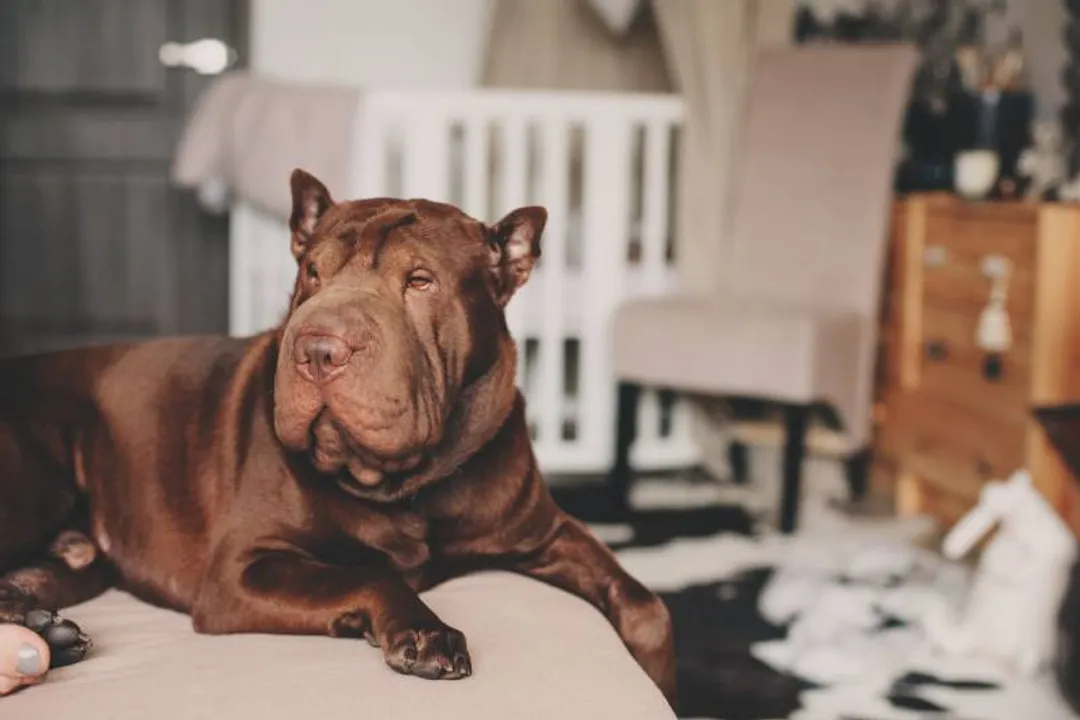
The very trait that makes the Shar Pei recognizable—the excessive wrinkling—is a major source of health detriment. These folds create warm, moist environments perfect for bacterial and yeast overgrowth, making the breed highly susceptible to various dermatological issues. [1][6] Skin fold dermatitis is a recurring problem requiring diligent cleaning and management. [1] Furthermore, the Shar Pei has a higher propensity for infestations with the Demodex canis mite, leading to demodectic mange, which can be difficult to clear, especially in immune-compromised individuals. [1][6] The need for owner vigilance regarding skin hygiene is constant; neglecting these folds, particularly in areas like the muzzle or around the tail base, can quickly lead to painful secondary infections. [6]

# Inflammation Fever
A defining, potentially life-threatening downside specific to this breed is Familial Shar-Pei Fever (FSF), often referred to simply as Shar-Pei Fever (SPF). [1][6] This condition is an inherited autoinflammatory disorder characterized by recurring episodes of fever that can last from one to three days, often accompanied by lethargy and abdominal pain. [6][9] While the acute episodes are alarming, the long-term consequence is far more worrying: the deposition of amyloid protein, a byproduct of the inflammatory response, primarily in the kidneys. [1][6] This process, known as amyloidosis, can lead to severe, irreversible kidney failure over time. [1][6] Managing FSF requires owners to be constantly aware of subtle behavioral changes that might signal an impending fever episode and to work closely with veterinary specialists to mitigate long-term organ damage. [9]
# Joint Issues
Like many purebreds, the Shar Pei carries significant risk for orthopedic problems, most notably hip and elbow dysplasia. [1] These conditions involve improper formation of the joint socket and head, leading to instability, chronic pain, arthritis, and decreased mobility as the dog ages. [1] While lifestyle management, weight control, and prescribed supplements can help manage symptoms, severe cases may require costly surgical repairs or lifelong pain management protocols. [6] This is a consideration that impacts not just the immediate quality of life, but also the dog's suitability for rigorous activity or high-impact play. [3]
# Temperament Toughness
Beyond the considerable physical hurdles, the Shar Pei’s temperament presents a challenge for novice dog owners. They are described as strong-willed, independent, and sometimes stubborn. [3] This breed is not typically known for the eager-to-please nature found in many other popular breeds. [3] Early and consistent socialization, beginning in puppyhood, is absolutely essential to ensure they develop into well-adjusted adults, particularly because they can be reserved or aloof toward strangers. [3] Without proper handling and firm, patient leadership, their natural independence can manifest as territorial behavior or stubborn refusal to comply with commands. [3]
# Grooming Rigor
The physical maintenance demanded by the Shar Pei is substantial, going beyond simple brushing. Because of the skin vulnerabilities, owners must adopt a rigorous cleaning schedule for the wrinkles. [6] This often involves daily or near-daily cleaning of the deep folds, especially around the face and neck, to prevent the buildup of moisture, debris, and bacteria that trigger dermatitis. [1] Moreover, their ear structure, which can be somewhat tucked or covered by surrounding skin folds, makes them prone to chronic ear infections. [6] Regular checking and cleaning of the ear canals become a necessary, non-negotiable part of the weekly routine, distinct from standard ear maintenance required by other breeds. [6]
# Financial Planning for Wrinkles
Considering the high probability of multiple breed-specific ailments—eyes, skin, FSF, and joints—prospective owners should realistically budget for elevated veterinary costs over the dog’s lifespan. An owner might enter the first year dealing primarily with minor entropion surgery or repeated skin fold cleanings and antibiotic courses. [1] By middle age, this can quickly pivot to managing chronic arthritis or, most severely, dealing with the progressive kidney complications arising from untreated or aggressive FSF. [6] The cumulative cost associated with managing a dog predisposed to multiple, simultaneous chronic conditions is a significant downside that requires financial foresight beyond routine preventative care. [9]
To better illustrate the spectrum of care, one might contrast the typical needs of a dog with minimal wrinkles, often labeled as a "meatmouth" or a less-wrinkled modern type, against the traditional, heavily folded standard. While even the less-wrinkled dog retains the genetic predisposition for FSF and orthopedic issues, the sheer surface area prone to dermatitis and infection is greatly reduced in the sparser-folded dog. [6] However, the genetic components of FSF and entropion are independent of the degree of wrinkling, meaning that even a visually "easier" dog can still present the most dangerous internal health threat—amyloidosis. [1][6] Therefore, the owner's primary preparation cannot focus only on external care; internal screening for inflammatory markers must also be a priority, regardless of the dog's physical appearance upon purchase. [9]
# Early Conditioning Focus
The period between three and sixteen weeks of age is the critical window for shaping a Shar Pei's adult temperament, and missing this opportunity severely limits the chances of overcoming their natural reserve. [3] Owners must expose the puppy to a wide, positive variety of sights, sounds, people, and environments during this time to counterbalance their inherent suspicion of novelty. [3] If socialization efforts are delayed or inconsistent, the dog may mature into an adult who is difficult to manage in public settings or overly defensive of the home environment, creating significant limitations on family activities and daily walks. [3] The time investment required here far surpasses that needed for breeds that naturally seek human affirmation. [3]
For owners dealing with the recurring fever cycle, maintaining a detailed log of symptoms is an invaluable, though time-consuming, addition to their care routine. Noting the exact time of day a fever spikes, what the dog ate in the 24 hours prior, and any environmental stressors can provide crucial diagnostic data for specialists when attempting to pinpoint triggers or progression rates of FSF. [9] This meticulous record-keeping becomes an essential, though unofficial, part of managing a dog with a complex, recurring systemic disease that has no simple cure. [6] It moves beyond standard wellness checks into ongoing, dedicated case management by the owner.
# Health Screening Expectations
Prospective owners must also recognize that reputable breeders screen for many of these issues, yet the genetic links to conditions like FSF persist within the gene pool. [5][9] While certifications like OFA (Orthopedic Foundation for Animals) evaluations for hips and elbows offer some assurance regarding orthopedic health, screening for FSF is currently done through genetic testing or clinical monitoring rather than a simple certificate. [1] This means that even with papers from an excellent breeder, the owner must be prepared for the possibility of inheriting the fever syndrome. [6] The commitment involves accepting that, even with the best start, major, expensive health crises remain an inherent risk due to the breed’s structure and genetic history. [9] This risk profile is substantially higher than in many other companion breeds. [5]
Related Questions
#Citations
Diseases for Shar Pei | Long Beach Animal Hospital
What is the downside of a Shar Pei? Considering getting one.
11 Shar-Pei Pros & Cons: What to Consider Before Bringing One ...
How's the overall health in this breed? Thinking of getting one - Reddit
Are Shar-Peis Healthy Dogs? | PETA
Understanding Chinese Shar-Pei Health Problems - Houndsy
You Must Be Barking Mad To Get A Shar-Pei! | by Ella Shields
Is it now time to iron out the wrinkles? Health of Shar Pei dogs under ...
Shar-pei Special Needs and Cautions - Veterinary Partner - VIN