What is the behavior of a German Spitz?

The German Spitz is a breed whose behavior is deeply rooted in its long history as an ancient European dog, initially serving roles from herding sheep to guarding property and boats. This heritage imbues them with a distinctive, spirited, and highly engaging personality that makes them compelling companions for the right owner. They are generally described as lively, intelligent, active, and exceptionally devoted to their families.
# Core Temperament

The foundation of the German Spitz's character is one of alertness and high spirit. They are self-assured and confident, possessing a keen curiosity about their surroundings. This attentiveness is one of their most noted characteristics, making them quick to notice anything new or unusual occurring near their home.
Their loyalty is profound; they bond closely with their household and are eager to please their owners. While they love their families dearly, they possess an independent streak that can manifest as stubbornness during training or a desire to do things their own way. This balance between affection and independence means they thrive best with attentive, structured ownership where they are kept mentally engaged.
They are notably active, preferring to be involved in household activities rather than just resting on the couch. This energy, combined with their intelligence, means they are often happy engaging in play or learning new things. Despite their smaller stature in some varieties, they are not built for excessive, prolonged endurance activities like long, strenuous runs, but they do require regular, moderate engagement to remain content.
# Guarding Nature

Stemming directly from their historical purpose as guardians and watchdogs dating back to the mid-1400s, the German Spitz is naturally wary or reserved around strangers. They excel as watchdogs because they are both vigilant and highly vocal. The Spitz will reliably bark to alert the household when someone approaches, whether it is a known visitor or an unfamiliar passerby. Their protective instinct means they are steadfast defenders of their family and home.
Owners must be prepared for this vocal nature, as it is an ingrained trait that will not be entirely trained away, though excessive nuisance barking can be managed. Yelling at a barking dog can sometimes be counterproductive, as the dog might interpret it as the owner joining in the "barking" alarm. A more effective approach, respecting their need to alert, is to teach an alternative behavior to the sustained alarm. Instead of immediately demanding silence, work on rewarding the dog for stopping once they have successfully brought the unusual event to your attention. Establishing a command like "Quiet" by pairing it with a calming treat immediately after they cease barking can help manage volume without extinguishing their protective instinct entirely. This respects the dog’s inherent role as a sentry while making them a better neighbor.

# Intelligence and Trainability
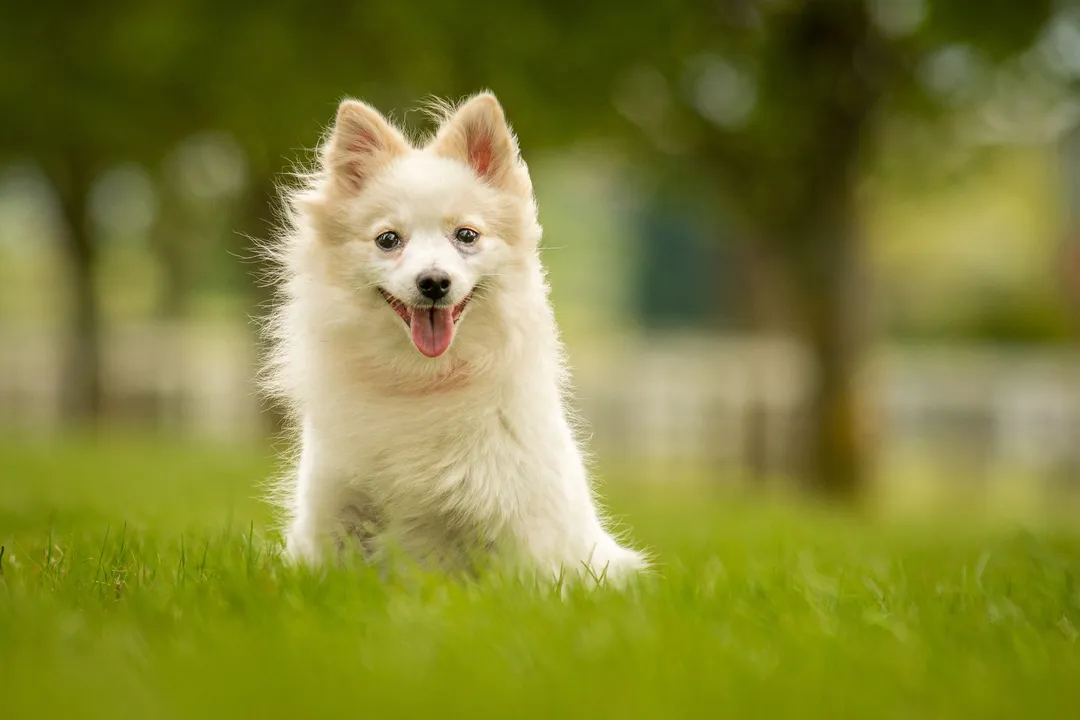
The German Spitz is considered a very smart breed, which contributes to their quick learning ability. They show a good aptitude for learning tricks and basic commands. However, their intelligence often comes paired with a notable independence or self-will. This means that while they might grasp a command quickly, they can also test their owner's resolve to see how serious they are about the command being followed consistently.
Positive reinforcement, utilizing praise, play, and treats, yields the best training results, as they do not respond well to forceful methods. Consistency in training from puppyhood is essential to ensure good manners and obedience. Because of their inherent alertness and the need to monitor their environment, early and thorough socialization is paramount. Exposing a puppy to a wide variety of people, sounds, and situations helps build confidence, making them more comfortable and less aloof or reactive around new stimuli as adults.
# Exercise and Mental Needs
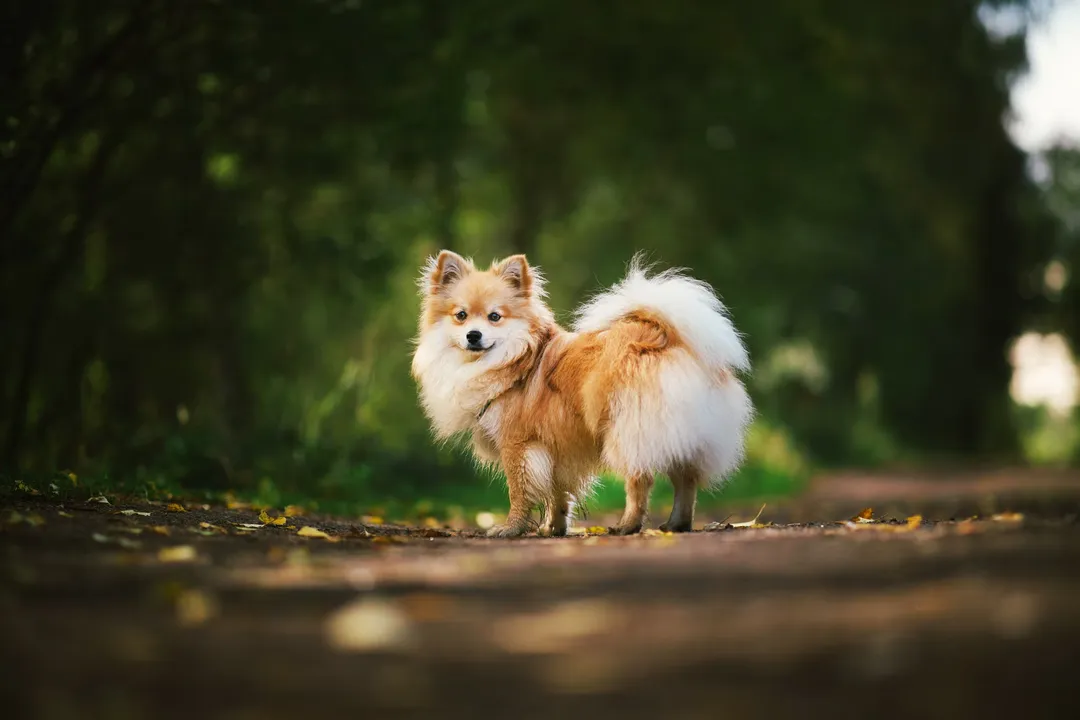
The German Spitz is energetic, though their exercise needs are moderate compared to some intense working breeds. They require regular activity—typically an hour or less of walking, playing, or agility per day—to keep them physically satisfied. They enjoy activities that tap into their herding and chasing background, like agility training or chasing games, which can channel their drive constructively.
Mental stimulation is just as vital as physical exercise for this clever breed. If a German Spitz feels bored or under-stimulated, they are prone to developing unwanted behaviors such as restlessness, destructive chewing, digging, or escalating nuisance barking. Interactive toys, puzzle feeders, and learning new tricks are excellent ways to keep their sharp minds occupied, especially on days when outdoor activity is limited.
A subtle point for owners to note is their need for proximity alongside engagement. These dogs thrive on interaction and generally do not do well when left isolated for long periods, as they can develop anxiety or frustration. They are often described as clinging companions, especially as puppies, prone to following their owners everywhere. A good strategy is to integrate them into daily life rather than expecting them to settle quietly alone for extended durations. They are happy to follow you from room to room, which satisfies their need to be close and aware of their people, even if they are not actively playing or cuddling at that very moment.

# Social Interactions
While intensely devoted to their family, the German Spitz’s behavior toward outsiders is characterized by reserve. They are not generally aggressive towards people they are introduced to, provided their owner approves, but they often take time to warm up. Early socialization is the key to helping them become more confident and comfortable in diverse social settings.
When it comes to children, the breed generally does well with older children who understand how to interact gently and respectfully with a small dog. Due to their smaller size, they can be easily injured or overexcited by overly boisterous or rough play, so supervision is always necessary, regardless of the dog's temperament.
Their relationship with other animals depends heavily on early exposure. If properly introduced and socialized slowly, they can get along well with other family dogs and even cats. However, their historical prey drive means they may see smaller household pets, like birds or small rodents, as prey, requiring owners to be cautious and monitor these interactions closely. The instinct to chase is present, even if suppressed through training, so secure containment is important when outdoors.
# Size Variations and Behavior
It is important to acknowledge that the German Spitz classification includes several sizes—Toy (Zwergspitz/Pomeranian), Klein (small), Mittel (medium), and Groß (Giant/Wolfspitz)—and the FCI considers them varieties of the same breed. While behavioral traits like alertness and devotion are shared across sizes, there can be subtle differences. For example, the larger varieties may have been historically more focused on guarding duties, and owners of the smaller Klein Spitz should be aware that their high-pitched bark can sometimes sound particularly sharp or "yappy". Regardless of size, the core temperament—intelligent, loyal, and alert—remains consistent. The fact that they are often smaller-sized dogs does not negate their need for mental and physical activity; even smaller versions can become destructive if bored. If you are looking at the Zwergspitz (Pomeranian), it is noted that they are often bred more exclusively for companionship and might be slightly less inclined towards the watchdog duties than the larger Mittelspitz.

# Suitability for New Owners
The German Spitz can be an excellent choice for novice owners prepared to dedicate time to training and grooming. They are highly trainable, but their combination of intelligence and independence means they need an owner who is firm, consistent, and patient with positive methods. They are adaptable and can manage well in apartment settings, provided their exercise and mental stimulation needs are met, along with careful management of their vocal tendencies. The commitment to their dense, double coat grooming schedule is also a key factor for any potential owner to consider. This breed promises a rewarding relationship for those who appreciate a spirited, loving, and ever-attentive companion.
Related Questions
#Citations
German Spitz - Dog Breed Information - American Kennel Club
German Spitz Dog Breed Health and Care - PetMD
German Spitz: Dog Breed Characteristics & Care - The Spruce Pets
German Spitz Dog Breed Information & Characteristics - DogTime
German Spitz 2025 Guide: Temperament, Care & Training - Ask A Vet
Standard German Spitz Dog Breed Information
What are German Spitz like? : r/dogs - Reddit
German Spitz Breed Information & Insights - Basepaws
German Spitz Dog Breed Temperament, Personality, & FAQ Guide
German Spitz: Your Complete Guide - Dog Academy